
Key takeaways
- Fenced pump station grounds need regular mowing, and a robot can work inside the fence line between visits.
- The biggest gain is usually fewer trips that exist only to cut grass, which leaves crews more time for equipment.
- Hours saved depend on the site, so count your own visit hours before and after deployment.
- A robot cannot trim every corner, repair the fence or respond to alarms, so a crew stays on the team.
- Start with a free site assessment, and receive the lease quote through financing after it.
How can robotic lawn mowers for water pump stations help?
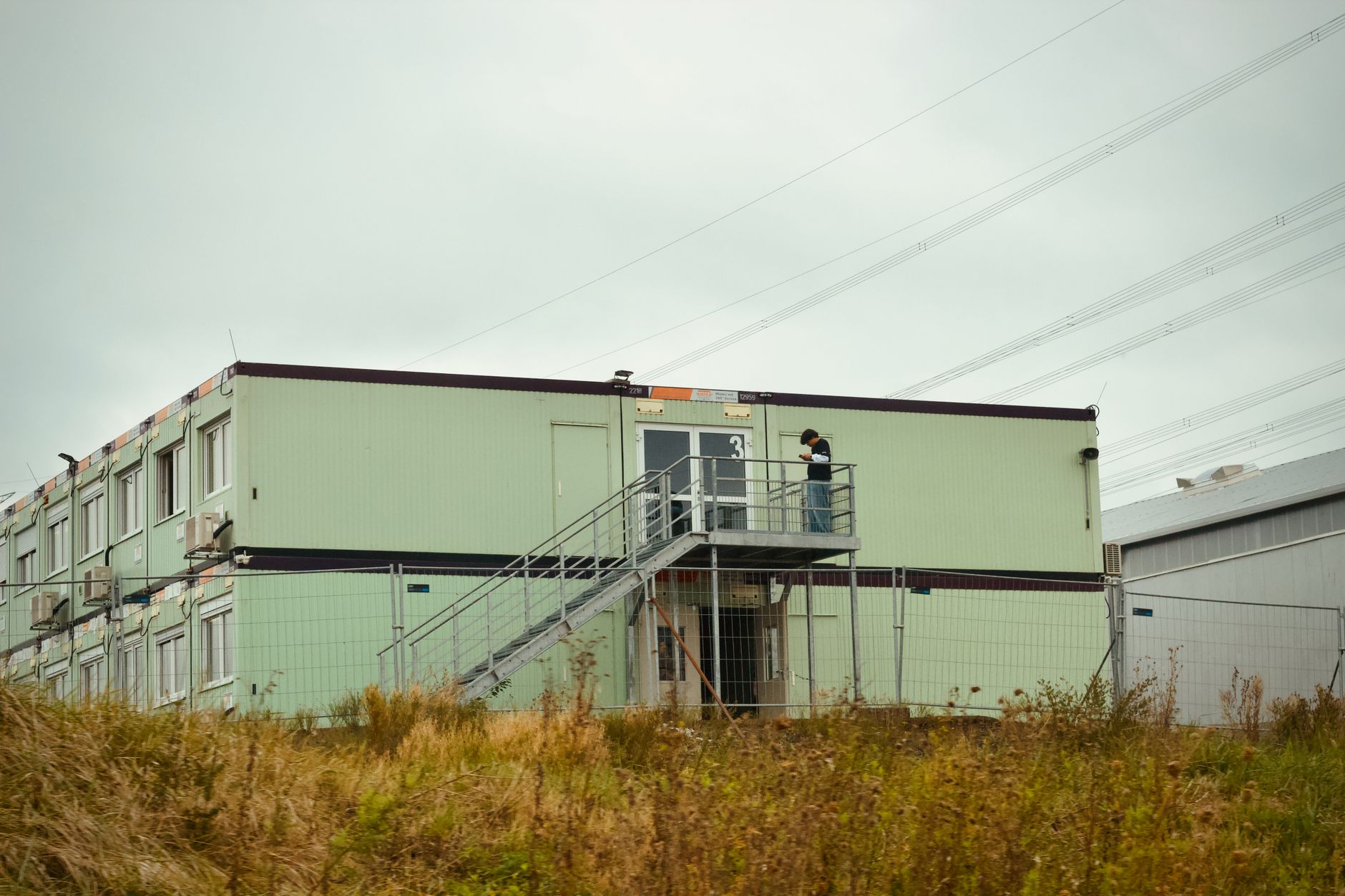
Robotic lawn mowers for water pump stations take over the routine mowing inside the fence line, so the people who run the site can spend their visits on pumps, valves, controls and electrical gear instead of on grass. Many pump stations sit on small fenced parcels that need cutting through the growing season, and a crew that drives out just to mow is paying a full trip for a short job. A robot can work the grass between scheduled visits, on its own timetable.
The biggest gain is usually the trip itself. When the robot carries the mowing, the crew can keep each visit focused on the equipment, and the grass stops setting the pace for the day. Where a station sits far from the nearest maintenance base, that difference adds up quickly, and the operator decides the mowing schedule rather than the drive time deciding it.
Service Robot Co. is a US commercial robot integrator. We pick the robot for the site, lease it through financing, deploy and integrate it, train the staff and service it nationwide. The sections below cover the problem at these sites, the benefits, how the robot works day to day, and what it cannot do.
What does mowing take up at pump stations today?
Water systems in the United States are numerous, and many of them run pump stations on fenced ground. According to the Environmental Protection Agency, about 155,000 public water systems operate in the country. That count comes from an archived EPA page and is dated, so treat it as a rough reference. An HHS summary of EPA data puts community water systems at approximately 51,000.
Mowing is simple to describe and awkward to schedule. A station can sit a long drive from the nearest crew base, and the grass is often a small part of the work on a visit. When the crew has to make a separate trip for the lawn, the drive and the mowing both come out of the day, and the grass may not get cut on the schedule it needs.
Labor is the tight part. According to the U.S. Bureau of Labor Statistics, about 1.3 million people worked as grounds maintenance workers in 2024, and employment in that field is projected to grow 4 percent from 2024 to 2034. That is a large workforce, but it does not make it easy for a utility to put one person on a remote fenced lot for a few hours a week.
What are the main benefits for pump station operators?
The first benefit is fewer dedicated mowing trips. The robot handles the grass on its own schedule, so the crew can keep site visits focused on the equipment. The second is steady cover. The mower runs when the site is ready rather than when a crew has an open afternoon. The third is a neater fenced area, which helps during inspections and with neighbors who see the site every day.
Time is the figure operators ask about first, and it is worth handling with care. According to Turf Business, staff at an English estate said two robotic mowers covering 90 percent of their north-side grass save roughly 4 hours per week. That is a self-reported account, not a measured study, and it describes a large open lawn, not a pump station. It does show the kind of time a robot can return to a crew when the ground suits it.
A vendor blog goes further, claiming 2 to 5 hours saved per week on medium yards. It gives no method for that number, so treat it as a marketing claim. Measure your own visit hours before and after the robot arrives, and use that count when you talk to your team.
How does the robot work at a pump station day to day?
Setup starts with a map. The working area is set inside the fence line, and obstacles such as valve boxes, signs, drains, meters and the concrete pad around the pump house are marked so the mower goes around them rather than over them. The charging dock is placed where the robot can reach it without crossing the gate or blocking a service path.
Once it is running, the robot follows the schedule the operator sets. It mows in overlapping passes, returns to the dock to charge, and resumes. If it meets an obstacle it cannot pass, it is designed to stop and signal for help rather than push through. The first few weeks matter because the boundary and routes get tuned until the robot runs steadily on that ground.
Upkeep is light but regular. Blades, the cutting deck, sensors and the boundary markers need checks, and the crew should look over the mower on each visit they make anyway. A quick check on every visit catches small problems before they stop a cutting cycle.
Which areas of the site does the robot work in?
A pump station is a small site, but it has several kinds of ground, and each one takes its own approach. The robot does best on open lawn and along the fence. Hard surfaces, tight corners and the ground around equipment stay with the crew.
Sites with many trees often suit manual mowing better, according to an industry article on autonomous mower deployment, and large open acreage is needed for enough autonomous work to pay off. A pump station with open grass inside a fence line is a good candidate. A lot with heavy tree cover may still need the crew. Robotic lawn mowers for water pump stations work best when the ground is open enough for long, repeated passes.
Ask the operator to walk the grounds with you before the assessment. Their sense of where water sits after rain, where the grass grows fastest and where the crew stands to work is information a map cannot show.
How does the robot work alongside the existing staff?
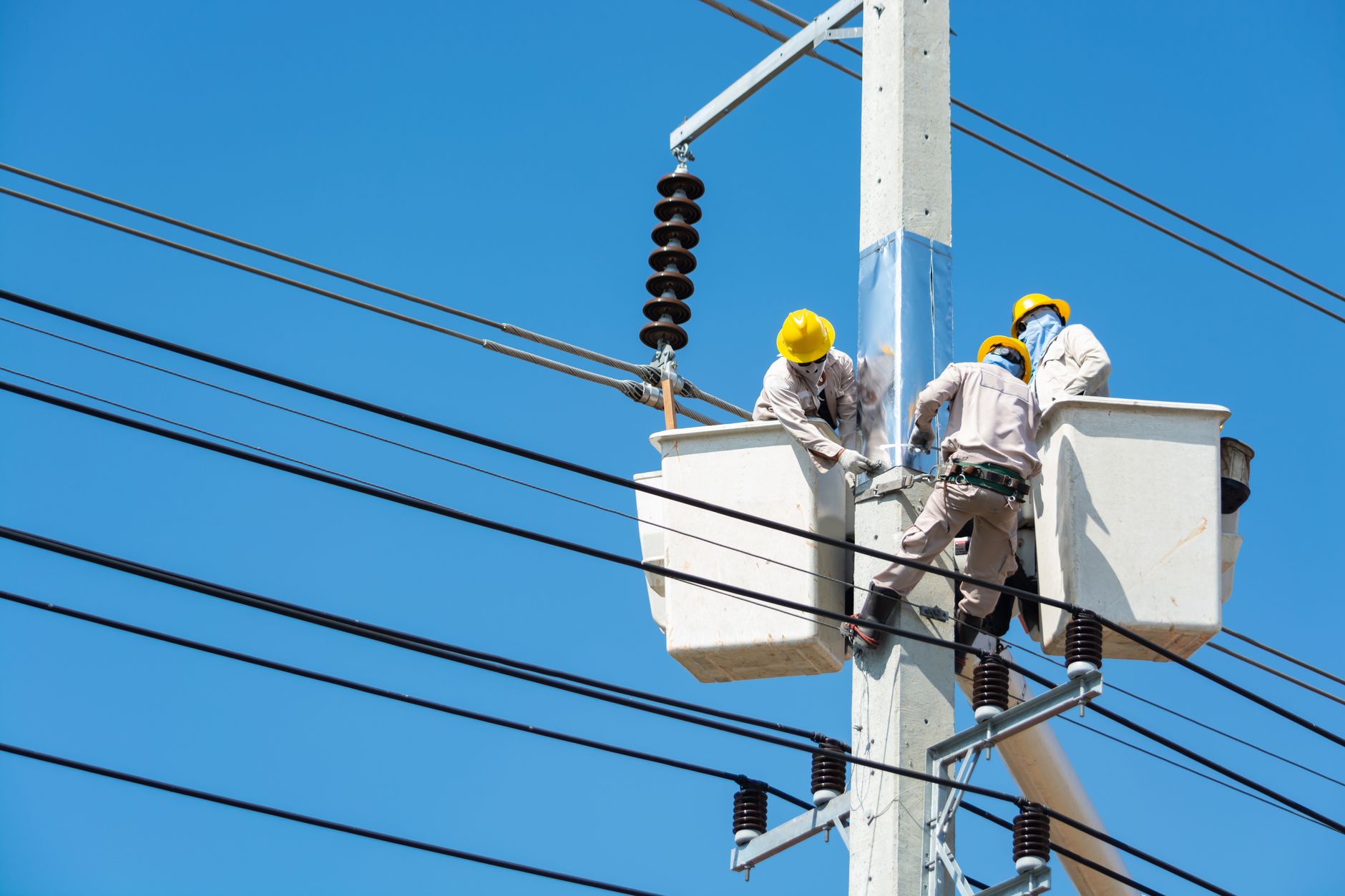
The robot does not replace the crew, and it should not be the only thing watching the site. Water and wastewater operators know the equipment, the alarms and the local conditions. According to the Bureau of Labor Statistics, most of those operators are employed by local government, and their work sits on the same grounds the robot mows.
In practice, the robot takes the mowing time, and the crew keeps inspections, valve and pump work, alarm response and reporting. The operator sets the schedule, reviews the mower's status on visits, and decides when the boundary needs changing. Every site keeps people on the roster who can respond to an alarm, so the robot always works beside a team and never in place of one.
New team members should learn the mower's status signals and its stop routine before their first visit, so a stopped robot does not sit unnoticed for a long stretch.
What drives the savings at a pump station?
Robotic lawn mowers for water pump stations save hours, and the savings are not a fixed figure. The main drivers are how often the grass needs cutting, how far the crew drives to reach the site, how much of the lawn is open enough for the robot, and how much hand trimming remains after the robot does its share. Each of those changes the number of hours recovered per visit or per week.
Count the work in hours. Take the hours a crew spends on the grass per visit, add the drive time that a separate mowing trip creates, and multiply by the visits the site receives each year. The robot's effect is the part of that total it can absorb. The rest is the trimming, debris clearing and checks that stay with the crew.
Treat the self-reported figures on this page as prompts, not promises. A measured count from your own site, taken over a few weeks before and after deployment, is the number that matters for your planning.
What can a robot not do at a pump station?
A robot is not a full mowing crew. It cannot trim by hand around valve boxes, fence posts or the foot of the pump house, and it struggles with tall, wet or heavily matted grass until someone cuts it down first. Very small or oddly shaped plots may not justify a robot, because it needs room for long, repeated passes.
It also does not fix anything. A robot cannot repair fence damage, clear storm debris, check pump performance or respond to an alarm. Those tasks stay with the operator, and a plan that assumes otherwise will leave gaps at the site. Plan them into the normal visit schedule, so the robot takes the grass and the crew keeps the rest of the site work on its usual rhythm.
How do you get started with a leased robot?
Start with a free site assessment. Service Robot Co. maps the fenced grounds, marks obstacles, checks the dock location and reviews the grass. From that assessment, we pick the robot that fits the site and the team that will use it. Robot lease options follow the ground itself, not a catalog.
The robot is leased through financing, and the payment comes in the quote, which is given after the site assessment. That means the figure reflects the actual ground and the robot selected for it. We deploy and integrate the unit, train the staff who will check it, and service it nationwide, with remote triage and on-site dispatch when a unit needs hands on it.
Many operators begin with one leased unit at one site and a clear count of hours before and after. That gives the team real numbers before any wider rollout, and it keeps the first step small.
Frequently asked questions
Want a robotic mower at your water pump station?
Tell us about your site. We will recommend the robot, quote the lease, and keep it serviced.
Sources
- U.S. Bureau of Labor Statistics, Occupational Outlook Handbook: Grounds maintenance workers
- U.S. Bureau of Labor Statistics, Occupational Outlook Handbook: Water and wastewater treatment plant and system operators
- HHS Healthy People, summary of EPA Safe Drinking Water Information System data
- EPA, information about public water systems (archived 2017 snapshot)
- Turf Business, robotic lawnmowers at an English estate
- Vendor blog on robotic mower labor savings
- Industry article on autonomous mower deployment