
The question, in the buyer's words
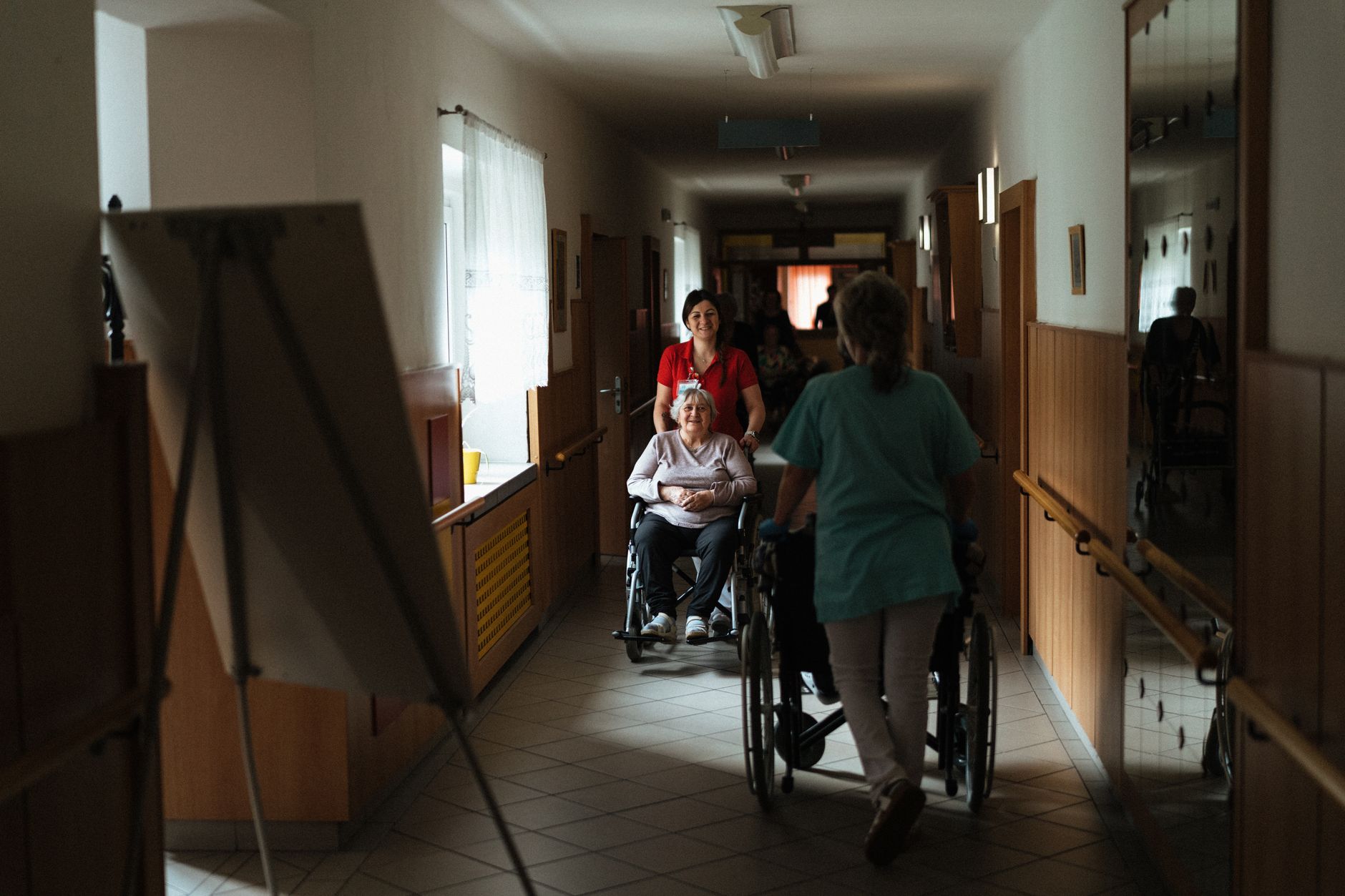
I run a 150-bed nursing home in Pueblo, Colorado with one night aide per wing, and families keep asking why the hallways are still sticky at 6 a.m.; could a cleaning robot take those hallways overnight so the aides can stay with residents?
Key takeaways
- A cleaning robot can take the scheduled floor passes in Pueblo nursing home night hallways, but not spills, residents or handrails.
- Clear carts, wheelchairs and linen bins from the route first, or the robot leaves gaps that an aide must fill by hand.
- Nursing assistant turnover of 42.34% means night routes must be written down, not kept in one aide's memory.
- Check whether the sticky floors come from missed passes, worn finish or entry grit before blaming staffing.
- A free site assessment times your wings and sets the lease quote, so no coverage figure in this page replaces it.
Can a cleaning robot clean Pueblo nursing home night hallways?
Your question has two halves. Floor passes on a fixed route are work a cleaning robot can take over. Resident care, spill response and the judgment calls on a night shift are not, and those are the tasks your aides are already doing. The Pueblo nursing home night hallways that families see at 6 a.m. are a floor problem, so the robot question starts with the floor.
The stickiness usually has several overlapping causes: foot traffic overnight, cart and wheelchair wheels, spills that were mopped but not dried, worn floor finish, and grit carried in from entry doors. A scrubber clears soil and leaves a wet, clean surface. It does not repair finish that has worn through, and it does not stop grit from coming in through the door.
That diagnosis changes the answer. If the floors are dirty because night passes are missed or rushed, a robot on a fixed route fixes the cause. If the surface itself is failing, you need a finish plan first, and the robot only scrubs a damaged floor more consistently.
How many nursing homes are dealing with this kind of floor work?
According to KFF, about 14,742 CMS-certified nursing facilities were operating as of July 2025, down 6% from July 2015. The count is falling, but the homes that remain still have hallway floors to keep clean every night.
Autonomous cleaning equipment is not new to commercial cleaning. A 2019 ISSA survey reached nearly 23,000 contractors, in house providers and facility managers, and found about 27% already used autonomous cleaning equipment. That survey covers commercial cleaning in general, not nursing homes, so read it as evidence that operators have tested these machines, not as proof that they fit your wings.
Use the adoption figure to ask better questions. Ask any vendor, including us, for references from buildings like yours that run a route nightly, and ask what their night aides did before and after. A reference from a nursing home with a similar floor plan tells you more than a national average does.
How thin is night aide staffing and turnover in nursing homes?
The BLS Occupational Outlook Handbook projects about 209,400 openings a year for nursing assistants and orderlies combined. The projection period is not stated in the source we reviewed, so read it as a standing demand signal rather than a dated forecast. Demand for these workers is large, and your night roster competes with that demand.
Turnover matters more for a night schedule than the openings do. According to Skilled Nursing News, summarizing a 2025 to 2026 salary and benefits report from the Hospital and Healthcare Compensation Service, nursing assistant turnover in nursing homes was 42.34% in 2025, down from 44.16% in 2024. The same report puts registered nurse turnover at 36.53% and LPN turnover at 35.29%.
That report covers 917 nursing homes and more than 111,600 employees, so it is a sample from a compensation consultant rather than a full count. Even so, turnover near 42% means a large share of night aides will be new to your building within a year. A floor route that lives in one aide's memory breaks when that aide leaves.
The fix is to write the route down. A mapped route, a short check sheet for the night lead and a run log that any aide can read let the floor work survive a staffing change. A new aide should be able to start the robot without knowing the building's history.
What does Pueblo's labor market and climate mean for this decision?
USAFacts, citing official data, reports Pueblo County unemployment at 5.1% in May 2026, down 0.1 point from a year earlier. The county ranks 7th highest of 64 Colorado counties on that measure. A higher unemployment rate suggests the local pool is less tight than in the lowest rate counties, but the national turnover figures above are a reminder that the county rate does not fix retention on its own.
Health care is the leading employer group in Pueblo. A 2024 community health needs assessment for a local health system describes about 3,000 employees at that one system. Your night aides have options nearby, so pay, schedule stability and workload are the levers you control. A robot that takes the mop off an aide's list is one way to keep the shift centered on residents.
Summer is the hard season for equipment. The climate table at climate-zone.com shows July as the peak month, with highs reaching 100.8°F, and classes the summer as intense. Heat matters most in any area where the robot charges, so confirm the charging spot is climate controlled and have the site assessment check it.
Spring is the windiest season in the same table, peaking in April. Exterior doors that open onto the hallway route can track grit onto the floors, so the site assessment should note which doors feed the route and whether they are used at night.
How physically demanding is night aide work, and what does that mean for a robot?
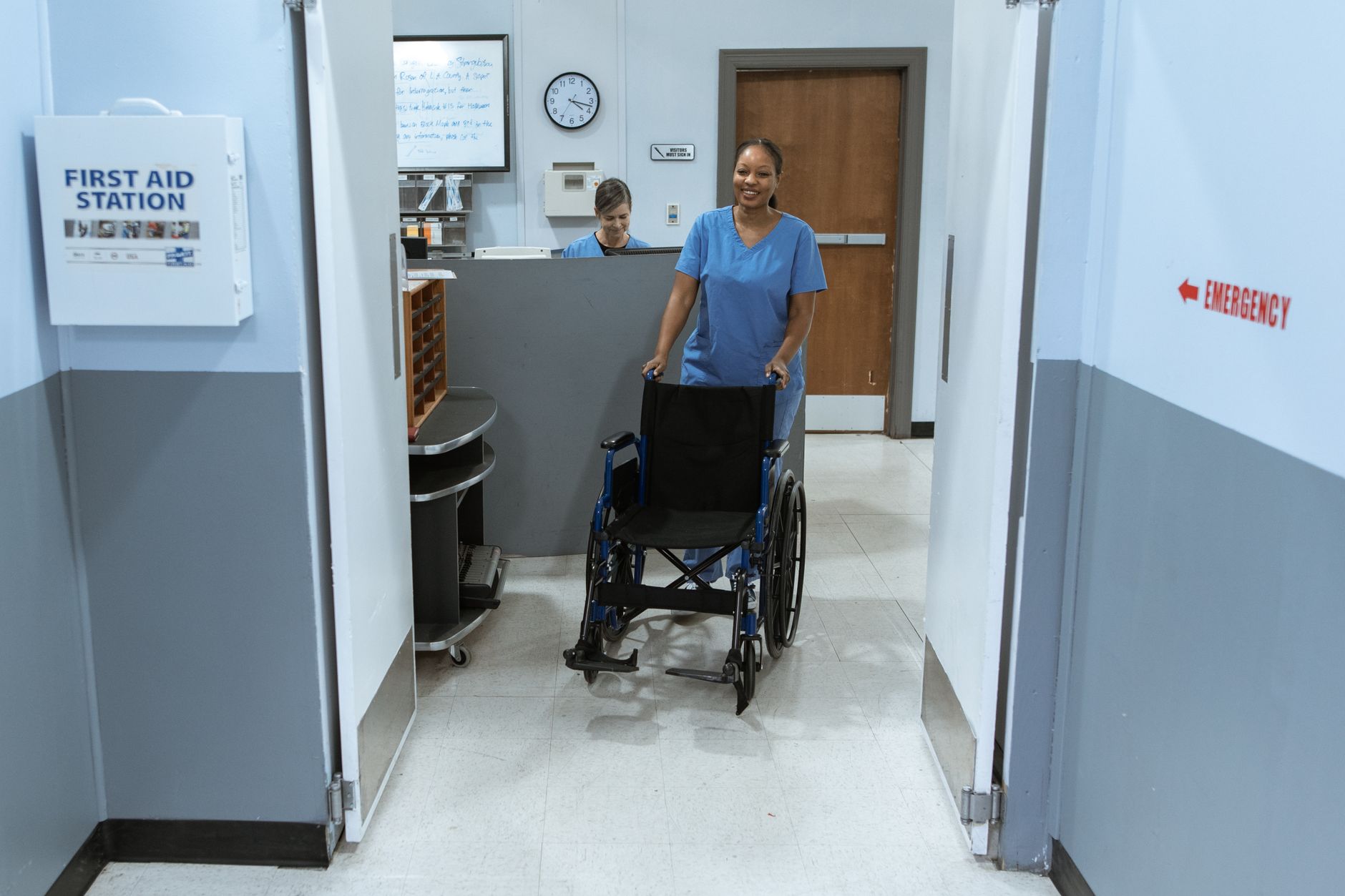
BLS data shows the physical load. For nursing assistants in private industry, the BLS recorded 96,480 nonfatal injury and illness cases with days away from work in 2020, a rate of 1,023.8 per 10,000 FTE workers. That figure covers all private industry, not nursing facilities alone, so treat it as a signal about the trade rather than a measure of your building.
A floor scrubber takes one repetitive task off the list: the bucket, mop and wringing passes on the hallway floor. It does not take resident lifting, transfers or repositioning, and the sources we reviewed do not break down which tasks drive the injury rate. Do not assume a robot reduces injuries. What it does is remove one heavy, repeated task from a shift that already has heavy work in it.
Ask your workers' compensation carrier which claims cluster in your building and by task. Your own claims history will tell you more than an industry rate, and it gives you a baseline to compare after a pilot.
How much hallway can a cleaning robot cover in one night?
Manufacturers rate autonomous scrubbers by theoretical coverage per hour. Those ratings are maximums on open floor, not results from a nursing home. We did not find a nursing home hallway case study with measured hours or coverage, so no published coverage figure should be used to size your floors.
The honest way to size it is to measure. The site assessment walks each wing, records route length and width, notes doors, turns and fixed obstacles, and times the night floor work your aides do now. The robot's rated speed is then applied to your actual route, and the number of passes per night is set against the aide time it frees.
Expect the pilot to tell you more than the rating does. Run the route for a set period, record the log, and compare the floors at 6 a.m. with the floors before the robot. The rating is a starting point, and the log is the number you can show your board.
What stays with the aide and what moves to the robot?
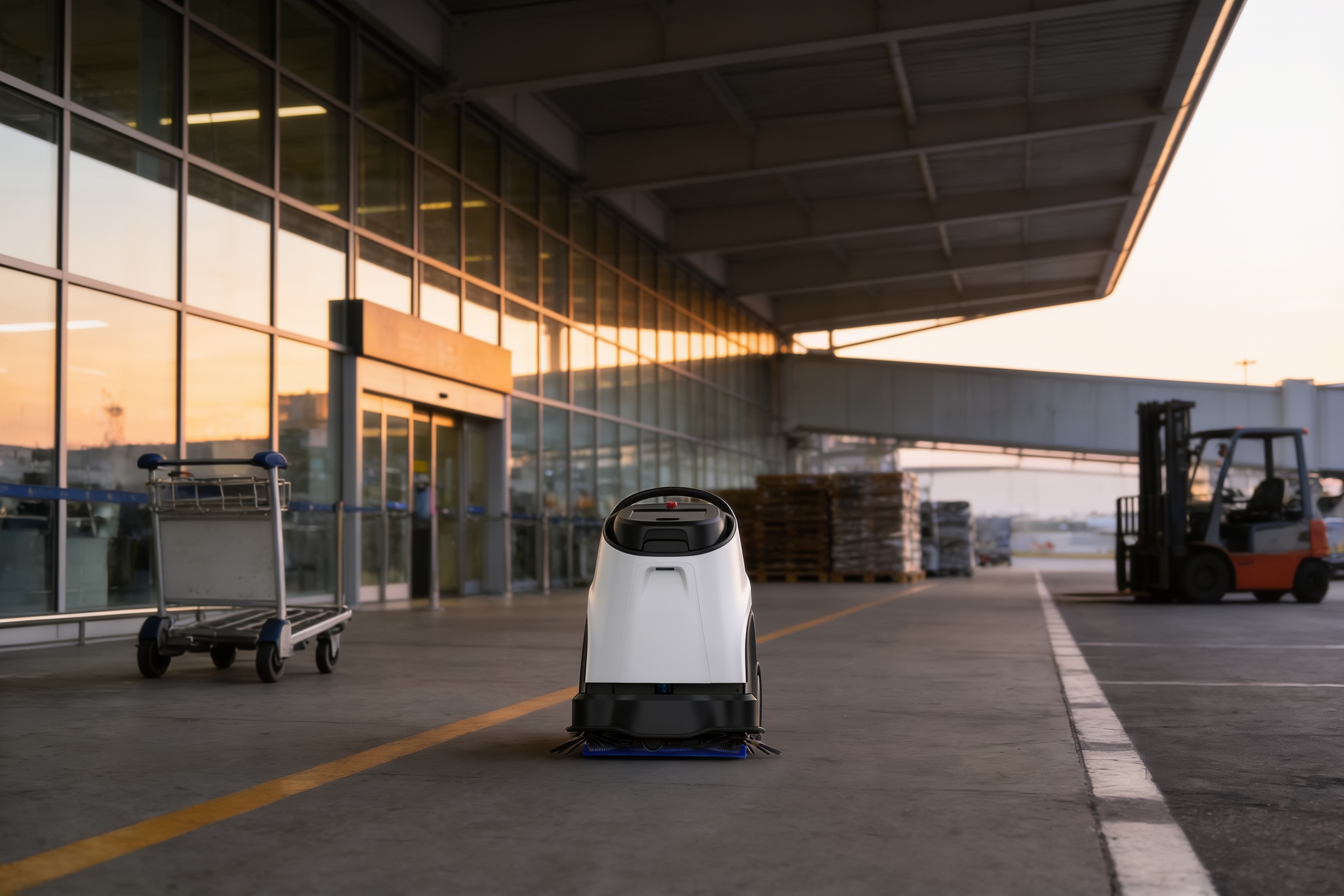
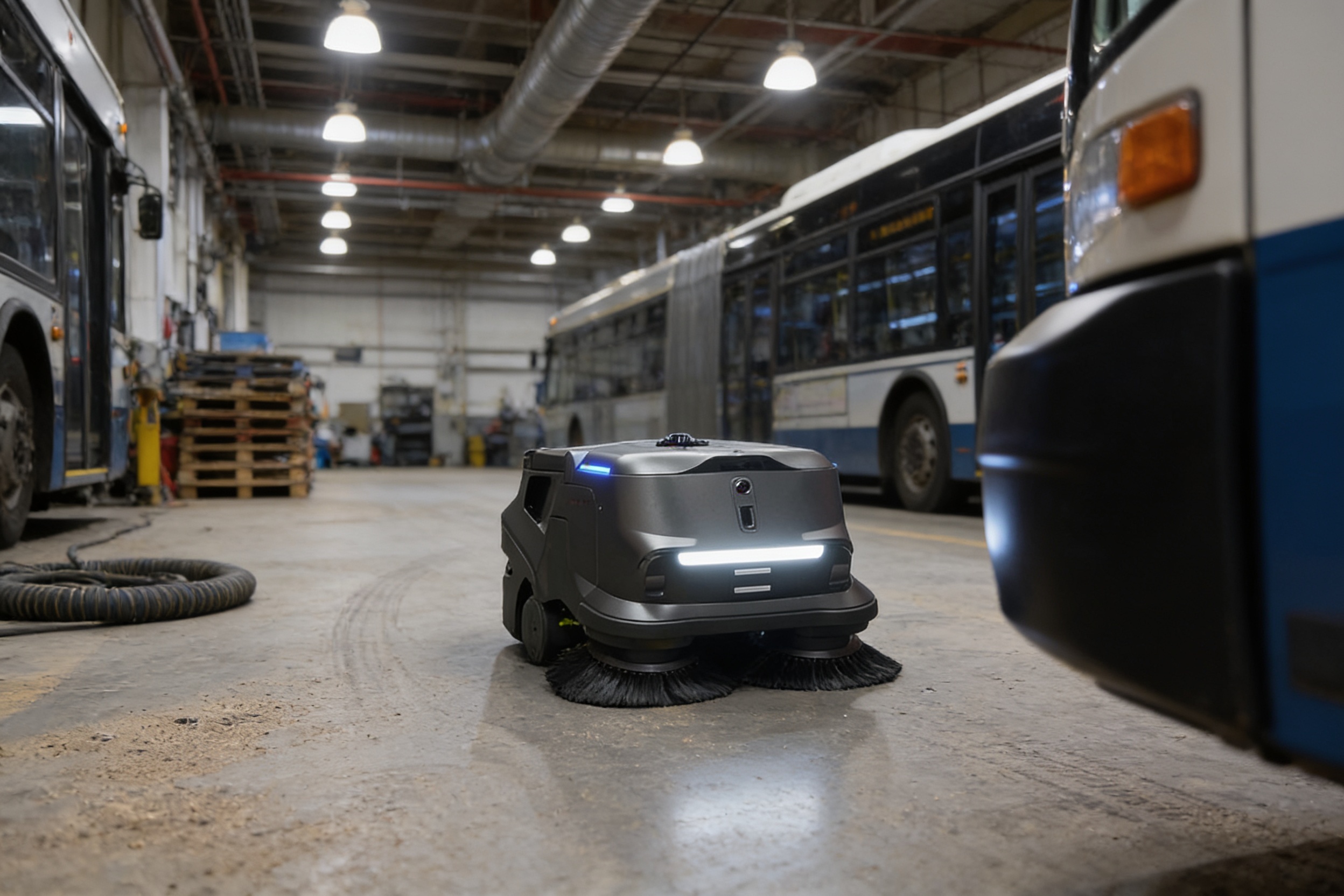
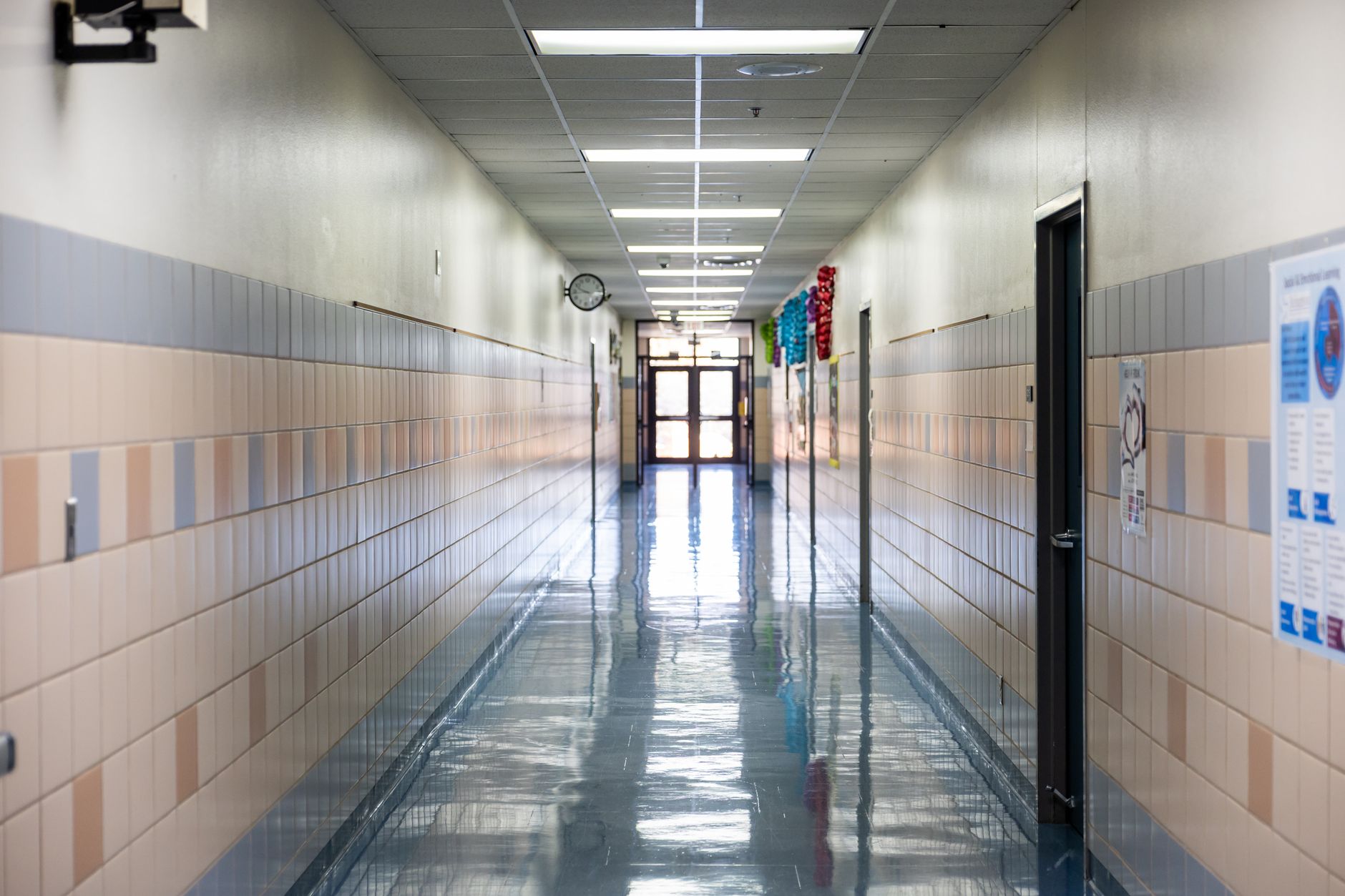
A robot is best understood as a route, not a worker. It repeats the same passes on the same floors on a schedule, and it stops when something blocks it. The aide still decides what happens when the route is blocked, a spill is reported or a resident needs help.
The split in the table below is what we would expect in a nursing home hallway. The site assessment confirms it or changes it for your building, especially if your floors carry more clutter or traffic than most.
Where the person wins is judgment. A robot does not notice a resident calling out, a change in mood or a smell that means something is wrong. Keep those with the aide and treat the robot as the tool that gives the aide back attention.
- Overnight floor passes
Cleaning Robot
Runs the same mapped route on a schedule with no operator
Staff
Covers floors only between care tasks, so passes slip when residents need help
- Spills and bodily fluid incidents
Cleaning Robot
Can be stopped and flagged, but cannot respond or decide
Staff
Responds, protects residents and staff, cleans and reports
- Carts and chairs in the path
Cleaning Robot
Stops or detours, which can leave a gap in the run
Staff
Moves the obstacle and carries on
- Resident contact
Cleaning Robot
None, and residents may react to it, so introduce it early
Staff
Rounds, checks, reassures and notices change
- Handrails and high touch surfaces
Cleaning Robot
Not its job
Staff
Wipes them during rounds
- Consistency night to night
Cleaning Robot
Same passes each night, with a run log
Staff
Varies with workload, illness and fatigue
- Adapting to a changed building
Cleaning Robot
Needs the route mapped again after layout changes
Staff
Adapts on the spot
What does a night with the robot on the route look like?
Here is one sample night with a robot on the hallway route and one aide per wing. The times follow a typical shift change and will move after the site assessment and the pilot.
The risk to plan for first is not the machine but a cart left in the route after the evening pass. Make clearing the route the first named task on the night checklist, and have the night lead confirm it at the start of shift. A blocked route is easy to prevent and frustrating to find at 4 a.m.
The morning handoff is where families see the result. The day shift reads the log, walks the flagged spots and writes down anything missed, such as a sticky patch near a door. Those notes are the record you can show families, and they show whether the route needs an extra pass near the entry.
How do I get a robot for my nursing home hallways?
We start with a free site assessment. We map the hallways, measure the route, check floor finish, entry doors, obstacles and charging space, and time the night floor work on your wings. The assessment is free and comes before any lease discussion, so you learn what the route needs before you are asked to commit to anything.
The payment comes in a quote after the site assessment. Robots are leased through financing, which means no large upfront cost, and the quote covers the service plan we run for every unit we place. That plan includes on-site dispatch, remote triage and regional service engineers in the states we serve. We pick the right robot for your floor, which may not be the first model you saw, and we are not tied to one manufacturer.
A one wing pilot is the lowest risk way to test the route. Start with one leased unit, run it on the route the assessment set, and decide on a second unit from your own run data. Ask during the quote about spare unit coverage for the nights the robot is down.
What would change the answer? If carts and chairs cannot be kept out of the route at night, if the floor finish is worn past cleaning, or if no night lead can own the robot's log, the fix is a floor or staffing change first and a robot second. If none of those apply, a robot on a fixed route is worth testing against your own floors.
Frequently asked questions
Upcoming hospitals & healthcare events
- ConferenceNew England College Health Association (NECHA) 2026 Annual MeetingNov 11 to 13, 2026Newport Marriott Hotel & Spa, Newport, RI
- ConferenceHLTH USA 2026Nov 15 to 18, 2026The Venetian Expo, Las Vegas, NV
- ConferenceIndiana Safety and Health Conference & Expo, 2027Feb 8 to 10, 2027Indianapolis, IN
- ConferenceHealthcare Project Delivery Conference 2027Feb 10 to 11, 2027Manchester Grand Hyatt, San Diego, CA
Put a robot to work in Pueblo.
We walk your site, learn the job, and recommend the unit that fits. Then we quote the lease, deploy it, and keep it serviced.
Sources
- KFF, state indicator table: number of nursing facilities
- BLS Occupational Outlook Handbook: nursing assistants
- Skilled Nursing News: nursing home turnover rate declines (2025)
- BLS injury and illness snapshot: nursing assistants 2016 to 2020
- USAFacts: Pueblo County unemployment rate
- 2024 community health needs assessment, Pueblo County
- Climate Zone: Pueblo, Colorado climate
- ISSA 2019 autonomous cleaning equipment survey