
The question, in the buyer's words
I run a 60-room bathhouse hotel in Hot Springs, Arkansas where mineral film turns the locker-room tile slick by morning; could a cleaning robot handle wet tile without leaving streaks or missing the drains?
Key takeaways
- A tile cleaning robot can handle open, flat wet tile, but a clogged drain still needs a person with a tool.
- Streak-free mineral film removal is a site test question, not a spec-sheet promise.
- Hot Springs humidity keeps floors damp longer, so dry-time planning matters as much as the scrub.
- National labor figures do not show your payroll pressure, so measure your own turnover and missed shifts.
- Start with a free site assessment, then a quote for a lease through financing.
What does a bathhouse hotel locker room need the robot to do?
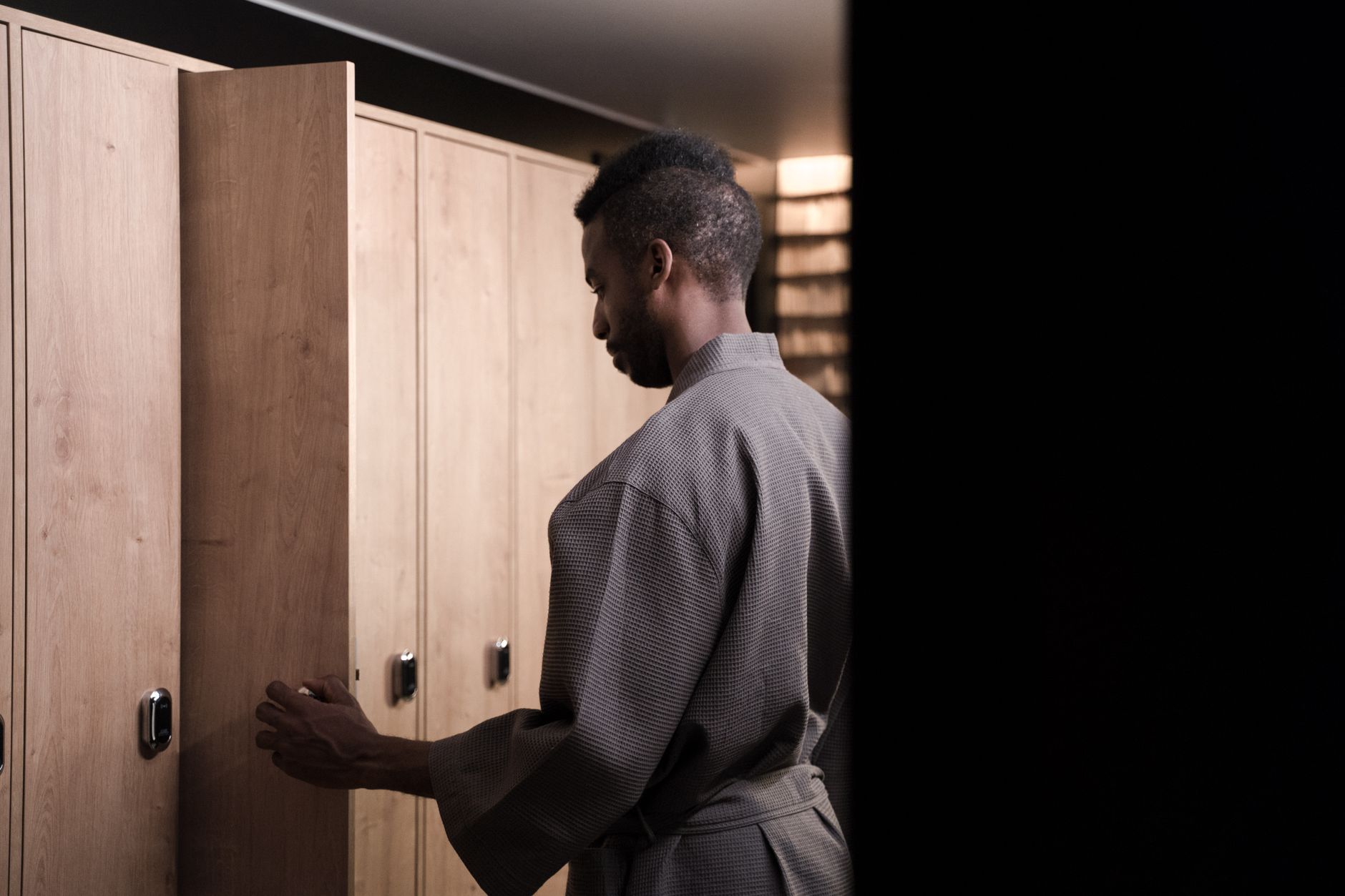
The job is narrow and repeated. Mineral water leaves a film on wet tile, and by morning the locker-room floor is slick and the drains are partly sealed with deposits. Staff scrub the drains and the floor before the first guests arrive, so the window is fixed and it comes around every day. A cleaning robot would take over the floor pass, not the whole morning.
Mineral soaking is still part of the Hot Springs picture. The National Park Service notes that all eight bathhouses on Bathhouse Row can be seen from the aerial viewpoint and that they still offer mineral-water soaks. Mineral film is therefore a daily condition in this town, not an occasional spill. That makes the routine predictable, which suits a robot, but deposits build up steadily and need a chemistry your facility already approves.
Write the job down before you talk to anyone. Note the floor area of the locker rooms, the number of drains, the time the floor must be dry and which staff members scrub today. For a 60-room property, the locker rooms may be only one part of the work, so separate them from guest rooms and public halls. A vendor can only test against a defined job, and a vague brief produces a vague result.
Can a cleaning robot take mineral film off wet tile without streaks?
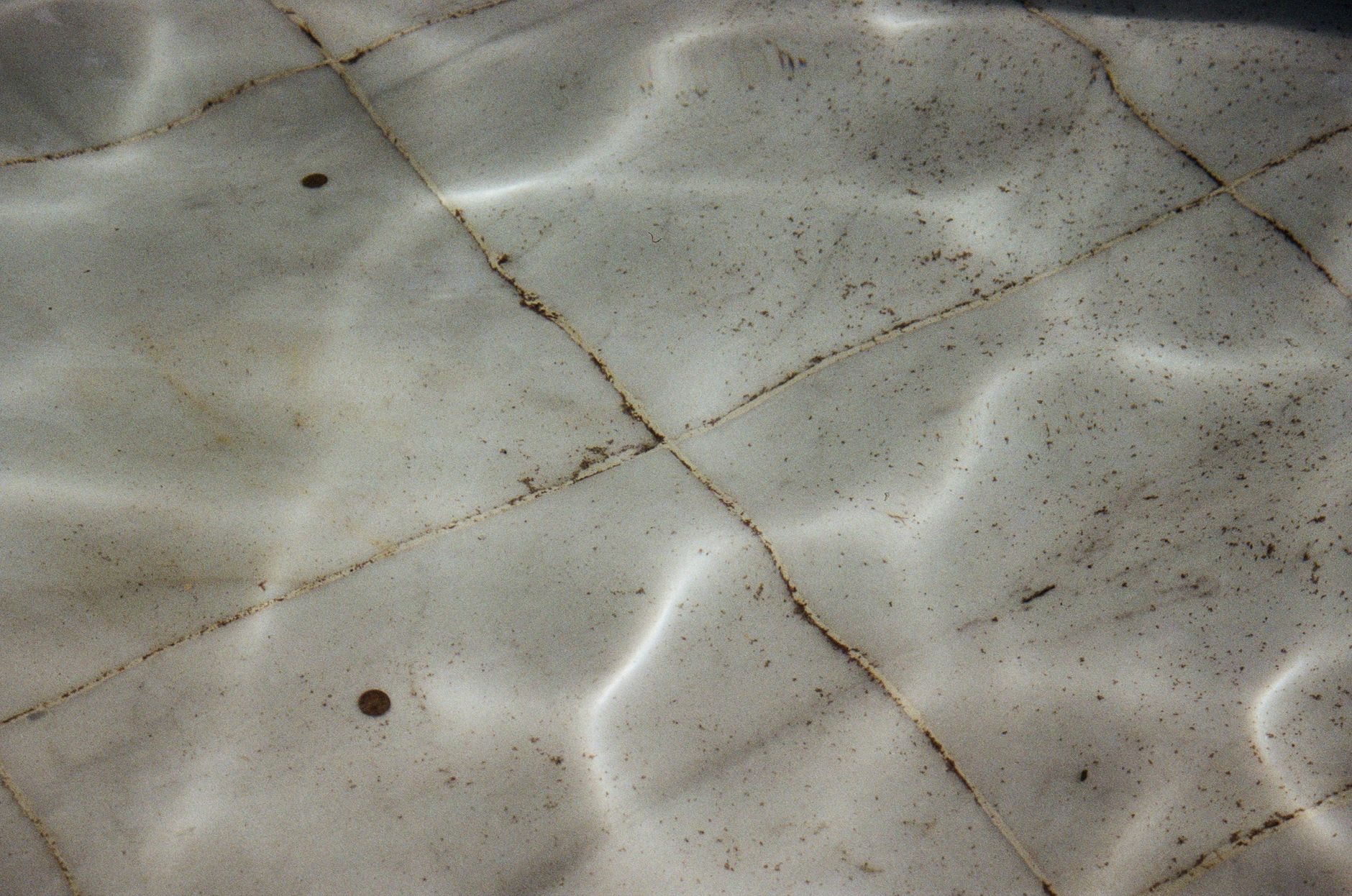
No published source we checked tests a robot on mineral film on wet bathhouse tile, so no general claim can tell you whether your floors will come out streak free. Streaks usually come from three things: the cleaning chemistry, the water left behind, and the squeegee or recovery blade. The robot controls the path and the pressure, but it does not pick the chemistry for you, and a worn blade will leave lines on any floor.
Ask the same questions you would ask about a new cleaning crew. Which cleaning product does the robot run, and has your facility approved it for mineral deposits? How often does the blade need changing? Does the recovery system pick up enough water to leave the tile dry by the time guests walk in? Written answers to each question are more useful than a demo on a clean test floor.
Set up a test on your own locker-room tile. Pick the worst section, the one that is slick by morning, and run the robot there over several mornings. Judge the result by whether the tile is dry and free of visible film when guests arrive, not by how it looks right after one pass.
Keep a simple morning log for the trial. Note the time the scrub ended, the time the floor read dry, any visible film, and any guest complaint about footing. A log turns a feeling about streaks into a number your facility can review.
Will a robot reach the drains and clear them?
A floor scrubber can usually pass over a flat drain grate and clean the surface around it. It cannot pull hair and mineral clog out of a drain, and it cannot work into a drain set above or below the floor plane. Those jobs stay with a person and a hand tool.
The practical question is layout. Map each drain's position and its height against the floor, mark any drain that needs a keep-out zone, and note any raised threshold or channel. A robot taught the route will steer around a marked drain, but someone still needs to check each grate after each shift, because deposits build up in openings the robot cannot see into.
Treat drains as a two-step task. The robot covers the open tile and the area around the grates. A person clears the grates and checks drain flow. Then the robot runs its final pass on the cleared floor, which is where it does its most consistent work.
Write the drain check into your shift log. Record which grates were cleared, which showed slow flow, and whether the route had to stop for a marked drain. After a few weeks, that log shows which drains need more attention and whether the keep-out zones still match the layout.
- Repeat route at the same time each morning
Cleaning Robot
Runs the same mapped path every shift without fatigue or skipped areas
Staff
Can vary the route and may skip a corner when the crew is short
- Open flat tile around drains
Cleaning Robot
Covers open tile and the area around flat grates in one pass
Staff
Covers the same area but takes longer and ties up crew members
- Clogged drain
Cleaning Robot
Cannot clear a clogged drain or pull out deposits
Staff
Clears the grate and checks flow with the right tool
- Unexpected spills and debris
Cleaning Robot
Routes around or stops for items it does not recognize, then waits for help
Staff
Sees the spill, decides and cleans it on the spot
- Streak control
Cleaning Robot
Depends on chemistry, water recovery and blade condition, all set in the program
Staff
Adjusts technique by eye, though results vary by person and by day
- Guest interaction
Cleaning Robot
Can mark the wet route and move aside, but cannot answer questions
Staff
Can help a guest, redirect foot traffic and explain the wet-floor sign
How do Hot Springs heat and humidity change the job?

The National Park Service describes Hot Springs summers as very hot and humid, with fast weather changes possible. A third-party summary of 1981 to 2025 weather records from WEATHERblaze gives an annual average relative humidity of about 77 percent, peaking near 84 percent in December. According to a travel guide, annual rainfall is about 54 inches.
High humidity slows drying. Tile that is wet early in the morning can stay damp well after the scrub is done, which raises the slip risk when the first guests walk in. Plan the scrub with dry time in mind: start early enough that the floor has a real chance to dry, use fans or ventilation if your building allows it, and keep a wet-floor sign on the last stretch of the route.
Ask the vendor for the operating temperature and humidity range in writing, along with the wash-water temperature the unit can handle. A machine that performs well in a dry warehouse may need another plan in a building that stays humid for much of the year.
What does janitorial staffing look like across the US?
According to the BLS Occupational Outlook Handbook, about 2.45 million jobs were held by janitors and building cleaners in 2024. The same source projects 2 percent growth from 2024 to 2034, which BLS labels slower than average. Most workers learn the job on the job, and some employers prefer a high school diploma.
Those figures describe the national market, not your payroll. We did not verify turnover for janitorial or hotel housekeeping staff in a reliable source, so your own turnover rate is the number to pull. Count the shifts you could not fill over the last year, and count the hours staff spent on drains that could have gone to other work.
The point of a robot in this job is not to remove the crew. It covers the repeated, fixed floor pass that must happen before the first guests, so staff can spend their time on drains, spills, guest needs and the rest of the building. A slowly growing occupation makes that split more valuable, though the BLS projection alone does not prove a shortage at your property.
How risky are wet floors for guests and staff?
According to BLS injury data, there were 479,480 nonfatal cases with days away from work involving falls, slips and trips in 2024 across all private industry. The same data reports 844 fatal falls, slips and trips across all sectors in 2024, and construction alone accounted for 389 of those fatalities. These are national totals, not hotel-specific rates, and we did not verify an accommodation and food services rate for 2024, so do not cite one.
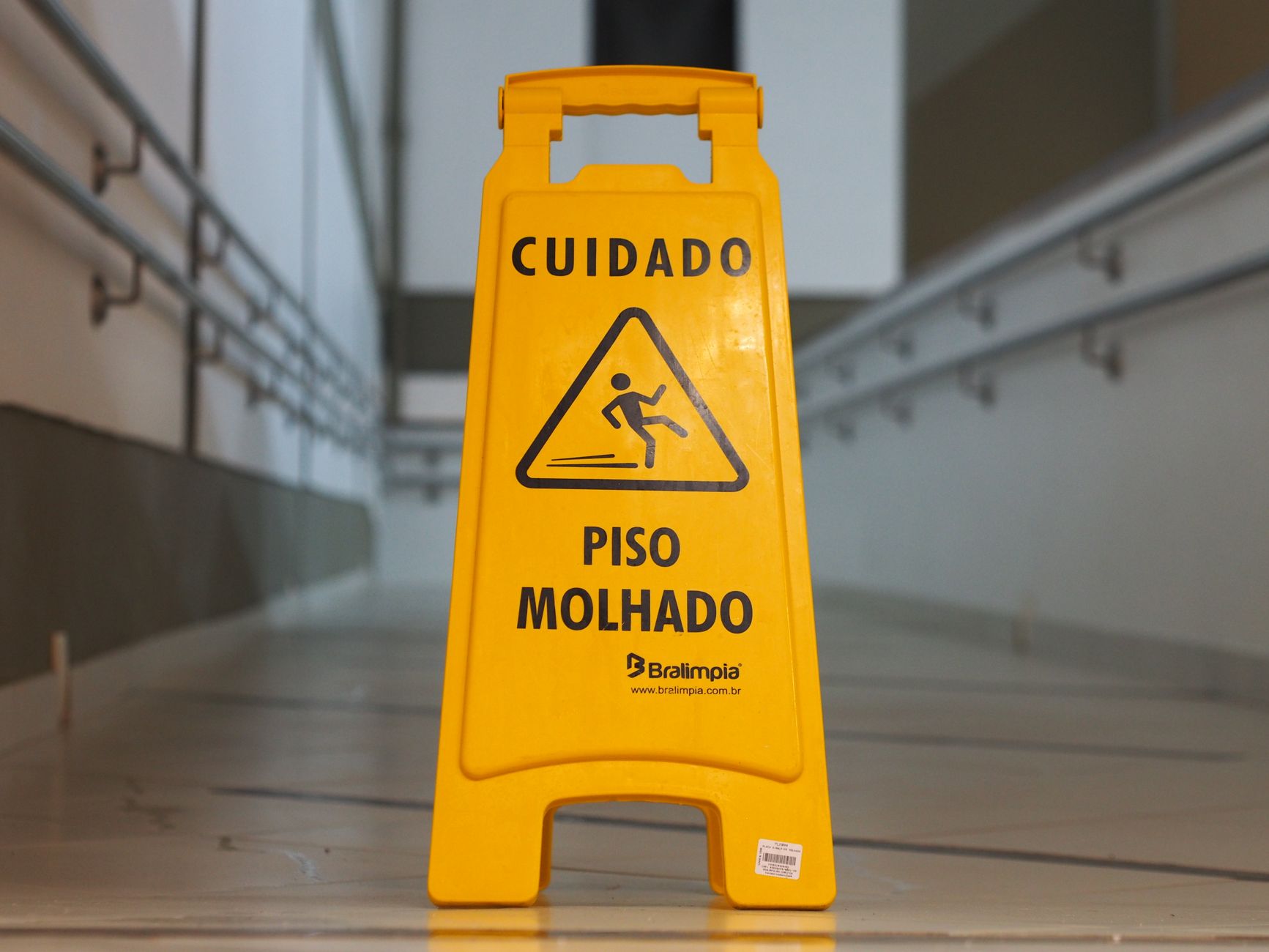
Wet, slick floors are the hazard your morning scrub already targets. A robot does not remove that hazard by itself. It leaves a damp surface that has to dry, so the risk moves to the window between the robot pass and the first guest. Mark the wet route, keep the robot away from doorways guests use, and block the area until the film and water are gone.
Ask whether the robot's stop behavior and safety sensors have been tested in a space where people walk through while it runs. Get the answer from the vendor in writing, then compare it with your own incident log for the locker rooms.
Write the wet-floor route into your morning checklist. Put signs where guests enter the locker rooms, and assign one named person to confirm the floor is dry before the first guest. The robot does not own that sign-off, and your own safety policy will likely expect a named person to make it.
What still needs a person on the job?
A 2019 survey by AACEM and ISSA, covering about 23,000 contractors and facility managers, found that 69 percent of facility and property managers had not used autonomous cleaning equipment. About a third of those non-adopters said they were somewhat likely to adopt within a year. That survey is several years old, so treat it as a starting point rather than a measure of the market now.
A CMM 2026 benchmarking survey names robotic or autonomous equipment as the cleaning technology facility managers are most likely to adopt in the next year. The exact percentage was not verified, so we do not quote one. The direction is still useful, because it shows peers are looking at this equipment.
A person still handles the parts a floor pass cannot: clogged drains, cracked grout, a spill off the route, a guest who needs help, and the chemistry check. A person also decides when the robot stops for the day and who signs off that the floor is ready. Keep one trained staff member on every shift who knows the robot, the route and the stop control.
Expect some staff resistance at first. Explain what the robot does, what it does not do, and who is responsible when it stops. A crew that understands the boundary will use the robot well, while a crew that feels replaced will work around it.
How does a lease and service plan work for a bathhouse hotel?
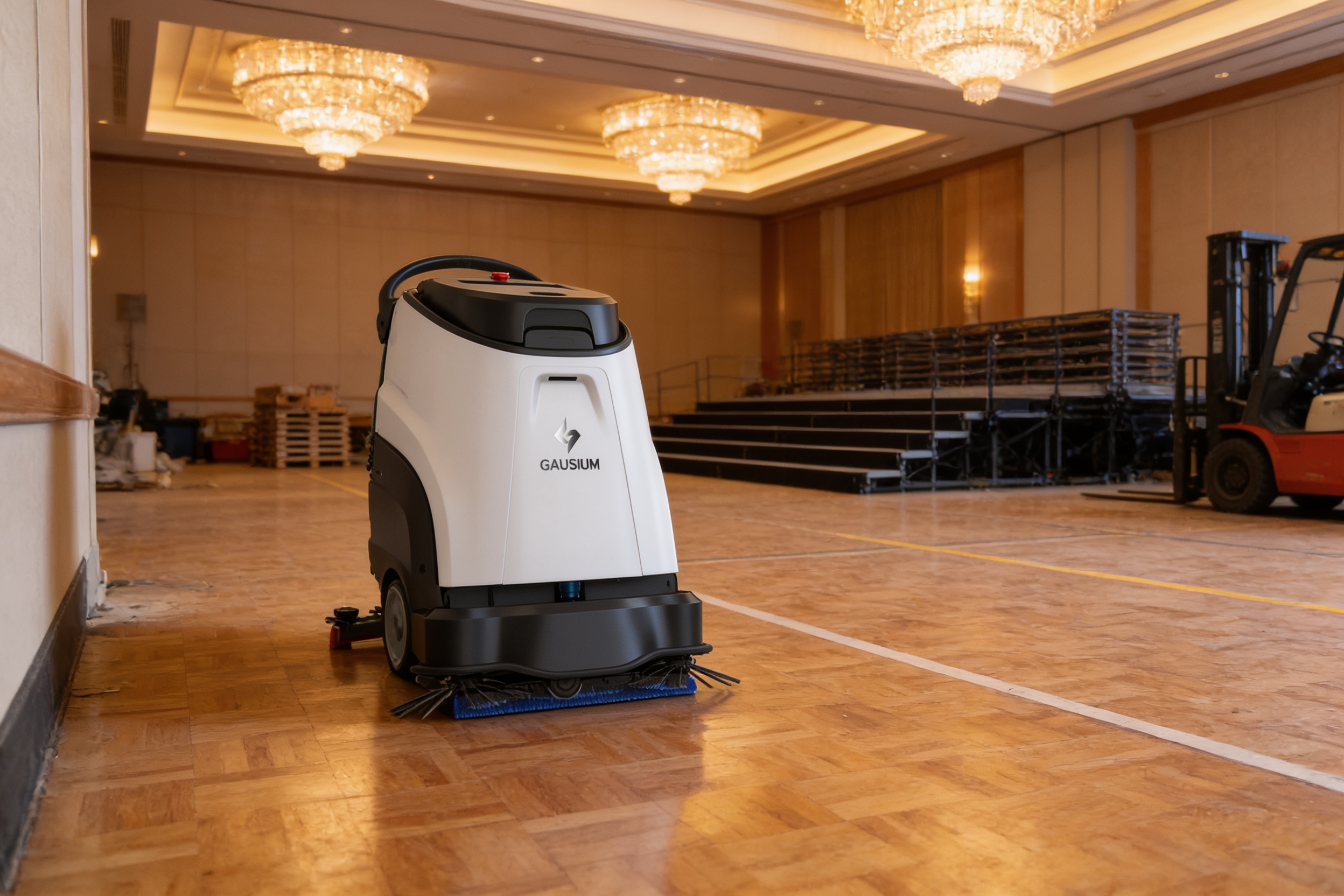
We are an integrator, not a single manufacturer. We pick the cleaning robot that suits your floors from across manufacturers, lease it through financing, deploy and integrate it, train your staff, and service every unit under our service plan. You get one partner for the life of the unit, with regional service engineers in each state we cover.
The lease is quoted after a free site assessment. We map the locker rooms, mark the drains, test the route against your tile and record the dry-time window. The quote follows those findings, so a bathhouse with a difficult drain layout gets a quote that reflects it. We do not quote before we have seen the building.
Start with one leased unit on one locker-room route, measure the result over a trial period, and only then decide whether to expand. A trial shows you what the robot does with your film and your humidity, and that is the evidence a general manager needs before signing off.
Frequently asked questions
Upcoming hotels & hospitality events
- MeetupMPI Virginia Morning Brew Meet-Up, November 2026Nov 10, 2026Hampton, VA
- SummitVA1 Governor's Tourism Summit 2026Nov 18 to 20, 2026Kalahari Resorts & Conventions, Spotsylvania, VA
- ConferenceVirginia Association of Fairs ConventionJan 14 to 17, 2027Williamsburg Lodge, Autograph Collection, Williamsburg, VA
- ConferenceIHLA Convention and Exposition, 2027Feb 8 to 10, 2027Indianapolis, IN
Put a robot to work in Hot Springs.
We walk your site, learn the job, and recommend the unit that fits. Then we quote the lease, deploy it, and keep it serviced.
Sources
- National Park Service, Soak in the Springs
- BLS Occupational Outlook Handbook, Janitors and Building Cleaners
- BLS Injuries, Illnesses, and Fatalities, Latest Numbers
- AACEM and ISSA Autonomous Cleaning Survey, via FMLink
- National Park Service, Hot Springs Weather
- WEATHERblaze, Hot Springs National Park Weather History
- Weather2Travel, Hot Springs Climate
- CMM, The Top Three Cleaning Robotics Trends of 2026