
The question, in the buyer's words
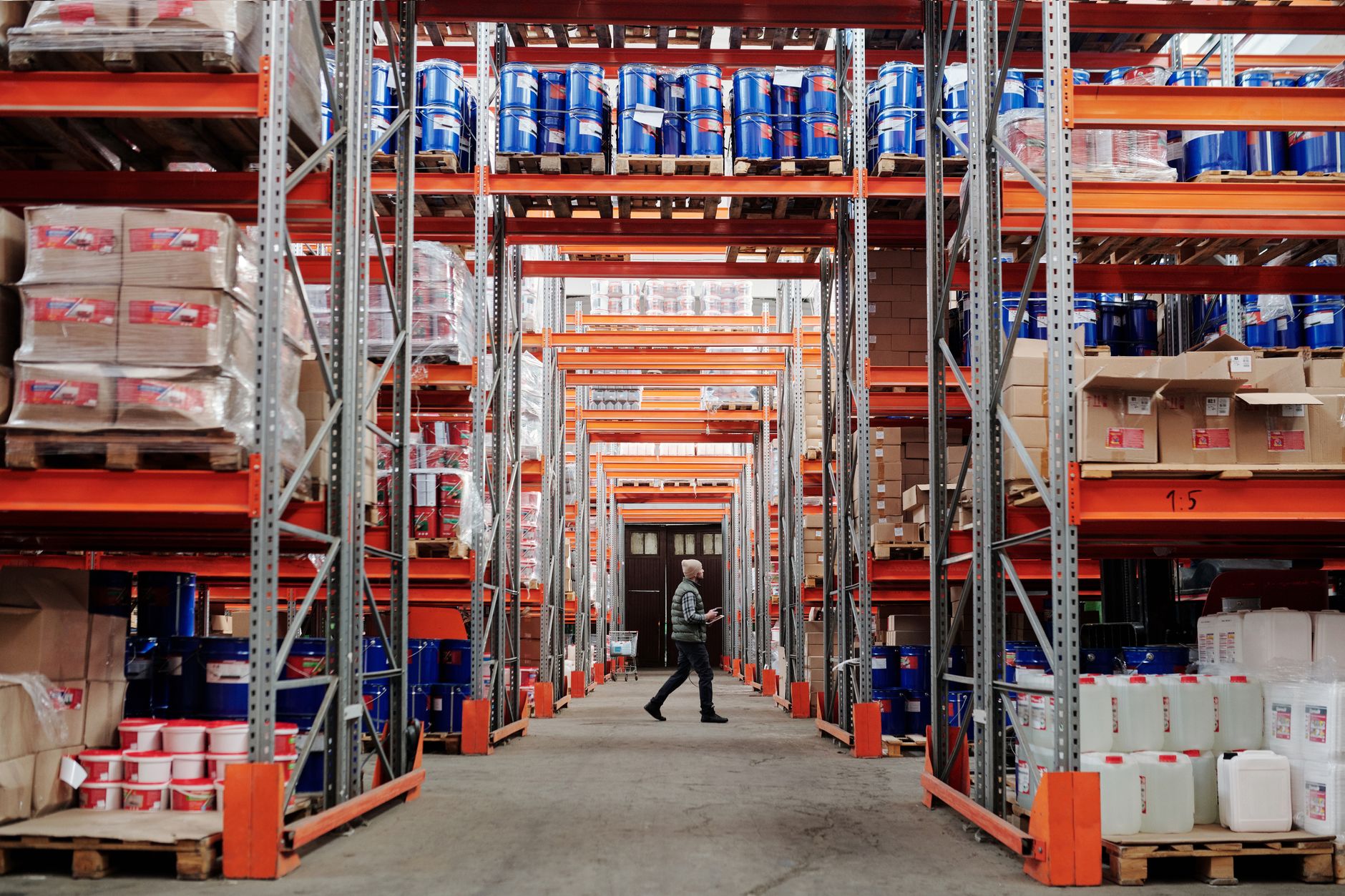
I run a 60,000-square-foot retail fixture warehouse where oversized display pallets sit on the floor, and two drivers move them alone every shift; could autonomous forklifts take those moves while we're short-handed?
Key takeaways
- Autonomous forklifts fit repeated, fixed-route oversized pallet moves, not every load in the building.
- Check each pallet's weight, height and overhang against the truck's limits before anything else.
- Pedestrian separation and load stability are the first safety design questions for this work.
- Staffing pressure is real, but a leased unit covers part of the shift, not all of it.
- Start with one leased unit on one lane, with a quote issued only after a free site assessment.
Can autonomous forklifts work in a retail fixture warehouse with oversized pallets?
A retail fixture warehouse holds display racks, shelving units and fixture pallets that do not fit standard load patterns. Oversized pallets sit on the floor in storage lanes until someone moves them to a staging spot, a rack or a dock. When two drivers cover every one of those moves on every shift, one absence or one slow stretch backs up the whole lane.
An autonomous forklift is a powered truck that follows a mapped route and carries out a set move without a driver on board. It suits the repeat part of this work, where the start point, the end point and the load type are known in advance. It does not suit the judgment part, such as deciding a load is unstable or clearing a blocked aisle, and a person still owns those calls.
So the answer depends on how much of your oversized pallet work is repeat work on fixed routes. The sections below show how to measure that, what the injury and staffing figures suggest, and how a leased pilot would start.
Which oversized pallet moves can an autonomous forklift take?
The best candidates are oversized pallets that move the same way many times a shift. A typical example is a display pallet pulled from a floor lane and placed at a staging bay, with the same two or three endpoints repeated all day. Those routes can be mapped once, checked on site and run again without a driver learning them from scratch.
Load limits come first. Each pallet has to sit inside the truck's rated capacity, its width, its lift height and its overhang tolerance. A pallet that wobbles, has loose wrap or changes shape under its own weight needs a person to restage it before the truck can take it, and that routine belongs in your written process.
Moves that change every time are the poor fit. These include loads placed by hand in ad hoc spots, one-off trips to areas nobody has mapped, and any move into a trailer where the dock plate and floor condition vary from door to door.
- Good fit: a fixed lane to staging move for one load type, repeated many times a shift.
- Good fit: staging to rack moves on aisles that stay clear and are mapped.
- Good fit: pallets that stay inside the truck's rated capacity and lift height.
- Poor fit: loads that overhang, shift or need re-strapping before they can be lifted.
- Poor fit: trailer loading and unloading where floor conditions change by door.
What do forklift injury figures mean for drivers working alone on heavy loads?
The National Safety Council reports 84 forklift-related work deaths in 2024, using BLS data. Each of those deaths is a serious event, and the hazards behind them are the ones a busy floor already contains.
The BLS forklift fact sheet, using 2017 data, found that pedestrian-related forklift injuries had the highest median days away from work, at 20 days. A warehouse worker safety guide from a staffing firm, citing BLS data from 2015, gives 20 days as the median for warehouse workers, against 8 days across other sectors. Warehouse injuries keep people off the floor for longer than most.
A NIOSH alert built on late 1990s and early 2000s data found that about 20% of forklift deaths involved a worker on foot struck by a forklift, and 22% involved overturns. An older NIOSH data set from the 1990s put overturns at about 25% of deaths. These figures are dated, but they point to the two hazards that matter most with oversized loads: people in the truck's path, and loads that tip the truck.
An OSHA estimate cited by a forklift safety compliance site puts the number of workers who operate powered industrial trucks at about 1.5 million. That is the wider pool of people trained to run these trucks, and it frames how common the job is across US industry.
Is staffing the real problem, and how high is forklift operator turnover?
A 2025 State of Warehouse Labor report from a workforce platform, which is a vendor publication, lists forklift operators among the roles respondents found hardest to staff, alongside pick and pack workers and shift leads. Most respondents reported facility-wide turnover below 10%. The report gives no forklift-only turnover figure, so that number does not show what happens on a single crew.
Forklift-specific turnover claims run higher. A forklift telematics vendor reports forklift operator turnover of 35 to 45% per year, a figure we could not verify. Vendors that sell operator tools have a reason to stress turnover, so check your own HR records for the last two years before you accept any outside range.
The operational point matters more than the rate. When one of two drivers leaves, the oversized move queue does not shrink. It waits until a replacement is trained, and a new driver needs time to learn the load types before working without supervision.
- Repeat moves on a fixed lane
Autonomous Forklift
Runs the same mapped route without fatigue or drift between shifts
Staff
Repeats well but tires, and the pace varies with the driver
- Judgment on a bad load
Autonomous Forklift
Stops or flags a load it cannot take, and cannot re-judge the stack
Staff
Reads the load, re-straps or restages it, and decides what is safe
- Covering absences
Autonomous Forklift
Runs the mapped lane only, and staff must redirect other work to cover gaps
Staff
Can move between lanes and cover a gap when a coworker is out
- Handling exceptions
Autonomous Forklift
Needs a person to clear an unmapped spot or a blocked aisle
Staff
Clears blockages, reroutes around them and reports the problem
- Off peak and overnight running
Autonomous Forklift
Works the lane without a driver on the floor, if your safety rules allow it
Staff
Needs breaks and supervision, and a second driver to cover absences
- Pedestrian awareness
Autonomous Forklift
Depends on mapped zones, sensors and staff keeping the route clear
Staff
Sees and responds to people in the path and can call a halt
How many hours of oversized pallet work could a robot take over?
We did not find a published figure for forklift hours per shift in retail fixture warehouses, and no floor area figure for that building type either. Treat any hour estimate as a placeholder until you measure it. Your move log should show pallets moved per shift, drive time between endpoints, and the minutes a driver spends waiting for a load or a clear aisle.
Adoption context helps set expectations. According to a 2026 warehouse automation analysis, autonomous mobile robots and AGVs are in roughly 10 to 15% of facilities, and full automation sits at about 3 to 5% of warehouses. That source is not verified as a primary study, but it suggests most sites are still early, which makes a staged pilot a normal first step.
Size coverage by lane, not by building. A leased unit runs the lane it is mapped for, while your drivers move between the remaining lanes, handle the loads the unit cannot take and cover breaks and absences. Plan the shift on that split before you assume any hour savings, and write the split into the pilot review.
What changes the answer for your building?
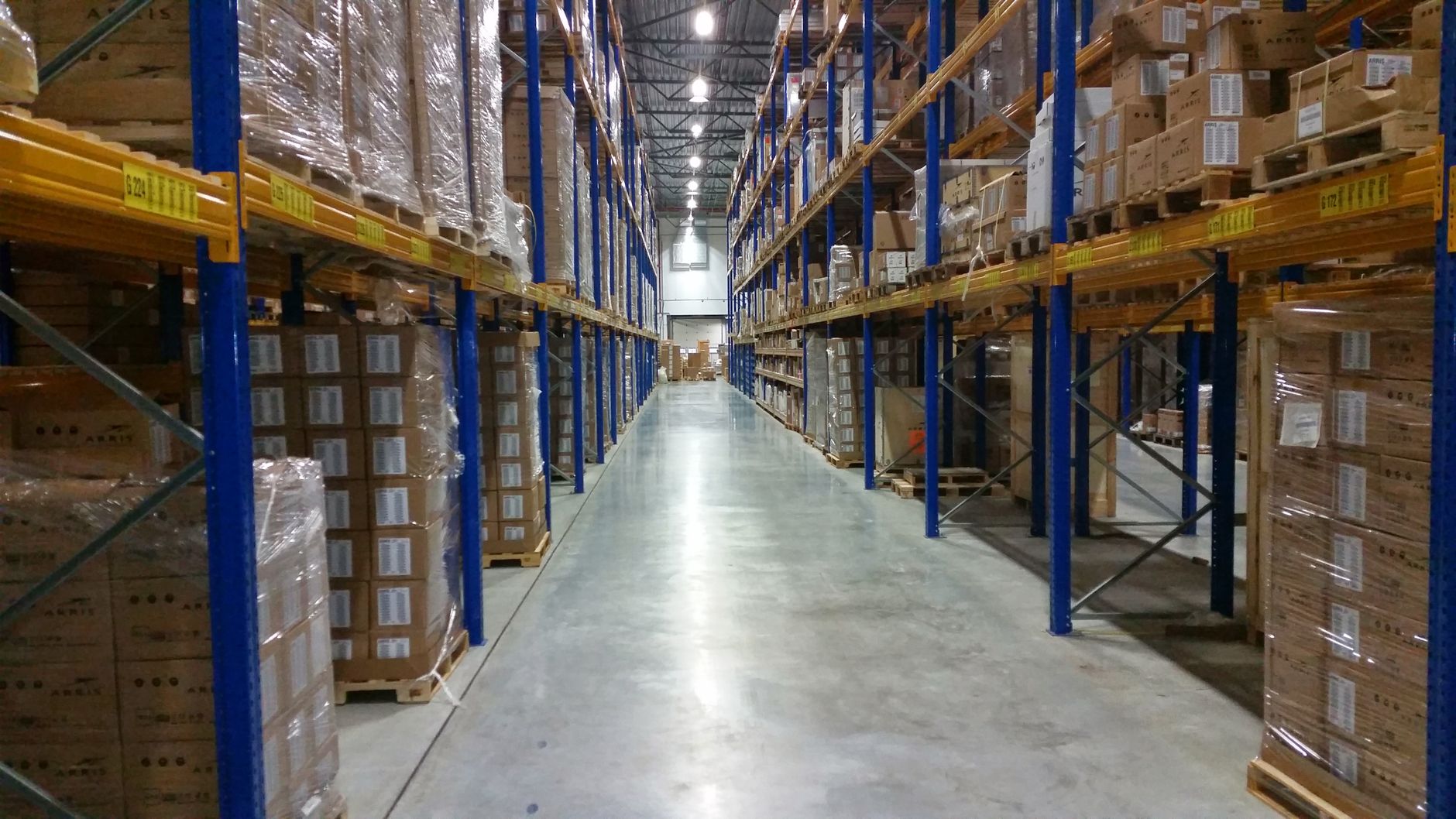
A few checks decide whether a site is a good fit, and each one should be measured on the floor rather than estimated from a plan drawing. A drawing shows the aisle as it was designed, while the floor shows where pallets actually sit, where staff walk and where the lane narrows.
Load fit is the first filter. A pallet that passes every other check but overhangs the truck's stable footprint still needs a manual route, and the same applies to any load whose height changes its stability. Weigh each common load type, measure its height and record its overhang, rather than relying on one example pallet.
Aisle and floor conditions are the second filter. Turning space, floor levelness, surface damage and sightlines decide whether a route can be mapped and held, and a route that needs constant manual clearing does not count as automated work. Pedestrian traffic and dock interfaces then set the zone design covered in the checklist below.
Who services the autonomous forklift and what happens when it stops?
Service often decides whether a pilot survives its first breakdown. We are OEM-neutral, so we choose the right unit across manufacturers for the site, lease it through financing, deploy and integrate it, train the staff and service each unit under our service plan. One partner holds the whole lifecycle, instead of several vendors to coordinate when a lane goes down.
Our service plan includes maintenance and is backed by regional service engineers in every state we service, so a fault goes to an engineer assigned to your region. The lease is financed, and the payment comes in a quote after a free site assessment, so the service terms and the lease terms are set together rather than in separate deals.
Ask any integrator what happens on the day a unit stops in a lane of oversized pallets. The answer should name who dispatches, how quickly a unit returns to service, and how the lane is covered in the meantime.
How would a leased autonomous forklift pilot start at a fixture warehouse?
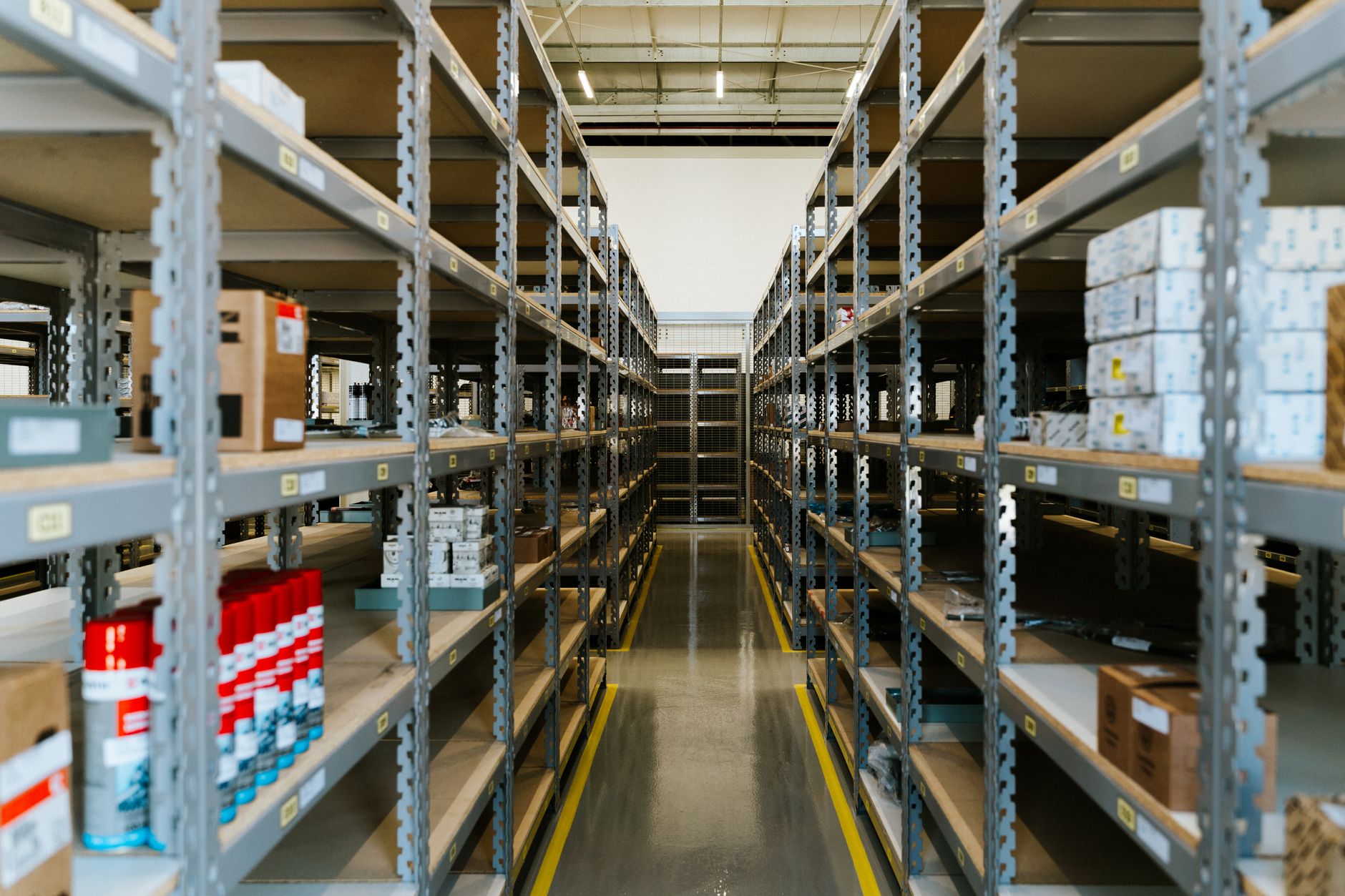
Start with a free site assessment. We map the lanes, measure the oversized pallet loads, and document the floor, aisles, pedestrian routes and dock interfaces. The lease quote comes after that assessment, so the numbers reflect your measured site rather than an assumed one.
A pilot usually starts with one leased unit on one lane. Staff train on the route and on the exception steps, the lease runs through financing with a fixed robot lease payment shown in the quote, and go live support checks the lane's move count against your log in the first weeks. The point is to learn how much of the oversized work is repeatable before you widen the scope.
Set the decision rule before the unit goes live. Choose the move count per shift and the driver time you expect to recover, then review the pilot against your own log on a fixed date. If the lane does not reach that count, the pilot still shows where the work really sits.
Frequently asked questions
Upcoming warehouses & 3pl events
Want an autonomous forklift at your warehouse floor storage lanes?
Tell us about your site. We will recommend the robot, quote the lease, and keep it serviced.
Sources
- BLS, Fatal occupational injuries involving forklifts (2017 data)
- National Safety Council, forklift injury facts
- NIOSH alert on forklift deaths (archived)
- Forklift Action, OSHA forklift accident insights
- Instawork 2025 State of Warehouse Labor Report
- FleetRabbit, reducing forklift operator turnover
- GlobeSt, warehouse automation analysis 2026
- Wonolo, warehouse worker safety guide