

The question, in the buyer's words
Our 110,000-square-foot stone slab warehouse in Ogden, Utah has two forklift drivers pulling heavy slabs from racks all day, and our sales staff walk the same aisles to show clients; could autonomous forklifts stage slabs without crossing customer paths?
Key takeaways
- Autonomous forklifts suit the repeated slab pull and stage cycle, not every one-off move.
- Slab racks and handling attachments decide fit more than the vehicle's travel path does.
- Sales aisles need physical separation or timed windows, since sensing alone cannot rule out crossings.
- Published data does not size turnover or stone-specific risk, so time your own cycle during a site assessment.
- Plan for winter docks and wet spring floors, and keep a person on exception work.
Can autonomous forklifts stage stone slabs in an Ogden warehouse?
Yes, for the repeatable part of the work. An autonomous forklift can run a fixed route between your slab racks and a staging lane, set and pull loads at the same points on each cycle, and return to a charging spot without an operator aboard. In an Ogden stone slab warehouse that cycle pays off most when slabs leave the racks in a predictable order and the staging lane sits away from the aisles where sales staff walk.
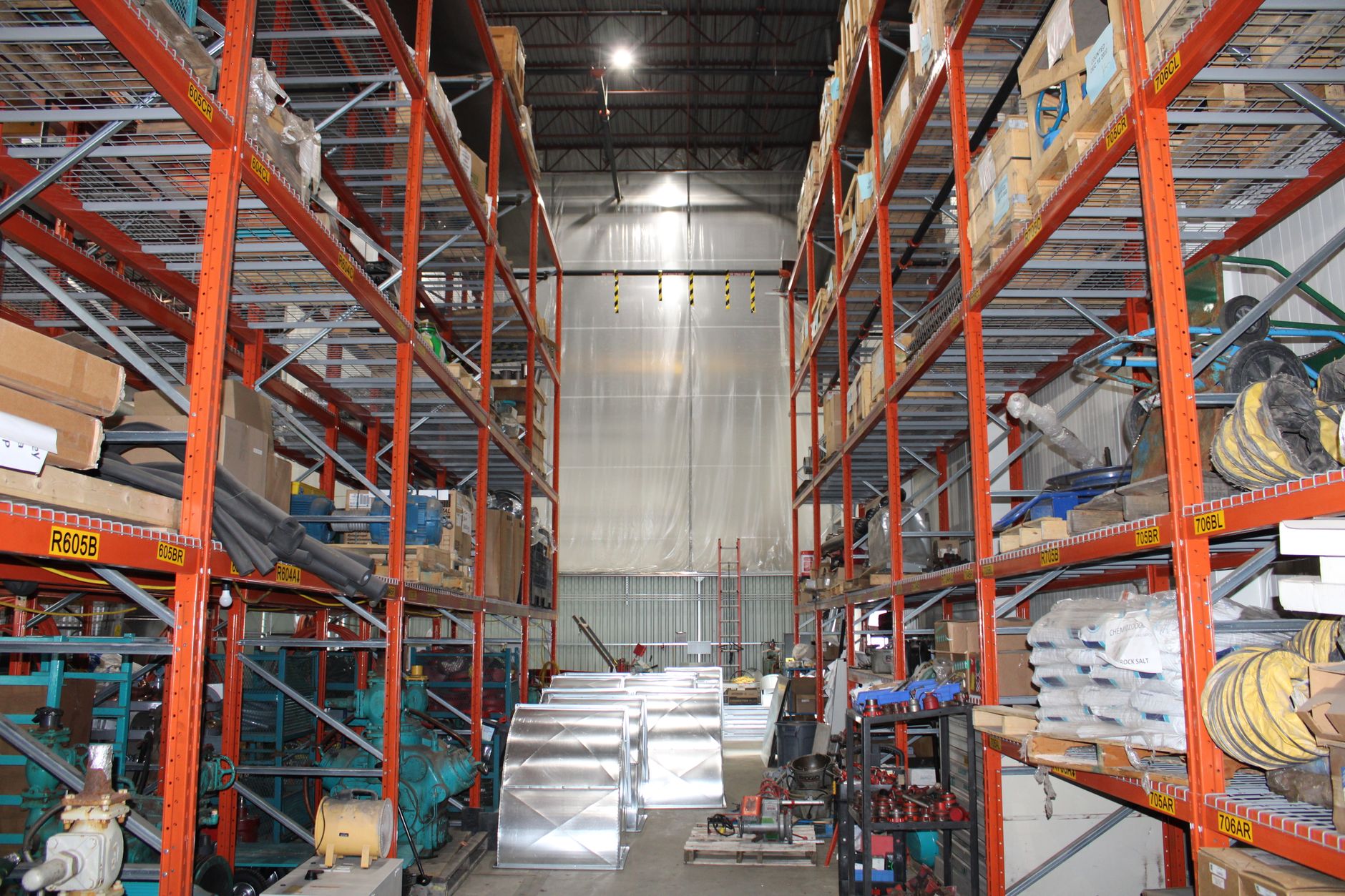
The limit is handling, not travel. Many autonomous units are built around pallets, while slabs are often stored on edge in A-frame or cantilever racks that call for a specific clamp or attachment and tighter clearances. Check the rated load at the load center, the attachment that grips your heaviest slab, and the turning radius in your narrowest lane, not the averages on a spec sheet.
Sales aisles are the question your staff will raise first. A robot's sensors can slow or stop for a person already in its path, but they cannot tell that a customer is about to step out from behind a rack. The safe design starts with the route: keep the unit's lanes and the showroom walk path apart by layout, barrier or schedule before you settle on a vehicle.
How much of the two drivers' slab work can a robot take over?
Most of the slab work your two drivers carry is probably repetitive pulls from known racks to known staging points, which is the part an autonomous unit handles well. Exception work is another matter. A damaged slab, a bundle that needs reorienting, a customer pull that changes the order mid-shift, or a rack that needs a manual check all stay with a person. Plan the robot as taking a share of the cycle, not as a replacement for both drivers.
We did not verify slab pull times for stone distributors in this review, and published sources do not measure them for this trade. Treat any hour figure as a guess until someone times several shifts. A site assessment should time the cycle on your floor, since that single measurement shows whether one unit covers the repetitive work or whether peak days need two.
Ask for the cycle definition in writing before you compare any savings. Find out what counts as a pull, whether staging includes wrapping or labeling, and whether the clock stops when a driver steps in for an exception. Two proposals can report very uneven savings from the same racks because they count steps in other ways.

What do forklift injury and fatality numbers mean for mixed traffic?
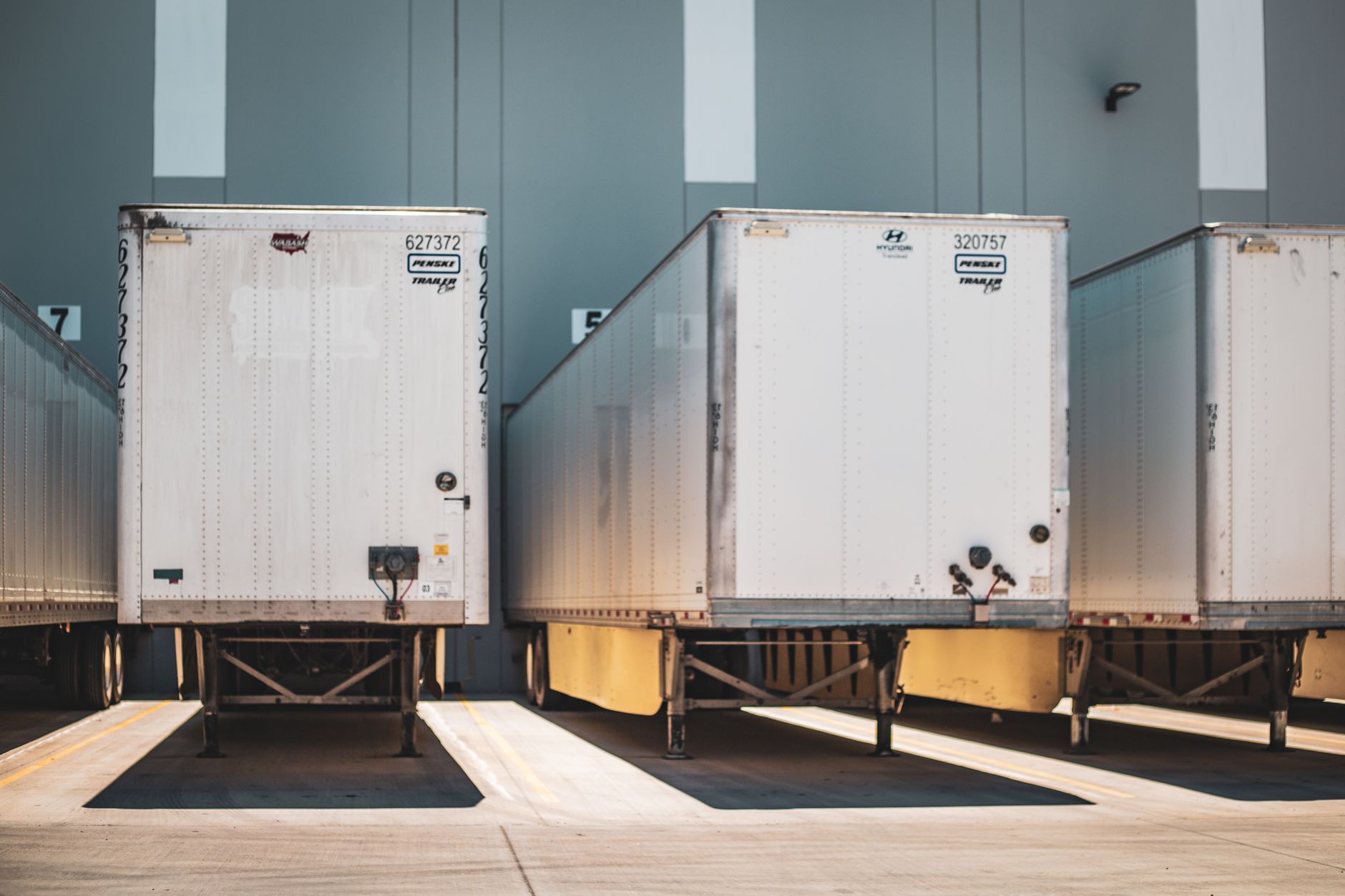
Forklift risk concentrates where trucks and people share floor space, and a showroom walk path is exactly that kind of shared space. Secondary summaries of National Safety Council and BLS data report 84 deaths in 2024 involving forklifts, order pickers, or powered platform trucks. We could not confirm that figure in the BLS table itself, so treat it as reported rather than verified.
The trend matters more than any single count. According to MHEDA's 2026 National Forklift Safety Day statistics, forklift-related deaths rose in 2024 even as overall U.S. workplace fatalities fell. The BLS release, as reproduced on pubt.io, reports 5,070 fatal work injuries nationwide in 2024, down 4.0% from 5,283 in 2023, so the forklift increase runs against the broader decline.
OSHA's powered industrial truck enforcement directive, which relies on older estimates, says about 1.5 million workers operate more than 855,900 powered industrial trucks, with roughly 85 forklift fatalities and 34,900 serious injuries per year. Those figures do not measure autonomous units, and they predate most autonomous deployments. They do show that the federal powered industrial truck standard, 29 CFR 1910.178, sets operating rules for the trucks themselves, and a site plan still has to cover the people who walk nearby.
Autonomous forklift or two trained drivers: which works better for a stone warehouse?
People win on judgment, and judgment matters with stone. A driver can see a chipped edge, a leaning bundle or a customer about to cross a lane, and can change the plan in seconds. An autonomous unit wins on repetition, consistent routes and fixed timing, including stretches when staffing is short.
The national picture gives the robot side some support, though not a warehouse-specific number. According to IFR's World Robotics 2025 report, as covered by Robotics and Automation News, 542,000 industrial robots were installed in 2024, more than double the count 10 years earlier. That figure covers industrial robots broadly, and we did not verify an installation count for autonomous forklifts in warehouses.
The comparison below is the honest version. The robot option helps most where the work is predictable and the traffic can be separated. The person option stays stronger wherever the job depends on reading a slab, a rack or a customer. A mixed setup is often the realistic answer.
- Repeat pulls on fixed routes
Autonomous Forklift
Runs the same route each cycle without breaks
Staff
Strong, but fatigue and breaks slow the cycle late in a shift
- Odd or damaged slabs
Autonomous Forklift
Needs a person, since sensors do not judge stone condition
Staff
Inspects, reorients and decides handling on the spot
- Mixed traffic with sales staff
Autonomous Forklift
Stops for people in its path but cannot predict a customer's next step
Staff
Reads the aisle, waves a customer clear and adjusts the move
- Shift coverage
Autonomous Forklift
Can run unattended in scheduled windows once validated on site
Staff
Needs staff on the schedule and handles absence through cover
- Changing layouts and new racks
Autonomous Forklift
Needs remapping and route updates handled by the integrator
Staff
Adjusts in the moment without reprogramming
- Cold, wet or snowy dock conditions
Autonomous Forklift
Depends on the rated operating range and floor sensing
Staff
Adapts by slowing down and checking footing
How do you keep sales staff out of the robot's path in Ogden?
Separation is a layout decision first and a sensor decision second. Physical barriers or floor markings at the boundary between staging lanes and showroom aisles give everyone a visible edge. Where the aisles cannot be split, use a timed window: run slab staging before the showroom opens or during a stated quiet period, and brief sales staff on when the lane closes.
Speed limits and pedestrian detection help but do not replace separation. A sensor that slows for a person is a backstop, and a customer who steps out from behind a tall rack may not give any sensor time to react. Ask the integrator to test stop distance with your heaviest load on your actual floor before go-live.
Write the sales rule down. Staff should know which lanes are active, which sightlines the unit cannot see, and who to call when a lane must reopen. A short walkthrough with the sales team during go-live support gives them the same picture the drivers have, which tends to ease the worry more than a spec sheet does.
Does Ogden's winter climate change the robot forklift decision?
Yes, mostly at the dock and on the main lanes. According to Visit Ogden's weather page, the city gets about 65.3 inches of in-town snowfall a year, and annual precipitation is about 24 inches, with spring usually the wettest season and summer the driest. Snow carried in on tires and boots, and wet spring floors, change traction and sensing, so the dock and the main lanes need a cleaning and inspection routine.
Winter temperatures add another layer. The same page gives January average lows around 20°F and January average highs near 35°F. According to US Climate Data, Ogden has a humid continental climate with large seasonal temperature swings. Cold affects battery performance and charging, so ask the vendor for the rated operating temperature range in writing and check it against your January dock, not the building average.
Seasonality also shapes the staffing plan. A unit on the same pulls every day gives steady coverage through spring and winter, but drivers still cover peaks, dock problems and snow days. Set the winter and wet-spring routine before the first hard freeze, not after the first missed shift.
What does the labor market mean for slab staffing in Ogden?
The national pool of operators is large and fairly steady. According to the BLS series reported by FRED, there were 584 thousand full-time wage and salary workers in industrial truck and tractor operator occupations in 2025, up from 582 thousand in 2024 and 583 thousand in 2023. Those counts cover full-time wage and salary workers only, so they are not the same measure as total jobs.
We did not find a verified Weber County figure for forklift operators or warehouse staffing in this review. The Utah Department of Workforce Services publishes employment by industry for Weber County, the county that includes Ogden, and that is the place to check local trade and transportation staffing before you set a plan. We also did not verify operator turnover or separation rates, so the cost of losing one driver for a week cannot be sized from published data here.
Utah also runs its own state-level workplace safety program, so ask the state office how it applies to powered truck training and mixed pedestrian traffic alongside the federal standard. Staffing should follow the split. If the unit covers the repetitive pulls, a driver's remaining job is exceptions and supervision, and you need a named person to cover that work when a driver is out.
How does leasing work, and when is an autonomous forklift the wrong fit?
Start with the honest disqualifiers. An autonomous forklift is the wrong fit if most slab moves are one-off or customer-driven, if the racks cannot be reached by the attachment you need, if sales traffic must cross staging lanes through the working day, or if the layout offers neither a physical break nor a timed window. In those cases the better answer is layout work or a changed handling method, not a bigger fleet.
If the fit holds, the route to a unit is a financed lease, with no large upfront capital decision. We are OEM-neutral, so the unit is picked for your site rather than from one manufacturer's line. We start with a free site assessment that maps the route and times the cycle. Lease terms come in a quote after that assessment, and then we lease the unit through financing, deploy and integrate it, train your staff, and service it under our service plan with regional service engineers.
Rollout can start small. One leased unit on the most repetitive route gives you a real cycle time, a walkthrough of the sales lanes, and a readiness check before any second unit. Ask for backup or spare-unit coverage in writing, since a unit down means the drivers take the slab cycle back until it returns.
- Most slab moves are one-off or customer-driven rather than scheduled
- Racks or slab sizes need an attachment the vehicle cannot match
- Sales staff must cross staging lanes throughout the working day
- The layout has no physical break and no workable timed window
Frequently asked questions
Upcoming warehouses & 3pl events
Put a robot to work in Ogden.
We walk your site, learn the job, and recommend the unit that fits. Then we quote the lease, deploy it, and keep it serviced.
Sources
- FRED, BLS series LEU0254523600A
- National Safety Council, forklift injury facts
- MHEDA, 2026 National Forklift Safety Day statistics
- BLS fatal work injury release, as reproduced on pubt.io
- OSHA powered industrial trucks enforcement directive
- IFR World Robotics 2025, as covered by Robotics and Automation News
- Visit Ogden weather page
- US Climate Data, Ogden Utah