
The question, in the buyer's words
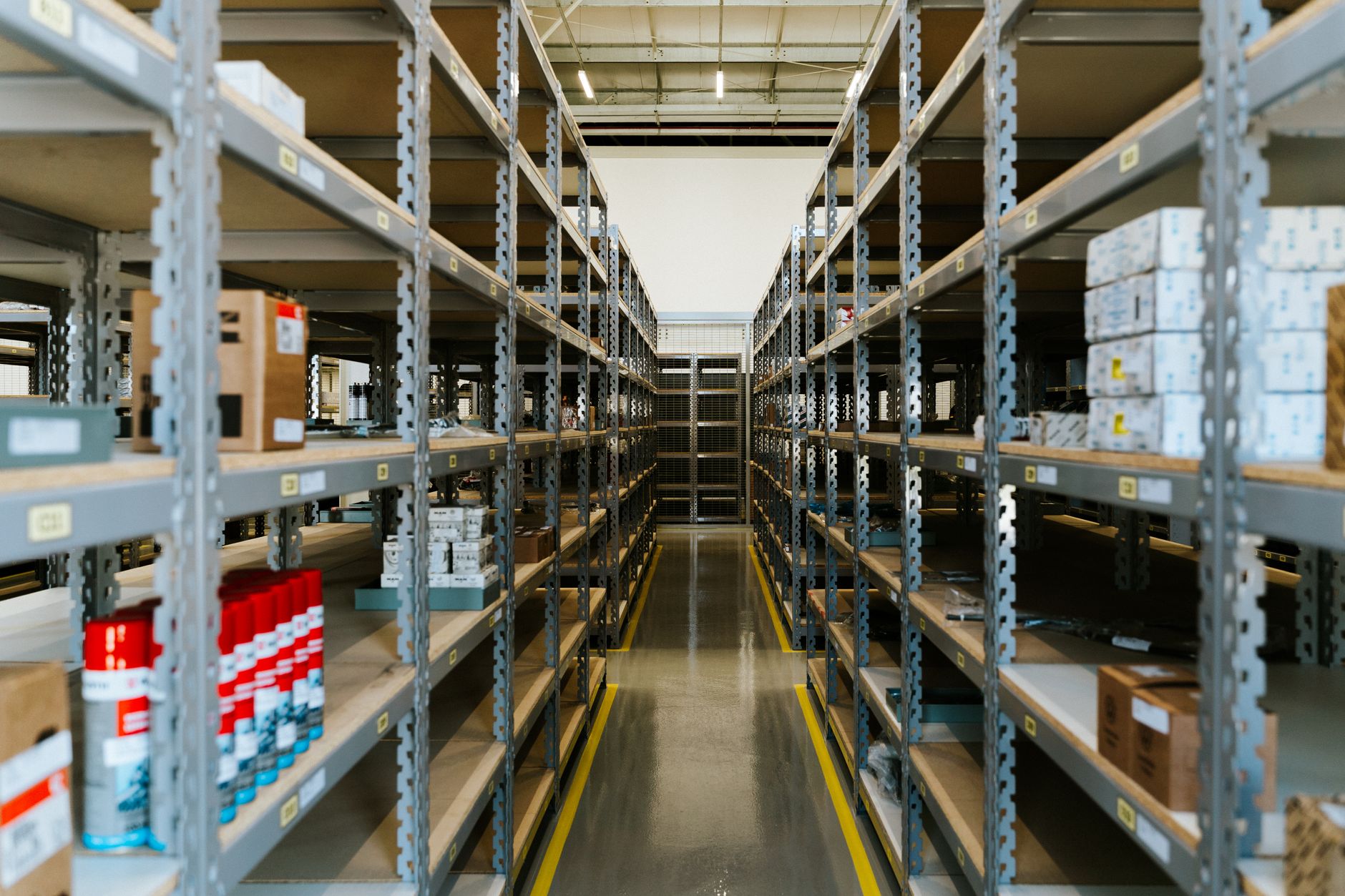
I run a 300,000-square-foot distribution center near Harrisburg, Pennsylvania with 40-foot racks, and our safety auditors check the upright frames by climbing lifts once a year; could drones fly the racking and flag bent uprights and damaged beams before anyone climbs?
Key takeaways
- A drone can screen for suspect bent uprights between annual checks, but it cannot yet replace the measured climb inspection.
- We found no independent validation that drones detect bent uprights accurately, so treat every drone flag as a lead for a human check.
- Indoor drone flights fall outside the FAA Part 107 outdoor rules, so facility policy and OSHA requirements govern them.
- Warehousing and storage employment in the Harrisburg-Carlisle metro was 17.1 thousand in 2025, so checks compete for a real local labor pool.
- Winter weather in Harrisburg affects exterior flights and battery run time far more than indoor racking passes.
Can a drone spot bent uprights in Harrisburg racking from the floor?
A drone can see what a person on the floor sees, plus the upper levels that a person on foot cannot read well. On a 40-foot rack, that means the upright faces, the perforations along the frame, the beam end connectors and the base plates, all photographed on a planned route. Those are the features an image can record, and they are what a flagging pass would look for.
Drone inspection is an emerging practice in warehouses, and most of what is written about it comes from the companies selling it. That does not make the approach wrong, but it means the claims about accuracy have not been checked by an independent party in the sources we reviewed.
What the research does not show is accuracy. We found no independent validation that drones detect bent uprights specifically, so any drone result should be treated as a lead for a qualified person to examine, not as proof that a frame is sound.
What do rack standards say counts as a bent upright?
Industry guidance on racking inspection asks inspectors to check uprights for plumb, straightness, dents and torn perforations, and to stop using a frame that is bent or kinked. The guidance we reviewed cites RMI and ANSI MH16.1 as its basis, according to an industry racking inspection blog. That gives your team a clear pass or fail test for what a drone should be flagging.
Deflection is where exact numbers matter. A racking inspection blog's excerpt of ANSI MH16.1-2012 says a gap greater than ½ inch in the down-aisle or front-to-back direction must be repaired or replaced. That edition may be out of date, so check the latest MH16.1 text before writing the threshold into your procedure.
Vendor guidance also says damaged uprights should be replaced rather than field straightened or welded. Any flag from a drone should therefore lead to a documented tag and a replacement decision, not a repair attempt at height.
Why can't a camera measure plumb and deflection reliably?
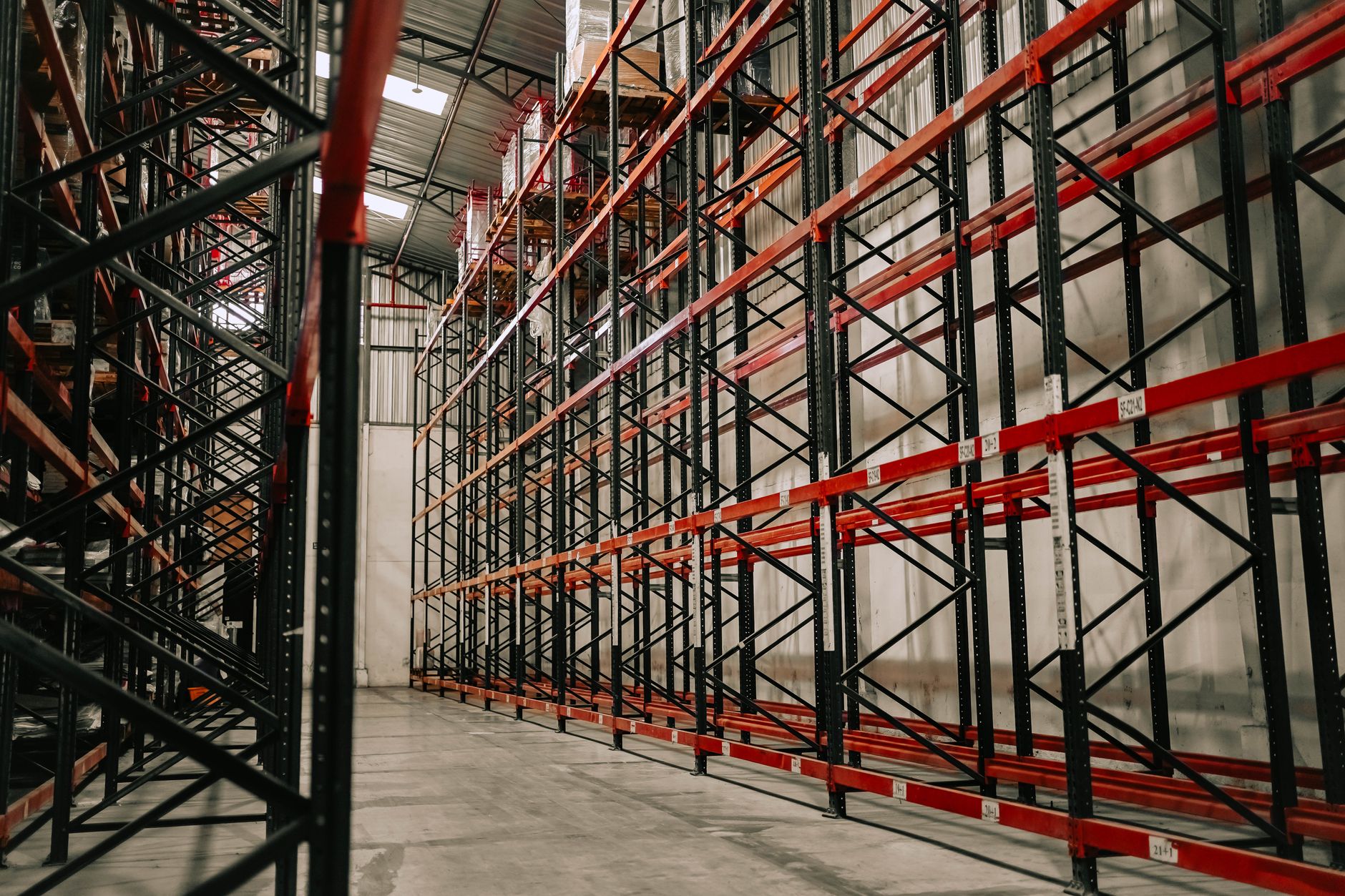
Plumb and deflection are measurements, not appearances. A half-inch gap at height is small compared with the size of a 40-foot frame, and a photo taken from the floor or from a hovering camera carries perspective and scale effects that change with distance and angle. Unless the camera position is controlled and the scale is calibrated, a picture can show that something looks bent without giving you the number the standard asks for.
Where a drone earns its place is coverage and repetition. It can fly the same route each month, produce comparable images over time and show which bays changed since the last pass. A person on a lift covers one bay at a time, and each climb takes the auditor off the floor for as long as the lift is up.
Put simply, the drone is a screening tool that narrows where the climb should go. It does not yet replace the measurement that a qualified inspector makes when standing at the frame.
- Coverage per pass
Drone
Flies a planned indoor route and images many bays in one pass.
Staff
Covers one bay at a time on a lift or ladder.
- Measurement
Drone
Produces images only. We found no independent validation of bend or plumb measurement.
Staff
Uses tape, level and plumb checks against the latest standard.
- Repeat frequency
Drone
Can repeat on a fixed schedule to show change over time.
Staff
Annual qualified inspection, plus daily walk-throughs by trained staff.
- Reach to upper levels
Drone
Sees upper levels from the floor, limited by aisle clearance and obstacles.
Staff
Needs a lift or climb to reach upper levels safely.
- Judgment on damage
Drone
Cannot judge whether a frame is safe beyond what the image shows.
Staff
Can decide whether a frame stays in service, and why.
- Tagging and sign-off
Drone
Flags only. A person must confirm each flag and tag any damaged part.
Staff
Can tag a frame out of service and sign the inspection report.
How often does a qualified rack inspection need to happen?

Vendor guidance we reviewed says a qualified person should inspect racks at least once a year, and more often as the damage potential rises. The same guidance describes typical inspectors as RMI-certified rack inspectors or registered professional engineers with pallet rack experience, according to a racking vendor blog. These are vendor descriptions rather than the text of the standard, so confirm the requirement with your insurer and the latest standards.
Interim checks are described as monthly detailed inspections by trained staff, plus daily operator walk-throughs. A drone pass fits into that rhythm as one more input. It does not replace the daily walk-through or the annual qualified inspection.
A drone run between annual checks does two useful things. It can catch new damage sooner, and it gives the qualified inspector a short list of bays to examine first, which makes the annual visit more focused.
What does the Harrisburg labor market mean for rack checks?
According to US Bureau of Labor Statistics data published on FRED, which was last updated April 10, 2026, warehousing and storage employment in the Harrisburg-Carlisle metro was 17.1 thousand in 2025, 17.0 thousand in 2024, 16.9 thousand in 2023, 17.3 thousand in 2022 and 15.5 thousand in 2021. Those figures describe the broader warehouse workforce, not your safety staff, but they show how much warehouse work sits in this metro.
A market page for the Harrisburg area, which is vendor-reported, says the region sits within a single-day drive of more than 40% of the US population. The same page describes two local sites of 331,000 sq ft in Harrisburg and 311,000 sq ft in Lemoyne, which gives a sense of how much racked space is in the local market.
For a safety manager, the labor question is practical. If the only way to see an upper frame is a climb, every annual check depends on having a qualified person and a lift available on the same day, and drone screening can reduce how much of that work has to happen blind.
How risky is warehouse work, and what do injury rates show?
According to a warehouse safety statistics article that cites BLS data, warehousing and storage recorded 4.8 recordable cases per 100 full-time workers in 2024, roughly double the all-industry rate. The article itself says to check the BLS tables directly, so treat the figure as a secondary report until you have confirmed it.
The same article reports a DART rate of 4.1 per 100 workers and 32 fatal injuries in warehousing in 2024, up from 28 in 2023. Those are secondary figures, so use them to frame the risk rather than to set targets for your site.
Every climb and every aisle walk carries exposure. Reducing unnecessary climbs is a legitimate goal, but only if drone results lead to the same qualified follow-up that the annual inspection provides.
Are drone flights allowed indoors at a Harrisburg warehouse?
The FAA's FAQ says Part 107 would not apply to operations conducted indoors, because its rules cover outdoor operations in the National Airspace System. An indoor racking flight therefore does not automatically trigger the outdoor rules that many people assume apply to all drone work.
Industry compliance guidance warns that flights crossing the building envelope, operating in exterior yards or using GPS near open doors may bring Part 107 into play. Indoors, OSHA rules and your facility policy still apply. This is not a legal opinion, so have counsel and your insurer confirm the approach before any flight starts.
Your written policy should cover who flies, who watches the drone, how flight areas are cordoned off during work, and how any images are stored, since rack photos can show people and site layout.
How do Harrisburg winters affect a drone rack check?
January is the coldest month in Harrisburg. According to NOAA 1991 to 2020 normals as reproduced on a third-party climate site, the January average high is about 38 °F and the average low is about 23 °F, with average precipitation of 3.0 inches and average snowfall of 9.0 inches.
Weather does not reach an indoor racking flight, but it does reach everything around it. Dock doors opened to cold air, exterior yard legs and trailer courts all sit outside an indoor scope. Cold batteries also lose run time, so test flight duration at your winter temperatures before you set a fixed route.
If your schedule relies on exterior flights, plan around snow and ice days. Indoor passes can keep running in winter as long as the aisles are clear and the flight area is controlled.
Where does a drone fit alongside staff and the climb inspection?
The best fit for a Harrisburg warehouse is a layered plan. Staff run daily walk-throughs, a monthly drone or ground camera pass screens for change, and a qualified inspector completes the annual check with measurement and tagging. The drone earns its place by shortening the time between a bent upright appearing and someone noticing it, not by replacing the measurement that makes the report valid.
We begin with a free site assessment, where we map the racks, check aisle widths and dock layout, and confirm what a drone can see and where it can legally and safely fly. The lease is quoted after that assessment, through financing. We then deploy and integrate the equipment, train your staff and service every unit under our service plan, backed by regional service engineers.
If a drone cannot read a known bent frame clearly on a test pass, that result is still useful. It tells you the screening method is not ready for your racks, and the annual qualified inspection becomes the only check you can rely on.
Frequently asked questions
Upcoming events in Harrisburg, PA
Put a robot to work in Harrisburg.
We walk your site, learn the job, and recommend the unit that fits. Then we quote the lease, deploy it, and keep it serviced.
Sources
- FRED, BLS state and metro data (Harrisburg-Carlisle warehousing and storage employment)
- FAA FAQ: Do FAA rules and regulations apply to commercial UAS or drone operations conducted indoors only?
- Racklify encyclopedia: warehouse drone safety regulations and compliance in the United States
- Damotech blog: ANSI MH16.1 excerpts
- Oxmaint: warehouse racking annual expert inspection
- Voxel AI: warehouse safety statistics
- EFW: Harrisburg warehousing market page
- Extreme Weather Watch: Harrisburg January climate