
The question, in the buyer's words
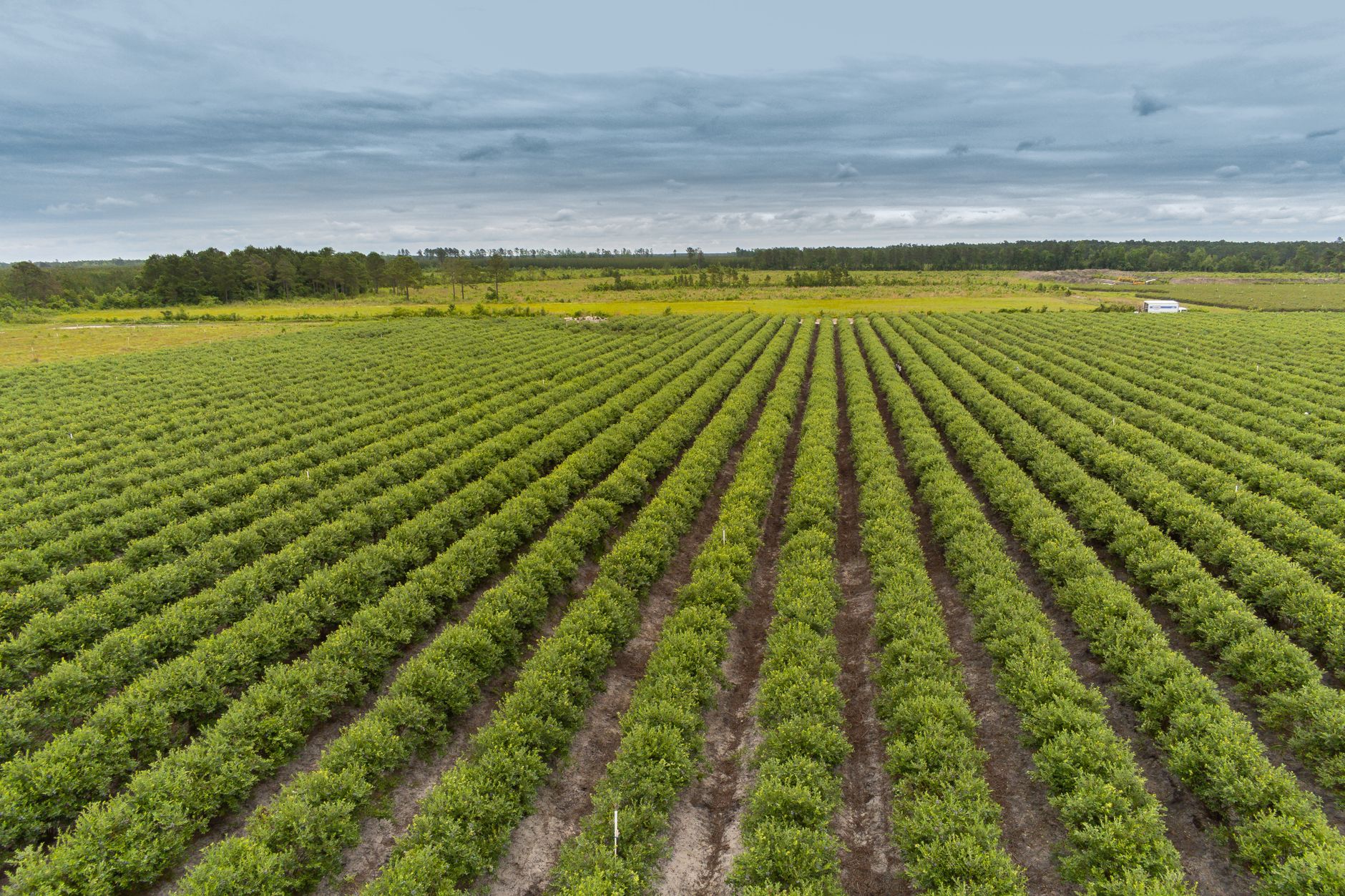
Our 90-acre blueberry farm relies on pickers hauling full flats by hand to the packing shed, and we can't staff every harvest day; could autonomous mobile robots carry full flats from the rows to the cooler?
Key takeaways
- No published case we found shows a mobile robot hauling full blueberry flats from rows to a cooler, so treat this as a pilot question.
- Hand picking runs about 24 to 36 pounds per hour in the sources we reviewed, so measure your own crew before changing anything.
- A carrier helps only where the row-to-shed route is repeatable on firm ground and pickers are the bottleneck.
- Producers named fruit quality as the main limit on machine harvesting, so measure pack-out in any trial.
- Start with a free site assessment and a lease quote after the route is mapped, not before.
Can mobile robots haul blueberry farm flats on harvest days?
A 90-acre blueberry farm that cannot staff every harvest day loses picking time in two places, in the rows and on the walk to the packing shed. The question you are asking is narrower and worth testing carefully: whether autonomous mobile robots can take full flats from the rows to the cooler so pickers spend more hours on the bush. We searched for published evidence that a mobile robot has done this job on a blueberry farm and found none. The research we reviewed covers harvest-picking robots, mechanical harvesters and bin-collection systems, which are different jobs with different ground and fruit conditions.
That gap matters for the decision. A pilot on your own rows can answer the question, but the published record does not yet say how well a haul robot handles soft fruit, wet ground, long carries or a cooler door that a person must open. Read this page as a way to set up that test and to decide what to measure, not as proof that the robot will work on your farm.
According to a UF/IFAS extension publication, US harvested blueberry acreage rose from 40,820 acres in 2000 to 99,400 acres in 2021, so more farms are weighing the same harvest labor tradeoffs. The rest of this page covers hand harvest today, where a short crew loses time, what mobile robots have shown in berry and fruit rows, which route setups fit, how a pilot compares with hiring or changing harvest timing, what a leased pilot involves, and what to check before any quote.
How fast does hand harvest move on a blueberry farm?
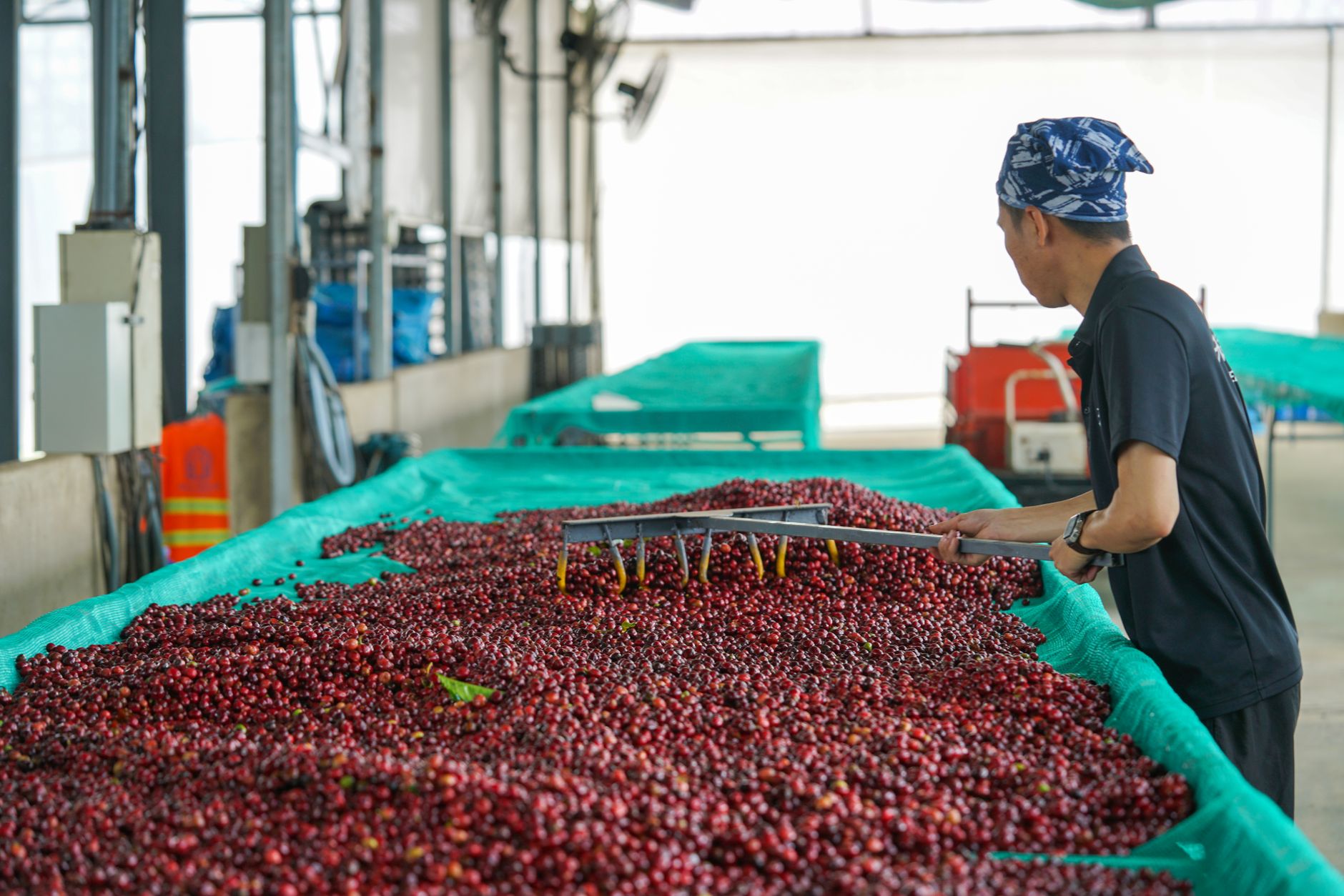
Hand harvest is usually measured in pounds picked per worker per hour, and the published numbers vary by year and by employer. According to a UC Davis summary of US Department of Labor data, harvest workers picked an average 36 pounds of blueberries an hour in 2019, while other years in the same table show about 28 to 33 pounds per hour. Those averages describe whole crews on whole farms, so your own harvest records are the better baseline.
Employer standards can sit lower than the averages. A 2024 Mississippi DOL H-2A job posting sets a standard of 24.0 pounds per hour, a government listing that shows how a standard is written into a job order. Use the standard your crew is already held to, and compare it with your own pounds per picker per day during a short-handed week.
Pounds picked is not the same as pounds sold. The 2026 Georgia DOL H-2A posting we reviewed states that fresh-market berries must not be picked wet, and that defective fruit is discarded. A crew that picks quickly in wet conditions can lose pack-out, so a haul robot that speeds up carries must not push picking into wet or rushed work.
Where does a short-handed harvest lose time?
When a crew is short, ripe fruit waits in the rows and picking time shrinks. Much of the lost time is not the picking itself. Every full flat that a picker carries to the shed takes that person out of the block, and each walk back to the row is time the fruit keeps waiting. The carry is often the part of the day that nobody measures.
Research on robots in fruit rows gives a sense of what changes when non-picking time falls. In a strawberry co-robot trial by Peng et al., at a ratio of one robot to three pickers, harvesting efficiency rose about 10% and mean non-productive time fell 60%. Those are field trial results from a different crop with a different robot task, so they show the kind of gain worth measuring on your farm, not a forecast for your blocks.
Worker safety belongs in the same count. According to BLS data in its 2015 table, fruit and tree nut farming recorded 171.9 days-away-from-work cases per 10,000 full-time workers. Repeated carries of full flats are a lifting task, so cutting carries could reduce strain, but the published figures do not isolate flat carrying, and a pilot should track it directly.
What have mobile robots shown in berry and fruit rows?
The best-supported results cover robots that move bins or assist pickers, not robots that carry hand-picked flats. A USDA NIFA project at Washington State University reports that multi-robot bin collection methods cut collection time by up to 30% in an orchard simulation. That is a simulation result rather than a field test, and bins and flats are different loads on different surfaces.
Trials of picking assistance show a different pattern. The strawberry co-robot work reported gains in efficiency and a large drop in non-productive time, which suggests that robots help most when they remove waiting and walking from the picker's day. Whether a robot can take over flat carrying with soft fruit has not been published as a field result in the sources we found.
Some of the wider material on berry robots comes from vendors and trade blogs. We treat those figures as unverified and plan around the trial and simulation data instead, because they show what was measured and under what conditions.
Which mobile robot setup fits a row-to-cooler haul?
An autonomous mobile robot for this job would travel a repeated route, collect loaded flats at staging points along the rows, and deliver them to the shed or cooler. That setup fits firm, level ground and a path that stays the same from one picking day to the next. It fits less well where rows vary in length, where wet soil turns the route to mud, or where pickers load flats at many scattered points across a block.
The unknowns decide the answer, and most of them are facts you already have. Flats per trip, the walking distance today, the slope and surface between the rows and the shed, and whether the cooler door can be reached without a person are not things published data can supply for your farm. A site assessment turns those facts into a route map and a yes or no for each block.
A robot should not be expected to replace a picker. A realistic first job is to take over the carries on the most repeatable route in one block, then measure whether pickers spend more of the day in the rows. If that measure does not move, staffing and harvest timing are the better levers, and the robot is not the right fit for this farm.
- Route
Autonomous Mobile Robot
Repeats the same mapped path on firm, level ground
Staff
Adapts to any row, any surface and any load
- Setup time
Autonomous Mobile Robot
Needs a site assessment, mapping, training and go live support first
Staff
Can start the same day if people are on the crew
- Harvest day availability
Autonomous Mobile Robot
Runs the schedule you set, subject to service coverage
Staff
Depends on who shows up on the day
- Soft fruit handling
Autonomous Mobile Robot
Not yet shown in published flat carrying results
Staff
Judges ripeness and handles soft fruit by hand
- Pack-out
Autonomous Mobile Robot
Unknown until a trial compares it with hand-carried blocks
Staff
Trained pickers avoid wet and defective fruit
- Worker strain
Autonomous Mobile Robot
Can remove repeated carries from the route
Staff
Repeated lifting of full flats carries strain risk
How does a robot pilot compare with hiring or changing harvest timing?
Each option fails in a different place. A robot pilot depends on ground, route and service coverage. Hiring depends on who is available on the day, and that varies with the local labor pool. Changing harvest timing depends on fruit ripeness and buyer schedules, which may leave fruit on the bush for longer than a grower wants.
The honest comparison is not robot against people. It is which option clears the bottleneck you actually have. If the bottleneck is flat carries on one route, a pilot can test that directly. If it is picker count across the whole farm, a single carrier will not solve the shortfall, and the answer is in crew planning, recruiting and how much fruit is picked at once.
A 2018 HortTechnology study surveyed 223 blueberry producers in seven US states and one Canadian province, with data collected in 2015 and 2016. Eighty percent of producers said fruit quality was the limiting factor for machine-harvested fresh-market blueberries, and 45% would be interested in a modified harvest-aid platform if quality, efficiency and cost held. Quality is the first test for any automation that touches the fruit, and because the survey predates recent labor changes, its shares are a starting point rather than a current measure.
What would a leased robot pilot involve?
We are a full-service commercial robot integrator for US businesses. We choose the robot for the site across manufacturers, lease it through financing, deploy and integrate it, train staff, and service it through our service plan, backed by regional service engineers in every state we service. One partner covers the lifecycle, so the same team that maps the route also trains the crew and responds when a unit needs attention.
The first step is a free site assessment. For a farm, that means mapping the rows, the staging points, the route to the shed and cooler, the ground surface, and any slopes or wet spots, then giving a yes or no for each block. The lease payment comes in a quote after that assessment, so no terms are set before the route is known.
A sound pilot starts with one leased unit on one route in one block during a harvest window. Name the measure before the first trip, such as pickers' non-carry time, flats delivered per hour and pack-out at the shed compared with hand-carried blocks. That gives you data on your own ground before any decision about the rest of the 90 acres.
What should you check before deciding?
Before accepting a quote, check the facts that decide whether a haul robot fits. The list below shows what changes the answer, and most of it can be settled during a site assessment and a short trial rather than by argument.
Decide the success measure in advance. If you cannot state a number in pounds, flats or minutes, the pilot cannot tell you whether to expand, and the season may end before you know. Pair that measure with a pack-out check so that speed does not hide a quality loss.
If the honest answer after the assessment is no, the right next step is crew planning, recruiting and harvest timing, not a robot. A clear no saves a season of effort, and that outcome is a useful result of the process.
Frequently asked questions
Want a warehouse robot at your blueberry farm rows?
Tell us about your site. We will recommend the robot, quote the lease, and keep it serviced.
Sources
- UF/IFAS extension publication FE1123
- UC Davis summary of US Department of Labor data
- Mississippi DOL H-2A job posting
- Georgia DOL H-2A job posting
- HortTechnology 2018 producer survey
- Peng et al., strawberry co-robot field trials
- USDA NIFA project on in-orchard bin management
- BLS survey of occupational injuries and illnesses, 2015 table