
The question, in the buyer's words
Our 250-acre hunting preserve has food plots and firebreaks that need mowing every few weeks, and our one caretaker works alone; could robotic mowers handle the firebreaks without tearing up the food plots?
Key takeaways
- Robots suit firebreaks kept as low turf or grass, not tall or woody brush.
- Food plots must be mapped as no-go zones or sit outside the break before the first pass.
- Vegetation type sets how often a break needs cutting, so test the every few weeks schedule against your own growth.
- A robot takes the routine passes, but a caretaker still walks the breaks and handles repairs.
- Ask for commercial slope and vegetation limits in writing before you commit.
Can robots mow preserve firebreaks without damaging food plots?
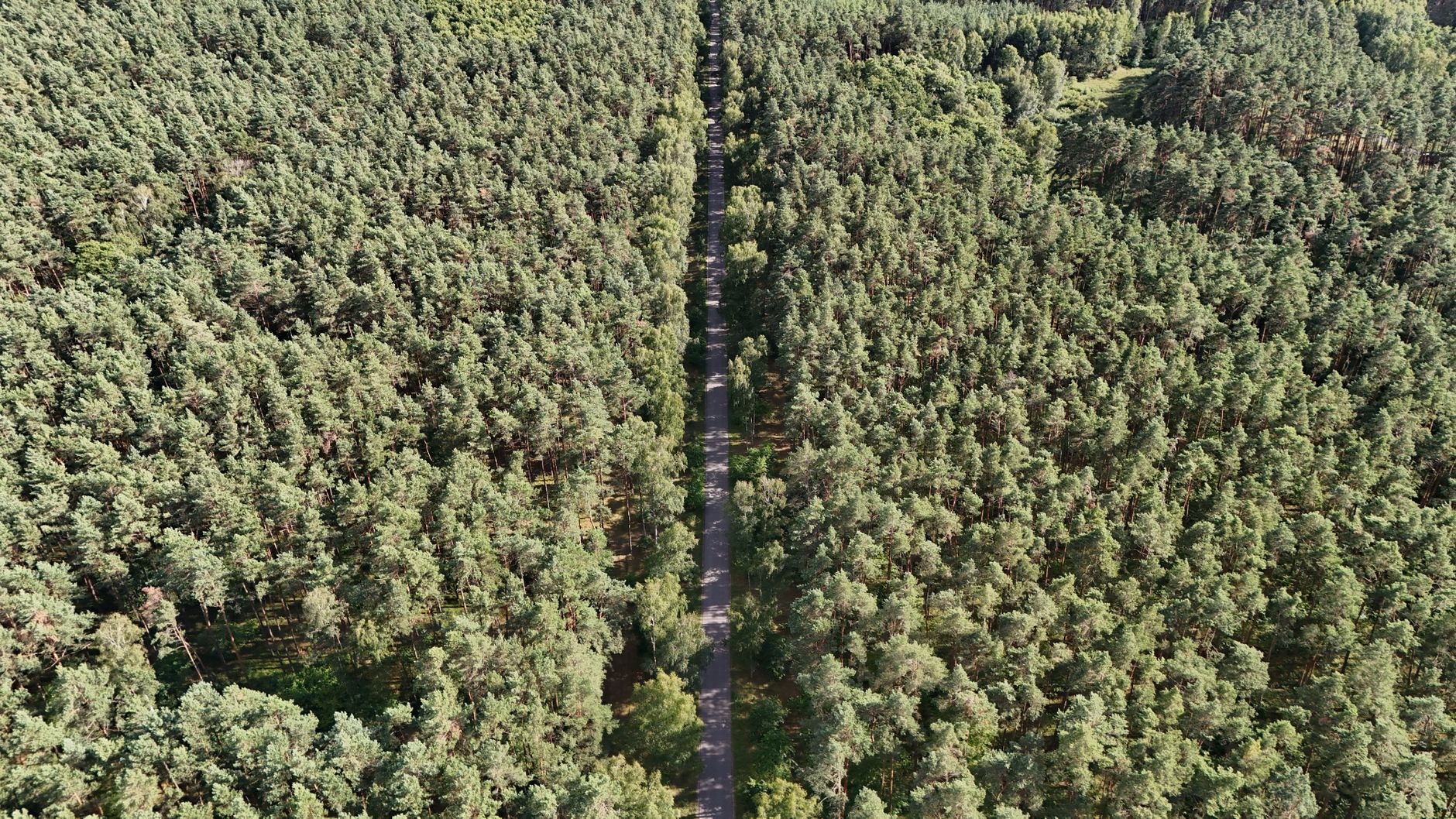
A firebreak on a hunting preserve is a strip kept short so a fire has less fuel to carry across it. In most places it is turf, grass, or low brush along a road, a field edge or a plot border, and the cutting interval is set by your fire plan and your local rules. A mowing robot is built for exactly this kind of repeated cutting on a fixed route, so the firebreak itself is usually the easier half of the job.
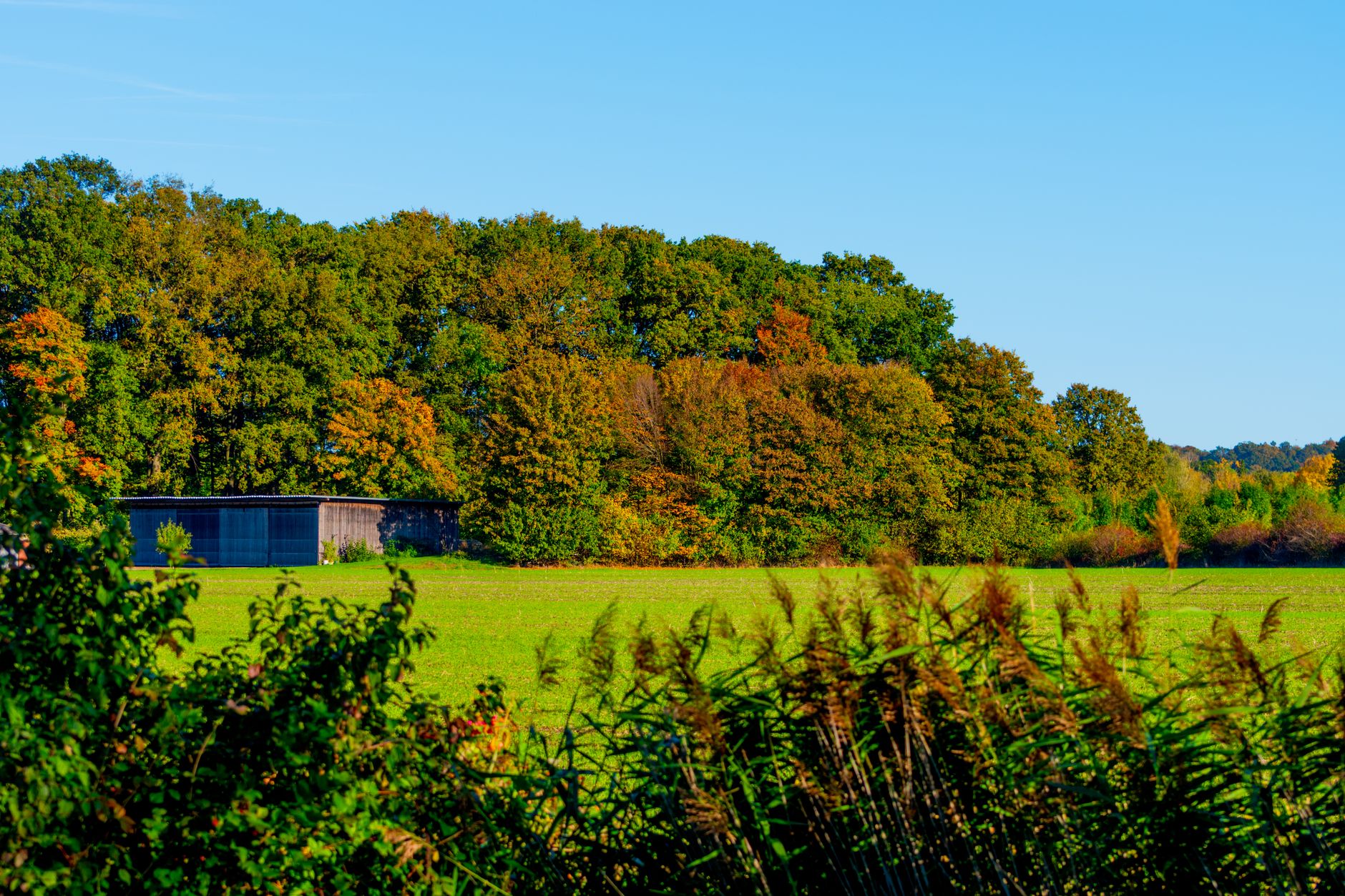
Food plots are the harder half. Clover, brassica and grain plots sit in the same soil, on the same edges, and sometimes inside the strip you mow, and a plot is a crop you want to keep, not turf you want short. A robot will not know a plot is a plot unless you tell it, so plots must be drawn into the map as no-go zones before the first pass, or the break must be laid out so it never runs through them.
The short answer is yes for most firebreaks and no for any break that runs through plantings. The sections below cover what a robot can and cannot cut, how the work compares with a person, and what to check before a unit goes on the land.
What can a robot cut on a preserve firebreak?
Most lawn-type mowing robots are built to keep regularly cut grass short. They are not built to clear tall, woody or dense brush, so a break that has grown out will need a clearing pass by a person or heavier equipment before the robot can hold it. The practical plan is to bring a break under control once and then keep it there, because a robot holds a break well but does not reclaim one.
Local rules set the target. According to Rocklin, California's 2024 vegetation standard, mowing, discing or blading may be used to create a firebreak, and combustible growth inside the firebreak is capped at 4 inches. A robot is one of several accepted methods, and the height cap is the number to plan the route around.
Texas A&M AgriLife extension material says mowing or shredding fuel along the edge of a burn unit lowers flame height and intensity, so the break can be narrower. A kept-low break is worth more than a wide one that grows back between cycles.
Treat food plots as a separate job. A break that touches a plot needs a buffer, and the buffer belongs in the layout decision, not in an afterthought. Ask your fire authority how it measures the break when a plot sits beside it, since that answer sets how far the mapped boundary must stay from the plot.
How do robot mowers compare with a caretaker on firebreaks?
Robots and people each win different parts of the job, and public agencies that cut fuel with equipment show the trade. According to city figures as relayed in a vendor press release, the City of Vallejo, California added three remote-operated robotic mowers, partly to protect over 8,000 acres from fire hazard. A news report says Caltrans District 6 uses remote-control bush mowers for roadside fuel reduction, to keep crews away from traffic and reach areas larger equipment cannot.
The comparison below is about the caretaker's day, not the machine's brochure. A person wins on tall brush, sudden changes in the ground, and any decision about what to leave standing. A robot wins on repetition, on running the same route the same way, and on not needing a second person on the seat.
- Routine passes on a fixed route
Robotic Lawn Mower
Runs the mapped passes without an operator on the seat
Staff
Needs someone on the seat or walking the route on each cycle
- Tall or woody brush
Robotic Lawn Mower
Built for regular turf cuts, so brush needs a clearing pass first
Staff
Can switch tools, clear the growth and judge what to leave standing
- Food plot edges
Robotic Lawn Mower
Stays inside the boundary and no-go zones it was given
Staff
Sees plot edges, animal trails and new growth, and adjusts on the spot
- Steep or uneven ground
Robotic Lawn Mower
Limited by the model's rated grade
Staff
Routes around ruts, washouts and slopes
- Off hours
Robotic Lawn Mower
Runs on a schedule without a worker present
Staff
Needs overtime or daylight work
- Faults and repairs
Robotic Lawn Mower
Needs service dispatch and a person to diagnose the fault
Staff
Fixes many faults on site with hand tools
How many hours does firebreak mowing take a lone caretaker?

The research did not find a published hour count for a preserve firebreak pass, so the hour figures here come from one fuel break job. According to city figures as relayed in a vendor press release, fuel mitigation at one dam would take 12 or more contracted hand crews one day, and the remote-operated units cut the task to four hours. That job was one dam, not a preserve, so measure a full pass of your own breaks before you set a target.
Labor is the other side of the same question. According to the US Bureau of Labor Statistics, grounds maintenance workers held about 1.3 million jobs in 2024, and employment is projected to grow 4% from 2024 to 2034, about as fast as the average for all occupations. The same source projects about 171,600 openings each year on average over the decade. These are national figures for the occupation, not preserve data, but steady openings do not help a single preserve find a trained caretaker quickly, so one worker remains a single point of failure.
Does a mowing robot lower the risk for a worker alone?
Mowers cause a real number of injuries. According to a NEISS-based study summarized by LER magazine, the mean was 19,149 lawn mower-related lower extremity injuries per year from 2000 to 2022. That is a secondary report, so check the study itself before quoting it to a board, but the exposure it describes is the operator and the blade on every pass, which a lone worker carries alone.
A robot takes the operator out of routine passes, which removes that exposure for the cut itself. It does not remove the hazards that remain: servicing blades, lifting a unit at the charger, and walking a break on foot. Write a short safety plan that covers those tasks, and check whether your insurer or fire authority requires any extra steps.
What should you check before you assume the robot fits your land?
Start with the map. Every food plot, planted edge, creek, fence line and gate needs to be on it before the first pass, and each break should be marked with its vegetation type and its slope. Consumer robot mowers publish working slope limits, and no commercial grade specification sheets turned up in this review, so ask for commercial figures in writing for each break you plan to route.
Vegetation type sets the interval. According to a Marin-area fuelbreak maintenance study hosted by the California Invasive Plant Council, broom-dominated roadsides needed mowing every 6 to 12 months, while native-dominated areas needed it every 3 to 5 years. A cycle of every few weeks on your breaks says the growth is fast, which is a reason to measure your own growth before sizing a robot schedule around it.
Think about the single point of failure. If the caretaker is the only person who knows the boundaries and the charger, a fault on one unit can stop the cycle until someone is back on site. Ask how a fault is reported, how quickly a repair can be dispatched in your state, and whether a spare unit is part of the plan.
How should a 250-acre preserve set up a robot firebreak program?
A 250-acre property will likely have several breaks, so plan the route as a set of passes rather than one loop. Put the charging station where the caretaker can reach it without crossing a plot, and keep the first run short so you can watch the unit work a single break before adding others. Run the first few cycles in daylight so the caretaker can see how the robot handles grade changes and plot edges.
Keep a person in the loop for the decisions a robot does not make. The caretaker decides when a break has grown past what the robot should cut, when a plot has moved, and when a route needs a clearing pass. The robot does the repeat work, and the caretaker keeps the judgement and the walk.
Plan maintenance into the schedule. Blades, sensors and batteries need checks, and a seasonal review of the map keeps the no-go zones current as plots move from year to year.
How would leasing a firebreak robot for a preserve work with us?
Service Robot Co. is an OEM-neutral commercial robot integrator for US businesses. We pick the right robot across manufacturers for your breaks, lease it through financing, deploy and integrate it, train your staff, and service every unit under our service plan. Regional service engineers cover each state we service, so one party handles the robot, the mapping and the service calls.
Our first step is a free site assessment. We walk the breaks and food plots, record vegetation and grades, and map the no-go zones. If a break is tall brush or steep ground, we will say so in the assessment and recommend clearing it first or leaving that break to a person. The lease payment comes in a quote after that assessment, so it reflects your actual breaks rather than a guess.
Start with one leased unit on the break that gives the clearest test, and add units only after the map and the service response are proven on the land.
Frequently asked questions
Want a robotic mower at your hunting preserve firebreaks?
Tell us about your site. We will recommend the robot, quote the lease, and keep it serviced.
Sources
- US Bureau of Labor Statistics, Occupational Outlook Handbook: Grounds Maintenance Workers
- US Forest Service, Ocala National Forest fuel reduction mowing project
- Rocklin, California 2024 vegetation maintenance standard
- Marin-area fuelbreak maintenance study, California Invasive Plant Council
- City of Vallejo figures as relayed in a vendor press release
- ABC30 report on Caltrans District 6 crews and mowing robots
- LER magazine summary of NEISS-based lawn mower injury study
- Texas A&M AgriLife Extension, prescribed burn firebreaks