
The question, in the buyer's words
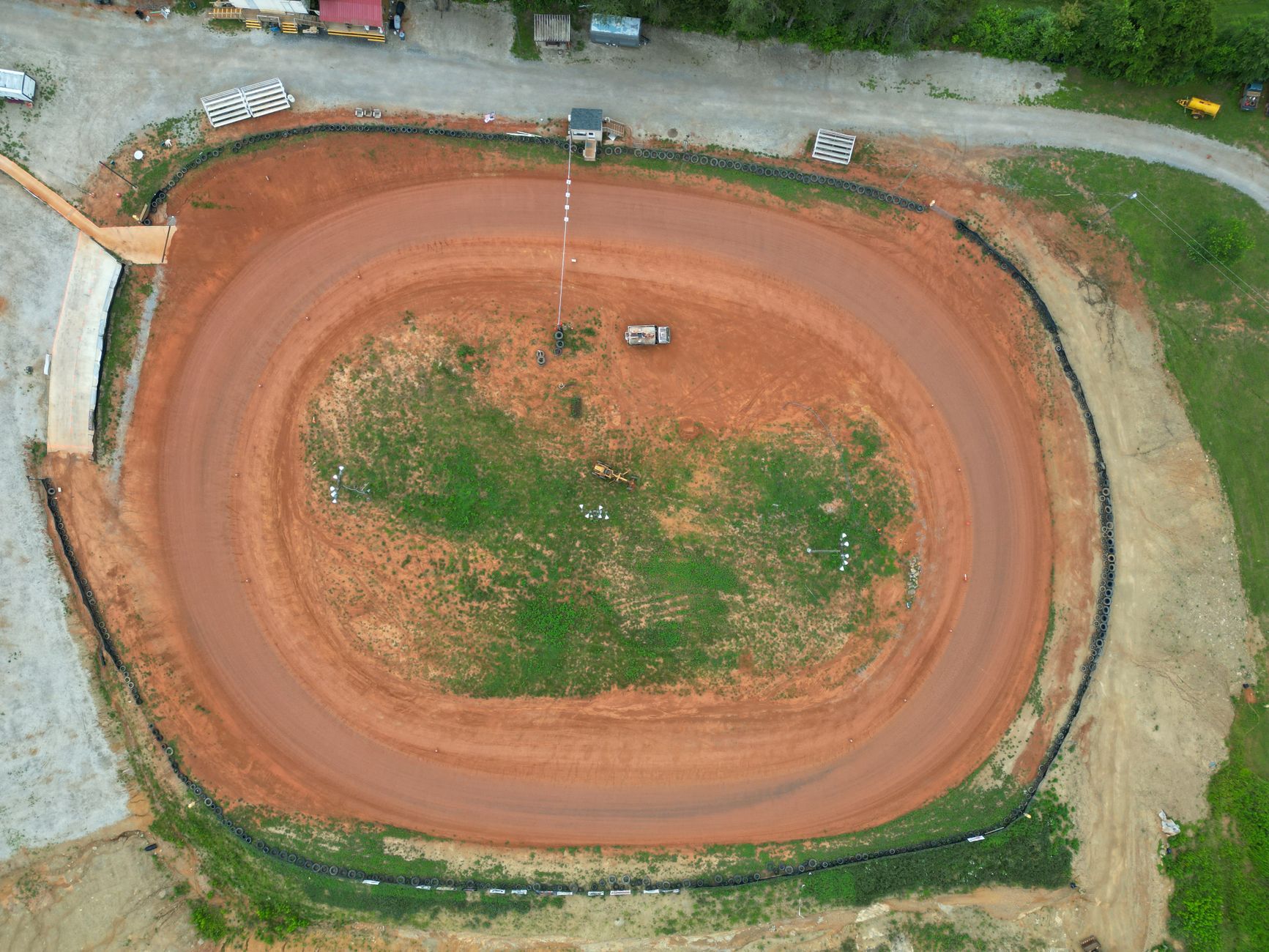
I manage a half-mile harness racetrack where the infield turf gets clipped in patches by a crew of two, and the rail edges and timing posts slow every cut; could robotic mowers keep the infield neat around the posts and gate hardware?
Key takeaways
- A robotic mower fits the open infield turf, while timing posts and gate hardware stay on the crew's list.
- No harness racetrack trial was found, so the fit must be tested on your own turf before you commit.
- Keep the mower off the racing surface and plan for a border of at least 15 cm at the rail edge.
- Check the cut height first, since standard robotic mowers are not designed to cut below about 2.0 cm.
- The payoff is largest when the mapped open area is big and the posts are few and easy to reach.
Can a robotic mower cut a harness racetrack infield around posts?
For most harness racetrack infields, robotic mowers are a partial answer. They can take over the open turf between the rail and the inner turns, which is the ground a two-person crew struggles to keep even between races. They will not, by themselves, cut tight to the timing posts and gate hardware, because those points need a mapped boundary and hand trimming.
The research behind this page does not include a harness track. What we could find is trial work on sports turf and racecourse maintenance guidance, so the fit has to be confirmed on your own ground before any commitment. Treat the findings below as the questions to put to a site assessment, not as proof that a machine will work on your infield.
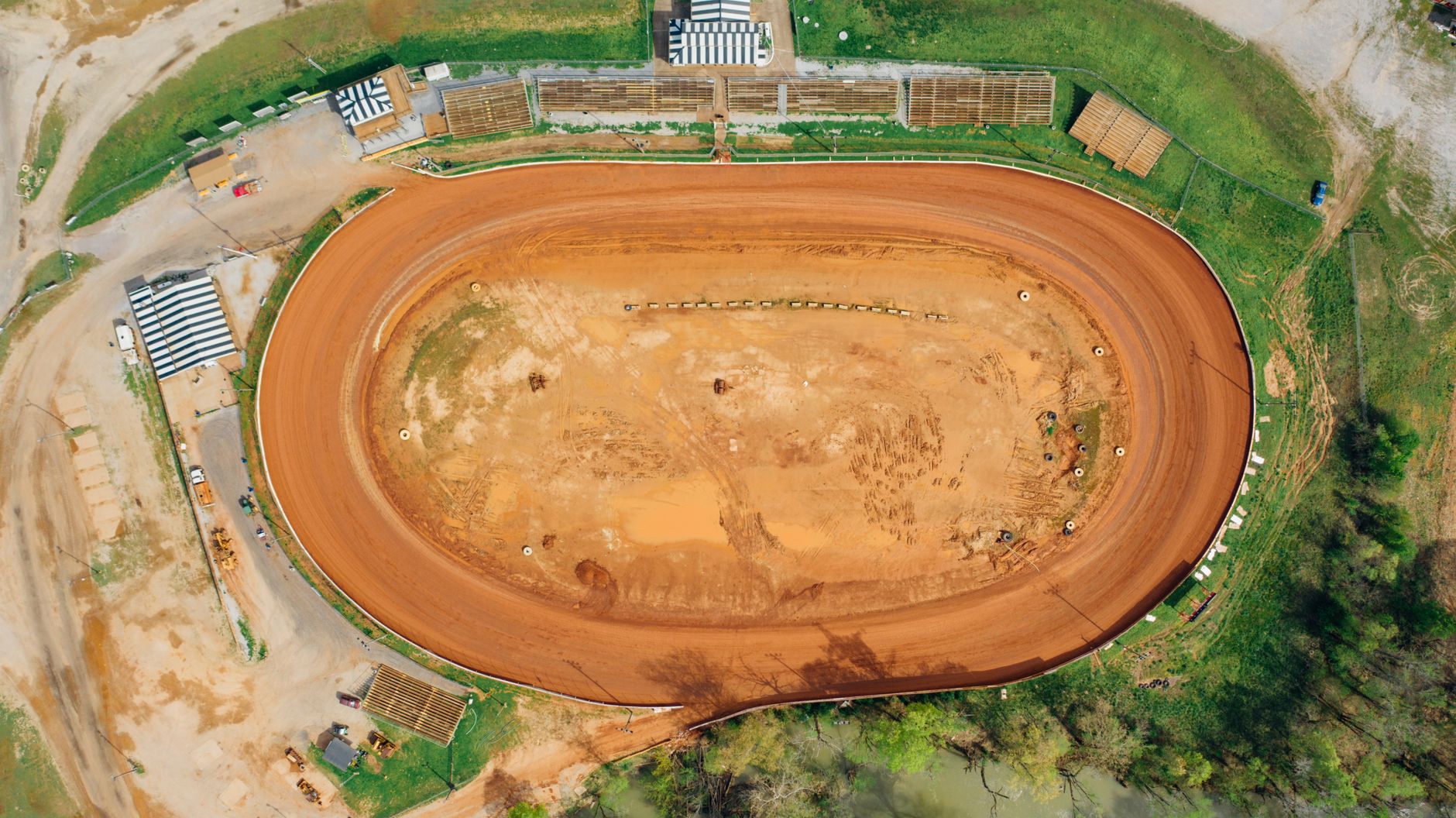
The useful test is narrow: can a robot hold an even height across the open infield while your crew handles the posts, gates and rail edges by hand? If that split works on your track, the robot earns its place. If most of the infield is posts and gates, it does not.
What do sports turf trials show about robotic mowing quality?
A University of Padua trial from 2023 to 2024 compared robotic and conventional mowing on a Kentucky bluegrass sports field. According to the trial report, overall turf quality was similar, and the robot produced less thatch and higher shoot density. Conventional mowing looked better in September, but from November there were no significant differences.
A municipal football pitch study published in Agronomy in November 2024 measured sward height at 2.94 cm under the ride-on mower and 2.61 cm under the autonomous mower. The gap matters less than what it shows: height is a setting you can check, and it is the first thing to verify on your own turf.
Both studies covered sports pitches, not racetracks. Neither tested a timing post, a gate or a track rail, so they say nothing direct about the hardest part of your infield.
- Even cut across open turf
Robotic Lawn Mower
Holds a set height on a mapped route, and the Agronomy pitch study recorded a lower sward under the autonomous mower than under the ride-on mower.
Staff
Reads wet spots, worn patches and soft ground, and adjusts the pass in ways a fixed route does not do on its own.
- Turf health over a season
Robotic Lawn Mower
The Padua trial reported less thatch and higher shoot density than conventional mowing, though conventional mowing looked better in September.
Staff
Changes height and pattern through the season and after rain, based on what the grass shows that day.
- Turns at the rail and track edge
Robotic Lawn Mower
Stays inside a mapped edge with a border of at least 15 cm, so it can be kept off the racing surface.
Staff
Sees the rail, the track surface and debris as they happen, and can stop for a stray object.
- Timing posts and gate hardware
Robotic Lawn Mower
Routes around mapped objects, but the research does not confirm clearance at posts, so it must be tested on site.
Staff
Trims tight to each post and gate with a trimmer, and checks the hardware while doing it.
- Mowing windows around race days
Robotic Lawn Mower
Runs on a fixed schedule once the window is set, so the window has to be planned in advance.
Staff
Fits the mowing in between other tasks as the race day changes.
- Repairs and downtime
Robotic Lawn Mower
Needs a service dispatch, and a stuck or damaged unit takes time to report and wait on.
Staff
Can often fix small faults on the spot, without waiting for a service visit.
How much ground does a two-person crew actually cover?
Harness infield sizes were not in the research, so measure yours before comparing anything. The closest published figure comes from Las Vegas Motor Speedway, which maintains about 4 acres of fescue infield with a two-person crew, scheduling mowing around cars on track. That is a small crew doing the same kind of clipping work you describe.
Larger turf racecourses run bigger crews. A Turf magazine report on Belmont Park's turf courses says two superintendents and 18 crew members maintain them, with mowing heights of about 4 to 4.5 inches. A crew of two is a small operation by comparison, which is why a robot is worth testing on the open ground.
Start by drawing the infield as zones: open turf, post clusters, gate areas and rail strips. Count the posts in each zone and the open grass around them. The ratio of open turf to hand-work points decides whether a robot relieves the crew or only moves the work around.
What cut height can a robotic mower handle on racing turf?
A 2018 HortTechnology study reported that standard robotic mowers are not designed to cut below about 2.0 cm, which keeps them off high-quality sports turf. A modified prototype cut to 1.2 cm on manila grass, but that was a research unit, not a standard commercial machine.
Racing infields are often cut higher than sports pitches. The Belmont Park turf heights of about 4 to 4.5 inches sit well above that 2.0 cm floor, but the research does not confirm that every robot cuts at those heights. Ask for the cutting height range of any machine in writing and compare it to what your track keeps.
Height also sets how often the crew needs to adjust the mower, so the first trial should record heights at the start and end of each week. Write the readings down. Without them, you cannot tell whether a robot is holding the height or drifting from it.
How do rail edges, turns and posts fit into the robot's route?
UK infield maintenance guidance, in a factsheet for racing infields, says mowing turns should stay inside the track edge, the mower should not cross the racing surface, and a border of at least 15 cm should separate the track base from the infield edge. Those three rules shape the whole route. The robot needs a mapped no-go line along the rail, plus a clear turn path inside the edge.
Posts are a separate problem. A mapped boundary can route the robot around a fixed object, but the research did not test timing posts or gate hardware, so clearance around a post is a number to confirm on site, not assume. Plan for the crew to trim each post and gate by hand on a set schedule.
Before a trial, walk the rail with the mapping team and mark the exact boundary, including any spots where the rail base changes or the surface dips. After the first passes, check the turns. A route that looks clean on a map can leave an uncut ring around a post.
Divots, grooming between races and winter freezing stay with the crew. A Pennsylvania racing article describes crews filling divots, grooming between races and handling winter freezing on dirt and turf tracks. A mower does none of those jobs.
Is it safe to run a robotic mower on a racetrack infield?
Grounds work carries a real injury load. According to a BLS snapshot of landscaping and groundskeeping workers, there were 12,380 nonfatal injury and illness cases with days away from work in private industry in 2019, an incidence rate of 185 per 10,000 full-time equivalent workers. NIOSH, citing BLS data, reports about 189 injuries per 10,000 full-time employees in grounds maintenance, against 87 for all workers.
A robot may reduce exposure to ride-on work near the rail, but the research did not measure that effect on a racetrack, so do not count it as a safety gain until your own records show one. The safety case on a track depends on the route keeping the machine off the racing surface and away from people during race windows. That has to be written into the program and tested before it is trusted.
How does the labor market affect a two-person crew decision?
According to the BLS Occupational Outlook Handbook, there were about 1.3 million grounds maintenance worker jobs in 2024, with projected growth of 4 percent from 2024 to 2034, about as fast as the average for all occupations, adding roughly 45,900 jobs. Those figures describe the national market, not harness tracks, but they show the field is growing modestly, not shrinking.
An older BLS edition describes significant job turnover in the field, but it gives no turnover rate, and the research found no BLS turnover figure for grounds maintenance workers. Measure your own turnover and overtime across the last two seasons. That number decides whether a robot relieves a shortage or only shifts the hours around.
What does getting a robotic mower look like with us?
Our first step is a free site assessment. We map the open turf, the rail edge, the posts and the gate hardware, and we record your turf type and cut height, so the route and the hand-work list come from your track rather than a generic plan.
After the assessment, we quote a lease through financing, and the lease payment comes in that quote, not before. We deploy and integrate the mower, train your crew on boundary setup and checks, and service the unit under our service plan, with regional service engineers in every state we serve. A pilot on one section of the infield is the lower-risk way to test the split between robot and crew before a full commitment.
When is a robotic mower the wrong choice for a harness infield?
The robot is the wrong choice when posts and gate hardware take up most of the infield, when the infield is mostly dirt or cut outside the robot's range, or when race-day windows leave no time for the mower to run. In those cases the crew's hours go into trimming and checking, and a robot adds a machine to maintain without removing much work.
A split approach is more honest for many tracks. The robot takes the open turf on a schedule, the crew trims the posts and gates, and the rail edges and divots stay with people. Judge the decision on your own hour logs after a trial, not on the figures in this page, because the research did not include a harness track.
If the trial shows the robot runs well on open turf, the next question is race-day staffing, not the cut. Plan a backup for the mower so a single fault does not leave the infield unmowed, and make sure the crew knows which tasks move to them on each race day.
Frequently asked questions
Want a robotic mower at your harness racetrack infields?
Tell us about your site. We will recommend the robot, quote the lease, and keep it serviced.
Sources
- University of Padua robotic mowing trial on a Kentucky bluegrass sports field
- Agronomy study of municipal football pitch mowing, November 2024
- UK infield maintenance factsheet
- Turf magazine, Las Vegas Motor Speedway infield
- Turf magazine, Belmont Park turf courses
- BLS Occupational Outlook Handbook, grounds maintenance workers
- BLS snapshot, landscaping and groundskeeping workers 2015 to 2019
- NIOSH bulletin on heat illness in landscaping