
The question, in the buyer's words
I manage grounds for a 60-acre general aviation airport in Boulder, Colorado where runway safety strips and light-fixture edges get mowed every two weeks; could robotic mowers cut those strips without clipping the light fixtures or the signs?
Key takeaways
- Robotic mowers fit the open middle of the strips, not the edges around lights and signs.
- Clearance distances around each fixture and sign should come in writing from the airport engineer.
- FAA fixture material is guidance rather than a binding regulation, and frangible mounts do not excuse keeping objects in a safety area.
- Boulder's aerospace job market sits next to grounds work, so the case rests on crew hours returned, not headcount removed.
- Measure your own strip area first, because the 60-acre figure does not match the published numbers.
Can robotic mowers cut Boulder airport safety strips without hitting lights?
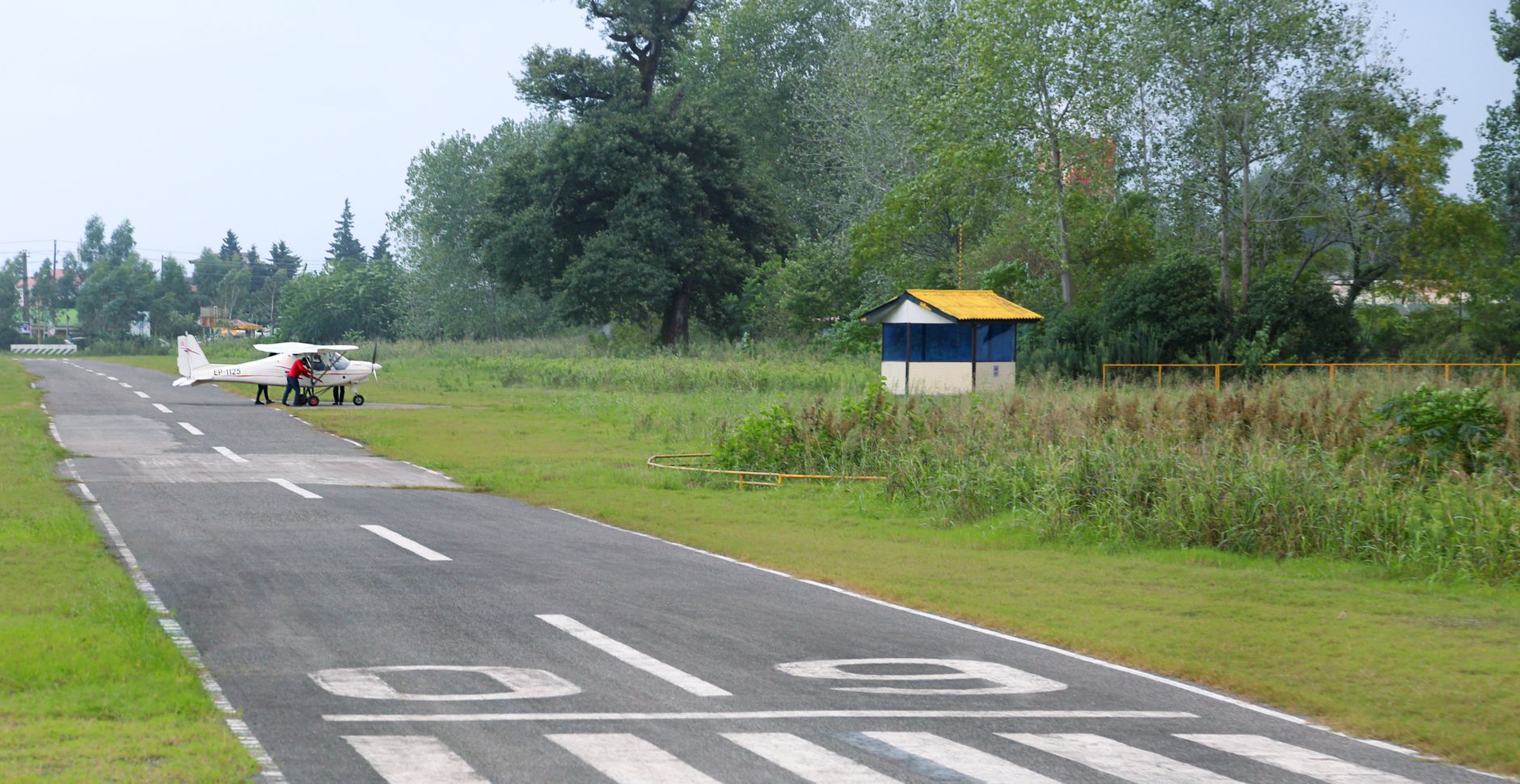
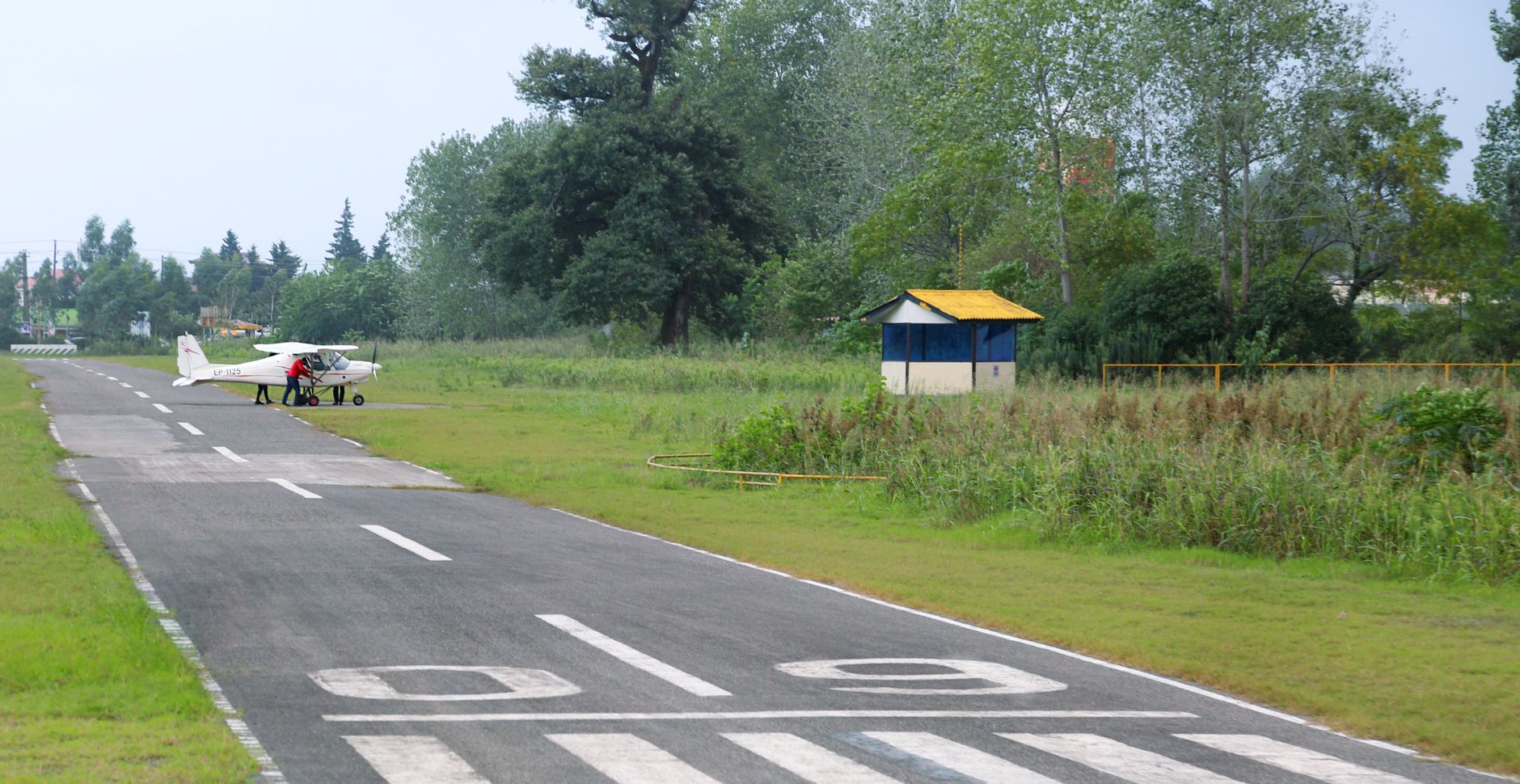
For most of the strip, yes, a robotic mower can likely do the work. The open middle of a safety strip is flat, repetitive and easy to map, which is the kind of ground where these machines do their best work. The harder part is the edge. Light fixtures, signs and their bases sit inside the safety area and must be left alone, so the mower has to be taught a clear zone around each one before it runs.
Think of the split this way. The mower takes the repetitive open ground off the crew's list, and the crew keeps the tight work at each fixture. Plan on a trimmer or hand pass for the collars, sign posts and corners on every cut. That is a smaller job than the full strip, but it does not disappear, and an honest plan budgets for it.
Before any lease decision, you need a survey that gives the exact strip geometry, the locations of every fixture and sign, and the clearance you will use around each. A free site assessment is where that mapping happens and where the lease quote comes from. The airport engineer should still approve the clearance distances in writing before the mower runs a route.
What do FAA rules say about mowing near lights and signs?
Airport safety areas must be maintained, and objects that have to sit inside them should be on frangible mounts and kept as low as practical. A copy of 14 CFR 139.309 hosted on stopcta.info reports a 3-inch maximum frangible point above grade. Put that figure in front of your engineer and confirm it against the official text, rather than copying it from a vendor brochure.
Light fixture specifications come from FAA Advisory Circular 150/5345-46F. According to that document, it is guidance and not a binding regulation, and the earlier 46E version, dated 9/30/2024, is cancelled. Check that your engineer is working from the F version, because a plan built on the cancelled one would be out of date from the start.
FAA guidance on PAPI siting states that no objects may be in a safety area except those whose function requires them, and that frangibility does not override removal. A sign that could be moved out of the safety area should be moved, not simply protected by a mower route. No FAA rule specific to mowing height or mower type came up in this review, so ask your engineer whether AC 150/5200-18 or AC 150/5370-2 applies to the work.
How much ground does a two-week strip cut cover?
The 60-acre figure in your question does not match the public figures I could find for the field, and those public figures disagree with each other. Measure the strip area yourself and split it into three parts: open strip, fixture edges and sign zones. Only the first part is a likely robot job, so the size of the open area drives the case.
The field's activity sets the limits on any mowing schedule. The city's airport page reports 171 based aircraft in one fact sheet, made up of 129 fixed-wing aircraft, 40 gliders and 2 helicopters, and a later city document puts the count at about 178. The 2007 master plan cited about 190 based aircraft. The field is general aviation only, with no commercial airline service, so strip work is planned around general aviation traffic rather than airline schedules.
Use your own cut log to convert the strip area into hours. The table below lists the tasks that change with a mower and the ones that stay with the crew.
How do Boulder's climate and seasons shape the mowing calendar?
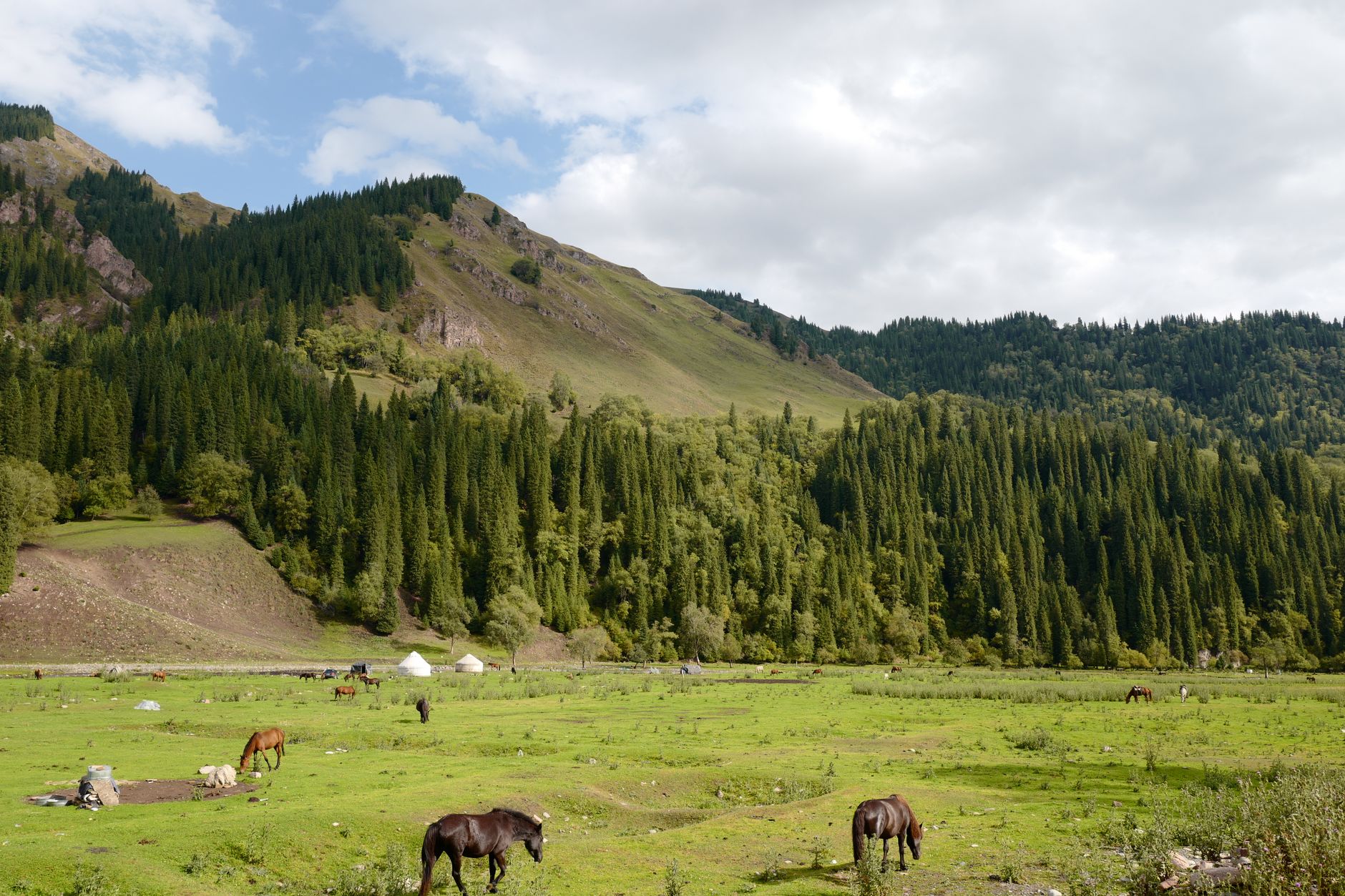
Boulder's mowing calendar runs between the freezes. A weather history site built on NOAA station data reports a growing season of about 209 days, with the last spring freeze around April 4 and the first fall freeze around October 30. The same site says it has not been checked against NOAA normals, so confirm the dates against NOAA daily records before you set a schedule.
Snow shapes the calendar too. The sources I checked disagree too widely on Boulder snowfall to quote a seasonal total here, so take that figure from NOAA. The Bureau of Labor Statistics notes that some grounds jobs shift to snow removal in winter, which means your crew may be stretched in exactly the months a mower cannot help.
The timing points to a practical window. A site assessment and a one-strip pilot in late winter or early spring, before the first cut, lets the crew check the mapping before the schedule tightens. Nothing about the pilot needs to wait for the mowing peak.
What does Boulder's labor market mean for staffing this work?
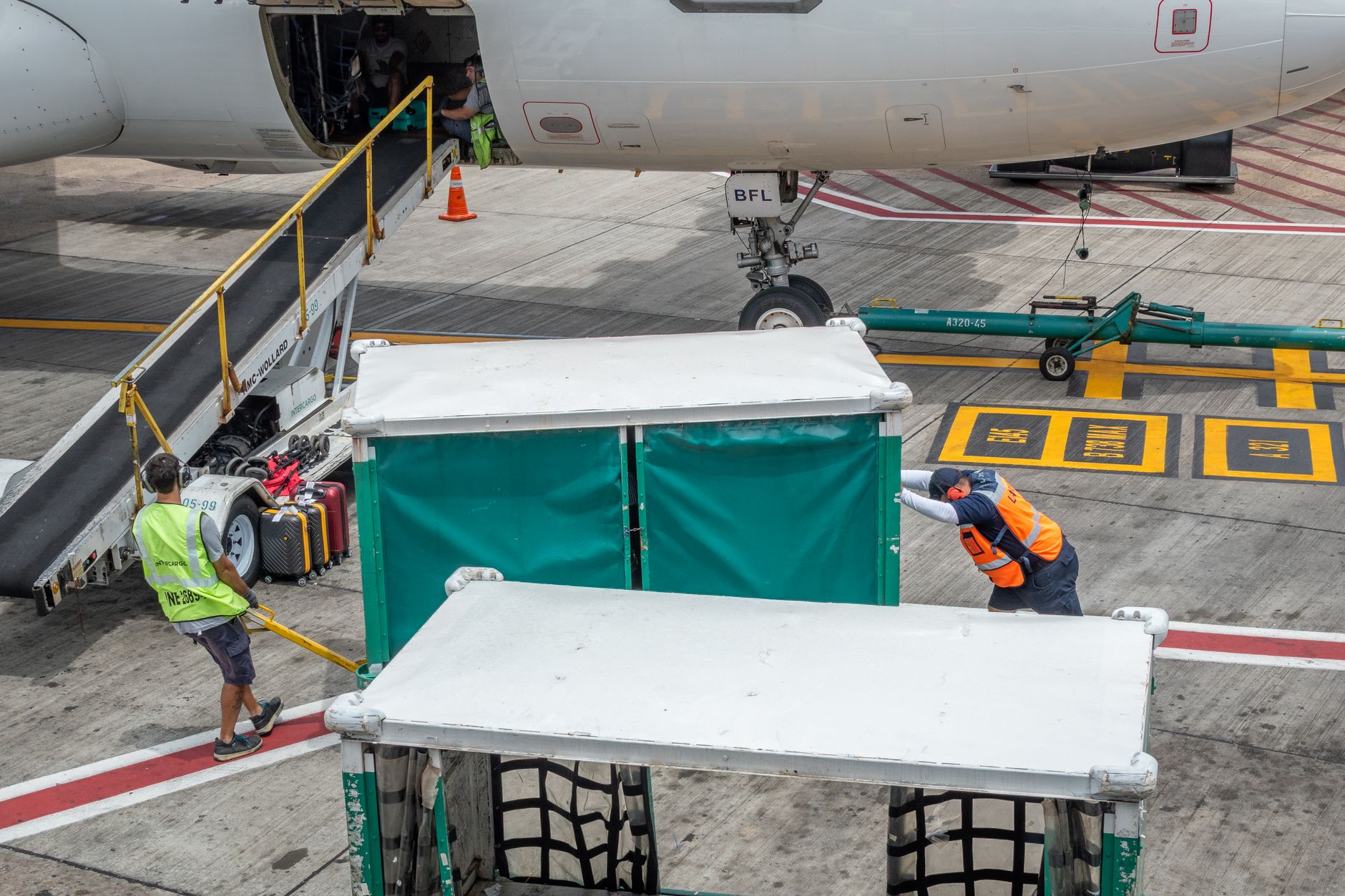
Grounds work is a broad occupation. According to the Bureau of Labor Statistics Occupational Outlook Handbook, grounds maintenance workers held about 1.3 million jobs in 2024, with landscaping and groundskeeping workers at 1,192,500, and projected growth of 4 percent from 2024 to 2034 is about the average for all occupations. Entry is usually through on-the-job training, so every new hire learns your airport's rules on the job.
Boulder's labor market sits beside a large aerospace sector. According to Axios, which attributes its figures to Lightcast-based county profiles, Boulder Valley has roughly 9,250 aerospace jobs, about 15 percent of the Colorado total, and Boulder County leads the state in aerospace research and development employment with an estimated 3,290 jobs. The same article reports that statewide core aerospace manufacturing employment fell 4.3 percent from 2024 to 2025.
Those figures describe the wider market, not your crew's turnover. The BLS page does not give a separation rate for this occupation, so pull your own records on mowing crew turnover and hours lost to vacancies. Those two numbers, not regional averages, should carry the case for a mower.
Where does a robotic mower work well and where does it stop?
Robotic mowers do best on open, mapped turf with predictable edges. They hold a set cut height, return to a charger on their own and repeat a route on the same cycle, which suits a strip mown every two weeks. They are weaker at fine trim, irregular edges and any area where the boundary changes without warning.
On a runway strip, the stopping points are the fixture collars, sign bases, drainage lines and the spots where the strip narrows. Adoption is still early for this kind of work. According to a 2024 Lawn and Landscape panel report, autonomous mowing was not yet widely adopted, and one panelist said large mowers cut only about 10 percent of their property's turf, which they cited as a limit on uptake.
The honest split is this. The mower can take the open ground, and people keep the edge work, which is also where the safety and damage risk sits. A mower that cuts the middle well but leaves the edges to the crew still reduces time on the strip, and that is the real gain.
- Open strip middle
Robotic Lawn Mower
Repeats a mapped route on the cycle without a driver
Staff
Mows with a larger machine and an operator
- Fixture and sign edges
Robotic Lawn Mower
Stays out of mapped zones but does not trim them
Staff
Trims collars and posts by hand
- Changes on the field
Robotic Lawn Mower
Needs remapping when a fixture or sign moves
Staff
Notices a new obstacle and adjusts on the spot
- Winter and snow work
Robotic Lawn Mower
Does not cover snow removal
Staff
Can shift to snow removal
- Safety judgment
Robotic Lawn Mower
Follows its mapped clearances and logs every stop
Staff
Can judge a hazard that the map does not show
- Stuck unit or absent worker
Robotic Lawn Mower
Needs a service dispatch under the service plan
Staff
Can be covered by another crew member on site
How do you set up the mower around lights and signs?
Setup starts with a site assessment that maps every fixture, sign, cable run and drain, then sets a clearance around each one. The clearance distance has to come from your airport engineer, not from a vendor, and it should be recorded before the mower runs its first route. Mapping is where a new install is most likely to go wrong, so the map gets checked on paper and in the field before anything runs.
Next comes a pilot. Run one strip for several cycles with a person watching, log every stop and every near approach to a fixture, and tighten the zones where the log shows trouble. A pilot shows whether the mower stops cleanly and whether the crew trusts it, which matters as much as whether the grass gets cut.
Write the hand trimming list at the same time. Every fixture collar, sign post and corner gets a named task, so the crew knows exactly which spots are theirs and no edge goes unworked.
How does a lease and service plan work once you decide?
We act as one partner for the whole lifecycle. We select the robot for your site, lease it through financing, deploy and integrate it, train your crew and service each unit under our service plan, backed by regional service engineers in every state we service. The lease payment comes in a quote after a free site assessment, so you can compare it with your own crew hours before you commit to anything.
Service matters on an airport because a stopped mower on a strip is a work order, not a minor nuisance. The service plan covers on-site dispatch, remote triage and spare unit coverage, and the stop log gives the airport engineer a record of what happened. Ask for response terms in writing as part of the quote, and do not accept a verbal promise.
Start with one leased unit on one strip, not the whole field. That keeps the pilot small and the risk contained, and if the zones hold up in the logs, you can expand with real data in hand.
Frequently asked questions
Upcoming airports & transit events
Want a robotic mower at your general aviation airport safety strips?
Tell us about your site. We will recommend the robot, quote the lease, and keep it serviced.
Sources
- FAA Advisory Circular 150/5345-46F, light fixture specifications
- FAA guidance on PAPI siting update
- 14 CFR 139.309 copy hosted on stopcta.info
- City of Boulder airport department
- Bureau of Labor Statistics Occupational Outlook Handbook, grounds maintenance workers
- Axios, Colorado aerospace industry jobs
- Lawn and Landscape, autonomous mowing panel 2024
- Weather on this day, Boulder