
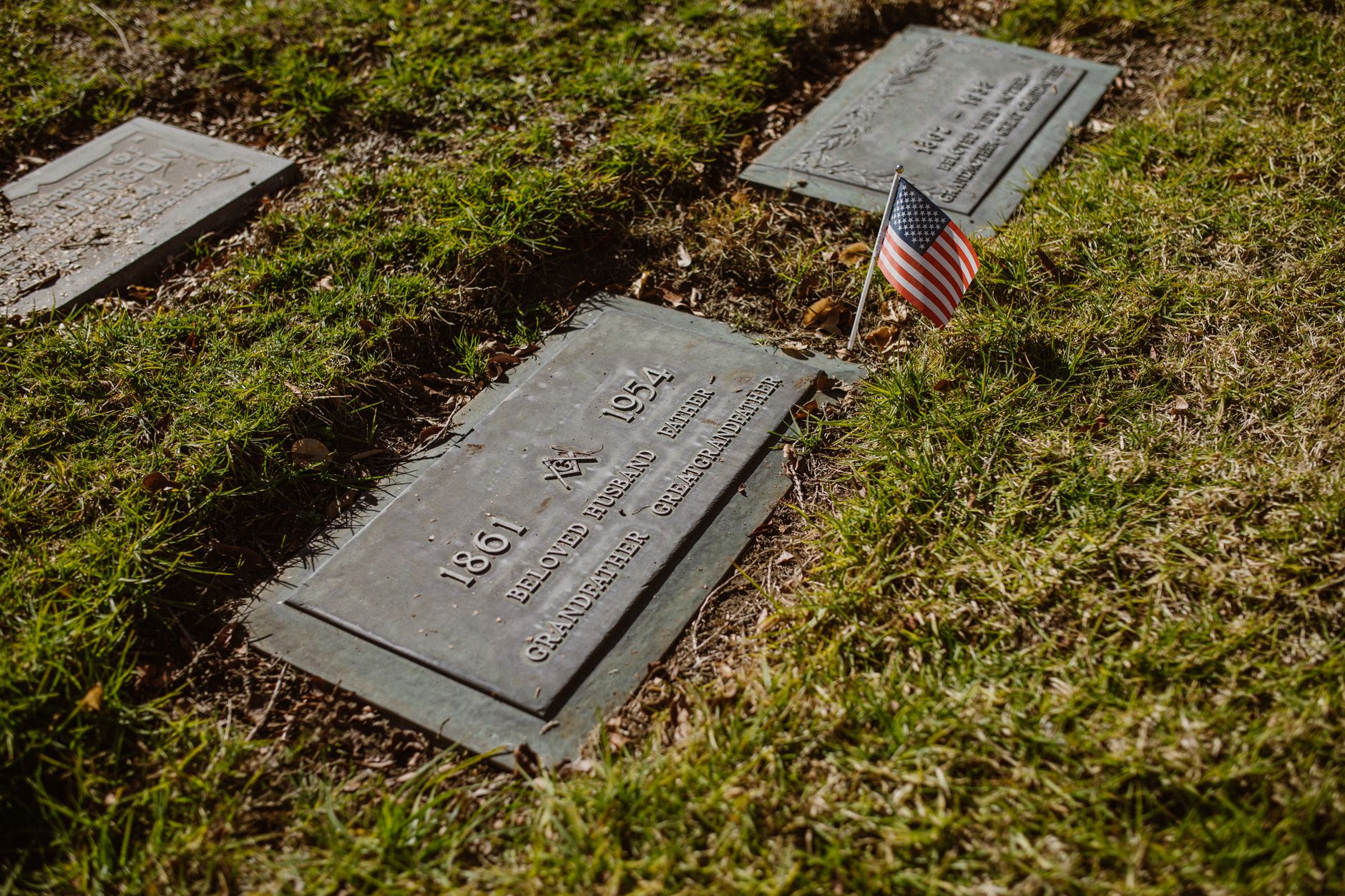
The question, in the buyer's words
I run grounds for a 200-bed veterans home with about 30 acres of memorial lawns, and our crew is two people in summer; could robotic mowers handle the flag and monument areas without clipping the flagpole bases or plinths?
Key takeaways
- The open memorial lawn is a good first fit, while flagpole and plinth edges are not a safe assumption yet.
- No published keep-out distance for flagpoles or monuments was found, so your own clearance test has to set the number.
- Boundary setup around every base and plinth is the real work, and it must be finished before any unattended run.
- Safety standards cover commercial robotic mowers, but rules for residents, visitors and ceremonies still belong to your crew.
- Start with one leased unit on the open lawn and compare its run log with a timed baseline before going further.
Can robotic mowers handle veterans home memorial lawns near flagpoles?
Your question sits where two things meet: veterans home memorial lawns, which are the edges of a campus where people gather and stone stands, and robotic mowers, which handle open turf far better than fine detail. The honest answer is that the open lawn is a good fit and the flagpole and monument edges are not yet a safe assumption. Those are separate jobs, and they should be judged separately.
Scale matters before any single lawn. The Michigan Department of Military and Veterans Affairs told a Michigan House subcommittee in 2023 that there are 162 state veterans homes across all 50 states and Puerto Rico, holding about 30,000 beds. Each home is its own grounds problem, with walkways, resident areas, memorial features and flag lines spread over the turf, so the question is less whether a machine can mow grass and more where it can safely go.
For a two-person summer crew, the practical question is time. A robot that runs the open lawn in early morning can free the crew for trimming, edging and the hand work that memorial areas always need. It also keeps machine work away from the hours when residents and visitors use the grounds most. That is the plan worth testing, and the rest of this page explains how to test it without risking the stone.
How many veterans homes and beds are there, and why do the counts differ?
Published counts differ by year and by who is counting, so check any number before you use it in a plan. A 2019 data sheet from the National Association of State Veterans Homes listed 156 State Veterans Homes. The Michigan testimony from 2023 reported 162 state veterans homes. The gap may reflect growth, a change in what counts as a home, or both.
The bed picture is larger than any one campus. According to the Military Officers Association of America in a 2025 article, state veterans homes hold more than 30,000 beds, which it says is half of the VA-supported long-term care available to veterans. Many of those homes run skilled nursing, domiciliary care and adult day care on the same grounds, so the lawns often serve residents and visitors through the day.
Use these national figures for context only. Your own operating bed count, your acreage and your event calendar are the numbers that size the grounds job, and they should come from your own records, not from a statewide total.
What can a robotic mower actually do around flagpoles and monument plinths?
According to US Patent 8,352,113, a robotic mower can alternate its path toward and away from the boundary wire in a zig-zag or sine-wave pattern, so the same turf is not worn along the edge. The same patent describes an accelerometer or similar device that can detect obstacles, and a stuck-detection routine that flags the mower when time passes without detecting an obstacle or the wire. Those are the tools a mower has around a fixed object.
Those mechanics set the limit. Detecting a bump tells the mower that something is there after contact or close approach, which is not the same as a guaranteed clearance around a fixed post. A flagpole base is a rigid footing at ground level, and a monument plinth often has a raised step or a sharp corner. A rounded or sloped edge may be handled differently from a vertical one, and that is a question for the site test, not for a spec sheet.
We did not find a published keep-out distance for flagpoles or monuments in the research for this page, and no independent trial we reviewed covered memorial features. Any clearance number has to come from your own test on your own bases and plinths. Ask the supplier for the exact clearance the mower is set to hold, then watch it run that edge at full working speed before you accept the layout.
How do you set up a boundary around memorial features?
Setup begins with the perimeter. You define the lawn area, a no-go shape around each flagpole base and each plinth, and the paths the mower may or may not cross. A wide open memorial lawn can use a simple perimeter. A lawn with several bases and monuments inside it needs each one treated as its own excluded shape, with the mower routed around each without leaving uncut strips. Write down each feature with its measured offset so the layout can be reproduced after a repair or a reset.
Boundary wire is one common way to define a perimeter, and the patent described above works on that principle, with the mower turning back as it meets the wire. Wire has to be laid around every excluded island too, which takes real labor on a memorial lawn with many features. Plan the install for a quiet period so the crew is not digging around services or visitor traffic. Mark each buried route before any digging starts.
Watch the first weeks closely. Look for uncut strips at the bases, wear marks on plinth edges, and stop-and-start behavior near paths. Those signs mean the layout needs another pass before the mower runs unattended near stone.
Is a robotic mower safe around staff, residents and ceremonies?
Start with the standard. ANSI/OPEI 60335-2-107-2020, the US version of IEC 60335-2-107, applies to both commercial and household robotic lawn mowers. Its scope covers battery-powered robotic rotary mowers with battery voltage not above 75 V. Certification bodies test robotic mowers against IEC 60335-2-107, so ask any supplier for the certification record on the exact model you would lease, not a general brochure.
The injury data shows why that matters. A study of lower-extremity mower injuries using NEISS data reported a mean of about 19,149 a year from 2000 to 2022, with 17,360 to 21,856 a year during 2000-2018 and 14,753 to 17,304 a year during 2019-2022. Those figures describe people hurt by conventional mowers, not by robots, and they cover the lower extremity only. They still show where a grounds crew's caution belongs.
On a veterans home campus, residents, staff and visitors share the turf. Set mowing windows away from ceremonies, resident walks and events, close the open lawn with signs or cones when people cross it during a run, and keep the crew in charge of the schedule. A robot is not a substitute for those rules, and the standard lowers risk without ending the need for site control.
Can two summer crew members cover 30 acres with robotic mowers?
Two people cannot hand-mow 30 acres of memorial lawn and still do the trimming and edging it needs in the same summer week, so the robot question is really about which part of the work moves to the machine. The open turf is the largest block of mowing time and the easiest part to automate. The memorial edges, flagpole halyards, ceremony setups and hand work near stone stay with people.
Labor supply will not solve this for you. The Bureau of Labor Statistics projects 4% growth for grounds maintenance workers from 2024 to 2034, which it describes as about as fast as the average for all occupations. Growth at that pace means hiring will not get much easier, so the crew plan should not assume a third person arrives for the summer. Build the plan around the people you have, and keep them on the detail, timing and judgment about what looks right on a memorial lawn.
Staffing instability carries its own risk. In a Consumer Voice report using 2022 CMS data, nursing homes with 60-69% staff turnover had substantiated complaint rates about 1.5 times those with 30-39% turnover. That research covers nursing homes, not grounds crews, so read it as a reminder that losing people in summer leaves gaps, and that a machine taking routine mowing is worth a test.
What should a pilot prove before you lease a unit?
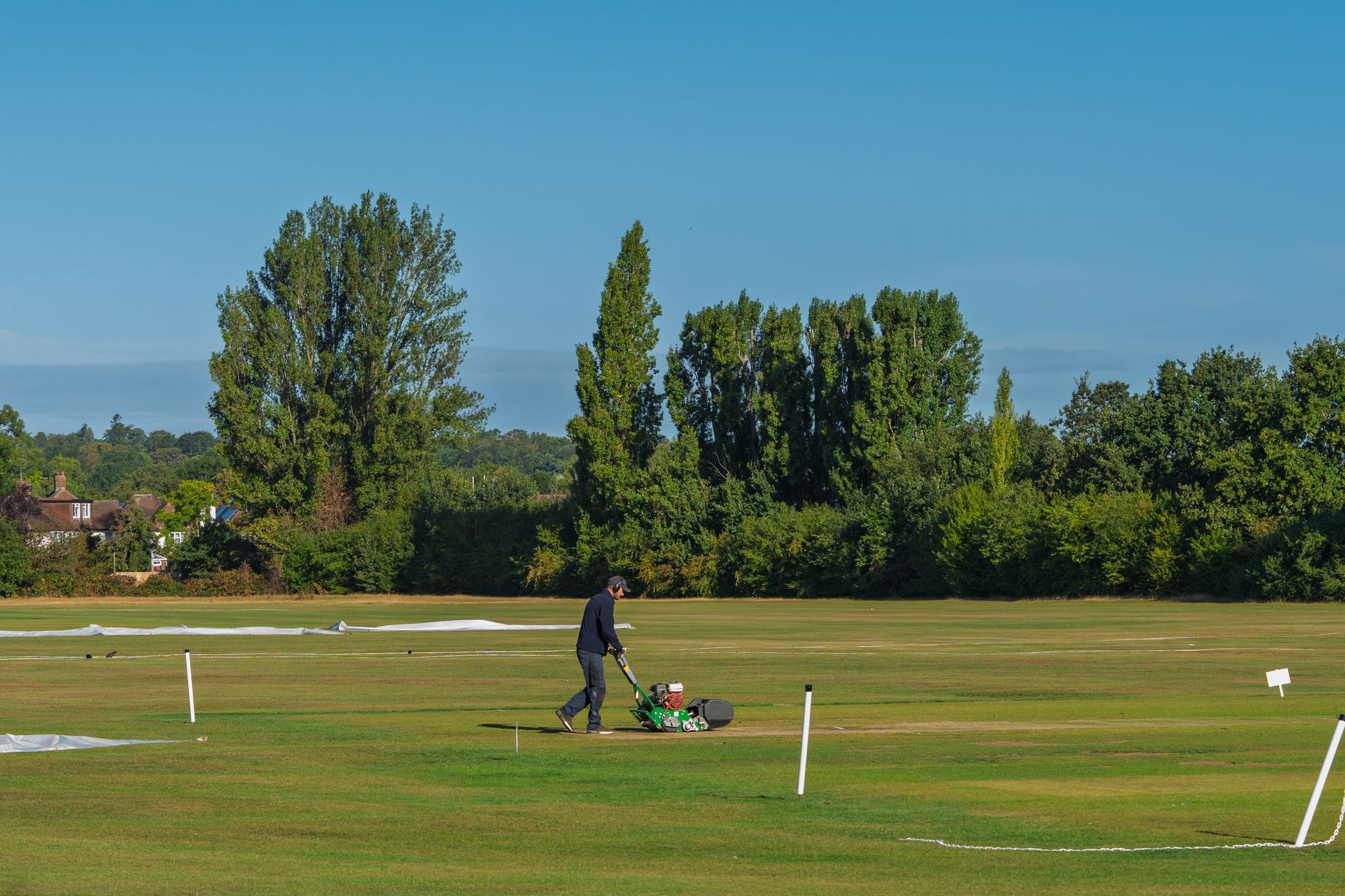
A pilot is the right size for this question. Start on the most open memorial lawn with a single leased unit, run it through the full mowing windows of a season, and measure what it actually cuts on your ground. Leave the flagpole and plinth zones for a later phase that starts only after the clearance test passes on each feature.
Measure these: the clearance held at each base and plinth, any uncut strips, wear at edges, and the stops and stuck events in the log. Also measure crew hours. We did not find a published hours-per-acre figure from an independent trial for commercial robotic mowers, so time your existing mowing on the same turf before the pilot begins, then compare. Do not rely on a coverage claim from anyone without that baseline.
Also check the backup plan. A single unit means a single point of failure, so ask what happens while a unit is out for service, how quickly a replacement arrives, and what the crew does on the open lawn in the meantime. Set a go or no-go date at the end of the first season so the decision rests on numbers, not impressions.
How would leasing and service work for a site like this?
We are an OEM-neutral integrator for US businesses. We pick the robot for the site across manufacturers, lease it through financing, deploy and integrate it, train the staff and service each unit under our service plan, with regional service engineers in every state we service. For a veterans home, the aim is one partner for the whole lifecycle, not separate vendors for the machine, the install and the repairs.
The first step is a free site assessment. We map the lawns, flagpole bases, plinths and paths, identify the open turf for a first phase, and note the mowing windows around ceremonies and resident activity. A fixed robot lease payment is quoted after that assessment, so the figure reflects your site rather than a generic plan.
Deployment and integration follow: setting the boundary, running the clearance test on each memorial feature, training the crew on checks and recovery, and going live with support. Areas that fail the clearance test stay with the crew, and the rest of the pilot can still be judged on its own. If a second phase is approved, the same assessment and training steps apply to the flagpole and plinth zones. Service calls go to regional service engineers, so the crew has a named team to call.
Frequently asked questions
Want a robotic mower at your veterans home memorial lawns?
Tell us about your site. We will recommend the robot, quote the lease, and keep it serviced.
Sources
- Michigan DMVA testimony on state veterans homes (2023)
- MOAA article on state veterans homes (2025)
- National Association of State Veterans Homes data sheet (2019)
- Bureau of Labor Statistics, grounds maintenance workers
- Consumer Voice report on high staff turnover in nursing homes
- Lower-extremity mower injury study (NEISS data, 2000-2022)
- ANSI/OPEI 60335-2-107-2020 standard listing
- US Patent 8,352,113 (USPTO)