
The question, in the buyer's words
I manage a 22-campsite state park in West Virginia, and our crew mows around cabins, picnic shelters and trail edges by hand through peak summer visits; could robotic mowers take the open lawns and leave the trail edges alone?
Key takeaways
- Open campsite lawns are the strongest fit for robotic mowers in a West Virginia park.
- Trail edges and tight spots stay with the crew or a string trimmer.
- Map cabins, shelters, footings and trails as no go zones before the first cut.
- Check each lawn's slope against the robot's own rated limit, not the riding mower figure.
- Let a free site assessment and a pilot over one peak season decide the plan.
Where do robotic mowers fit West Virginia campsite lawns?
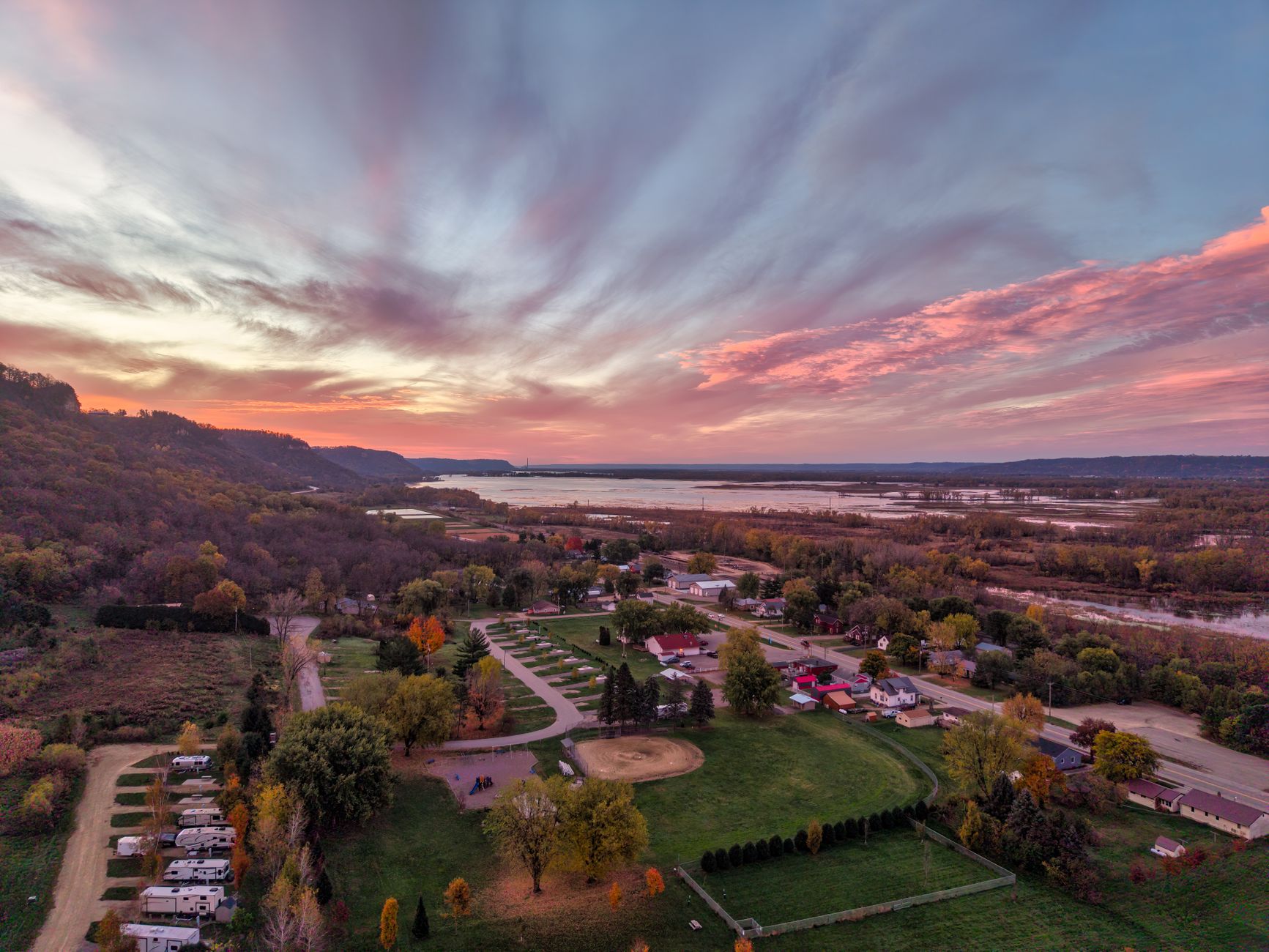
West Virginia's state park system is much larger than one park suggests. According to the state parks website, the system has more than 1,500 campsites at 27 parks and forests, and more than 350 cabins, with the totals covering parks and state forests together. Your 22 campsites are a small slice of that, so the mowing plan has to be built around your own grounds rather than a statewide template.
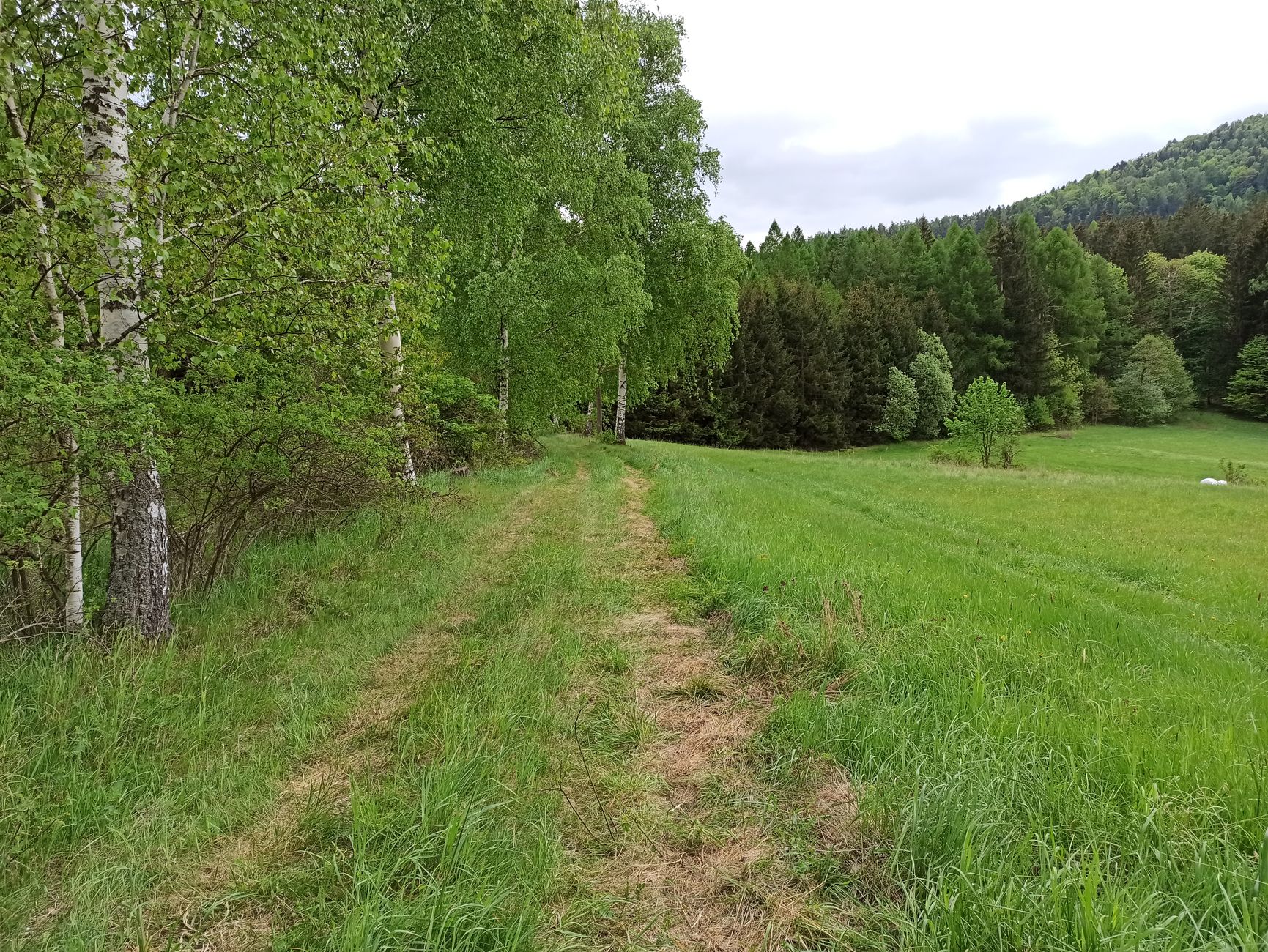
Your question has two parts. Open lawns are the part a robot handles well, because they are broad, reasonably even and easy to map with a clear edge. Trail edges are the part it handles poorly, because they are narrow, often rooted and crossed by walkers, so a clean cut is hard to hold on a thin strip of grass.
The short answer for your park is yes for most open lawn, no for trail edges, and a question of careful mapping for the ground around cabins and shelters. The rest of this page explains how to test each of those zones before you commit to anything.
Which parts of a campsite can a robotic mower cut?
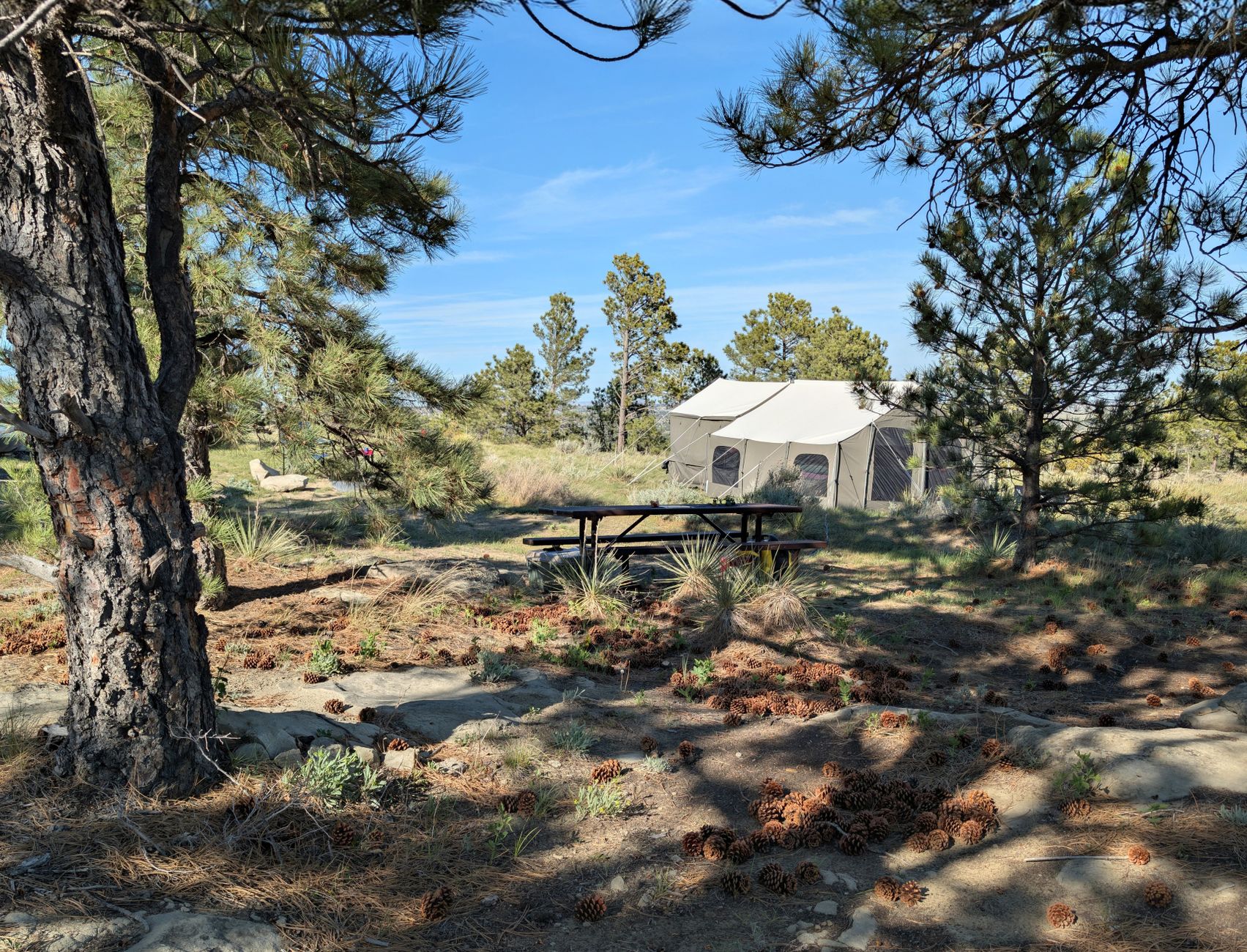
Think of the grounds in bands. The broad open lawn between campsite loops and along access roads is the strongest case, because a robot works best on one large, clear area with a defined edge. Lawns around cabins and picnic shelters come next. A robot can cut them if the cabin pads, steps, footings, benches and tables are mapped as no go zones and loose items are cleared on mowing days.
Trail edges come after that. A robot cuts to a boundary you set, so the trail line becomes the edge, and whatever sits between that line and the trail is a narrow strip that is often rough, with roots and gravel. A string trimmer or a crew member does that work better. The tightest ground is around fire rings, tree roots, signposts and fence lines, where the robot cannot reach material next to obstacles, and someone has to finish by hand.
How long is the mowing season in West Virginia?
The mowing season here is long. Britannica gives West Virginia an average growing season of 160 days, with a range of 120 to 180 days, and describes a humid continental climate with a marine modification in the eastern panhandle. The USDA Climate Hub for the Northeast reports an average growing season of 168 days across 18 West Virginia locations for 1927 to 2016, and a trend of about 20 days longer when recent years are compared with the longer record.
For a robot, a long season means more weeks in which the machine runs, which matters more than any single week of performance. Peak visits, wet spells and cool spring grass can all change how often the lawn needs a cut, so the schedule has to flex with the season. A pilot should run through at least one full peak season before the plan is judged, because a short test in one cool month will not show the real workload.
- Open lawn cutting
Robotic Lawn Mower
Cuts broad lawn on a set schedule once mapped, with no operator on a seat or behind a push mower.
Staff
Adapts to odd shapes and leftover patches on the spot and can switch tasks in minutes.
- Trail edges
Robotic Lawn Mower
Cuts a mapped buffer, but leaves a rough margin and cannot follow the trail line by eye.
Staff
Trims a clean edge with a string trimmer and reads the trail line directly.
- Visitor interaction
Robotic Lawn Mower
Can be paused or stopped but does not greet, direct or move campers and their gear.
Staff
Answers questions, moves picnic tables, watches children and handles conflicts on the lawn.
- Slopes and drainage
Robotic Lawn Mower
Depends on the unit's rated slope limit and the ground condition on the day.
Staff
Judges footing directly and can stop well before a bank or wet low spot.
- Hours and timing
Robotic Lawn Mower
Runs on a schedule, including early or late, when visitors are fewer.
Staff
Limited by shifts, breaks and staff available during the peak weeks.
- Staffing
Robotic Lawn Mower
Takes the open lawn so a smaller crew can cover peak visits, but still needs trained staff to run it.
Staff
Needs hiring, training and cover for absences. We found no verified turnover rate for this occupation.
Can you staff the mowing crew in West Virginia's labor market?
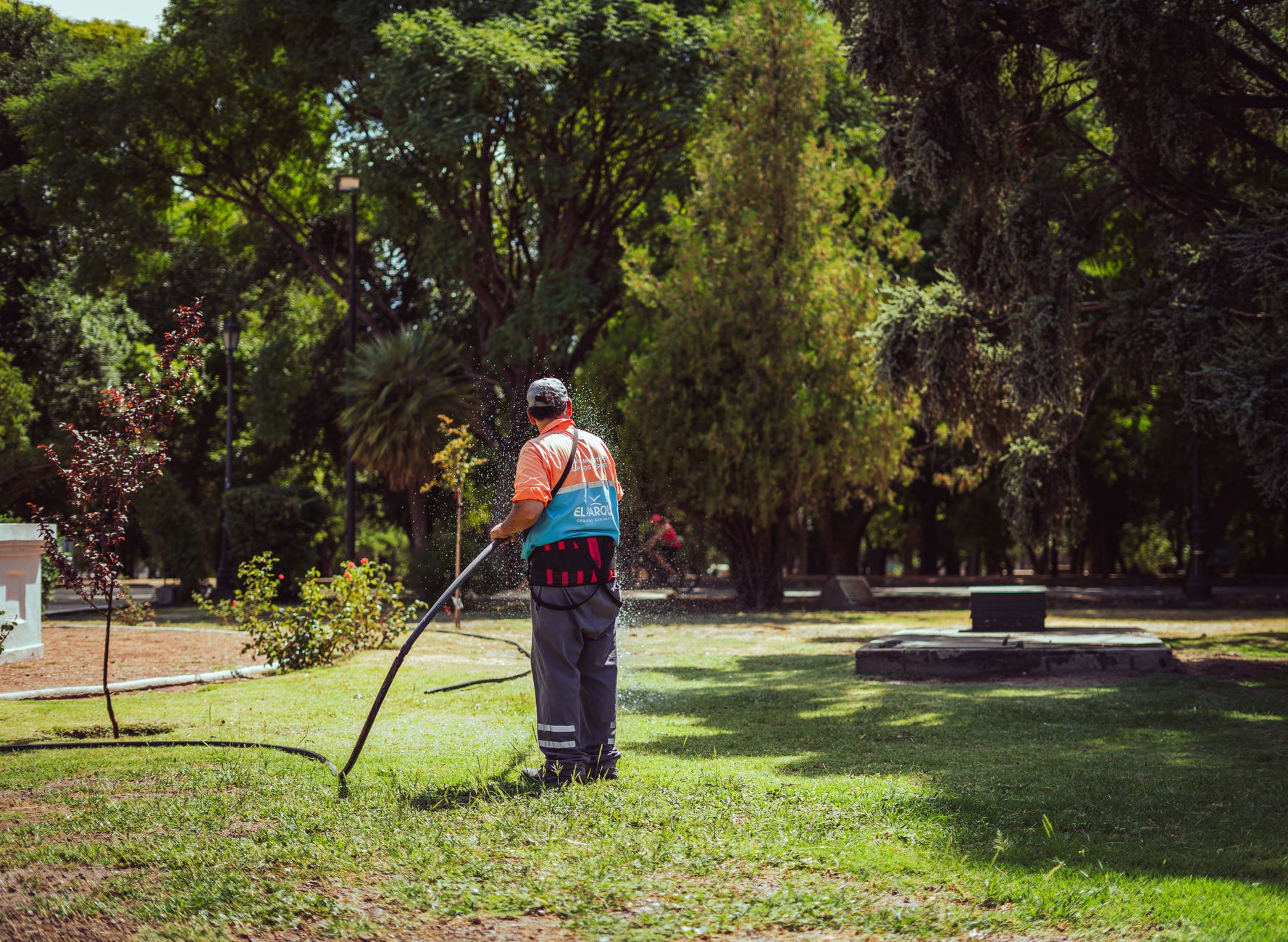
The labor picture is mixed. According to the Bureau of Labor Statistics Quarterly Census of Employment and Wages, statewide employment fell 0.4 percent over the year to 693,300 in March 2026. That is a total across all industries, so it shows the state pool is not growing, but it does not tell you how easy it is to hire grounds staff in your county.
Nationally, the BLS Occupational Outlook Handbook projects 4 percent employment growth for grounds maintenance workers from 2024 to 2034. That is a modest rate, and it does not show how many people will be available in a given county or whether seasonal work will be filled on time. We did not find a verified turnover or separation rate for this occupation, so any figure on how often crew members leave should come from your own HR records.
Park systems face the same bind as other employers: seasonal staff are hard to hire and keep, and a crew that cannot fill its positions falls behind on the lawns first. A robot does not replace the people who trim edges and handle shelters, but it can take the broad lawn so a smaller crew can cover peak visits. Count how many seasonal positions you actually fill each spring before deciding how much lawn to hand to a machine.
What do mowing injury studies say about safety?
Mowing injuries are common enough that safety belongs in the decision. A NEISS-based study covering 2005 to 2015 estimated about 934,394 lawn mower injuries treated in US emergency departments, roughly 84,944 a year, with no decline over the period. Hand or finger injuries accounted for 22.3 percent of cases, and lacerations were the most frequent injury type at 23.1 percent.
Most of that data covers traditional mowers, walk behind and riding, operated by people. A robot removes the operator from the cutting path, but it does not remove the hazard. Campers, children and pets can walk up to a moving machine, and a robot cannot read a child's intent, so the useful safety step is to plan the mowing zone so the robot works in areas that are closed or paused during the cut. No current national total for 2023 to 2026 turned up in our search, so these figures describe the trend rather than this year.
For riding machines the specific slope rule matters. UGA Extension notes that riding mowers are unsafe on slopes above 27 percent because they can slide and roll over. That figure applies to riding mowers, not robotic ones, so check each robot's own rated slope limit and mark any bank or ditch as off limits rather than assuming the same number applies.
How do slopes, campers and quiet hours affect the plan?
Slope and footing decide where a robot can go. Survey each lawn with a measured grade, mark banks, ditches and wet low spots, and compare the grade with the robot's stated limit. The 27 percent figure is a riding mower guideline, so it does not set a robot's limit, but it is a useful warning that a steep bank is where a machine can slide.
Campers and visitors change the schedule. Peak weekends bring people onto the lawns, along with children, dogs, chairs and tents, so the cut has to run when the zone is empty or closed. Early morning or after dusk often suits a robot, but that also means checking quiet hours and park rules before the first run.
Noise is a fair worry at a campground. Ask for the rated sound level at a stated distance, then test it on your own loop before making a long commitment. A sound that is acceptable on a busy weekday may not be acceptable on a quiet morning, so the test should happen at the time of day the robot will actually run.
How does a robot handle cabins, shelters and trail edges?
Cabins and shelters are where boundary setup earns its time. Mapping building footprints, steps, footings, benches, grills and tables as no go zones lets the robot cut up to the structure without hitting it. Wet ground around footings can be a problem, so check drainage near the buildings and leave a buffer where the lawn stays soft after rain.
Trail edges are a different job. The robot can cut a mapped strip along a trail, but the width you choose sets what is left behind. A wide buffer leaves a rough margin the crew must trim, and a narrow buffer risks throwing material onto the path or cutting close to root zones. Plan for the crew to handle the trail line on each cycle until you see how the machine cuts the margin.
Shelters with picnic tables need a route plan too. Mark the tables as no go zones and schedule the mowing so the tables are moved or the zone is closed. Keep the crew on fire rings, signs and the hand trimming the robot leaves behind. The split of work is clearest when you write down which tasks belong to the machine and which belong to people, then review that list after the first peak weekend.
What does a 22 campsite mowing plan look like in practice?
Start with a survey. Walk all 22 sites, map the loop roads, cabin pads, shelters and trails, and measure the open lawn in each zone. Record which zones your crew mows and how often during peak weeks, using your own timesheets rather than estimates from memory.
Then run a limited pilot. Pick one campground loop or one shelter group, set the boundaries and run the robot through a full peak weekend, logging what the crew still has to do by hand. Compare that list with your baseline. If the robot takes the broad lawn and the crew only trims edges, the pilot is working. If the crew is still cutting the same areas, the mapping or schedule needs fixing before any expansion.
Expansion should follow the data, not a calendar. Add zones only after the pilot shows steady performance, and keep at least one trained person who can pause the machine, restart it and handle boundary and trail work. Plan for the robot to be out of service at times, and decide in advance how the crew covers that gap during a peak weekend.
How does getting a robot lease work with us?
We pick the right robot for the site across manufacturers, then lease it through financing, deploy and integrate it, train your staff and service every unit under our service plan, with regional service engineers in the states we service. We work as one partner across the whole lifecycle, so the park deals with one team for setup, training and repair instead of several vendors.
The first step is a free site assessment, where we map the grounds, mark the trail edges, cabins and shelters, and check slope and drainage. The lease payment comes in a quote after that assessment, so the estimate reflects the real zones and the time the robot would cover rather than a guess. If trail edges and slopes make up most of the work at your park, we will say so, and a robot may not be the right fit.
Frequently asked questions
Want a robotic mower at your state park campground lawns?
Tell us about your site. We will recommend the robot, quote the lease, and keep it serviced.
Sources
- West Virginia State Parks, cabins
- West Virginia State Parks, about page
- Britannica, West Virginia climate
- USDA Climate Hub, Northeast, West Virginia changing climate
- BLS Quarterly Census of Employment and Wages, West Virginia
- BLS Occupational Outlook Handbook, grounds maintenance workers
- PubMed, NEISS-based lawn mower injury study
- UGA Extension, lawn mower safety on slopes and hills