
The question
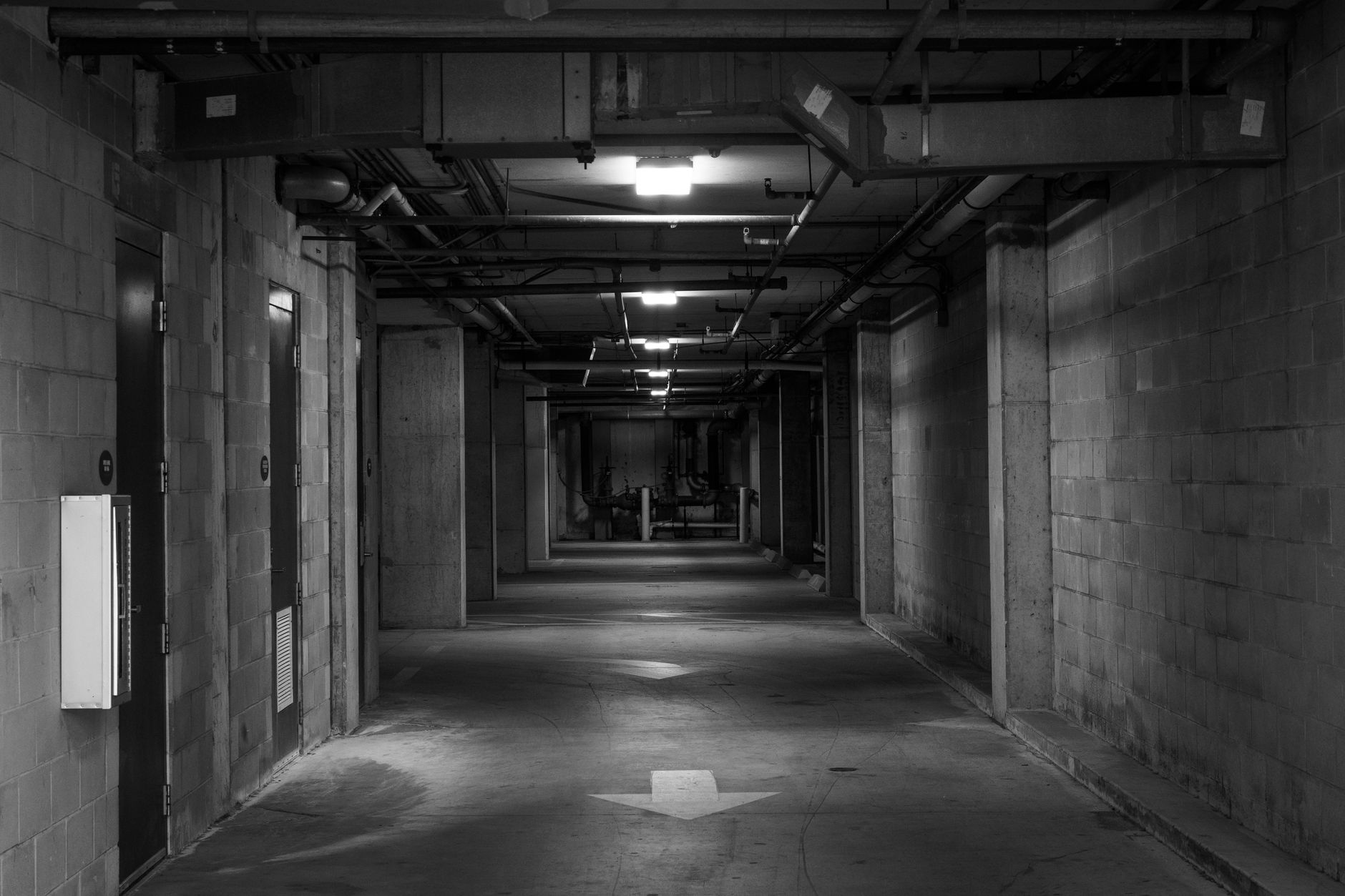
Our 220-bed hospital in Los Angeles, CA sends linen carts through three basement tunnels by hand every night and our night crew is down to four; we're ready to start, so could autonomous mobile robots run those tunnel routes without blocking the loading area?
The short answer
Mostly yes, for the repetitive part of the job. Autonomous mobile robots can tow linen carts along a mapped Los Angeles hospital tunnel route at night, but only if the loading area is designed for them before go-live: a dedicated staging bay, a clear lane, and a rule that keeps robots from queuing at the dock. Robots do not replace the sorting, loading, and elevator handoffs your crew does, so with four people on nights the realistic gain is fewer manual tunnel trips, not a crew of zero. Start with one route and one leased unit, and let the free site assessment show whether your tunnels, dock, and carts fit.
Key takeaways
- Robots can take the repeat tunnel trips; loading, sorting, and elevator handoffs stay with staff.
- Design the dock first: a staging bay outside the staff lane decides whether a route blocks traffic.
- Cart compatibility is a site question, so check your exact carts before choosing a route.
- California's indoor heat standard applies above 82°F, so measure tunnel temperatures early.
- Start with one route and one leased unit, then add routes once the first one runs clean.
Can mobile robots run Los Angeles hospital tunnel linen carts?
Mostly yes, for the repetitive part of the work. A hospital tunnel suits autonomous mobile robots because the route is fixed, the traffic is fairly predictable, and the same cart moves repeat every night. The robot follows a mapped path, slows or stops for people and obstacles, and returns to charge. That is the transport leg your crew now walks by hand on three long routes.
The fit breaks at the same three points in most hospitals: the loading area, the freight elevator, and the cart itself. A robot can hold up a dock if staging is badly placed, can wait at a locked or shared door, and cannot tow a cart that does not match its hitch or docking method. These are site questions, and they decide the answer more than the choice of robot does.
Our answer for your building depends on three things we check in a free site assessment: the route geometry, the dock layout, and whether your carts can be handled by the units we would lease. We are OEM-neutral, so we select the unit that fits your tunnel and carts, not whichever model one manufacturer happens to offer.
Will a robot block the loading area at the tunnel dock?
Blocking is usually a layout problem before it is a robot problem. Many tunnel docks have one lane that doubles as a staging spot for carts waiting to go up or down. A robot that arrives while that lane is full will stop and wait, and the wait spreads back down the route. That is the failure you are worried about, and it is avoidable with the right design.
Fix it with a designated robot bay outside the staff walking lane, floor markings or fixed guides that show where carts wait, and a staging rule that keeps other carts out of the bay. Fleet traffic rules can hold robots a set distance from the dock door until the bay clears. Test the design with your site team on a daytime run before the first night shift.
Where a dock or elevator is shared with deliveries, expect some queuing at peak times. Measure how long the robot waits, not just whether it moves. A short, predictable wait is acceptable on a linen route. A wait at a door that holds up a delivery is not, and that is the result to rule out in testing.
How much night work is the crew really carrying?
Your night crew is the constraint, and the national data shows how thin this workforce is. According to the Bureau of Labor Statistics May 2023 estimate, general medical and surgical hospitals employed 6,970 laundry and dry-cleaning workers nationally, about 0.12% of that industry's employment. The May 2021 figure was 6,920, so the count barely moved between those two estimates. A crew of four covering three long routes leaves little slack for sick days or open shifts.
The national data does not show turnover or vacancy rates for this job, and we did not verify Los Angeles wage or vacancy figures for this page. Use your own records instead: recent timekeeping for tunnel runs, the time each run takes, and the number of nights a route ran short. Those three measures decide whether one route or all three is the right first scope.
A robot takes the repeat transport leg, the part where a person walks a cart from one point to another and back. It does not take sorting at the soiled and clean areas, loading the cart, or handing it to a unit. Plan the staff split around that line before choosing routes, so the hours you expect to free up are the hours the robot actually takes.
What do the injury and safety numbers mean for a tunnel crew?
California has its own indoor heat rule. According to Cal/OSHA guidance, Section 3396, the indoor heat standard took effect July 23, 2024, and it applies to indoor workplaces when indoor temperature is above 82°F. Basement tunnels can run cooler than the street, but they are not automatically cool, so measure tunnel and dock temperatures before deciding where people and robots work.
Rain is a small factor here. According to a Water News Network article quoting National Weather Service meteorologist Scott Sukup, downtown Los Angeles averaged 7.75 inches of rain a year since July 2011, which is drier than normal. Dry weather means fewer storm-wet floors, but tunnel floors still get wet from carts, cleaning, and foot traffic, so floor checks stay in the nightly routine.
Injury rates are a reason to plan the people side carefully. According to Carrier Management's summary of BLS data, the health care and social assistance total recordable case rate was 3.4 per 100 full-time equivalent workers in 2024, down from 3.6 in 2023. A Safety and Health magazine report on the same BLS data put the 2024 total recordable incident rate at 2.3 per 100 full-time equivalent workers, down from 2.4 in 2023. A robot removes some pushing, but cart handling at each end of a run still needs ergonomic checks.
How have hospitals run linen and waste carts with robots?
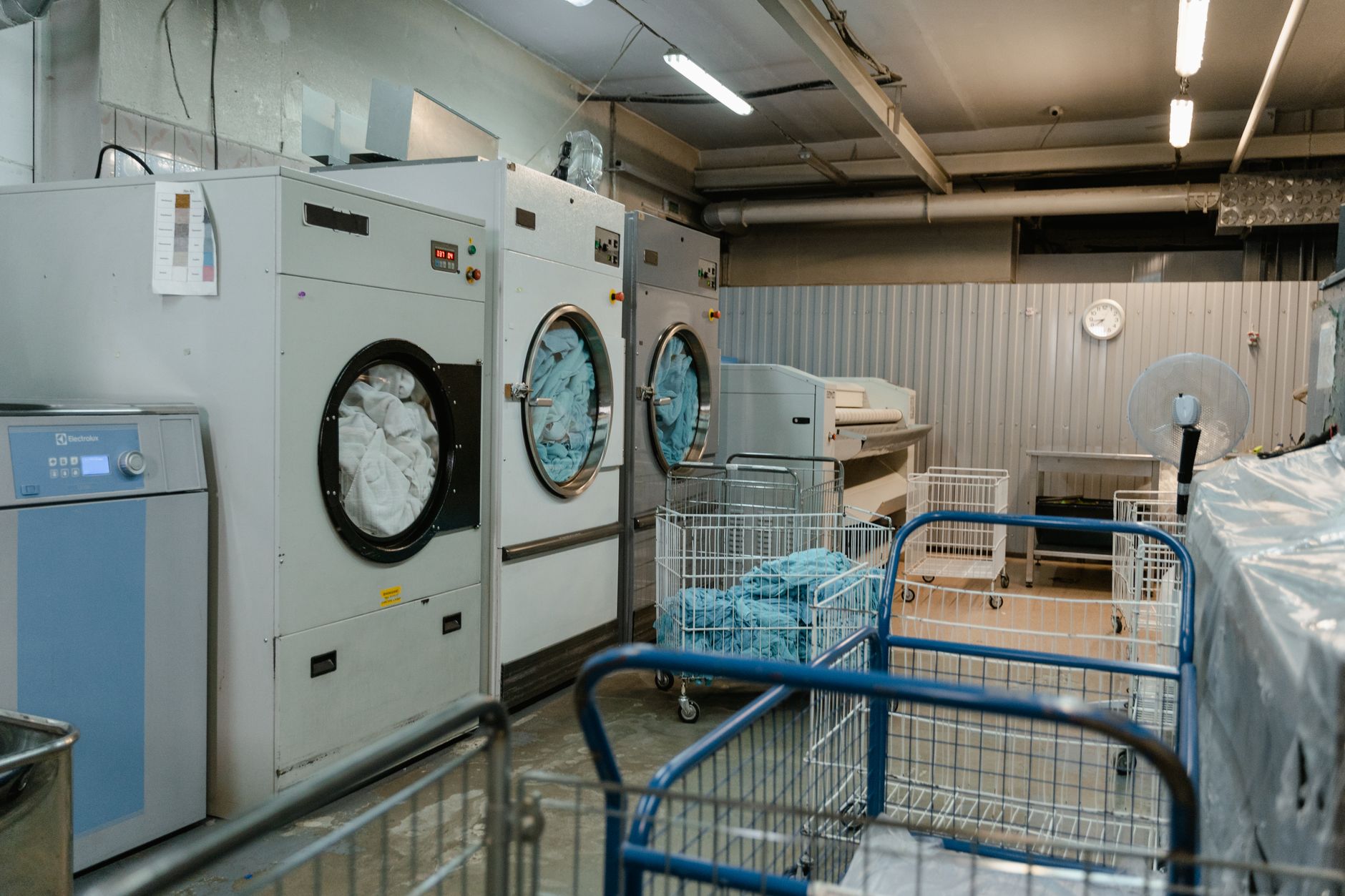
Hospitals that have done this work show a common pattern: a supervisor and a queue. A Milwaukee hospital, Froedtert, uses robots that tow linen and waste carts, with a supervisor assigning jobs through a queue and watching for obstacles in the robot's path. The hospital reports that its robots ranked first in its environmental services category for most miles traveled and most deliveries in one year. The supervisor role is real labor, so plan who fills it.
Cart compatibility is the other lesson. A Danish university hospital found that many mobile robot systems run mixed operating software versions, so the robots had to fit the hospital's existing carts or the carts had to change. It judged that this could exclude most suppliers or add large customization cost. Ask any integrator, including us, to show how the robot's hitch or docking method handles your exact cart model before you commit to a route.
Adoption is growing, though the figures are global and sector-wide rather than specific to hospitals. According to IFR's service robot release, global professional service robot shipments rose 24% to almost 250,000 units in 2025, and transportation and logistics was the top application at 117,500 units. Hospital tunnel work sits inside that logistics growth, so treat the trend as context, not as proof for your building.
What does a leased robot route involve at a Los Angeles hospital?
Start by defining the first route: one tunnel run, one dock, and one elevator or door is enough for a first lease. The free site assessment maps the tunnel, measures door widths and grades, and records where carts stop and wait. We then send a quote for a lease through financing, so the first route does not depend on a large upfront outlay of your own capital.
Wireless coverage and charging are where tunnel projects fail quietly. Basement tunnels can have weak coverage, and a robot that loses connection mid-route needs a defined behavior: stop, report, and wait for a person. Ask for a coverage check along every tunnel, and decide where the robot charges so the charging point is never in the dock lane.
Run go-live in phases. Test one route in daytime with staff present, then run it overnight with a person at the dock, then add the second route only after the first has run clean for an agreed period. Use those weeks to set queue rules, the escalation path, and the backup plan for when a unit is down.
How is service and repair handled for tunnel robots overnight?
A tunnel route that goes down overnight is a staffing problem, so service terms matter as much as the robot. Our service plan covers every unit we lease, and it is delivered by regional service engineers in every state we service. Remote triage sorts most faults first, and on-site dispatch follows when a person has to go into the tunnel.
Ask for spare unit coverage in the quote. If the night route depends on a single robot, one failure stops the whole route, and a backup unit or loaner plan keeps linen moving while repairs happen. Get response windows for overnight calls in writing, since those are the calls that will matter most to your team.
Insurance and liability need the same clarity. Ask which party covers damage to carts, doors, and building fixtures, and whether robot logs can be shared with your risk team after an incident. Those answers belong in the quote, not in a later conversation.
Who should not use robots for this route?
Robots are the wrong first move if your routes are not mapped, if tunnel traffic is unpredictable, or if the loading area is the true bottleneck. They are also the wrong tool if your carts cannot be engaged without a major rebuild. In those cases a layout fix, a second cart type, or a staffing plan may save more time than a robot.
Reconsider if the real problem is recruiting rather than route time. A robot cuts the repeat walking, but it does not fill open shifts, and it does not cover the sorting, loading, and handoffs that keep linen in circulation. If your staffing gap is wider than the tunnel work, a robot will leave you short somewhere else.
Local conditions do not block a pilot. Los Angeles rainfall is low, so storms are a minor factor for basement tunnels, and the main local task is temperature and floor measurement under the indoor heat standard. Use the free site assessment to put real numbers on your own tunnels before committing to any route.
Frequently asked questions
Put a robot to work in Los Angeles.
We walk your site, learn the job, and recommend the unit that fits. Then we quote the lease, deploy it, and keep it serviced.
Sources
- BLS Occupational Employment and Wage Statistics, May 2023
- Safety and Health magazine, report on BLS injury data
- Carrier Management, summary of BLS data
- IFR, World Robotics service robot release
- Water News Network
- Cal/OSHA indoor heat illness guidance
- Froedtert Hospital robot linen and waste story
- Zealand University Hospital mobile robot case study