
The question, in the buyer's words
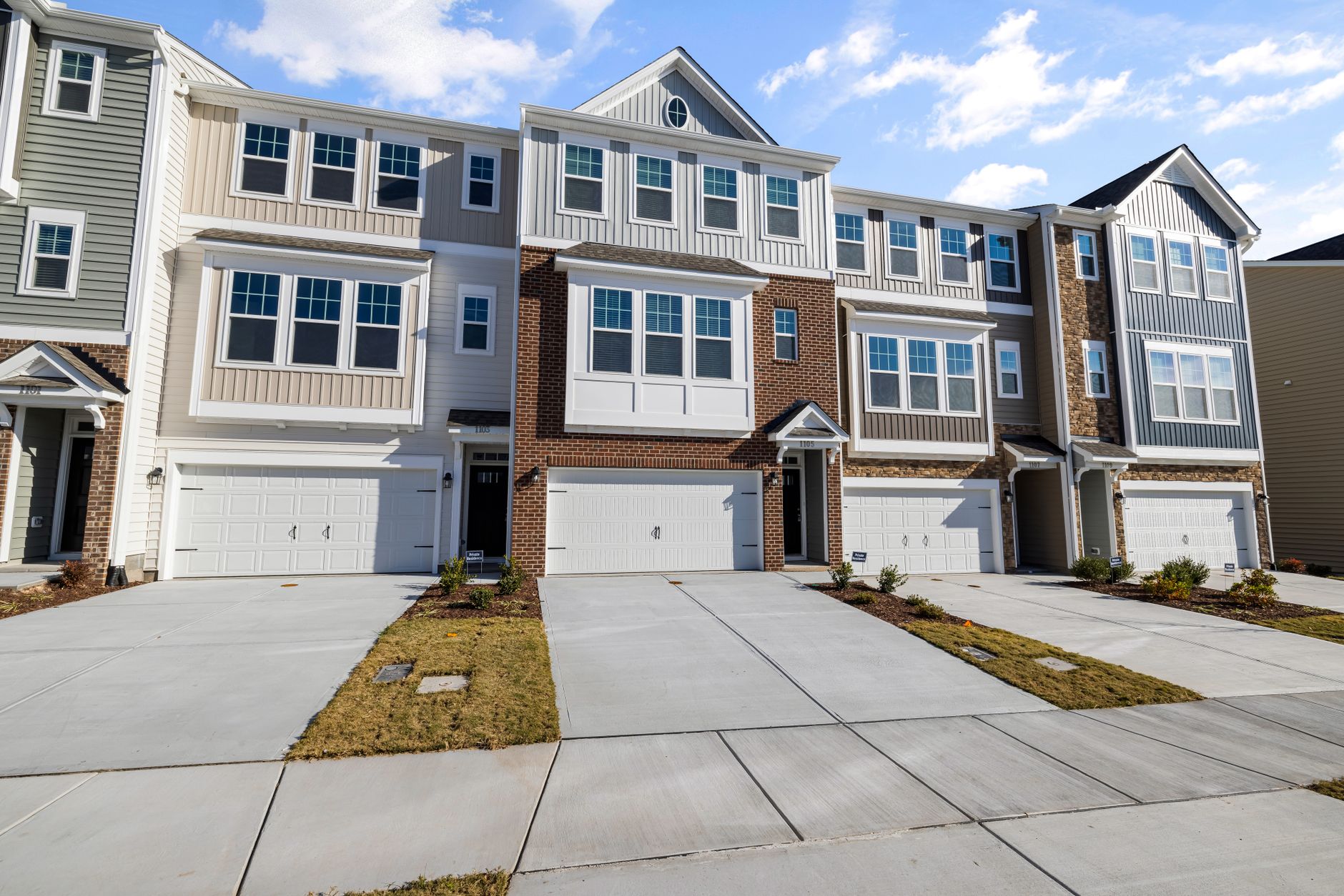
We manage 14 townhome common-area sites across an HOA portfolio and we're ready to start mowing robots next spring; what does a site survey need from us before the first install?
Key takeaways
- Survey every site before ordering anything: boundaries, slopes, obstacles, charging spot, power and signal.
- Slope limits differ between manufacturers, so get each unit's rating in writing before installation.
- Robotic mowers cut turf inside their boundary; trimming, edging and anything near people stay with the crew or under a supervision rule.
- Use one survey template for all 14 sites so they can be ranked and compared on the same measures.
- Pilot two or three open sites first, then decide the rest from measured hours and incidents.
What does a townhome HOA common area mower site survey cover?
A townhome HOA common area mower site survey is the step that decides whether a robotic mower can cut a given lawn reliably without a person steering it. It records the mowing boundary, the slope, the obstacles, the charging spot, and whether power and a signal can reach that spot. For a portfolio of 14 sites, the survey turns general interest in mowing robots into a site-by-site plan that a board or a director can sign off.
Townhome HOA common areas sit inside a large market. According to the 2025 Statistical Review from the Foundation for Community Association Research, as summarized in a trade press release, the US had about 373,000 community associations covering HOAs, condos and co-ops, with 78.1 million residents and a 35.2% share of US housing. That count is context, not a planning number. The HOA-only split was not separately verified, so your own portfolio records should be the baseline for the survey.
Where does crew time go on a townhome common area?
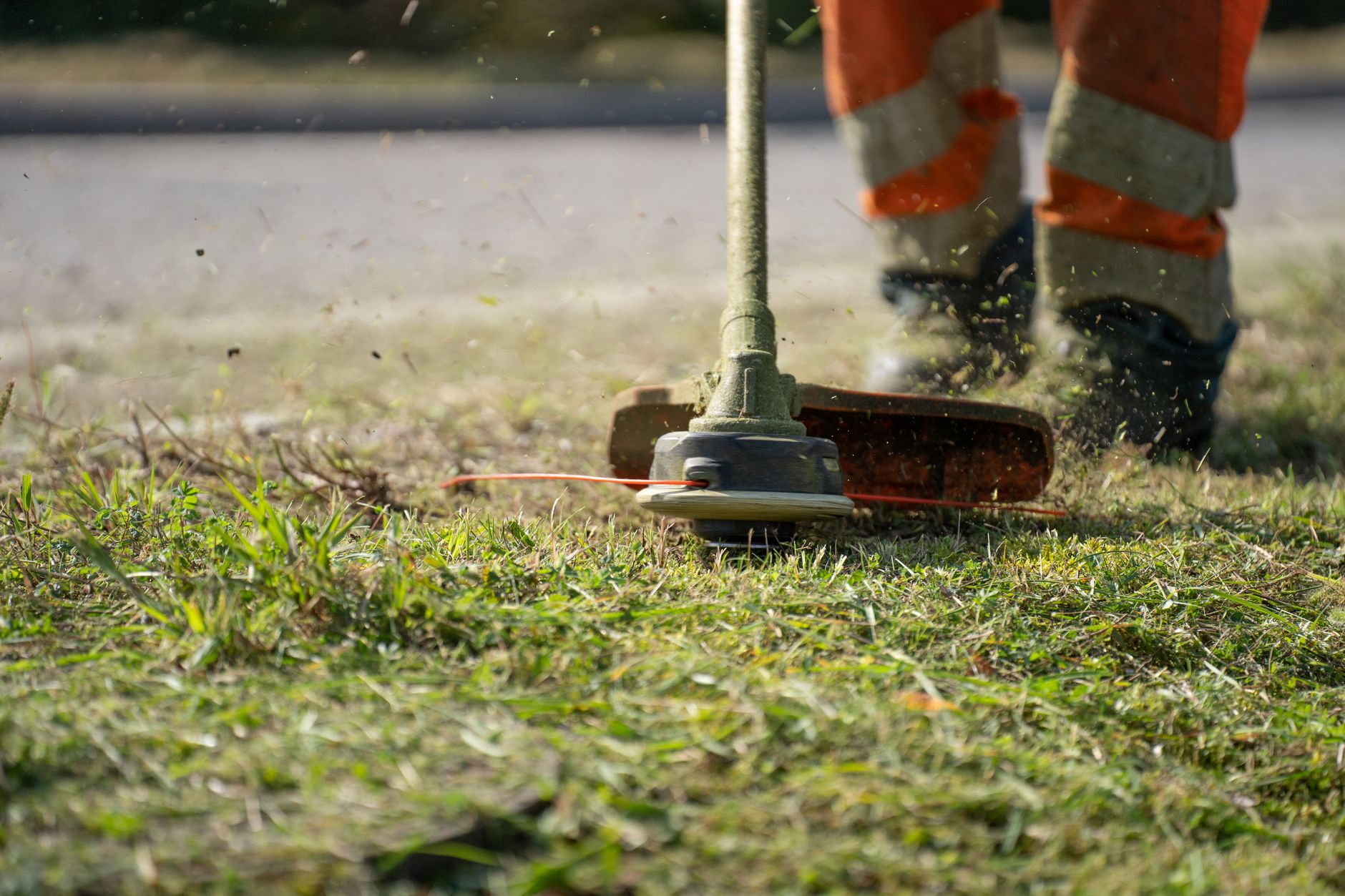
Before choosing a robot, separate mowing from the rest of the visit. On townhome common areas, a crew usually spends time on trimming along beds, walks and fences, edging, blowing clippings off paths, and working around fixed objects, in addition to cutting open turf. A robotic mower takes on the cutting pass inside its boundary. It does not take on the hand work, so the crew's hours after a robot is added are the remaining hand work plus any supervision the robot needs.
Measure this split at each site before you set a target. Time a full visit, mark which minutes are open turf and which are hand work, and note any site where the crew spends most of its time on edges. A portfolio of small lawns often has a higher share of edge work than a large open field, and that share decides how much a robot changes the visit.
What does the survey measure on each site?
Start with the mowing area itself. Map the grass each robot would cover, note every edge where turf meets a bed, path, curb or fence, and mark any strip that will still need hand work. Ask for a site plan for each of the 14 sites, and walk the boundaries. A dimensioned sketch is enough for a first pass, but the final boundary layout is set during installation.
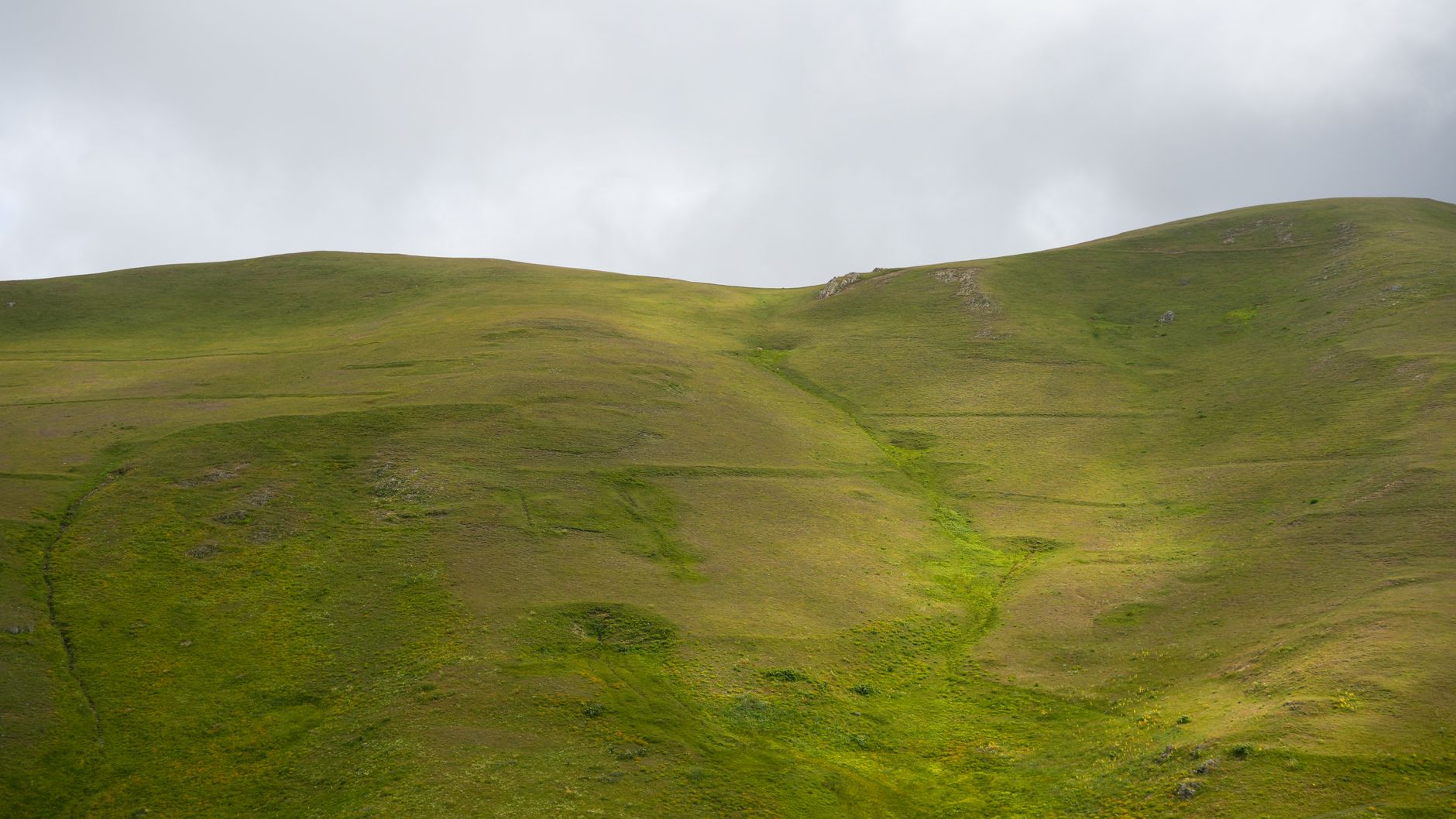
Slope is the item most likely to change the answer. One manufacturer's manual says a boundary wire on a slope should follow ground under 10 degrees, with at least one meter of flatter ground below any steeper section. Another manufacturer's manual recommends a strip of at least two meters between the wire and any slope of 10% or steeper, because mowers can overshoot the wire downhill, especially on wet ground. Degrees and percent are not the same measure, so record each slope both ways and ask the provider which rating its equipment is built to.
Also map drainage. Low spots that stay wet after rain, swales and ditch banks are where overshoot and wheel slip show up. Note the wet areas by season, since spring and fall are when a sloped site is most likely to misbehave in the first weeks of mowing.
How do the charging station, power and signal get planned?
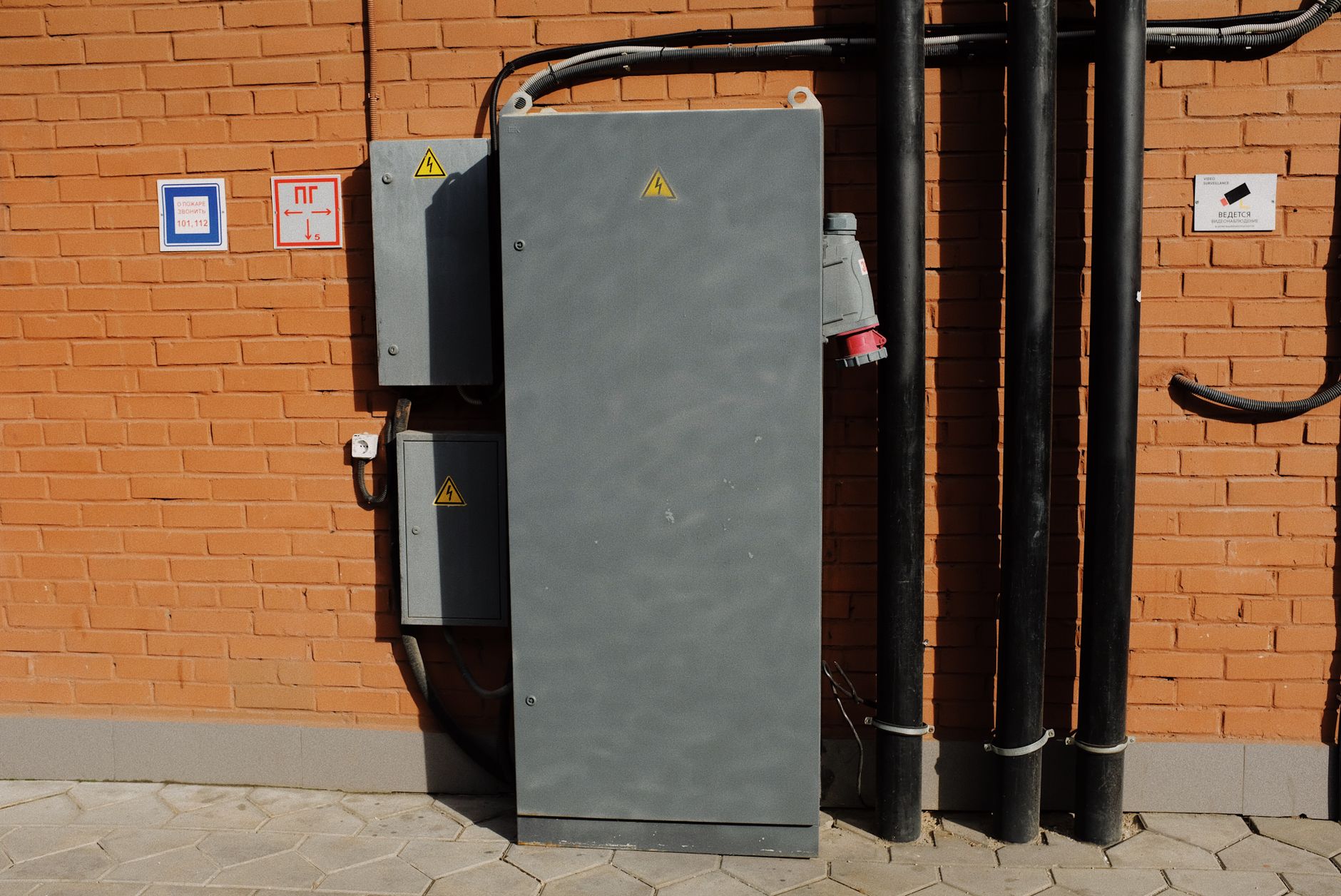
The charging station is the piece that is easiest to get wrong and hardest to move later. Guidance from one charging station manual says to place it at the bottom of a steep slope or in a sheltered, open spot, to avoid corners and confined spaces, to keep it off slopes, and to keep it away from water run-off. Choose the spot with the robot in mind: it needs a clear approach, room to turn, and power within reach of the cable run.
Wired systems need a boundary wire that runs straight for at least 1.5 meters on both sides of the station, according to one manual. Another manual says a mower more than 35 meters from the nearest boundary wire may stop working properly. Guide wires are optional and help the mower reach the station through narrow passages or from remote areas. Plan these distances on the site plan before anyone digs.
Wire-free systems use satellite positioning instead, which needs open sky over the lawn and a base station. A residential installation guide estimates setup at 4 to 8 hours for a typical wired lawn and 30 to 90 minutes for wire-free RTK setup. These are single-source residential figures, not commercial ones, so ask for your own estimate per site and do not multiply them across 14 sites without checking.
What about obstacles, foot traffic and safety?
Obstacle mapping is where townhome common areas differ from open fields. Note every sprinkler head, valve box, light pole, bench, tree with exposed roots, playground edge, pet waste station and walkway that crosses the lawn. Mark which items are fixed and which get moved. A robot learns fixed objects, but temporary items such as bins, hoses and toys still need a clearing rule.
Supervision is a safety question, not only a convenience. A 2025 master's thesis from Auburn University by Erbrick tested autonomous zero-turn mowers and found they averaged 33.7 minutes per acre, which took longer than manual mowers. The author concluded they should not be left unsupervised where people or children may be present. The wider injury record points the same way, though these figures cover all lawn mowers, not robots. A 2018 study of National Electronic Injury Surveillance System data found an annual incidence of 84,945 lawn mower injuries from 2005 to 2015, with no decline over the period. A study of 1990 to 2014 data, published in the American Journal of Emergency Medicine, estimated 212,258 children under 18 were treated in emergency departments for lawn mower injuries.
Set the rule in writing before go-live: who is on site when mowing runs, which walkways get cleared, and who responds when the mower stops. Ask the provider what alerts the robot sends and how quickly a person can reach the site.
How much area can a robot mower cover, and what does a pilot show?
Coverage numbers vary widely by site and job. A trade report on an airport mowing program said three autonomous mowers each cover over 1.4 acres per hour, and that one operator overseeing them with a standard mower can reach about 4 acres per hour. That case is vendor and trade reported, not a controlled study, and an airport is a very different site from townhome common areas with many small, segmented lawns.
Public sector results point the same way on time saved. Nassau County, Florida officials estimated about 600 staff hours saved per year on sports fields, and said a full-day job now takes about three hours. Those are county estimates for large open fields, so treat them as a sign of what open turf can yield, not a forecast for your townhome lawns.
For your portfolio, the useful measure is hours per site before and after, measured during a pilot. Time each site's current mowing and trimming over several cycles, time the robot's runs, and record any stops, manual rescues or missed corners. Decide the rollout from those records rather than from the coverage figures above.
Which townhome common areas are a poor fit for a robot mower?
Not every site should go on the list. Be honest about the sites where a robot will create more work than it saves. Examples include lawns with slopes beyond the limits in the manual, many small disconnected islands that need the wire routed around each one, sites where pedestrians cross the mowing area at all hours with no schedule, and sites where most of the labor is trimming and edging rather than cutting open turf.
Poor signal also rules a site out for wire-free systems. Lawns under tall trees, between tall buildings, or in valleys may not have the open sky a satellite-based setup needs. Those sites may still suit a wired system, but the survey should say so before a quote is built around them.
The honest answer for some of the 14 sites may be to keep the crew mowing. A portfolio can be split, with robots on the largest, flattest, most open lawns and the existing crew on the rest. That split is a normal outcome of a survey, not a failure of the program.
How do we roll out a mower program across 14 sites?
Survey all 14 sites with the same template so they can be ranked. Score each one on slope, obstacles, signal, charging spot and the share of time spent on trimming. Pick two or three of the most open, flat sites for a pilot, and set a fixed period to review hours and incidents before adding the rest.
Our process starts with a free site assessment that maps each site and records the survey items above. We build the quote after that assessment. Robots are leased through financing, so the budget reaches the portfolio as a fixed lease payment set out in the quote. We handle deployment and integration, train the staff who will work with the robots, and service the units under our service plan with regional service engineers in the states we service.
Ask any provider, including us, for the same records you collected: the survey, the slope ratings from the manual, the charging spot plan, the supervision rule and the hours from the pilot. A provider that answers those questions in writing is one you can hold to the install schedule.
Frequently asked questions
Upcoming property management events
- Trade showMinnesota Buildings & Facilities Management Trade ShowNov 19, 2026Minneapolis Convention Center, Minneapolis, MN
- WorkshopIREM Boston Chapter No. 4 Fair Housing Corporate OfferingDec 2, 2026The Simon Companies, Braintree, MA
- ExpoMontana Green EXPO 2027Jan 5 to 7, 2027Hilton Garden Inn, Missoula, MT
- ExpoPittsburgh Remodeling ExpoFeb 5 to 7, 2027Acrisure Stadium, Pittsburgh, PA
Want a robotic mower at your townhome common areas?
Tell us about your site. We will recommend the robot, quote the lease, and keep it serviced.
Sources
- NatLaw Review summary of the Foundation for Community Association Research 2025 Statistical Review
- Airport Improvement, autonomous mowers at Sugar Land Regional
- Action News Jax, Nassau County autonomous mower report
- Auburn University master's thesis, Erbrick, 2025
- PubMed, 2018 study of NEISS lawn mower injury data
- American Journal of Emergency Medicine, pediatric lawn mower injury study
- LER magazine analysis of NEISS lawn mower injury data, 2000 to 2022
- Residential robotic mower installation guide