Key takeaways
- At the BayCare and Rovex pilot in Clearwater, no patients had been moved when the reporting was published, and early work centered on workflows.
- Map every route, elevator, door and handoff before a robot carries anything.
- Name the pilot lead, clinical sponsor, transport supervisor and vendor contact in writing, with backups.
- Write escalation paths and stop criteria before go live, not after the first stalled run.
- Let results, not enthusiasm, set the rule for expanding a pilot to other sites.
What a patient transport pilot has to settle first
A patient transport pilot should settle its scope on paper before anyone is moved. That means stating what the robot will do, who answers for each outcome, what happens when it fails and what result would end the test. Those four items decide whether the pilot teaches you anything.
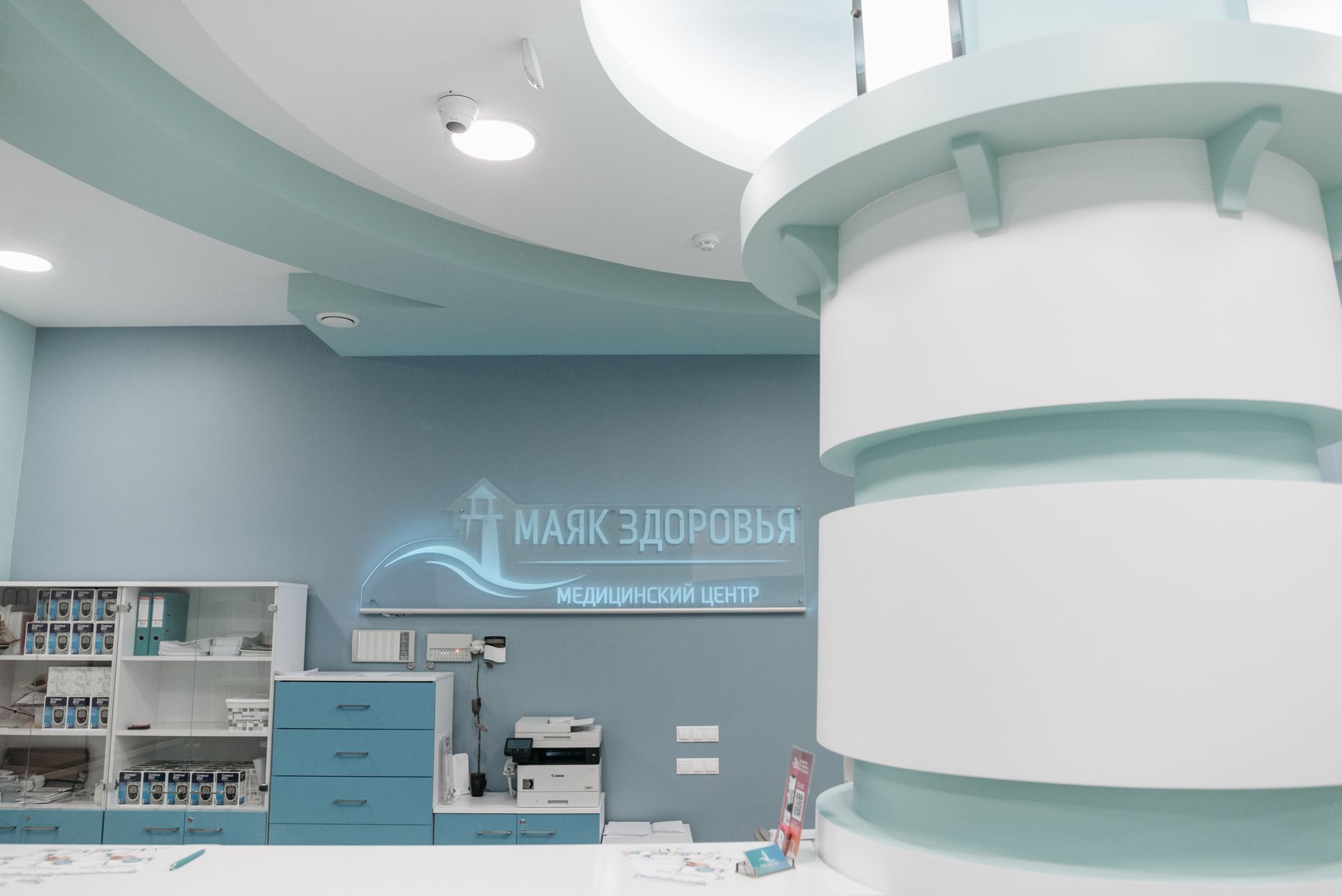
BayCare's pilot with Rovex at Morton Plant Hospital in Clearwater, Florida, is a useful model because it began with the least risky question. The partnership was announced in April 2026, and early reporting described a phased test of whether Rovex robots could improve hospital logistics. No patients had been moved at the time of reporting.
What the Morton Plant pilot is actually testing
Becker's Hospital Review and FOX 13 both report that early work evaluates workflows, transport patterns and operational opportunities. That is a deliberately narrow first step, and it does not put patients on the robot. FOX 13 also reports that Rovex was founded in 2024 by emergency physician David Crabb.
Rovex describes its device, called Rovi, as designed to attach to an existing stretcher and, eventually, to beds and wheelchairs. That is a vendor design description, not an independently validated result. Coverage describes the next step as moving empty stretchers, with stretcher movement inside the hospital possible only in later phases.
Timing is less settled. WUSF reported a seven month pilot beginning in April 2026, but that figure appears inconsistently across coverage, so treat it as unconfirmed. A May 2026 Robot Report article said the robot was not yet transporting patients at the BayCare site. These reports date from spring 2026, so check for newer updates before citing them.
Map the workflow before the robot moves anything
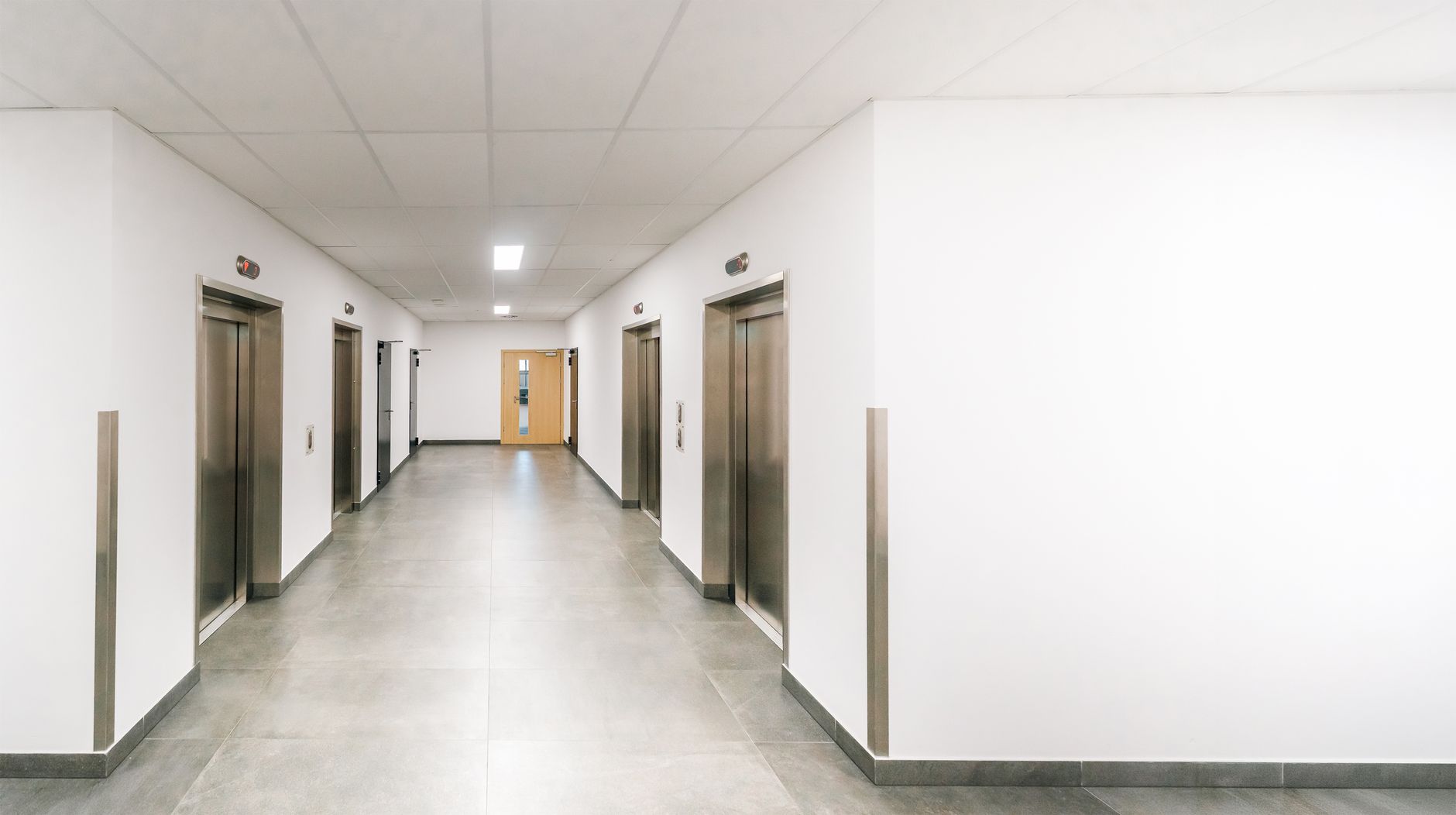
Workflow evaluation is the part teams rush, and it is the part that makes every later number meaningful. A pilot that cannot describe its existing runs cannot show that a robot improved them. Record the baseline across full shift patterns, breaking each run into its steps.
That map becomes the baseline for staff hours, delays and route conflicts. Without it, a pilot report has nothing to compare against, and the hours at stake stay unmeasured.
- Origin and destination pairs, with run volume for each pair
- Elevator, door and access dependencies on every route
- Handoff points where a nurse, aide or transporter takes over the stretcher
- Peak windows when corridors or elevators already congest
- Paths a robot cannot use, such as tight turns, door thresholds or stair only access
Staff roles: who decides, who watches and who calls
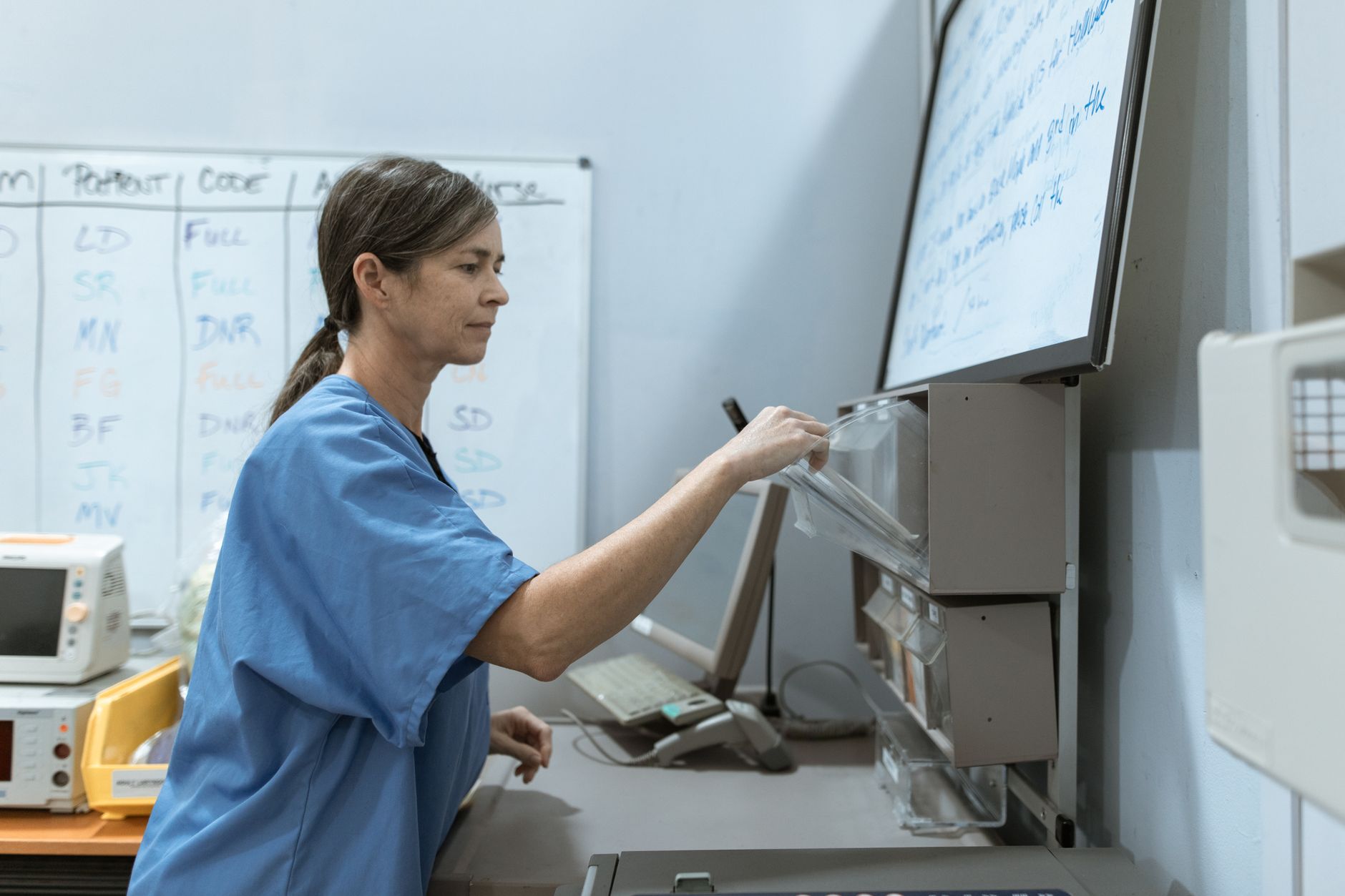
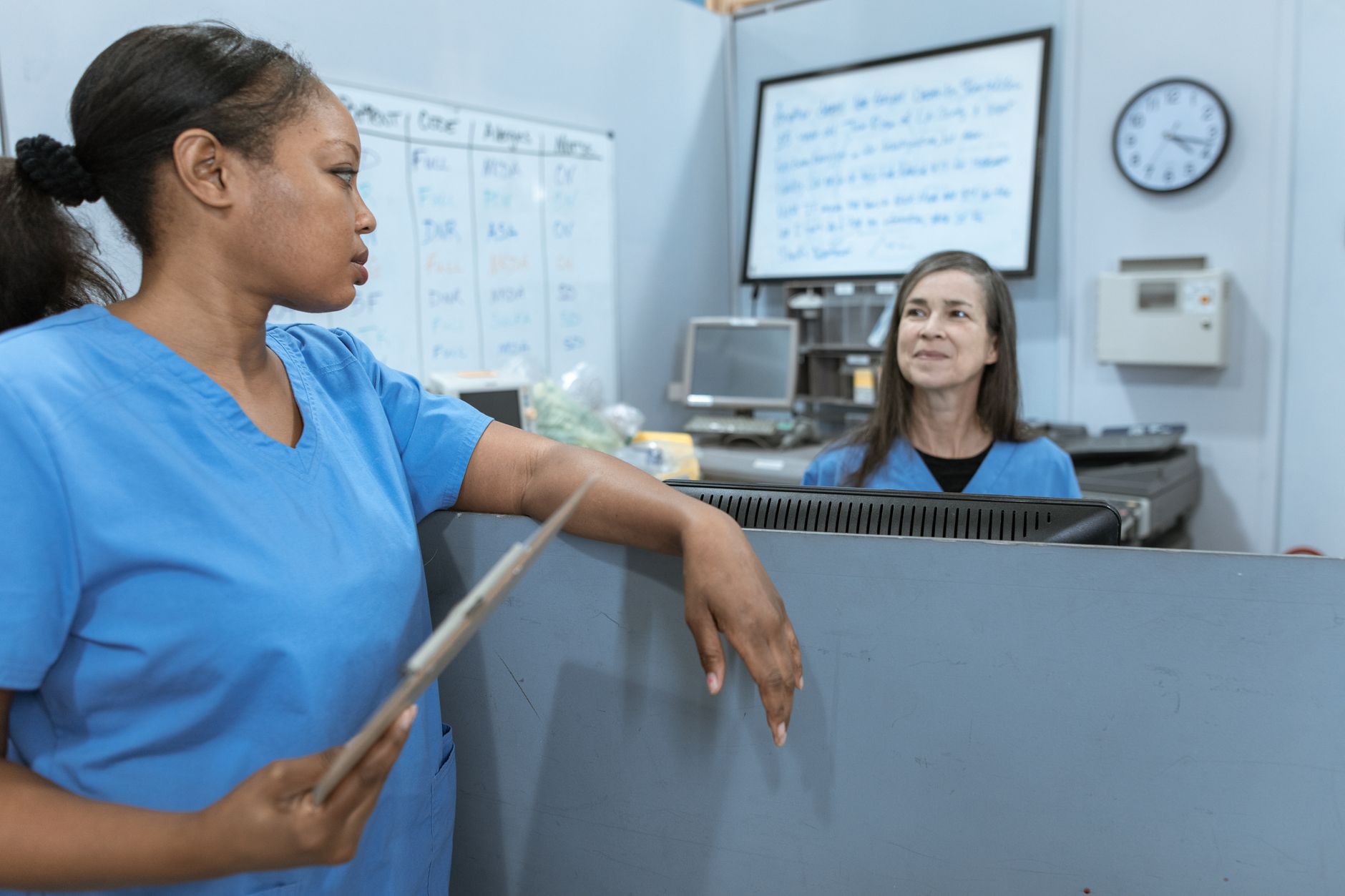
Name roles before the first run, and keep each one small enough that the person can actually perform it. A pilot lead owns the schedule and the decision log. A clinical sponsor decides what counts as a patient safety event. A transport supervisor owns route rules and handoff standards. A vendor technical contact keeps the robot working.
Floor staff need a role too. Someone on each shift should know how to halt a unit, what to tell a patient or family member, and whom to call. Post that on one page at the station, because a binder will not be read during a stalled corridor run.
Escalation paths and on site response
An escalation path answers one question: when something goes wrong, who gets the call and in what order? Define at least three levels: a local hold by floor staff, a remote call to the vendor, and an on site engineer dispatch. Each level needs a named contact, a backup and a stated response expectation.
This is the layer pilots most often leave vague. Service Robot Co. is a vendor neutral robot integrator for US businesses. We select robots across manufacturers, lease them over three years with one fixed payment quoted after a site assessment, then handle robot deployment and integration, training and service through a nationwide US engineer network. That means one partner covers the dispatch chain for the whole lifecycle, though clinical escalation stays with the hospital.
Stop criteria: the rules that pull a robot from service
Stop criteria are the conditions that take the robot out of service. Write them before go live, while nobody is under pressure to keep the pilot alive. Cover patient safety events, repeated stops on the same route, elevator conflicts that staff cannot clear, and any moment a clinician asks for a halt.
Choose thresholds with the clinical sponsor and the vendor, and record why each one was set where it sits. A stop rule without a stated reason tends to get argued away after the first bad week, usually by the people who most wanted the pilot to succeed.
Phase gates belong in the same document. Moving from workflow evaluation to empty stretchers should require a written sign off, not a calendar date, and moving to occupied stretchers should need its own sign off. Coverage of BayCare's plan already sequences the work this way, moving from workflow review to empty stretchers before any patient movement.
What the pilot has to prove before anyone expands it
BayCare and Rovex will evaluate results to decide whether to expand to other BayCare Florida facilities, according to FOX 13. A BayCare spokesperson said there is no timeline or plan beyond the Morton Plant site. Expansion should follow results, and a pilot should never assume a next phase.
Define the evidence now. At minimum, the pilot should produce the workflow map, a log of every stop and escalation, staff time recorded against the baseline, and a written verdict from the clinical sponsor. Rovex's description of its work as the first autonomous patient transport inside a hospital is repeated by outlets, but Pulse notes that it has no third party validation yet, so treat it as a company claim.
Frequently asked questions
Want a robot working for you?
Tell us the job and the site. We will recommend the robot, quote the lease, and keep it serviced.