
Key takeaways
- Start with three units on a few repeat routes with a clear receiver, not the whole building.
- Map each route and every elevator and handoff point at the hours the robot will run.
- Write the review date and the criteria for adding units before the first run.
- Treat Relay's 8 to 12 week figure as a vendor-reported estimate and check it against your integrator's dated plan.
- Add units one route at a time, and only when the written criteria are met.
Why begin with three robots instead of a full fleet?
Three units is enough to test what a hospital actually needs from a robot: which routes repeat, where elevators stall, and how nurses and runners respond when a robot arrives at the wrong door. A full fleet asks the same questions at a much higher cost, and the answers arrive too late to change the layout.
BayCare's June 3, 2026 expansion shows the phased pattern in practice. According to Relay Robotics' announcement, as carried by RoboticsTomorrow, two robots named Stork and Miles were added at BayCare's Winter Haven campuses. According to the Winter Haven Sun, the first two Relay units, Beaker and Hygeia, went to St. Anthony's Hospital in 2025, which brings the health system's Relay fleet to four.
The sequence matters more than the count. Each addition should wait on evidence gathered from the one before it.
How do you pick the first three routes?
Start with runs that repeat, carry a clock and end at a named receiver. Specimens moving between a clinic and a lab, and medication or supply runs to wings, fit that pattern. Relay's blog says Stork runs specimens between the Urgent Care clinic and the second-floor lab, while Miles covers medication and supply runs in wings without pneumatic tube systems. Press coverage describes the main hospital duties differently, listing pharmacy, lab and infusion center runs, so confirm the assignments with the vendor before you copy them.
Screen each candidate route against a few plain questions before a unit is committed to it:
- How many times per shift does a person carry this item by hand today?
- Does the path cross elevators, automatic doors, or a tube system that already covers it?
- Do the peak hours overlap with shift handovers, when staff are least available to receive?
- Is there a named person at the far end, and can that person be reached during the run?

What does mapping and elevator setup involve?
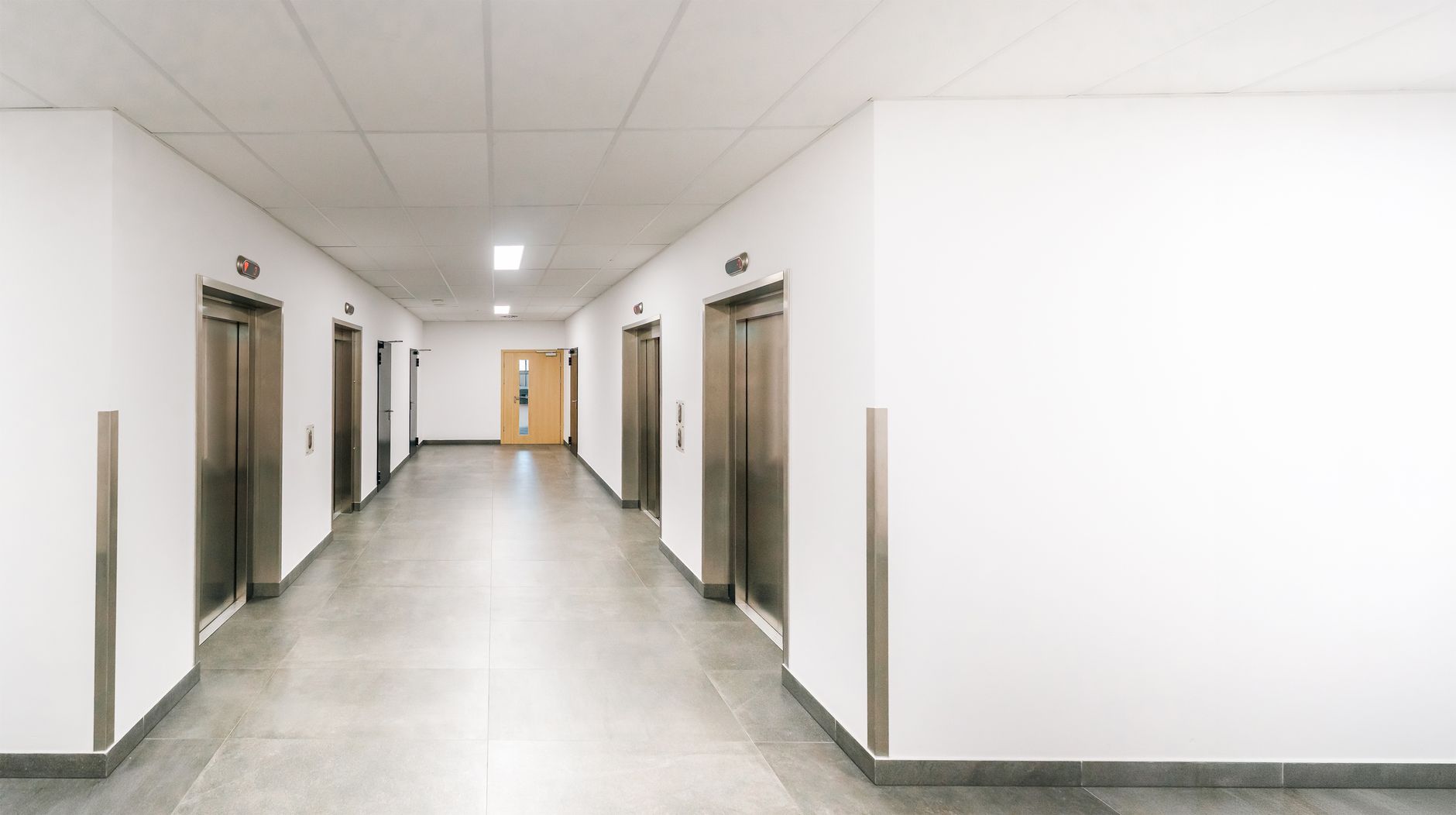
Mapping is the step most often underestimated. According to the Winter Haven Sun, Relay's team mapped the robot routes through the Winter Haven hospitals and set up elevator sensors so the robots could board lifts. Each route should be walked at the hours it will actually run, not only during the day when the drawings were made.
Put the handoff points on the map as well as the path. A robot that reaches the right floor but stops at a door with no one to take the item has not finished the run. Service Robot Co. treats site assessment and mapping as the first step of every deployment, and our three-year lease is quoted as one fixed payment only after that assessment, so the floor drives the number and not the reverse. We are OEM-neutral, so the route design is not tied to one manufacturer's catalog.
How should staff training run before go-live?
Train the people at both ends of a run, not only the staff who start it. Runners need to know how to load a unit, clear a blocked corridor and send the robot back. Receiving nurses and unit clerks need to know how the robot announces its arrival, how long it waits at a door, and whom to call when a run fails.
Rehearse the real route before go-live. A practice trip with an empty tray shows whether elevator waits and door timing match the map. Name a lead for each shift, so someone always makes the call on a stuck robot, and write down the steps that person follows in order. Service Robot Co. includes training in deployment and integration, supports go-live, and services every unit through a nationwide US engineer network, which matters in phase one when a three-unit fleet cannot absorb a long wait for repair.
What timeline should you expect, and whose figure is it?
Relay states that a typical hospital rollout takes about 8 to 12 weeks, covering integration hardware work, floor mapping and staff training, with onsite installation generally taking 1 to 2 weeks. That figure is vendor-reported, and it appears in Relay's release on its HCA Florida JFK deployment. A RoboticsTomorrow article on the BayCare expansion describes a typical deployment as about 12 weeks, with the same 1 to 2 week onsite window, so the sources do not agree on the top of the range.
Treat the range as a hypothesis to test, not a schedule to accept. Ask your integrator for a dated plan that lists each step, who owns the work and what must be true before the next step begins. Set that plan beside Relay's figure, and record where the two differ and why.
Which early numbers should the review use?
Vendor figures are worth reading, but they are not measured results at your site. Secondary summaries of Relay's material report more than 500 deliveries and an estimated 150 clinical hours saved in one reported period. Relay's BayCare case study also says Stork completed 18 deliveries in her first two days. Each of these is a company-reported number, and none should stand in for your own data.
Measure your own trips instead. Log each run's start, arrival, handoff and any manual rescue, then compare your unit's trip count and elevator waits with what the vendor projected. A gap is a question to bring back to the vendor, not a reason to trust either side.
What criteria should decide whether to add units?
Fix the review date in writing before the first robot runs. A date set at sign-off keeps the review from sliding while the team is busy with the next project. Choose it to fit the route cycle your hospital really runs, and name who gathers the logs and who makes the decision.
Add a unit only when the phase meets criteria written down in advance. Common tests include:
- Every route in the phase completes without manual rescue across a run length agreed before go-live
- Handoffs at each receiving point are logged, and most of them succeed
- Staff on every shift can clear a stuck run without the integrator on site
- Elevator waits stay inside a window agreed with nursing and facilities
- Service calls are answered inside the response time written into the agreement

What happens if the criteria are not met?
If the criteria are met, add units one route at a time, and only to a route that met them. If they are not met, fix the cause before expanding, because a larger fleet multiplies the same failure across more floors and more shifts.
Frequently asked questions
Want a robot working for you?
Tell us the job and the site. We will recommend the robot, quote the lease, and keep it serviced.
Sources
- RoboticsTomorrow: BayCare expands autonomous hospital delivery with new Relay robots at Winter Haven hospitals (June 3, 2026)
- Relay Robotics blog: BayCare expands autonomous hospital delivery with new Relay robots at Winter Haven hospitals
- Winter Haven Sun: Robots bring innovation to Winter Haven's BayCare campuses
- Relay Robotics release on HCA Florida JFK Hospital deployment (Webull)
- RoboticsTomorrow: BayCare Relay expansion article (content page)
- Relay Robotics case study: BayCare Health System
- Pulse.bot: BayCare expands autonomous hospital delivery with new Relay robots at Winter Haven hospitals