Key takeaways
- Doors, elevator lobbies and crowded corridors are the three places to test before any route goes live.
- An elevator wait can add more time to a delivery than the robot's travel does.
- Corridor widths and door hardware belong on the route map before anyone promises a delivery time.
- Test each choke point at the hours your hospital or hotel is busiest, not during a quiet morning.
Where do delivery robots stall first?
Delivery robots rarely fail in open space. They stall at thresholds: an automated door that does not respond on the first request, an elevator lobby where a cart blocks the car, and a corridor where a linen cart, a wheelchair and a robot cannot all pass at once. For hospital and hotel operators, these are the points to map and test before anything rolls out.
The published work points the same way. Papers on hospital and care robots keep returning to doors and elevators, and the mapping research now tries to flag tight passages before a robot drives them. The sections below cover each choke point, then how to test it before go-live.
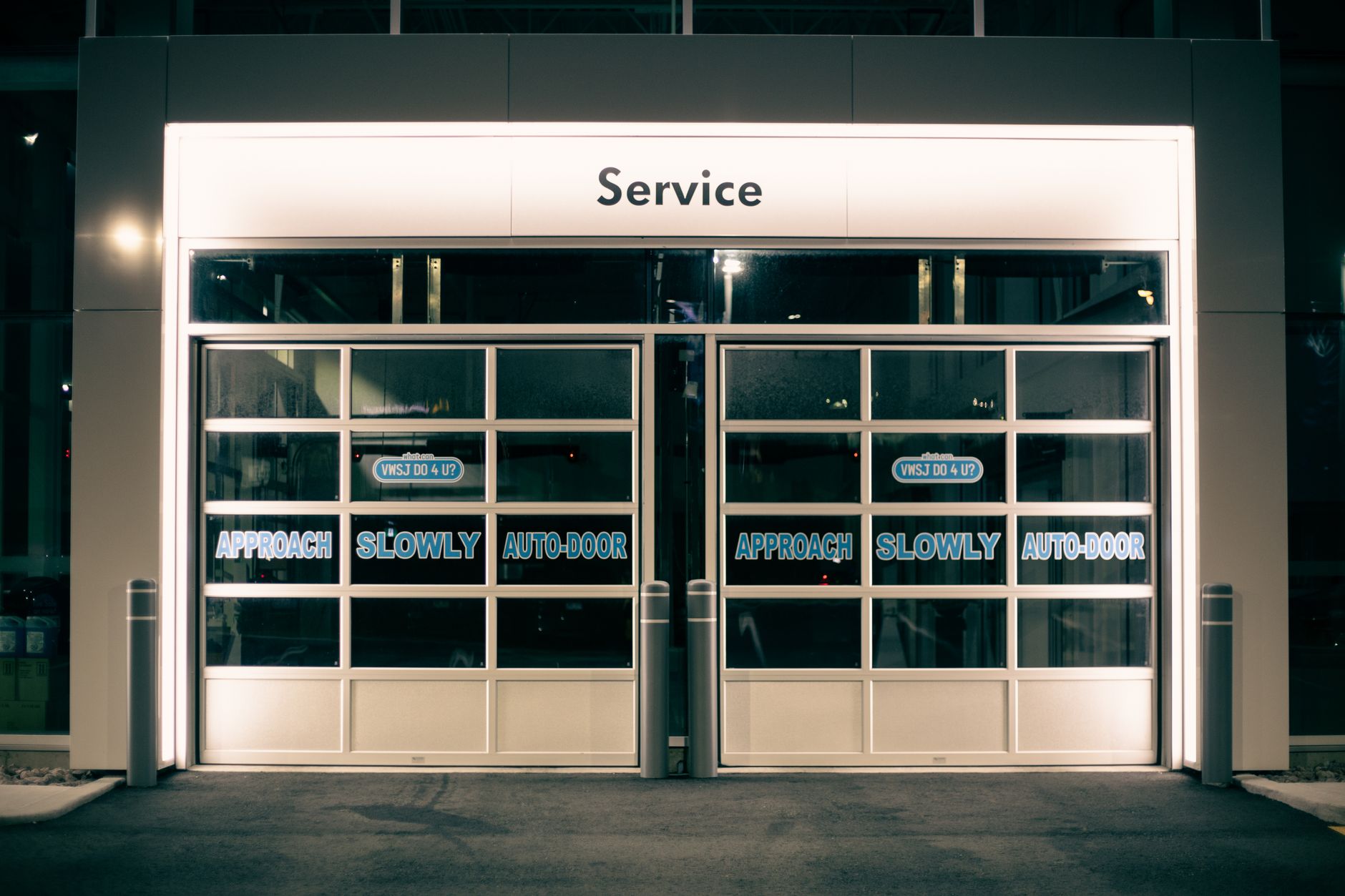
Why are doors the first bottleneck?
A closed door is a full stop, not a slowdown. A 2024 paper argues that assistive robots working in existing buildings must open closed doors and operate the human facing elevator controls, and that prior knowledge of specific doors makes handling them more reliable than generic door opening methods. A 2025 Frontiers paper by Schulze and colleagues describes a project to let care robots use elevators and open closed doors autonomously.
Automated doors add timing risk. A 2022 Frontiers field test at Tartu University Hospital ran a heterogeneous robot fleet in narrow, crowded hallways and used RMF middleware to control automated doors and link into building infrastructure. Ask whether each door is scheduled, triggered remotely or left to a sensor, because each setup produces a different wait.
What happens in elevator lobbies?
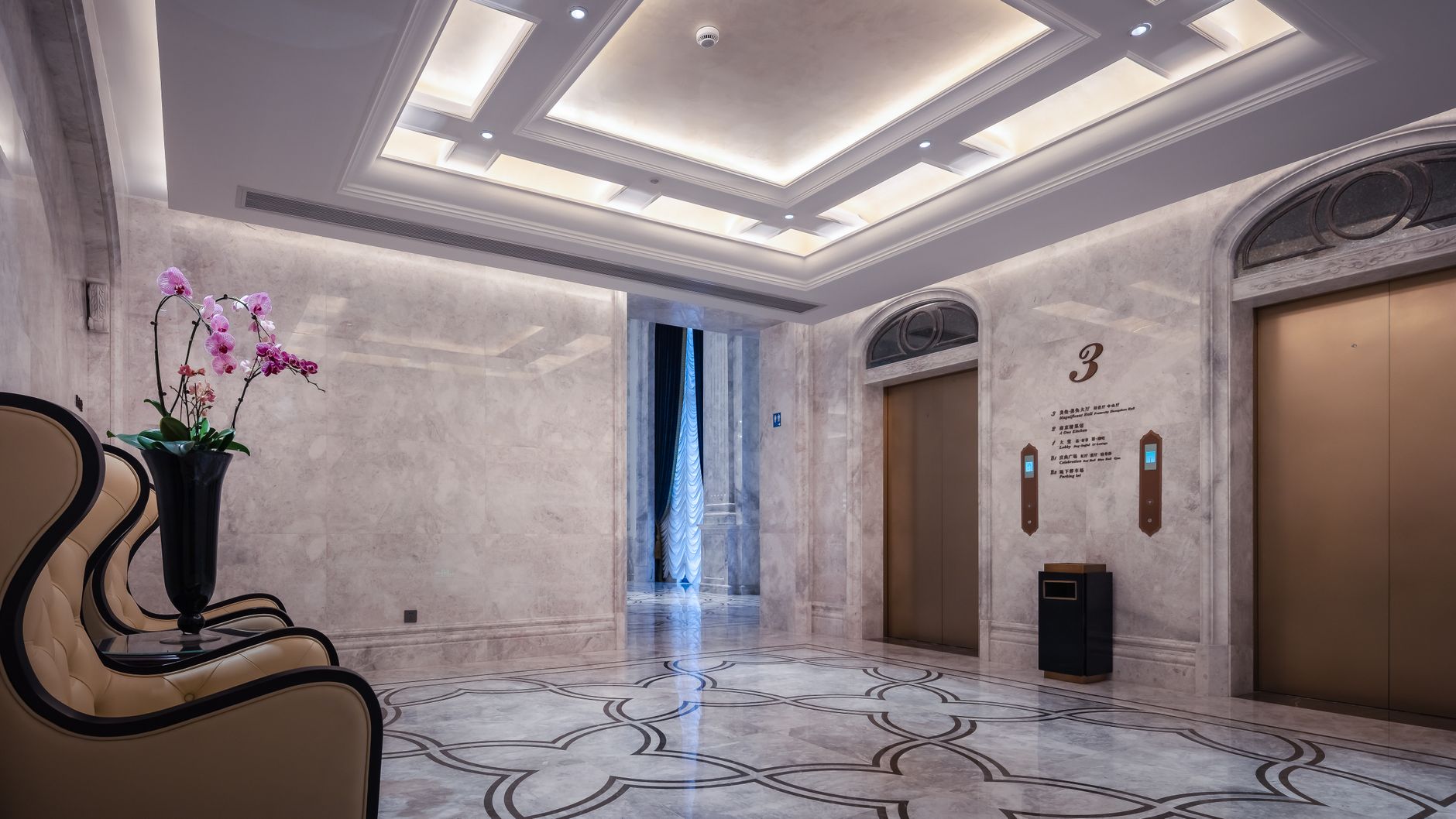
Elevators often set the longest wait on a delivery route, and they are shared with people who never saw the robot coming. A 2025 study at Korea University Guro Hospital tracked 122 routine medication delivery missions in a shared use elevator setting. It set out to measure how the elevator operating rate affects delivery success, delay and user experience.
The published abstract frames that question, and the full results are the figures to read before copying any delay estimate. Elevator waits are an old planning variable. A 1998 Winter Simulation Conference paper modeled Helpmate courier robots in a mid sized hospital, including elevator banks and delivery cycles.
Plan for the bank, not only the car. A robot waiting for the second car can spend more time waiting than riding.
How do crowded corridors cause jams?
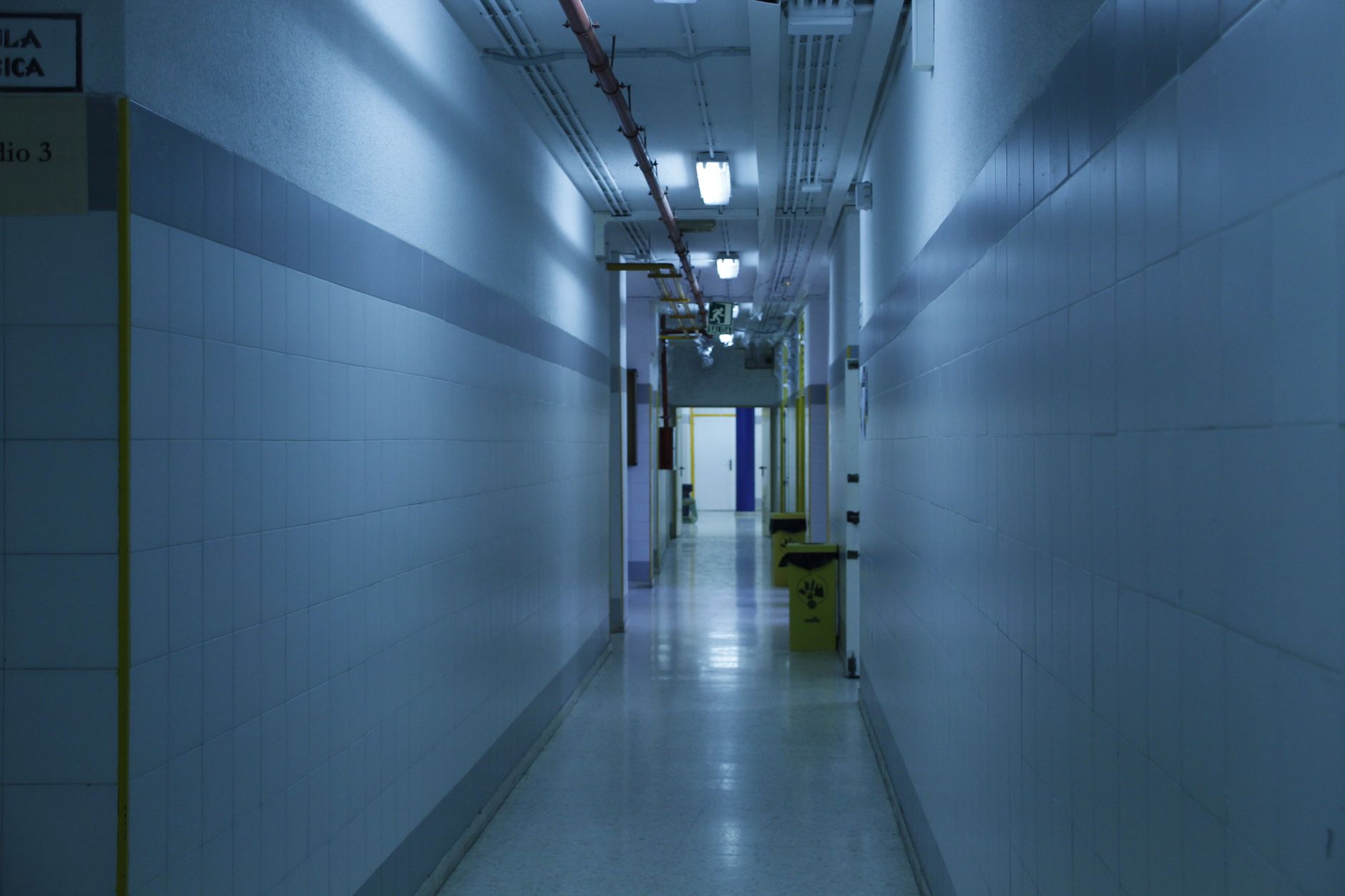
Corridors fail on geometry. Two carts may fit side by side where a robot and a stretcher cannot pass, and a robot waiting for a clear lane in busy foot traffic creates a jam that never appears on a floor plan. The Tartu test put its fleet into exactly those narrow, crowded hallways, which makes its control approach worth studying for any hospital corridor.
Toyota reports an algorithm that generates robot maps from architectural blueprints. It reads corridor widths and flags places where passing may be impossible. That is a research claim from the publisher, not a field result, so use it as a reason to check drawings against the building rather than a replacement for walking the hallway.
How do you map and test choke points before go-live?
Start with the drawings, then walk the route with a tape and a clipboard. Mark every door, elevator lobby and pinch point, and record what each door does when a robot approaches. Then run the route at the hours the building is busiest. Log these five things for each point:
Log every stop with a time and a location. A stall that clears in seconds on a quiet morning can run much longer when a cart and a visitor meet at the lobby. That log decides which routes to keep, reroute or drop, and it is the document to compare against any vendor claim.
- Door type: automated, badge controlled or manual, and who can open it after hours.
- Elevator lobby: number of cars, whether a robot may board a shared car, and a waiting spot that does not block the call buttons.
- Pinch points: the narrowest clear width, plus cart parking, wall protrusions and temporary barriers.
- Restricted zones: doors that need staff badges or close during isolation or procedures.
- Peak windows: shift change, meal trays, visiting hours and linen runs, each tested as its own block.
What should operators do with the results?
Keep routes that clear with margin under peak traffic. Reroute any path that depends on a single door with a long wait. Drop any route whose only way through passes a corridor the robot cannot pass safely.
Hotels face the same problem at the guest elevator bank and the service corridor behind the lobby. The easiest first routes are short, single door runs that avoid the lobby at check in and checkout.
Where does a lease partner fit into route testing?
Service Robot Co. is an OEM neutral integrator for US businesses. We help choose the right robot across manufacturers, then lease, deploy, integrate, train and service each unit through a nationwide US engineer network. The process starts with a site assessment, and the lease is quoted as one fixed payment after that assessment, on a three year term.
Route testing is part of that assessment, not an afterthought. We map doors, elevator lobbies and pinch points on your floors, run test blocks at your busy hours, and bring the logs back to you before a robot carries a patient tray or a guest order.
How big is the delivery side of the market?
Transportation and logistics was the largest professional service robot application in 2025, at 47 percent of sales, according to IFR figures summarized by trade press. Units reported in that category reached 117,500, up 21 percent from the prior year. Those figures cover transportation and logistics broadly, not hospital or hotel delivery alone.
The same summary is careful about what the figures mean. They come from a supplier survey covering 238 producers out of 1,001 manufacturers, and the totals are not projected to the whole industry. Read them as a signal of where suppliers are reporting volume, not as a measure of how often delivery routes stall.
Frequently asked questions
Want a robot working for you?
Tell us the job and the site. We will recommend the robot, quote the lease, and keep it serviced.
Sources
- SAGE, 2026: Korea University Guro Hospital elevator medication delivery study
- Frontiers in Robotics and AI, 2025: Schulze et al., care robots using elevators and doors
- PMC, 2024: assistive robots opening closed doors and operating elevator controls
- Frontiers in Robotics and AI, 2022: Tartu University Hospital field test
- Toyota Frontier Research: blueprint-based corridor width mapping
- Winter Simulation Conference 1998: Helpmate courier robots in a hospital
- Supply Chain 247: IFR professional service robot sales summary