Key takeaways
- Hold fairway robots on aerated holes until plug cleanup finishes.
- Blow or sweep robot corridors before the first autonomous pass.
- Inspect brushes and reels for plug wrap after any test run.
- Log cleanup clear times beside map hold releases.
- Service Robot Co. marks aeration holds in deployment playbooks.
Why do aeration plugs stop fairway robots?
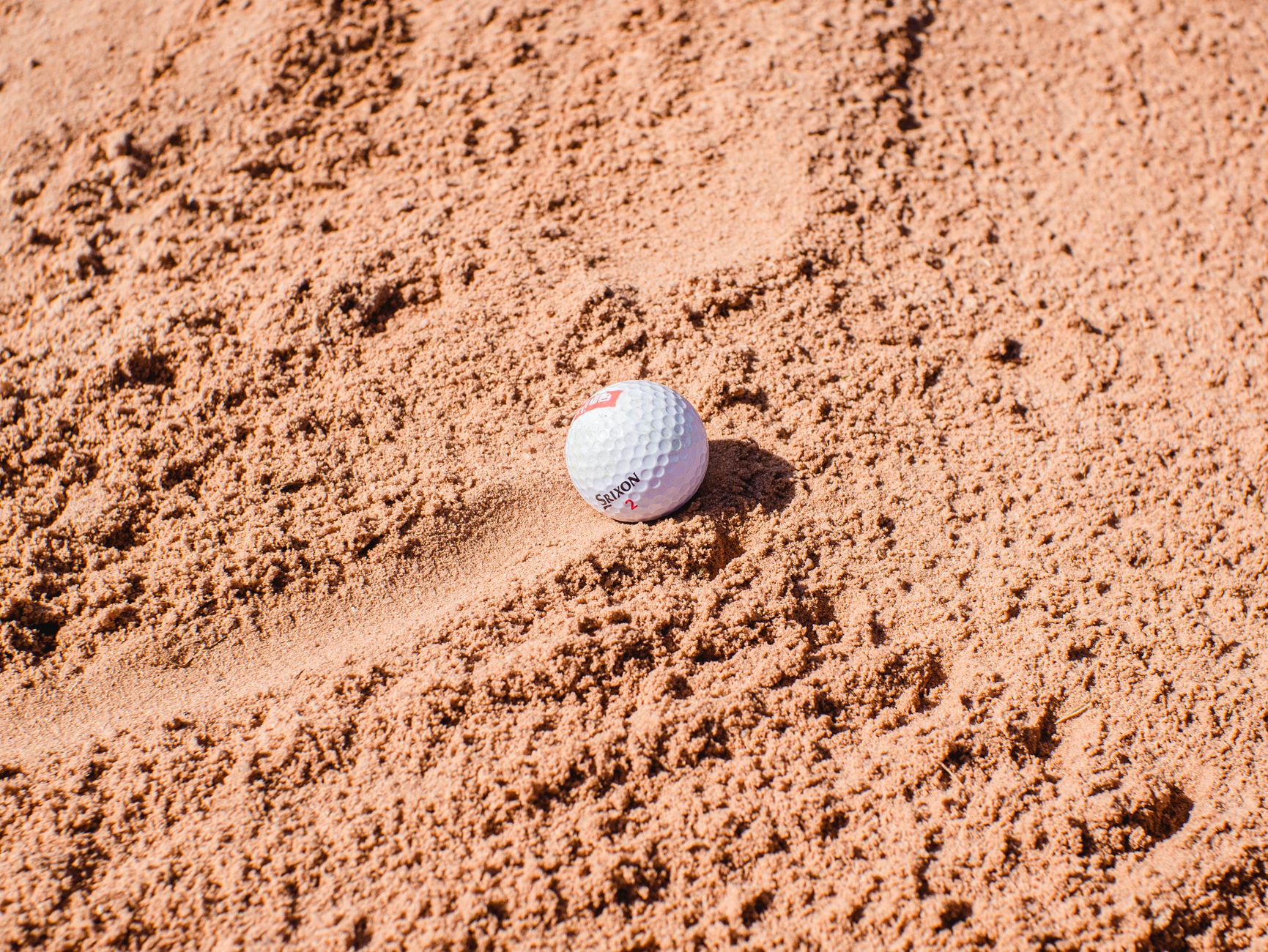
Core aeration pulls plugs that sit on the surface until crews break them up or remove them. Fairway robots run low decks and tight brushes that grab loose plugs like rope.
A single plug wrapped in a reel can stall a unit mid-fairway and leave torn turf behind the deck. The damage often costs more than the labor saved by skipping a one-day hold.
Autonomous paths follow yesterday's map, not today's aeration schedule. Unless you pause loops on aerated holes, robots treat plug litter like normal clippings.
Clubs that aerate fairways on a rotating nine still need hole-level holds, not just a calendar note in the shop.
Members may not see the robot stop, but they will see torn fairway strips if a deck drags through plug rows. Holds are cheaper than sodding a corridor.
Which fairway panels need holds after coring?
Hold every hole where cores were pulled on the robot corridor, including approaches if the map crosses them. Partial aeration still leaves plugs in the overlap strip.
Shared fairways between nines need holds on both sides until cleanup clears the full width robots use.
Mark holds in the app the same morning cores come out. Night aeration with dawn robots is the highest-risk overlap if nobody updates the board before the fleet starts.
Include cart-path crossings if robots use them between fairway panels. Plugs blown onto paths can ride back onto turf on tires.
How long should cleanup take before robots return?
Release holds when plugs are broken, blown off the robot path, or removed and the corridor is firm enough for tires. Soft, wet plugs smear and re-wrap on the next pass.
Many superintendents wait until blowers finish the fairway center and a quick walk confirms no fist-sized plug piles remain on turns.
If rain hits during cleanup, extend holds until surfaces firm. Wet plugs plus robot weight equals ruts that members notice before lunch.
Compare cleanup time to your normal dawn fairway window. If cleanup routinely runs long, shift aeration to a day without member play or split nines more aggressively.
What cleanup order protects robot hardware?
Break plugs first on the robot strip, then blow from the center outward so debris does not land back on the path.
Keep blowers pointed away from collars and greens unless those areas are also cleared for other equipment.
Assign one person to walk the robot loop after blowers pass. Pick up any wrapped cores near turn arcs where wind rows debris.
Store a few photos of the corridor after cleanup each aeration week. The series helps new crew leads judge what clear looks like.
Can robots run at higher height during recovery?
Raising height one notch for a single recovery pass can help after cleanup, but plugs can still catch brushes if litter remains.
Do not use height alone to skip holds. A higher deck misses plugs until they jam at the brush, which is worse than a delayed start.
Return to seasonal height only after the fairway strip looks clean and the first supervised test pass completes without debris alarms.
Document the temporary height in the robot app so the next operator does not leave recovery settings on for tournament week.
What should a supervised test pass include?
Run one loop at slow speed with a technician or assistant watching the deck. Stop immediately if plugs wrap or the unit hunts for traction.
Check telemetry for repeated slowdowns on the same arc. That usually means a plug row or soft spot remains.
Log test results on the maintenance board before full autonomous scheduling resumes.
Keep a spare brush kit reachable during aeration week. Quick swaps beat waiting for a full service visit when a single plug causes a wrap.
How do starters and members see aeration holds?
Starters need aerated hole numbers and whether fairways are cart-path only until cleanup finishes. Plug litter is a slip hazard as well as a robot issue.
Brief the pro shop when holds push fairway mowing to later morning hours. Pace backups on aeration weeks are normal if communicated early.
Post a simple map at the starter shack showing which nine is open for full fairway play when you rotate aeration.
When aeration coincides with a league day, tell captains which holes may show delayed mowing stripes. Transparency reduces complaints about uneven color.
How does an integrator document aeration holds?
Service Robot Co. adds aeration hold templates to your deployment playbook: who sets holds, how holes are named, and when RoboCare should be called for deck jams.
OEM-neutral selection and financing stay in the same project so you are not negotiating vendor support while plugs sit on fairways.
Regional engineers in every state we cover can help inspect decks after a jam and reset brushes before you return to full loops.
Update hold templates after each aeration season when you learn which holes always need longer cleanup or wider blower passes.