Key takeaways
- Treat aerification like a full turf blackout for autonomous fairway passes.
- Version maps after plugs heal so robots do not chase old lines in soft ground.
- Charger paths compete with coring trucks unless you plan detours early.
- Crew still owns greens, tees, bunkers, and cleanup while robots stay parked.
- Service Robot Co. remaps fairways after major turf projects during RoboCare visits.
When should fairway robots stop for aerification?
Fairway robots should stop when your shop would pull ride-ons off open turf for coring, topdress, and recovery. Aerification is not a settings tweak. It is a full pause on mapped fairway and rough passes until plugs knit and traffic weight is safe again.
The opening rule is simple: if carts are on paths only, robots stay off the same panels. If you would not drive a heavy unit across a freshly cored fairway, do not send an autonomous mower to finish a loop that crosses it.
Post the pause in the same channel you use for frost or mud holds so the robot watch lead and the pro shop share one daily story.
How long should maps stay off after coring?
Recovery time depends on hole, hybrid, and weather, not a generic calendar block copied from last year. Some nines firm up in a few days while low areas stay soft through a weekend card.
Keep geofences wide during recovery instead of nudging robots onto questionable turf to save a shift. A skipped pass logged as aerification recovery beats ruts members see on Thursday.
Walk each fairway panel before you re-enable a zone. Foot feel still beats schedule software after major turf work.
What should change in the map after plugs heal?
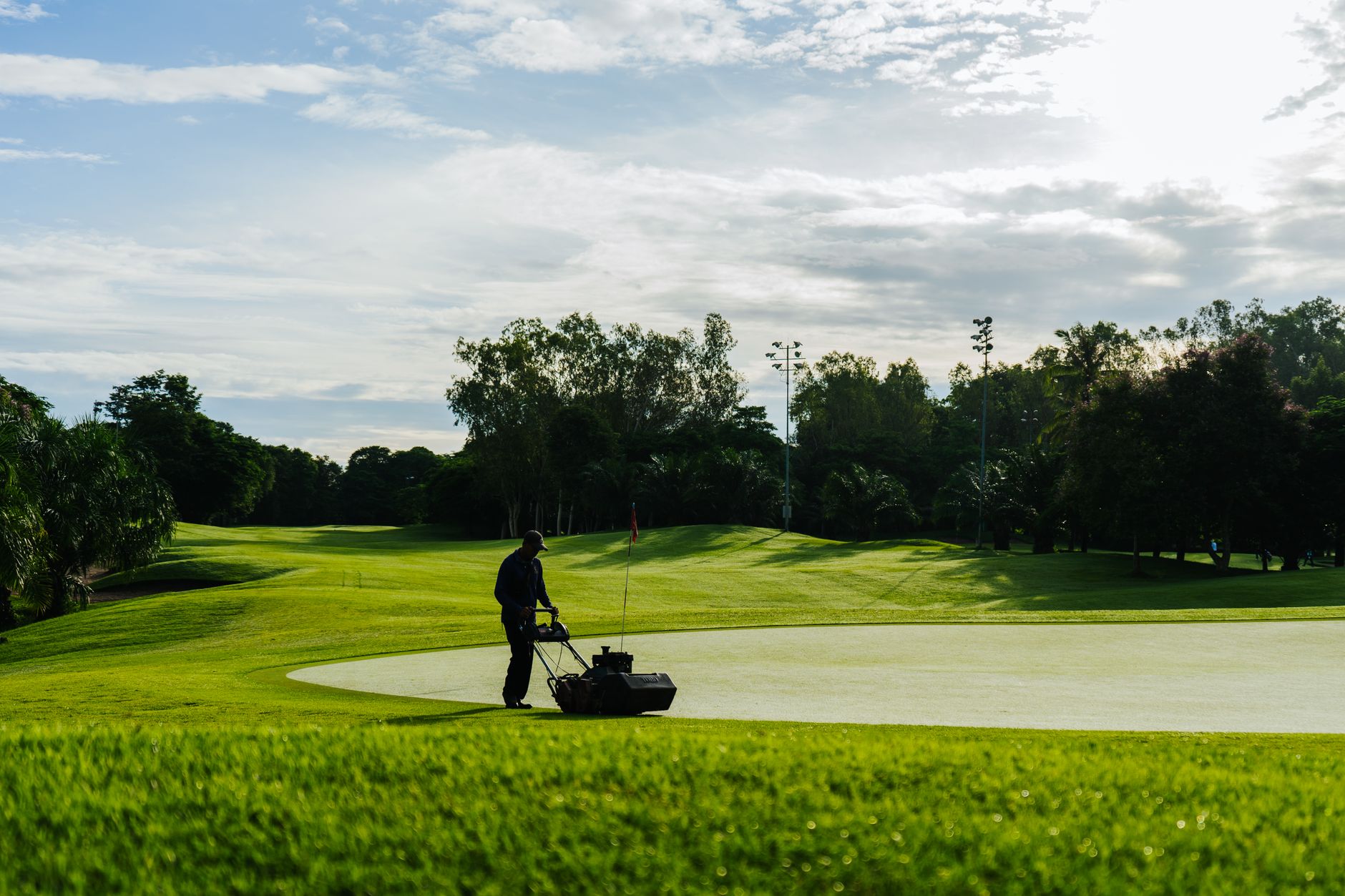
Re-enable passes one panel at a time rather than flipping the whole course back to summer lines. Coring patterns may shift cleanup corridors or temp rope lines you added for equipment.
Update charger approaches if trucks parked on paths during aerification week changed gravel or wore edges. Robots need the same clearance coring crews needed.
Service Robot Co. can export a versioned map after recovery so your watch lead knows which file is current. Treat major turf projects like a small reopening, not a silent resume.
How do coring trucks compete with charger routes?
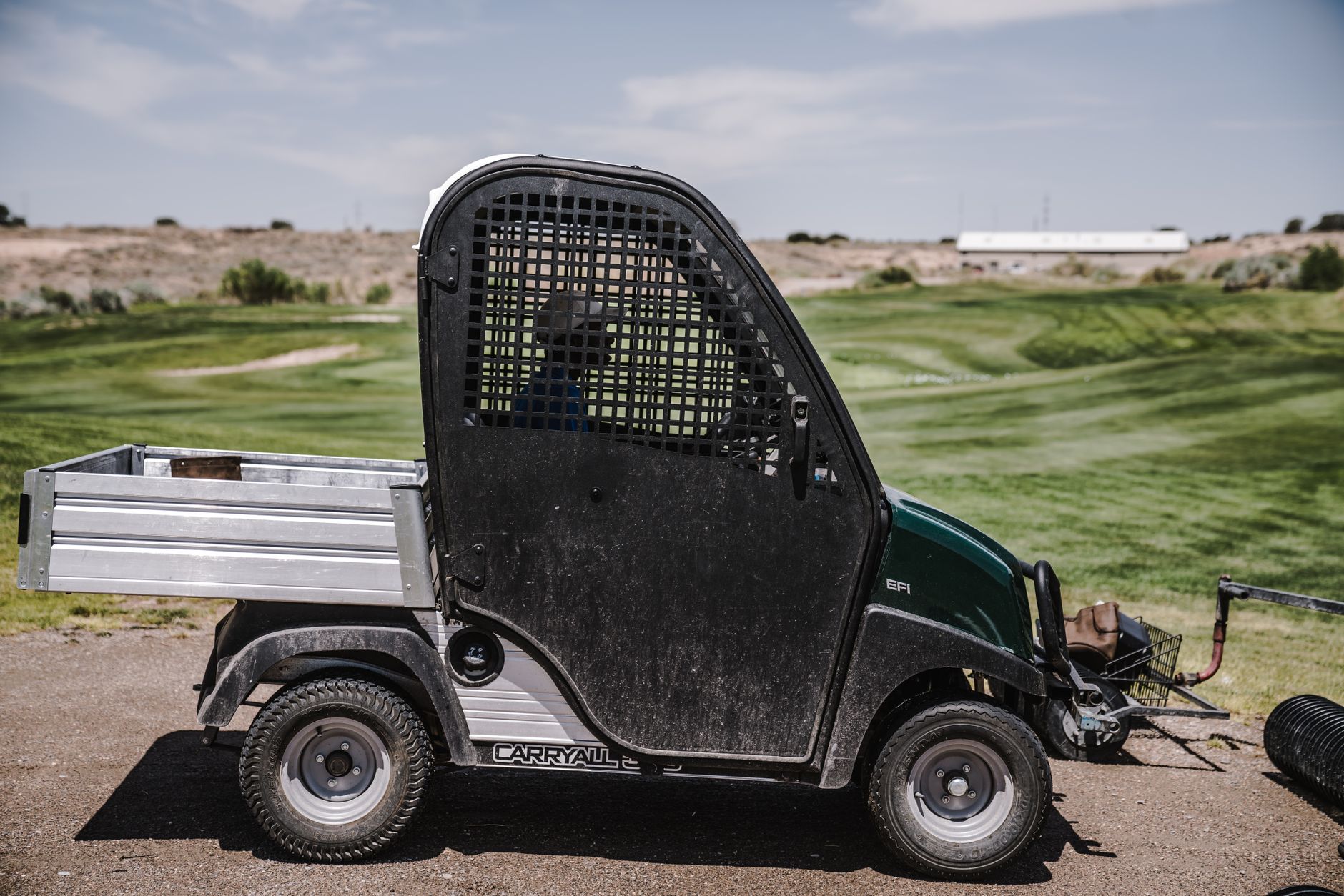
Coring trucks and material carts often use the same path segments robots rely on for transit between nines. Mark those shared corridors before aerification week so robots are not trapped behind a closed gate.
Stage portable barriers in the map as no-go zones instead of improvising at dawn. Superintendents already coordinate truck flow; robots should follow that same diagram.
If a charger sits inside a coring staging area, plan an alternate dock before plugs go in. Moving chargers mid-week costs less than a damaged unit or a frustrated crew.
What should crew focus on while robots are parked?
Parking fairway robots shifts labor to cleanup, sand distribution, and detail work around cores. Greens and tees never leave the hand equipment schedule.
Use the pause to service blades and belts on walk-behinds that handled edges while robots ran open turf. Maintenance weeks are easier when you are not also chasing a nightly fairway lap.
Train temp staff on hold reasons so a reboot does not auto-resume a pass over soft ground.
How should members hear about robot pauses?
Members notice coring sand more than they notice robots, but they still ask why fairways look uneven mid-recovery. One sentence in the daily conditions note that maintenance robots are paused for aerification prevents guessing.
Match the message to cart rules. If paths only is the member rule, say robots follow it too.
Quiet autonomous units returning too early look like neglect. A clear reopen date for mapped passes sets expectations better than silent turf changes.

What differs for fall versus spring aerification?
Spring aerification often races growing season play and overseed prep. Fall work may overlap leaf cleanup and shorter days, which shrinks the window to re-map before winter slowdown.
Cool nights after fall coring can hold moisture longer on low fairways. Spring recovery may jump faster with warming soil but collides with early league starts.
Revisit hold templates each season instead of copying dates from a PDF pinned in the shop.
How does an integrator help after aerification?
Service Robot Co. is OEM-neutral across autonomous fairway mowers. We finance buy or lease options, map fairways and rough, train your watch lead, and service units under RoboCare with regional engineers in every state we cover.
Schedule a remap visit when coring changes more than one corridor. The goal is a clean file your team trusts before you turn robots loose on recovered turf.
Bring photos of temp ropes and truck staging to that visit. Visual notes beat memory when six weeks pass before the next aerification cycle.