Key takeaways
- The core difference is navigation: AMRs navigate dynamically like a car, while automated forklifts often follow fixed paths like a train.
- AMRs offer high flexibility for changing environments, whereas automated forklifts excel at repetitive, heavy-duty tasks on stable routes.
- Infrastructure needs vary greatly; AMRs require a digital map and Wi-Fi, while automated forklifts often need physical guides installed.
- Automated forklifts typically handle heavier payloads and vertical lifting, while AMRs are suited for a wide range of floor-level transport tasks.
- The best choice depends entirely on your specific material flow, facility layout, and operational goals, not just the robot's technology.
The Core Choice: A Train on a Track or a Car on the Road?
When automating material transport in a warehouse or factory, two prominent categories of equipment emerge: Autonomous Mobile Robots (AMRs) and automated forklifts. While both move goods without a human operator, they do so in fundamentally different ways. The right choice depends entirely on the nature of your operation.
An automated forklift, a type of Automated Guided Vehicle (AGV), operates like a train on a track. It follows a fixed, predetermined path defined by physical infrastructure like magnetic tape, embedded wires, or laser reflectors. If an obstacle blocks its path, it stops and waits for the obstruction to be cleared. This approach is dependable for highly structured, repetitive tasks where routes never change.
An AMR, in contrast, operates like a car with a GPS. It navigates dynamically using onboard sensors and a digital map of your facility. If it encounters an obstacle, like a person or a misplaced pallet, it intelligently plots a new course around it without stopping its work. This adaptability makes it ideal for dynamic environments where people, equipment, and materials are in constant motion.
How Does Each Technology Navigate Your Facility?
The defining difference between these two automation technologies is their method of navigation. Automated forklifts rely on external guidance systems that are physically installed in the facility. These can include magnetic stripes laid on the floor, wires embedded in the concrete, or a network of precisely placed reflectors that a laser on the vehicle uses for positioning.
This reliance on fixed infrastructure means their path is rigid. Changing the route of an automated forklift is a significant undertaking, often requiring construction work, operational shutdowns, and additional investment to alter the physical guides.
AMRs use a technology often called Simultaneous Localization and Mapping (SLAM). During deployment, the robot is guided through the facility to create a detailed digital map, which is stored in its memory. Onboard sensors like LiDAR, 3D cameras, and proximity sensors constantly scan the environment, allowing the AMR to understand its precise location on the map and see objects around it. This self-contained intelligence is what enables it to make real-time decisions and navigate freely without any installed tracks.
What Are the Infrastructure and Deployment Demands?
Because automated forklifts need physical paths, their deployment is often a longer and more disruptive process. Installation involves preparing the floor, laying down tape or wires, and mounting reflectors, which can interrupt your daily operations for weeks or even months. Any future change to the warehouse layout necessitates a similar project to update the robot's path.
AMR deployment is significantly faster and less intrusive. Since they require no physical guides, the main task is creating the initial map and integrating with your management software. This can often be completed in a matter of days or weeks, not months. The primary infrastructure an AMR needs is a reliable Wi-Fi network to communicate with the fleet management system.
This difference is crucial for growing businesses. An AMR fleet adapts to your operational changes through software updates, while an automated forklift system requires physical changes to the building itself.
Which Handles Heavy Loads and Vertical Stacking?
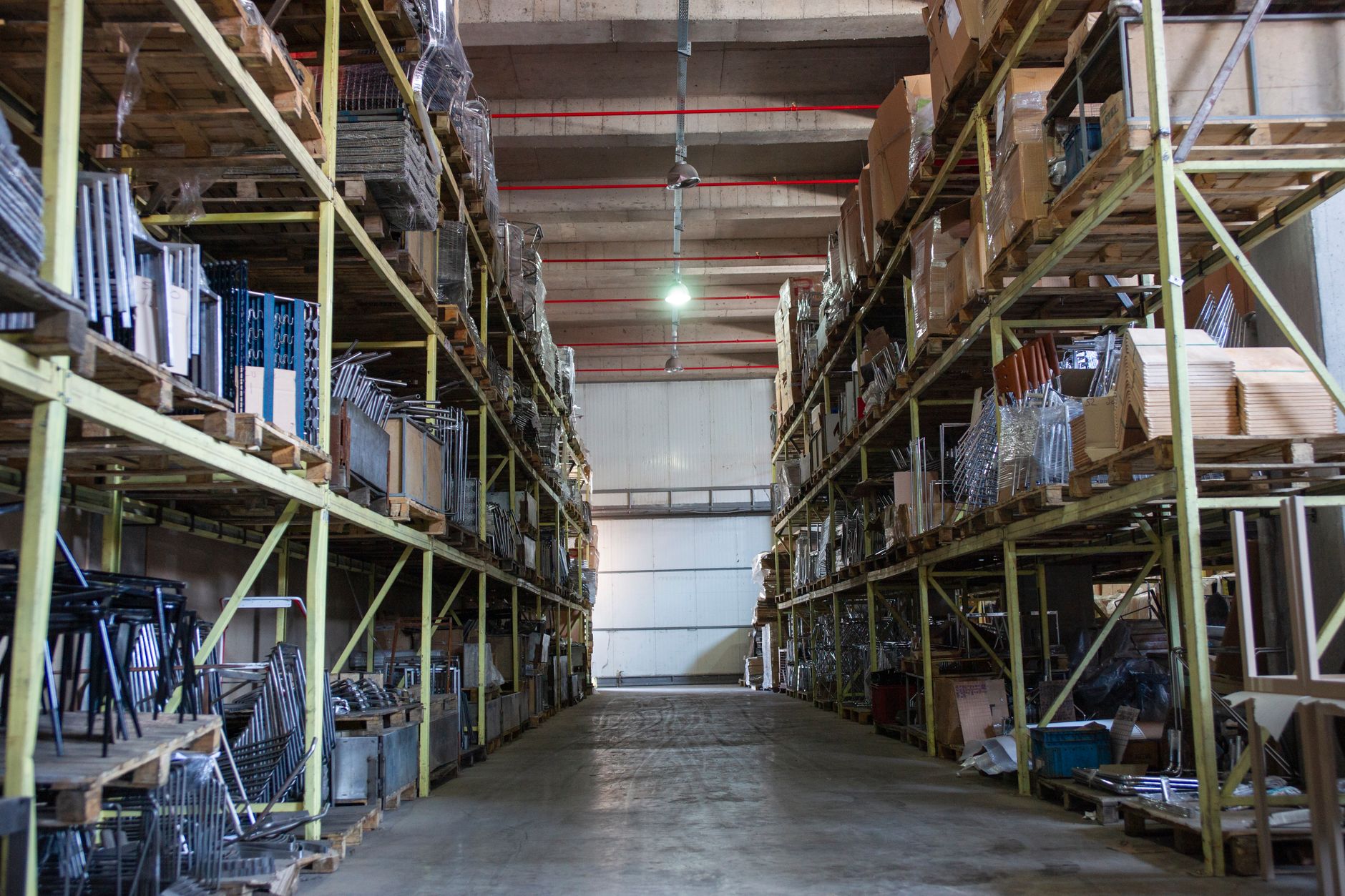
This is where automated forklifts show their strength. Built on traditional forklift chassis, they are designed for heavy-duty work. They excel at lifting and transporting heavy pallets, with some models handling payloads well over 2,000 kg. They are the clear choice for tasks that require vertical movement, such as placing or retrieving pallets from high racking systems.
AMRs, while growing in capability, are typically geared toward floor-level transport. The most common payload capacities are in the 500 kg to 1500 kg range. They are ideal for moving carts, totes, and smaller pallet loads from point to point, such as in goods-to-person picking operations or moving finished products from the end of a line to a staging area. While some AMRs can lift, they generally do not reach the heights or capacities of a dedicated automated forklift.
How Do They Ensure Safety Around Human Workers?
Both types of vehicles are designed to be much safer than human-operated forklifts, which, according to the Occupational Safety & Health Administration, are involved in tens of thousands of serious injuries annually. Both AMRs and automated forklifts must comply with safety standards like ISO 3691-4 to ensure safe operation.
An automated forklift’s primary safety mechanism is to stop when its path is blocked. Its sensors detect an obstacle, and the vehicle will not resume movement until that obstacle is gone. This is a reliable but simple approach that fits its structured nature.
AMRs offer a more dynamic form of safety. Their advanced sensors and 3D cameras provide a 360-degree view of their surroundings. This allows them to not only detect a person but also predict their path and intelligently navigate around them without stopping the workflow. This collaborative capability makes AMRs particularly well-suited for busy, shared spaces where people and robots work alongside one another.
Which Offers a Better Return for a Growing Business?
The financial calculation is more complex than just the upfront cost of the machine. While an automated forklift system may have a high initial cost due to infrastructure changes, it can offer a predictable ROI in a stable, high-volume operation.
AMRs often present a lower total cost of ownership in dynamic environments. Their faster deployment, lack of infrastructure spending, and adaptability mean they start delivering value sooner. According to one analysis, the infrastructure for AGVs can add 15-25% to the total fleet cost, while AMR infrastructure adds only 5-8%.
Furthermore, modern acquisition models like Robot as a Service (RaaS) are more common with AMRs. A RaaS monthly subscription allows businesses to deploy automation with no upfront capital, bundling hardware, software, maintenance, and support into a single operating expense. This makes powerful automation accessible even for a small business, offering options like a monthly payment program or robot leasing for business needs.
Why Does a Vendor-Neutral Integrator Matter?
Choosing between an AMR and an automated forklift is a significant decision. The technologies are suited for very different tasks, and selecting the wrong one can lock you into an inefficient workflow. This is where partnering with an OEM-neutral integrator like Service Robot Co. becomes a critical advantage.
A single manufacturer will always promote its own technology. We, however, are not tied to any single brand. Our process begins with a free site assessment to understand your unique material flow, facility layout, and business goals. We then select the right robot for the job from across the entire market, whether it's an AMR pallet mover for flexible transport or an automated forklift for heavy lifting.
As a full-service commercial robot integrator, we handle the entire lifecycle. From financing and deployment to integration with your existing systems, we provide one point of contact. Our nationwide network of US engineers provides go-live support, staff training, and ongoing maintenance, including remote triage and on-site dispatch. With Service Robot Co., you get a turnkey robot deployment from one partner, ensuring the automation fits your needs perfectly, not the other way around.