Key takeaways
- A leased mower adds mowing hours on repeat open turf routes, but someone still has to supervise it and finish the edges.
- A new hire brings judgment and flexibility, yet recruiting is slow and many contractors report difficulty finding workers.
- Season length decides which option sits idle less: a mower can follow turf growth, while a hire needs work or a clear seasonal plan.
- Treat vendor and dealer productivity claims as hypotheses to test against your own route times.
Which option adds more contract capacity?
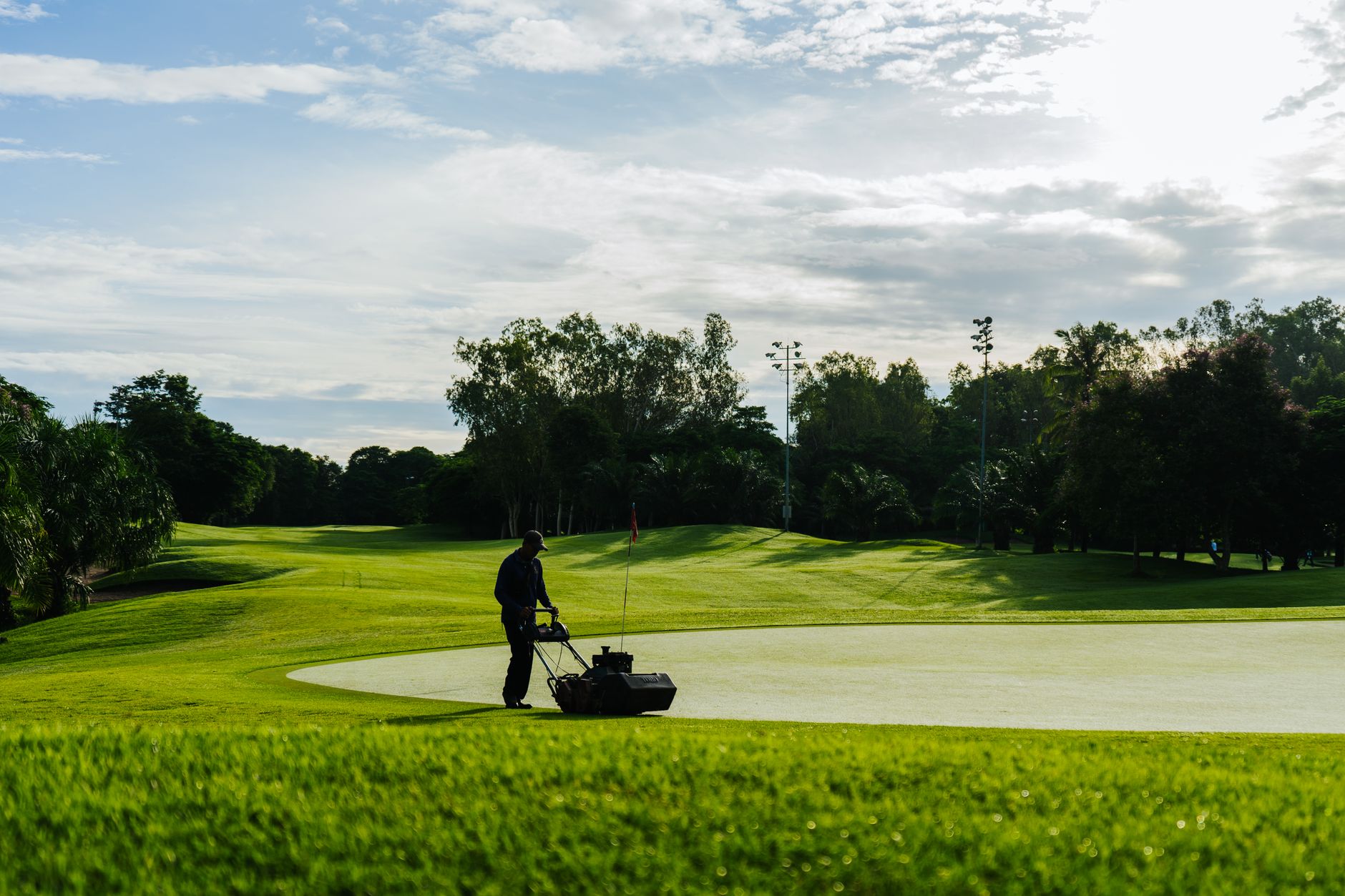
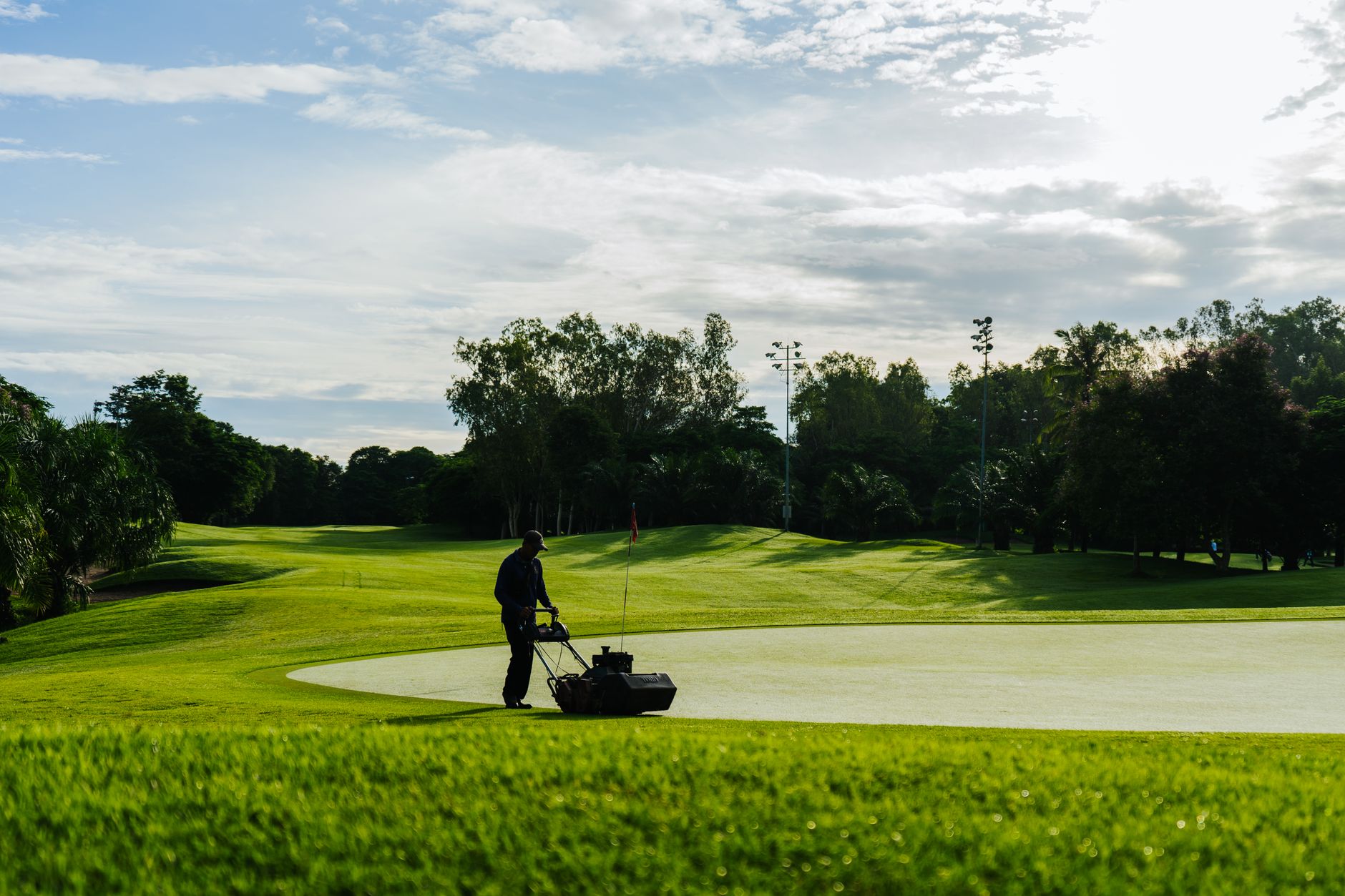
For open turf with repeatable geometry, a leased robotic mower adds mowing hours without adding a body to the truck. A new crew member adds those hours too, along with the judgment needed for awkward corners, tight gates and beds that a mower handles poorly.
In many firms the binding constraint is people rather than acreage. That shifts the question toward how quickly each option can start producing hours on routes already under contract, and how many of those hours can run without a person beside the machine.
What does each option need in supervision?
A robot mower still needs a lead who checks the route before it runs, reviews the logs, clears debris and handles stops or exceptions. That work is real, though it is narrower than mowing the whole route by hand.
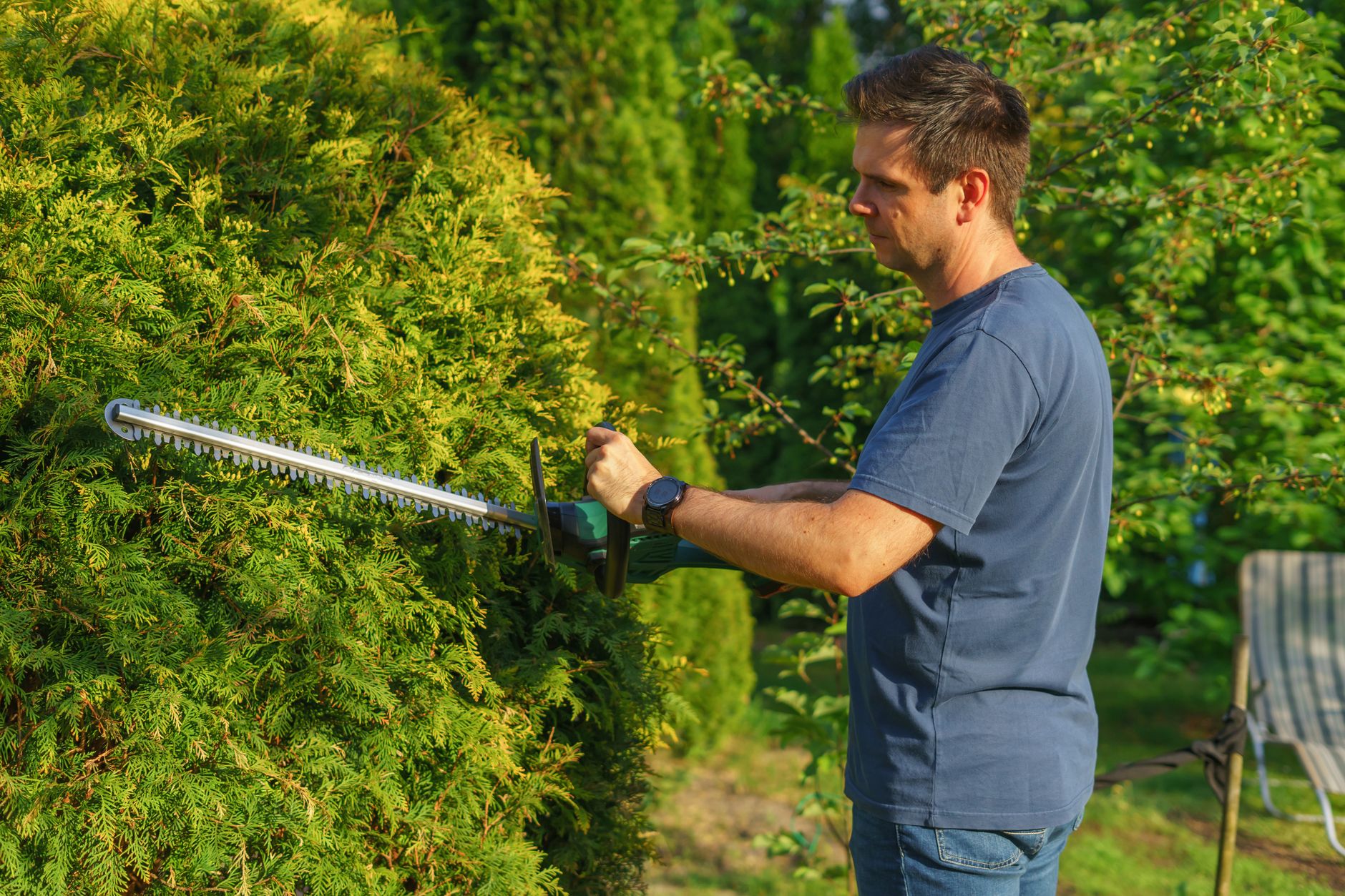
A new crew member needs supervision as well, especially in the first season, and will ask about every slope, edge and gate. The difference lies in what the lead spends time on: setup and exceptions with a mower, and training, scheduling and quality of cut across the whole crew with a hire.

How long does hiring take compared with a lease?
Recruiting is usually the slow part. According to Green Industry Pros, in an older article, more than half of responding contractors planned to add field workers and crew leaders over the following two years, and recruiting difficulty was a common obstacle. Those contractors cited an inability to offer year round work and an inability to pay enough.
Aspire's 2026 commercial landscape report describes labor shortages as a sector challenge and draws on a survey of more than 1,000 commercial landscaping professionals. Aspire's release says that survey was fielded in May 2025, and the report is vendor reported, so read it as a signal rather than a hiring forecast.
Landscape Ontario's December 2024 report found that 53 percent of surveyed members reported a labor deficit. That is a Canadian figure, so it says little about US hiring directly, though the pressure will feel familiar to many operators.
A lease runs on a different clock. It begins with a site assessment, and the fixed lease payment is quoted only after that assessment. Install timing then depends on the site and the schedule, not on how long a job posting stays open, and no timeline should be promised before the assessment is complete.
How do season length and turf growth change the math?

A mower earns hours when turf grows, and it can be scheduled around rain days and client windows. A hire is paid on the days the person works, so a short northern season turns into a question about what that person does in the off months.
Season length also shapes the lease term. A three year lease only makes sense against contracts that will run that long, so match the term to the book of work rather than to the enthusiasm of the moment. A hire commits a wage line that runs regardless of growth, which is a different kind of obligation.
What does the productivity evidence actually show?
An OPE Plus piece from July 2025 covers autonomous mower implementation and quotes a dealer saying robotic mowers have moved past the future stage. It is dealer commentary rather than a field study, and it does not compare crew sizes or route hours.
Read vendor and dealer productivity claims as hypotheses. Time your own routes before and after a change, with mower logs and timecards from the same weeks. Any gain is most likely where routes repeat and edges are few, which is an inference from site conditions rather than a measured result.
Where does a lease fit, and where does a hire still win?
A leased mower fits open turf with simple geometry and repeat routes. A hire still wins where the work needs judgment: detailed trimming, irregular beds, client contact and tasks beyond mowing. Many crews end up needing both, and the real question becomes which hours move to which option.
Service Robot Co. is OEM neutral. We select the mower that fits the site, then lease it through financing on a three year lease with one fixed lease payment quoted after a site assessment. Deployment, integration, training and service run under RoboCare, our service plan, backed by regional service engineers in every state we service.
What should you measure before choosing?
Before comparing any quote, gather a few figures from your own operation. Pull them from timecards and logs rather than estimates, because the comparison only holds up on real hours.
- Route hours per property for the last two seasons, from timecards rather than memory
- Share of each route that is open turf versus edges, beds and obstacles
- Days each route is lost to weather, and what the crew does on those days
- How many additional contracts you could accept if one more mowing seat were filled
Frequently asked questions
Want a robot working for you?
Tell us the job and the site. We will recommend the robot, quote the lease, and keep it serviced.