Key takeaways
- Routing robot passes around pet relief turf is a site-rules job, and the research found no proven robot deployment for it.
- Turf vendors describe daily solid-waste pickup and rinsing, with professional service for one medium dog run every four to six weeks.
- Map every excluded zone and check the whole route for debris before each pass.
- Write down the rule for when crews take over, and log each takeover.
- Tell residents the pass schedule, the skipped areas and where to report problems.
Can a robot pass safely work around a fenced dog run?
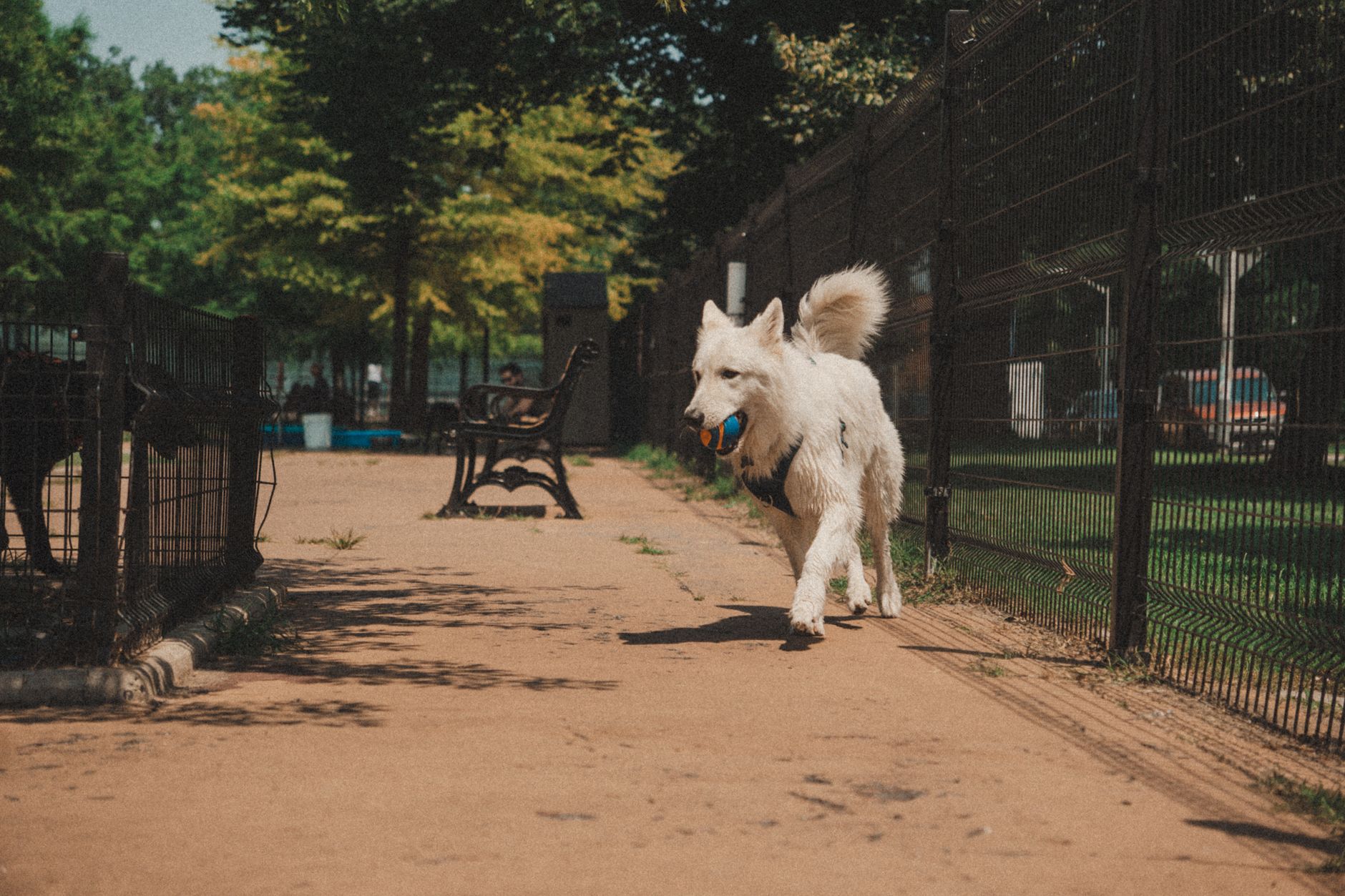
Routing a robot pass around a fenced dog run is mostly a site-planning question. The research we gathered found no robot deployment, count or crew guidance for fenced dog runs or pet relief strips, so no one should promise a result from a machine alone.
What the sources do support is the upkeep pattern that turf vendors describe. That pattern tells a site team what any route has to respect. Treat a robot pass as one part of cleanliness support, with crew checks still in place.
What does pet relief turf need each day?
Vendor guidance describes a daily routine. One turf-cleaning company recommends picking up solid waste twice a day, rinsing the surface after the last pickup, and spraying enzyme cleaner on the heaviest-use zones. That is a vendor page, so read its schedule as one company's view, not an industry standard.
Rinsing has a specific job. According to a turf vendor blog, rinsing keeps urine from soaking into the infill, which can cause odor or compact the infill where pets go. A landscaper's blog adds that drainage underneath lets crews hose a run daily without soggy turf or standing water.
How often does a dog run need professional service?
A turf vendor reports that a single medium sized dog run may need professional service every four to six weeks, and that the interval shortens as more dogs use the run. That figure is vendor-reported, and the same company recommends a monthly enzyme soak for deeper upkeep.
Sources do not agree on effort. Some describe artificial turf as nearly maintenance free, while others say dog runs need daily attention. The most consistent picture is daily care plus periodic deeper service, and a route plan should assume that.
How should a site map the excluded zones?
Before any robot pass, the site team should draw the run boundary, gate threshold, drain lines and pet relief strip as explicit hold zones on the route map. Zones kept only in a crew member's memory tend to get missed on the first busy morning.
Mark at least these features on the map:
- The fence line and the clearance a robot needs to stay off it
- Gate swing and threshold, where debris and wet footprints collect
- Drain grates and low spots that hold water after rinsing
- The edge of the relief strip, including any shared path that crosses it
What should a crew check before each run?
Debris checks come first, and they take minutes. The crew walks the full route, not only the run itself, because much of the debris arrives on the paths beside it. Any finding in a zone sends that zone to the takeover rule before the robot is released.
The checklist is short on purpose:
- Solid waste on the turf, along the gate path or beside a drain
- Standing water or wet spots near a drain or low point
- Sticks, toys or litter that could be pushed into the infill
- A closed gate latch and no animals inside the run
- Odor or staining that the crew can notice at the edge of the zone
When do crews take over from the robot?
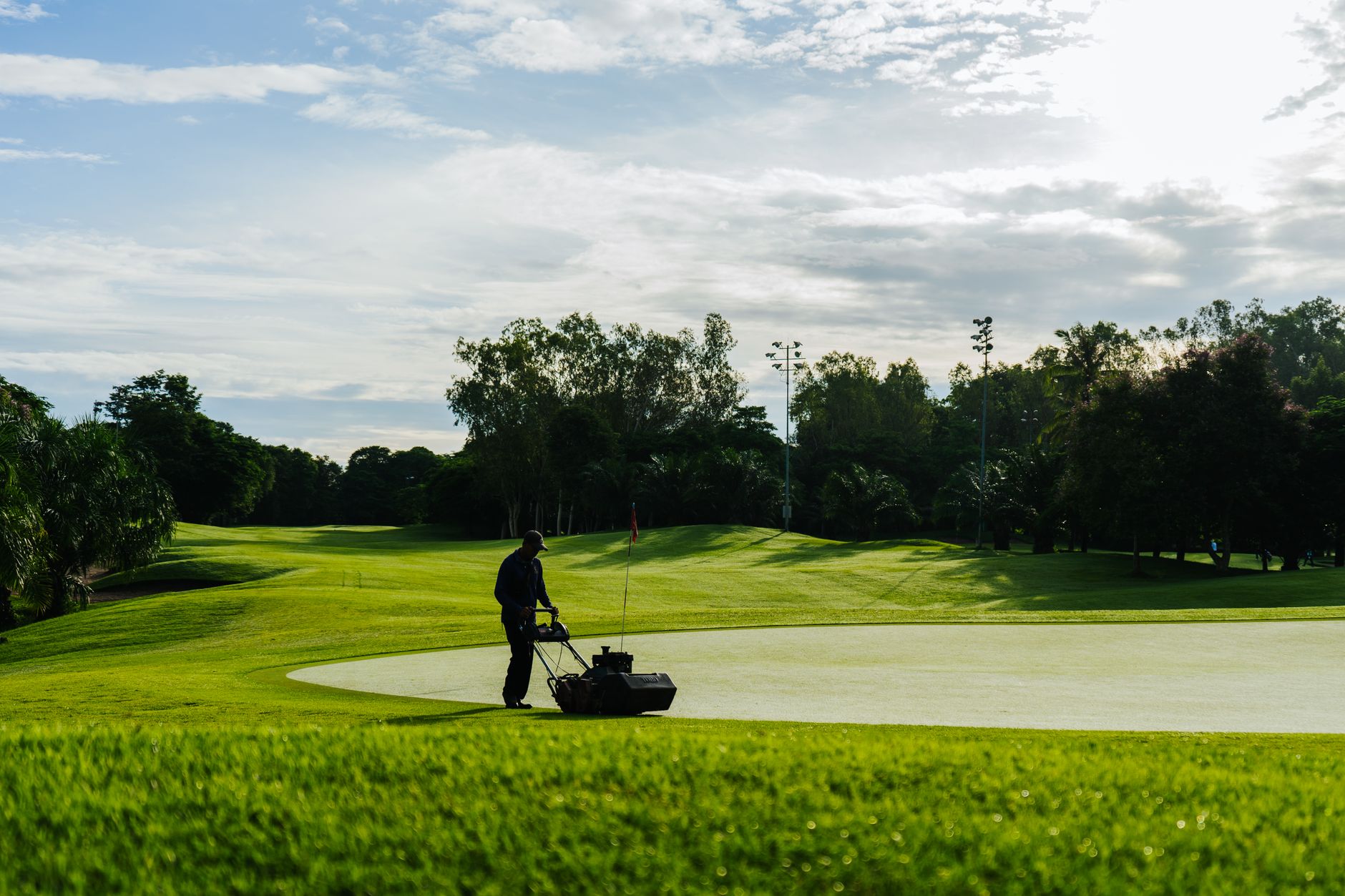
A written takeover rule keeps a pass from making a bad spot worse. A workable version reads like this: any solid waste, standing water, visible staining or resident report of odor in a zone means crew members handle that zone by hand, and the robot skips it until the zone is clear.
Log each takeover with the time, the zone and the reason. Those records show whether the rule is being followed, and they reveal which zones collect debris again and again, which is where the route or the pickup schedule needs to change.
How should residents hear about the robot pass?
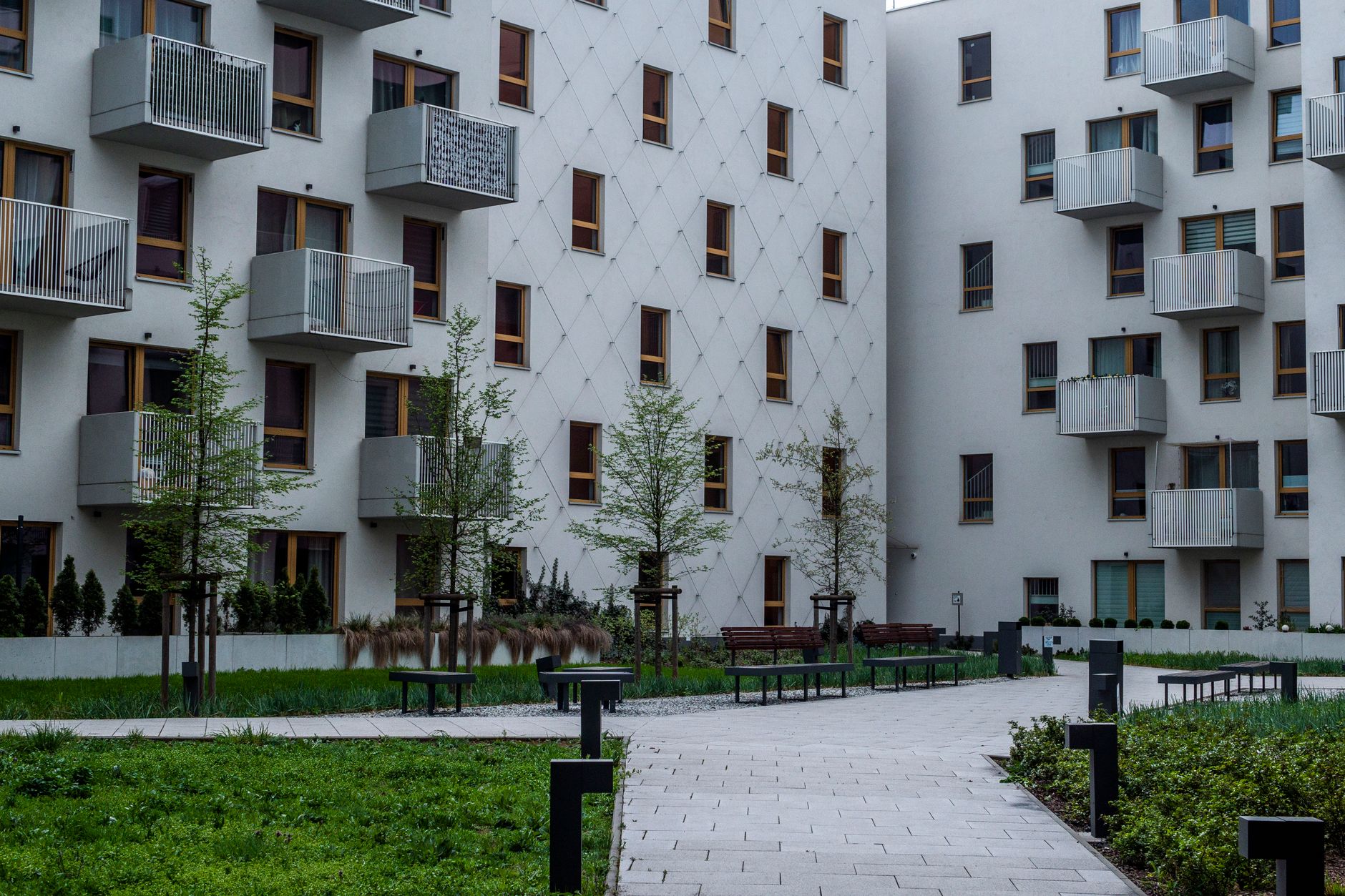
Residents need three things: when a pass happens, which areas it skips, and who to call. Post the schedule at the gate and in the community portal, name the hold zones, and give one reporting channel so complaints do not scatter across the leasing office and maintenance staff.
Speak plainly about limits. The pass supports upkeep, and the crew still handles whatever the machine skips. Residents who understand that tend to report problems earlier, which is what the takeover log depends on.
Where does a service partner fit into this plan?
Service Robot Co. is a full-service commercial robot integrator for US businesses. We are OEM-neutral, so we pick the robot for the task, lease it through financing, deploy and integrate it, train staff, and service every unit under RoboCare, our service plan, backed by regional service engineers in every state we service.
Our lease is quoted as one fixed lease figure after a site assessment. That assessment is where a property team can test route, zone and takeover rules on the actual grounds before any commitment.
What does the wider market show?
According to IFR, global professional service robot shipments rose 24% to almost 250,000 units in 2025. Professional cleaning robots ranked third by application, and floor cleaning was the main use within that segment.
Those figures describe the market as a whole. They do not measure apartment turf or pet relief areas, so a site trial with written rules remains the honest way to judge fit.
Frequently asked questions
Want a robot working for you?
Tell us the job and the site. We will recommend the robot, quote the lease, and keep it serviced.
Sources
- IFR press release: Global sales of professional service robots surge 24 percent
- Porch Potty: The Ultimate Guide to Cleaning Dog Turf
- Heavenly Greens: Best Artificial Turf for Dogs, Synthetic Grass Comparison
- Level Green Landscaping: What's the Best Artificial Turf for a Dog Run
- Southwest Greens: Pet Turf for Apartment Communities and Dog Parks