Key takeaways
- Wet concrete and standing water are the first hazards a hatchery floor robot has to handle.
- Tank rims, drain grates and raceway edges belong on the route map as no-go zones before any run.
- Traction, grate clearance and cliff detection need checking on your own floor, not on a brochure.
- Ingress rating and cliff sensor layout should be confirmed in writing; the spec material we checked did not show them.
- A robot can take the repeat passes along aisles while staff keep feeding, grading and tank-side work.
Where floor robots fit in a hatchery
A floor robot can work in a hatchery, but only on the parts of the floor where the surface and the layout allow it. Tank edges, drain grates and standing water set the limits, and they matter far more than any general claim about a machine's capability.
In practice, a floor robot takes the repeat passes along aisles and walkways between tank rows. Staff keep the feeding, grading and tank-side work. Before any machine runs, the surfaces, drains and sensors need checking on the actual floor.
Why wet hatchery floors are hard on people and machines
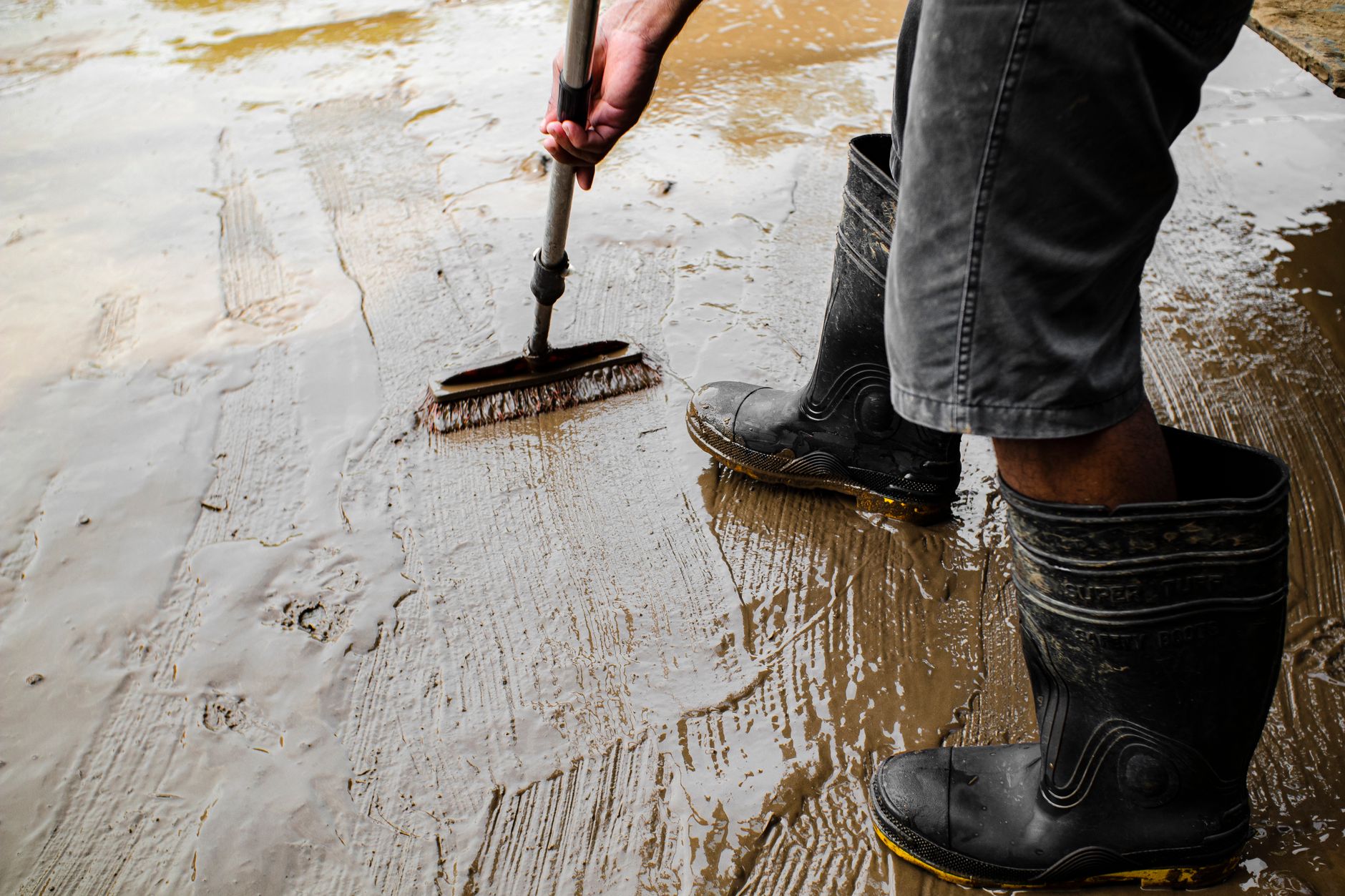
Hatchery rooms get washed down often, and water collects in low spots. Wet concrete is the hazard that shows up in the records. One workplace injury record describes a worker who slipped on a wet concrete chick-room floor during washdown and suffered a concussion.
CDC research on trout farms in North Carolina and Kentucky reports falls from raceway walls and walkways, along with slippery surfaces and the countermeasures farmers used. Durborow and Myers' fish farm safety material, shared through an International Aquafeed presentation, calls wet, smooth cement an extreme falling hazard. It recommends broom-roughening concrete while it is still wet, which is a finish decision you can make before any robot arrives.
Where tank edges, drains and standing water set the limits
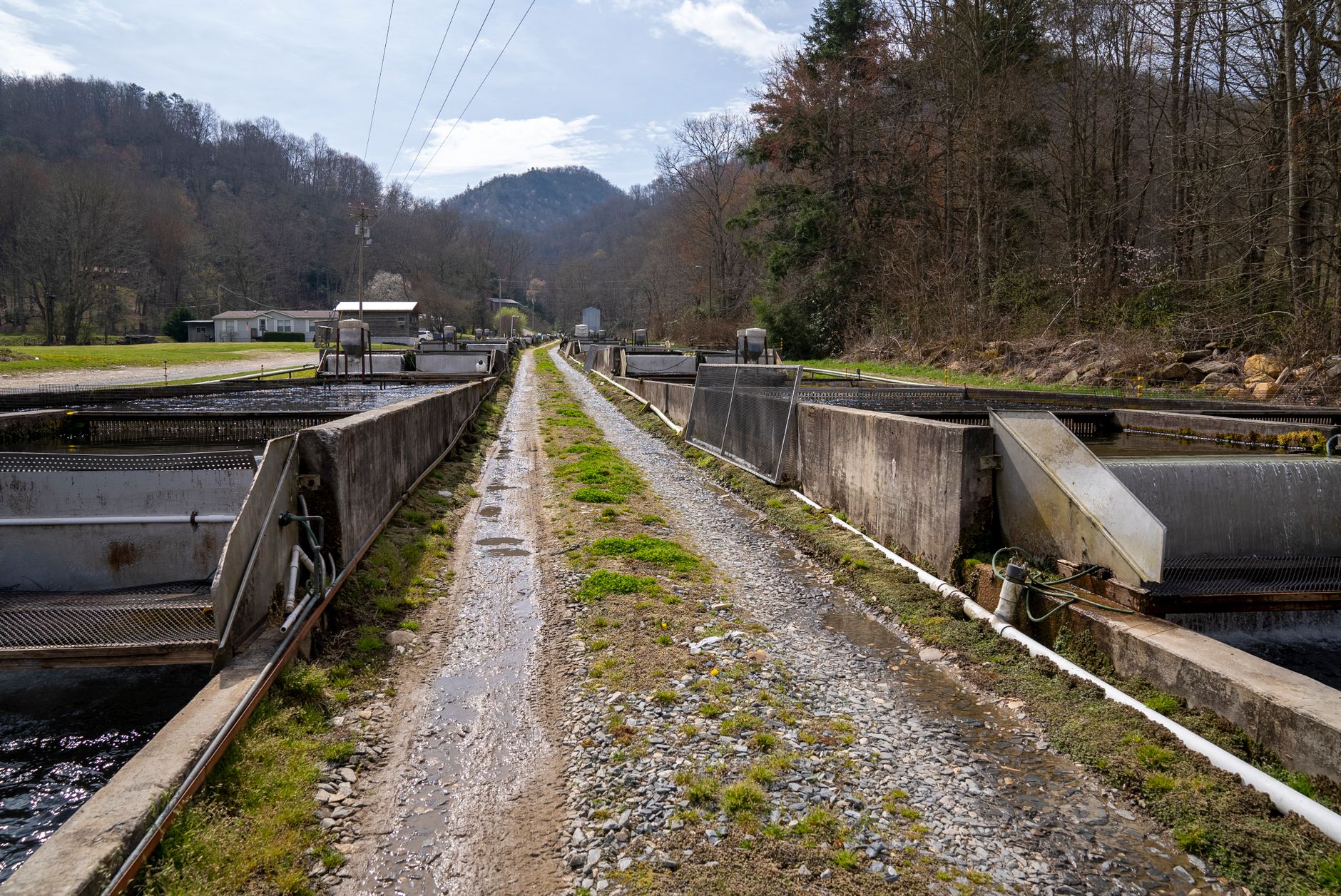
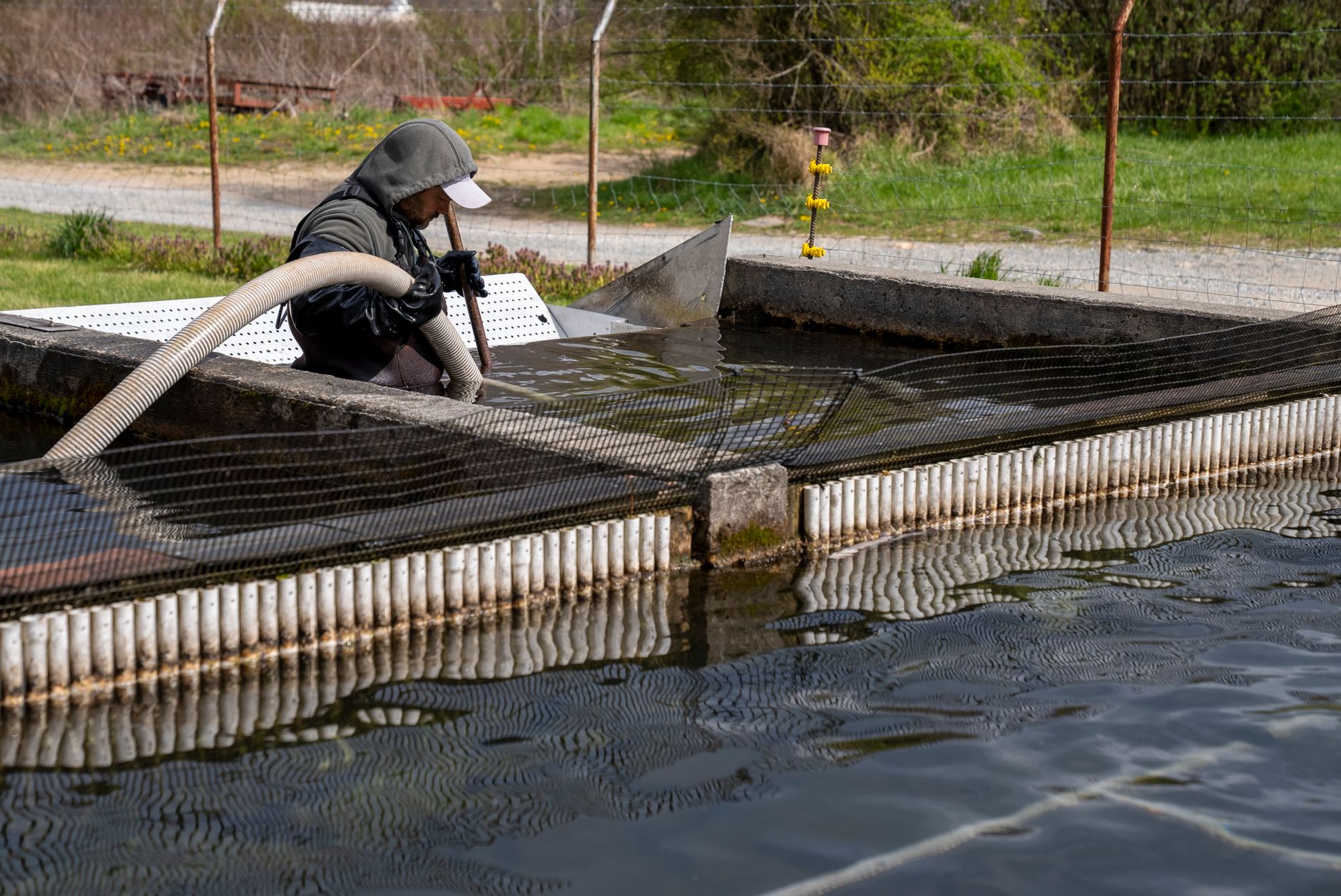
A hatchery robot's route should treat tank rims, raceway edges and drain openings as no-go areas, not obstacles to nudge past. Hatchery International's guidance on recirculating aquaculture facilities recommends anti-slip grating on elevated platforms where water pools, along with anti-slip rungs and caged ladders. Those same spots are where a wheeled machine can lose traction or drop off an edge.
Drains need separate attention. A USPTO patent document on tank safety drain systems describes hair or limbs being trapped by suction at drains, with drowning risk. It is an engineering document rather than a safety standard, but it names the failure a hatchery should map. We did not find hatchery-specific guidance on drain entrapment or drain-adjacent wet floors in this review, so confirm with your engineer and insurer which requirements apply to your tanks.
OSHA's rule for fish terminal bailwater tanks, 29 CFR 1917.73, calls for draining and testing before entry, and it covers hydrogen sulfide and oxygen-deficiency hazards. It governs marine terminals, not hatcheries. Use it as a reference for how a hazard review is structured, not as a rule for your floor.
Which surfaces to check before a robot runs
Walk the route with a manager and a notepad before anyone orders a machine. The checks below are what a careful pilot should have documented before the first run.
- Traction on wet, washdown-slick concrete, tested while the floor is wet and not only when it is dry
- Drain grates and covers flush with the floor, with no gap a caster or wheel can catch
- Tank rims, raceway edges and elevated platforms mapped as no-go zones
- Standing-water low spots marked so the route can avoid them
- Aisle widths measured at the tightest point, including hose reels and feed carts
- A charging location kept dry and clear of splash zones
Which sensors matter most near open water
Cliff detection is the sensor that matters most at a tank edge. Patent literature describes reflective infrared proximity cliff sensors on the underside of robot cleaners, though those are general designs, not commercial floor scrubber specifications. We did not find a verified cliff sensor count or ingress rating for any commercial floor scrubber in this review.
Ask for both in writing. The ingress rating tells you how a unit holds up to washdown water, and the cliff sensor layout tells you where it can detect a drop. A datasheet that states neither is not enough for a wet hatchery room.
What the published specs show so far
Avidbots publishes a spec sheet, checked as of November 2026, that lists 24 VDC power and battery runtime details. The snippet we reviewed did not show an ingress rating or cliff sensor data, so those should be confirmed on the full datasheet before any comparison.
Spec sheets change by model and by firmware, so keep the datasheet version and the date with your site file. A floor that was surveyed against last year's layout may not match the route you run this winter.
How Service Robot Co. fits a hatchery pilot
Service Robot Co. is a full-service commercial robot integrator for US businesses. We are OEM-neutral, so we select robots across manufacturers for the floor and the work, then lease, deploy, integrate, train and service each unit through a nationwide US engineer network. Our commercial robot leasing runs on a three-year lease with one fixed lease payment quoted after a site assessment. That assessment is where the surface, drain and sensor checks above belong.
For a hatchery, a sensible start is one leased unit on a single zone, a documented route that stays off the tank rims, and go-live support before the crew relies on it. Keep the scope narrow until the traction and drain checks hold up.
What a hatchery pilot should record

Log every stop, near-miss and sensor alert during the first weeks. A short shift log covering the route, pauses at wet spots and staff handoffs shows whether the route belongs on the floor as drawn.
Managers who keep these notes can see where the crew still walks the same wet lane twice, and where a robot pass removes a step rather than adding one.
Frequently asked questions
Want a robot working for you?
Tell us the job and the site. We will recommend the robot, quote the lease, and keep it serviced.
Sources
- Hatchery International, Safety First: Keeping Safe in a RAS Facility
- International Aquafeed, Safety on Aquaculture Farms (Durborow and Myers material)
- Recall Check workplace injury record
- CDC research on North Carolina and Kentucky trout farm falls
- USPTO patent document on safety drain systems
- OSHA 29 CFR 1917.73, Fish Terminal Bailwater Tanks
- Avidbots technical specifications sheet (checked November 2026)
- Google Patents EP4537726A1, reflective infrared cliff sensor design