Key takeaways
- A floor robot takes the shared hard-floor corridors and lobby, while patient rooms and sleep equipment stay with trained staff.
- No current published between-patient cleaning interval turned up in our research, so the interval belongs in your written infection control policy.
- Schedule robot runs around the study calendar, and keep a person with the unit during night runs.
- Hospital staff-time figures come from vendors and single sites, so treat them as directional and test them on your own floor.
- Pilot one zone on one leased unit before you scale across the clinic.
Can a cleaning robot work on sleep clinic floors overnight?
Yes, but only for part of the floor. A commercial floor scrubber can take the hard-surface corridors, lobbies, waiting areas and open halls that a sleep clinic uses between overnight studies. It should not take the patient rooms, the bedside surfaces or the equipment that touches a sleeping patient, because those still need trained hands and a disinfection protocol.
The working split is simple. The robot covers the shared, traffic-heavy floor, and staff cover the spaces where a patient sleeps or where equipment has been in contact with a body. That split returns time to the people who must do the infection control work between studies.
Which floor zones suit a robot between studies?
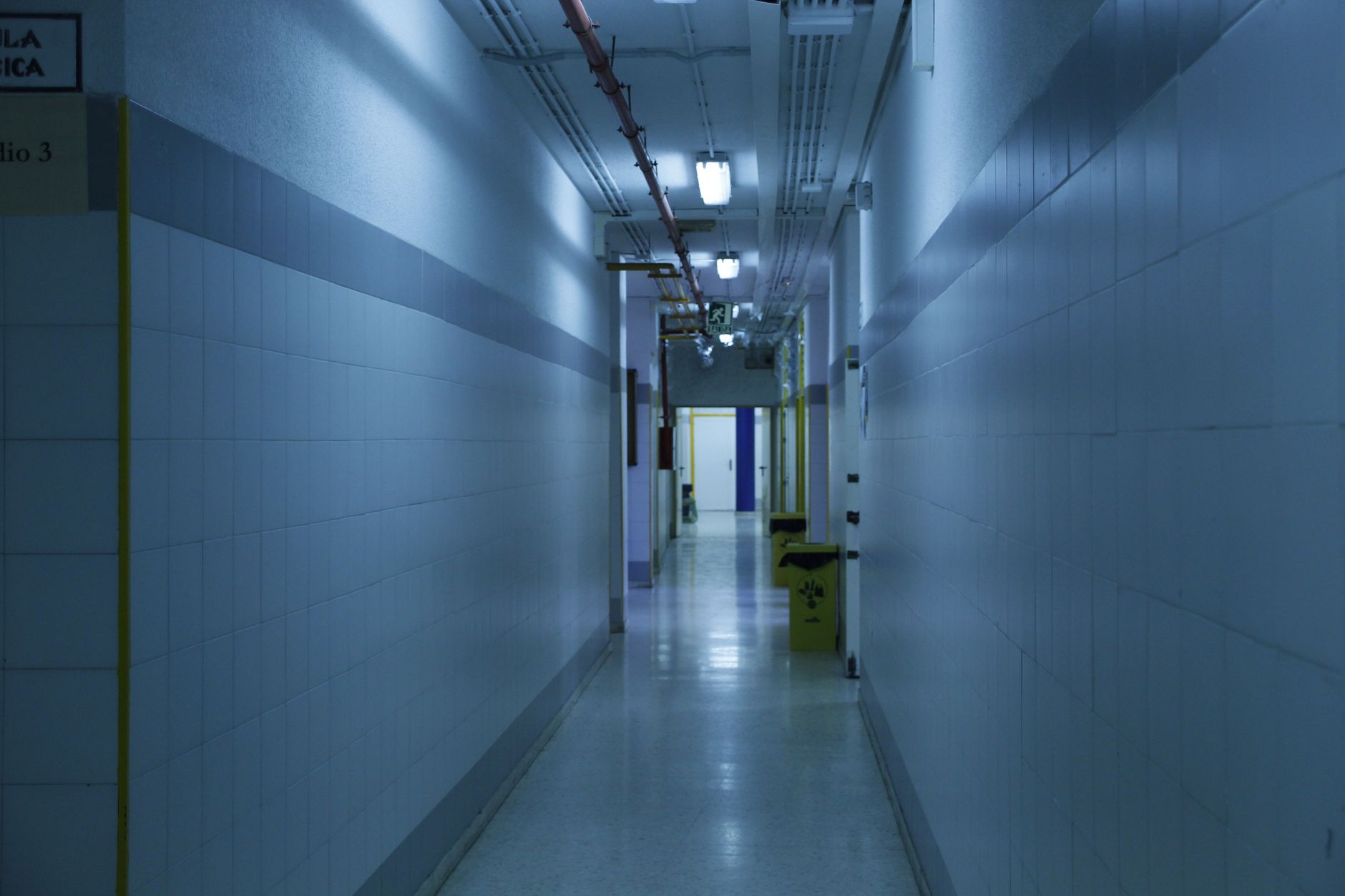
Hard floors in the main corridor, the lobby, the waiting area and the route between the sleep suites and the equipment room are the strongest candidates. A scrubber works best on long, straight passes with few obstacles, and a clinic's shared hallway usually has both.
Those hallways also take the first traffic of the morning, when patients leave and day staff arrive. A pass after the last study has settled can keep a dirty entry from becoming the first impression of the day. Carpeted waiting areas and rooms with tight furniture layouts need a different plan, and a vendor should test them on site before making any promise.
What still needs hand cleaning after every study?
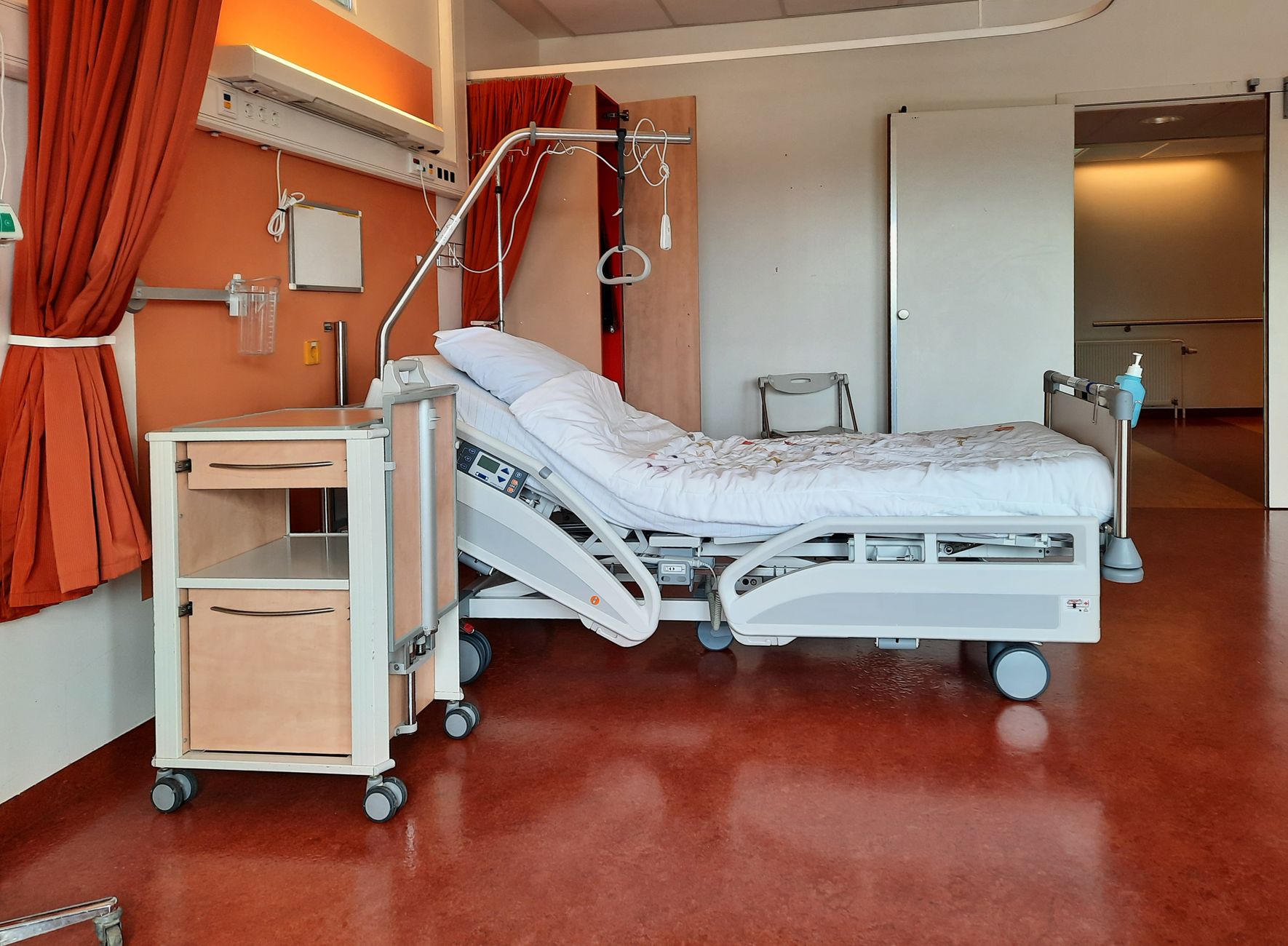
Patient rooms, bathrooms, bedside tables, corners, door handles and anything that touches a sleeping patient stay with staff. Sleep Review notes that cleaning and tracking matter most when multi-patient items are used, which is why shared sensors, cables and monitoring equipment belong on a documented checklist rather than a general sweep.
ACHC says surveyors look for written policies, defined procedures, quality control and ongoing training. A cleaning robot does nothing for those requirements, so the hand cleaning steps, the disinfectant used and the person responsible should all be written down and checked.
For reusable items, a 2020 sleep lab reopening document recommends disposable equipment where available and isopropyl alcohol wipes for reusable items between patients. Linen services used by the clinic must be certified for healthcare facility cleaning, according to Sleep Review.
Who sets the between-patient cleaning interval?
We found no current, published between-patient room cleaning interval in our research. A clinic should not borrow a number from a hospital article or a vendor brochure. The interval belongs in the written infection control policy, aligned with local health authority guidance and AASM infection control resources.
The 2020 reopening document also attributes to the AASM advice against reusing a polygraph nasal pressure transducer across patients within 72 hours. That advice came from a pandemic era document, so confirm it against current AASM material before writing it into a policy.
How do you schedule robot runs around patient sleep?
Patients asleep in the rooms set the constraint. A robot should not pass patient doors while a study is in progress, and a run should not force a technician to walk past sleeping patients to reach a charger or a supply closet. The schedule should come from the study calendar, not from habit.
A workable window opens after the last patient is settled and closes before early staff and the first morning wake periods begin. A 2023 SoftBank Robotics case study describes a top 5 US hospital network running scrubbers autonomously from 8:30pm to 2am. That is one vendor-reported example, not a template for a sleep clinic.
Keep a person with the unit during night runs. At NHS Fife, night staff are never left fully unsupervised with the robot, according to a Cleaning Magazine report. The Singapore General Hospital report described its scrubber as operating at an acceptable noise level, but it gave no decibel figure, so measure noise in your corridor during a trial.
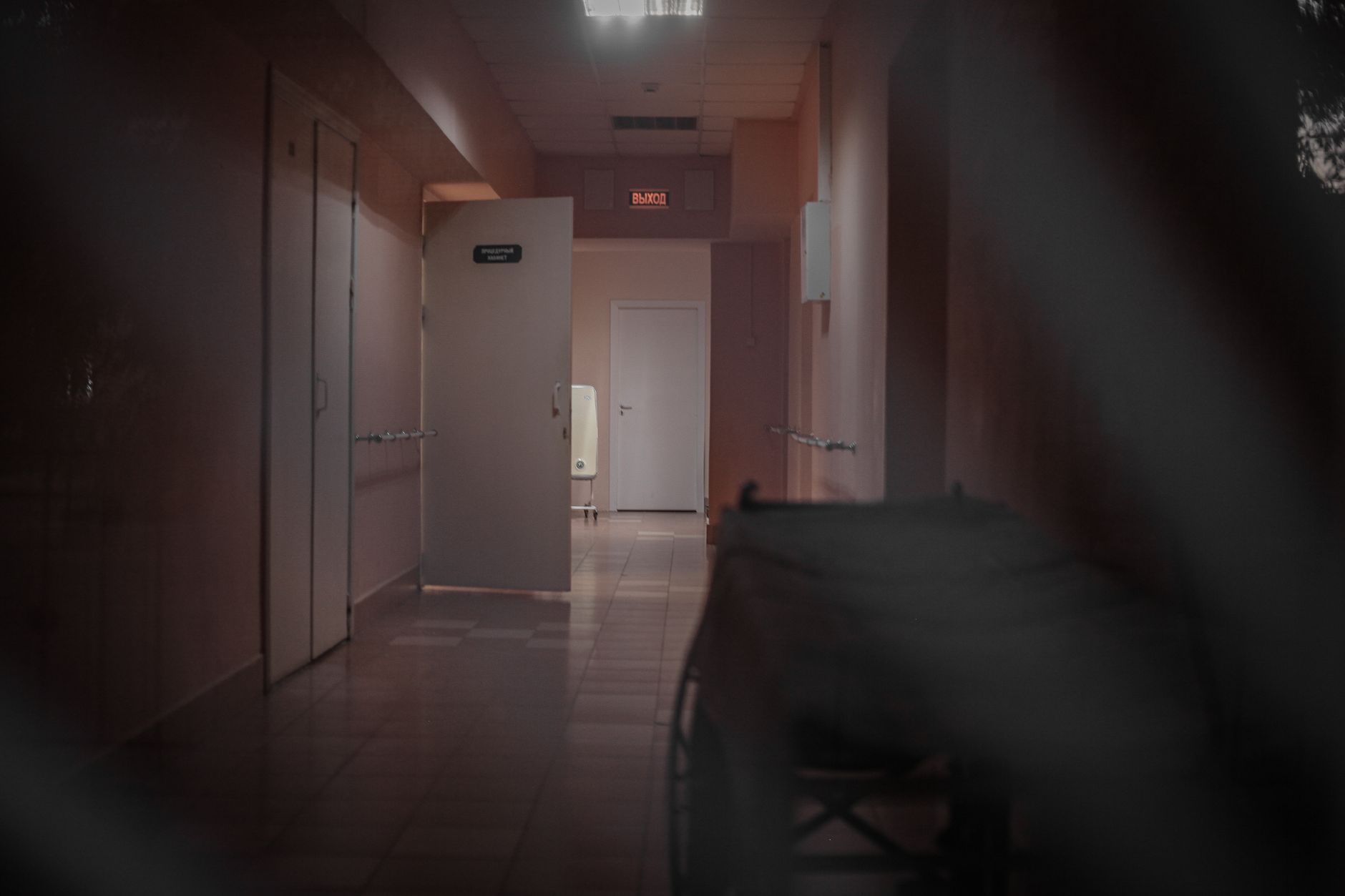
What do hospital scrubber deployments show about staff time?
The Singapore General Hospital quality improvement report from 2021 said the scrubber greatly reduced manual mopping time and greatly increased housekeeper productivity. The material we reviewed gave no figures for those claims, so treat the findings as directional.
Kettering Health said its scrubbers handle routine floor routes and free staff for corners, edges and detail work. As of November 2026, the Tennant case study we reviewed for Frederick Health, which uses the T7AMR, says the robot lets staff spend more time disinfecting rooms and bathrooms.
The sharpest figures come from SoftBank Robotics' 2023 S50 healthcare case study, which is vendor-reported. A top 5 US hospital network ran scrubbers across about 50,000 sq ft, with team size falling from 3 to 2 and total manhours per night falling from 16 to 5. Those are one site's numbers from one vendor, not a forecast for a clinic with a different layout.
How should a sleep clinic start a robot pilot?
Start with one zone and one leased unit. Service Robot Co. is a vendor neutral robot integrator for US businesses. We select the robot across manufacturers, finance it on a 3-year lease, quote one fixed lease amount after a site assessment, deploy and integrate it, train your staff, and service every unit through our nationwide US engineer network. One partner, one number.
For a sleep clinic, the natural first pilot is the shared corridor on one floor, measured against the manual hours it replaces and the checklist work it leaves behind. Go live support covers the first overnight runs, and a documented route and window let the clinic judge the result before scaling.
Frequently asked questions
Want a robot working for you?
Tell us the job and the site. We will recommend the robot, quote the lease, and keep it serviced.
Sources
- ACHC, Infection control in the sleep lab, Part 1
- Sleep Review, Sleep lab infection control
- World Sleep Society, sleep lab reopening advice to facilities (2020)
- Singapore General Hospital, autonomous robotics implementation report (2021)
- Cleaning Magazine, Robot enhances overnight cleaning at NHS Fife
- Kettering Health, autonomous machines support EVS teams
- Tennant, Frederick Health T7AMR case study
- SoftBank Robotics America, S50 healthcare case study (2023)