Key takeaways
- Dry bark, chips and sawdust suit a sweeper, while oil, spills and packed soil call for a scrubber.
- Running a scrubber over dust turns it into slurry, so match the machine to the debris on your floor.
- Overhead dust, ducts and hazard zones stay on the night crew's manual list, cleared with approved vacuum systems.
- Overnight runs work when the route is mapped before the first pass and kept clear of the day crew's walkways.
- No federal combustible dust standard exists, yet OSHA has cited sawmills and woodworking shops for dust buildup.
What does a sawmill floor need from an overnight machine?
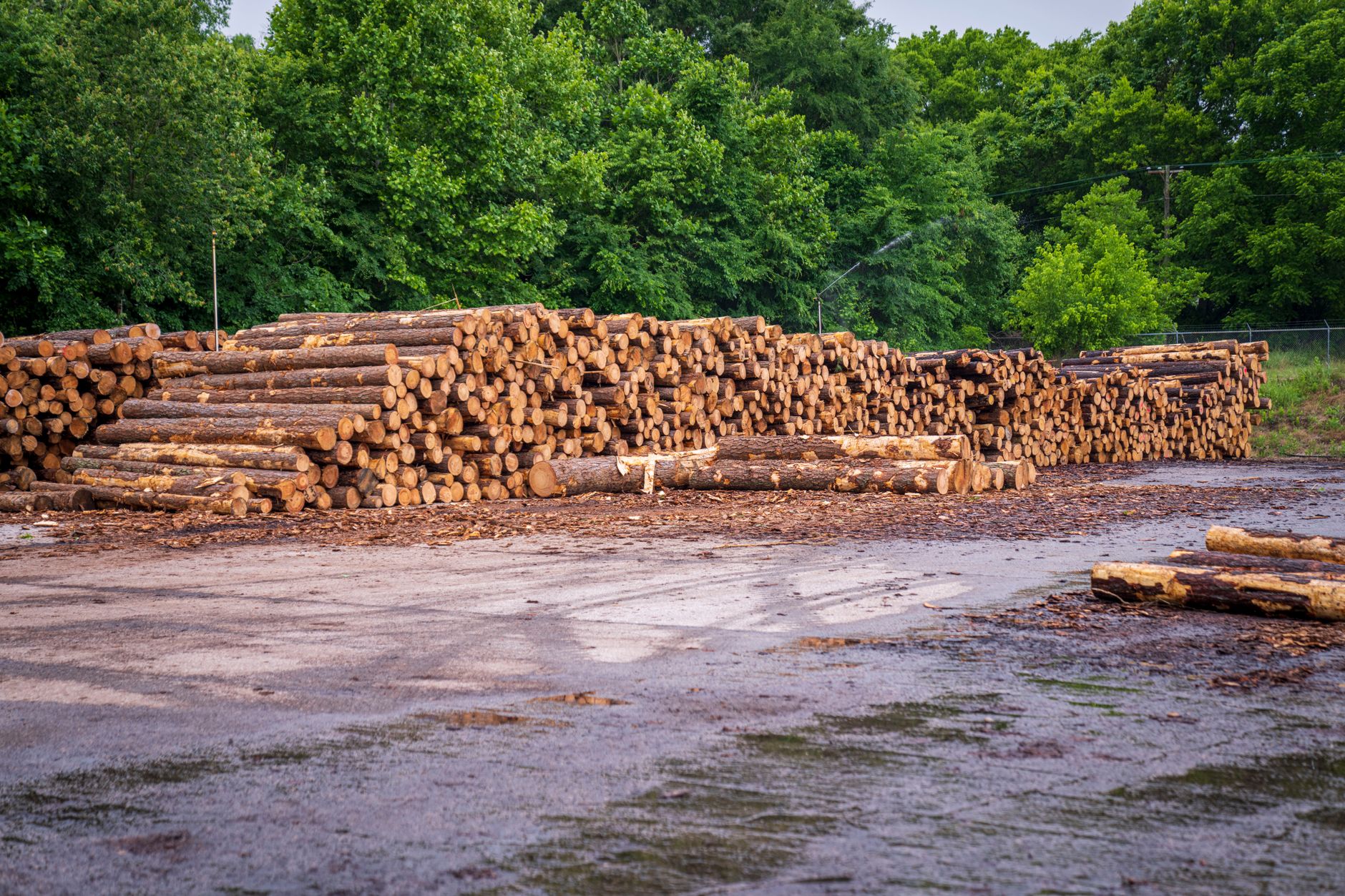
A sawmill floor needs a machine that clears dry debris between shifts without a person steering it past live saws. A sweeper handles bark, chips and sawdust at floor level. A scrubber earns its place where oil, spills or packed soil have bonded to the concrete. Neither one replaces the hands-on work of clearing overhead buildup and hazard zones.
The stakes are practical. Debris left on the floor adds slip hazards on grimy concrete and feeds fire risk. Overnight cleaning lets the mill clear that load while the saws are idle and the day crew is off site, but only when the machine's job is defined tightly.
Where do bark and sawdust actually collect?
Floor level is the obvious spot, and the one a sweeper handles best. Washington's Department of Labor and Industries warns to look high and low, because overhead surfaces are a common place for sawdust to build up unnoticed, according to its hazard alert on sawmill dust explosions.
NFPA 664, the wood processing fire and explosion standard, gives planners a concrete threshold. According to Wood Working Network, it defines a hazardous location as dust accumulation over 1/8 inch on more than 5% of the enclosure floor area. A floor sweep addresses only part of that picture, so beams, ducts and equipment tops need their own pass.
Sweeper or scrubber: how to match the machine to the debris
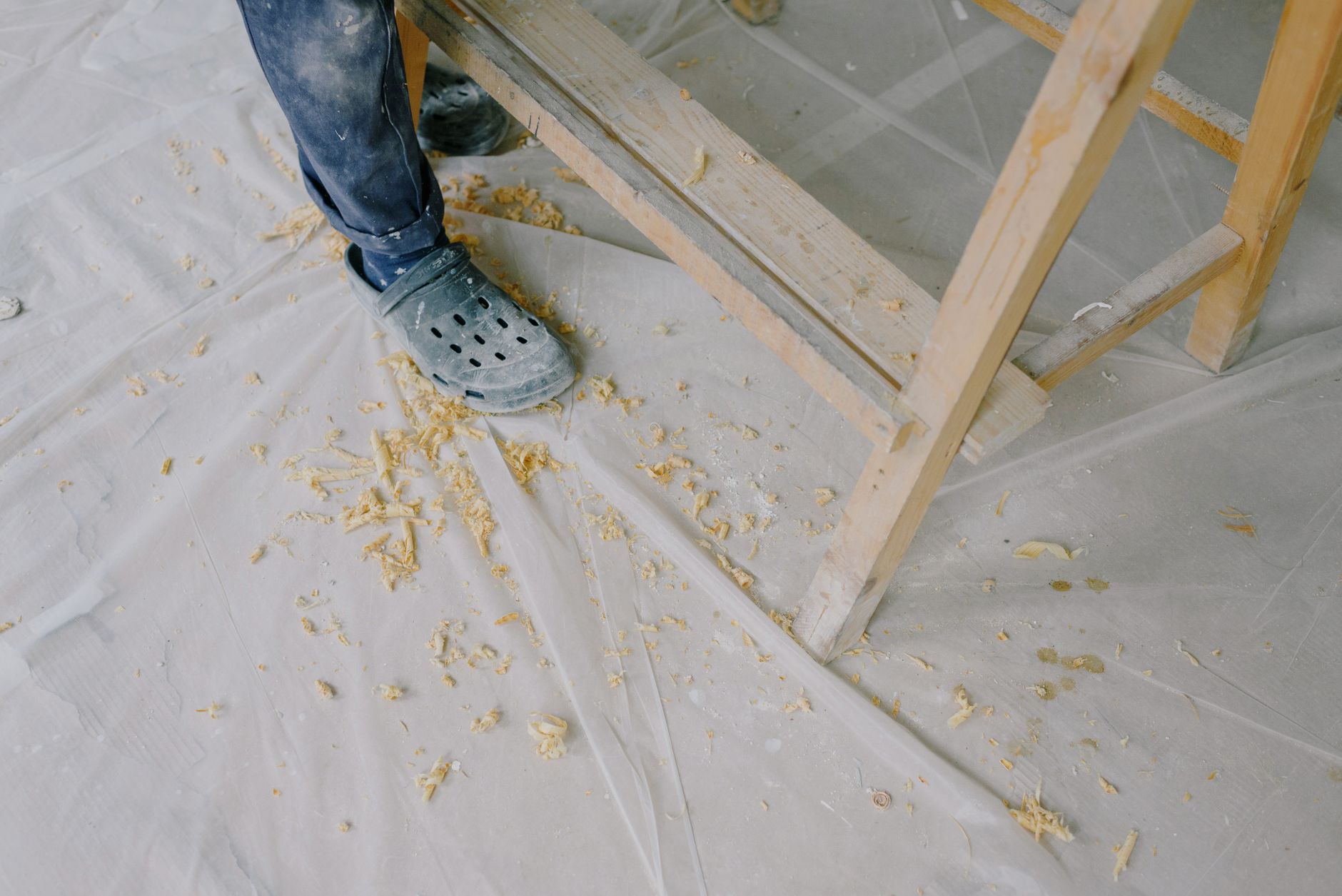
Gausium's guidance, checked as of November 2026, draws the core distinction plainly: running a scrubber over dust and debris turns it into slurry, while a sweeper suits dry debris and a scrubber suits oil, spills or embedded soil. Gausium is a vendor, so treat that as one manufacturer's framing and test it on your floor.
Kemaro's woodworking page, also checked as of November 2026, is a vendor claim. It says the K900 handles fine sanding dust, larger shavings and sawdust spillage in pressed wood plants, and that it navigates around machinery and cutting centres. Those claims are worth checking against your own bark, chips and nails before you accept them.
A sweeper has limits on a mill floor too. An IPC case describes a flooring manufacturer that chose a 512 walk-behind vacuum sweeper for sawdust and wood chips. That shows the dry-debris fit, but a walk-behind unit still needs an operator, so it does not run an overnight route alone.
How do overnight runs stay out of the shift's way?
An overnight run works only when the route is set before the first pass. Map the zones that go cold after the last saw stops, mark the machinery the robot must steer around, and keep the day crew's walkways out of the route. Run the heaviest debris zones first, so any interruption lands on the area that matters least.
Be honest about what the evidence covers. This review found no sawmill-specific case study with independent uptime or performance data, and no verified cost figures. Ask any vendor for mill references, and run a trial on your own debris before you commit to a schedule.
What do the fire and dust rules still require by hand?
There is no federal combustible dust standard. According to a 2026 guide from safetyregulatory.com, OSHA cites existing rules instead, including general housekeeping at 29 CFR 1910.22, storage housekeeping at 1910.176(c), and hazard communication. The same guide calls preventing dust buildup a key control, with exhaust ventilation as the main engineering control and good housekeeping as the primary work practice control.
Two habits recur across the sources. Use approved, listed vacuum systems for overhead dust, and avoid air-pressure blowdowns that throw dust back into suspension. Seattle's fire code housekeeping section says accumulated dust should be removed by vacuuming or other methods that avoid putting it into suspension.
Enforcement is real. OSHA has cited sawmills and woodworking shops for dust accumulation, including the citation against RY Timber reported by Wood Working Network. Hot work is a separate hazard. The same safetyregulatory guide cites welding as a leading cause of sawmill fires and describes fine wood flour of 500 microns or smaller as the most hazardous. Those are secondary figures, so confirm them against NFPA 664 and your local fire code, and check which edition your jurisdiction has adopted.
What does a thin night crew still do by hand?
A robot can take the floor-level sweep. It does not take work that needs a person's judgment or a permit. Put these tasks on the night crew's list:
Keep the manual list short enough that one person can finish it in the window before the day crew arrives. If the list runs past that window, the answer is a narrower robot route or a second pass, not a longer shift.
- Overhead beams, ducts and equipment tops, cleared with approved vacuum systems
- Any air-pressure cleaning that would lift dust, replaced by vacuuming
- Hot work sign-off and a fire watch before welding near debris
- Oil and grease spots under guards or in corners a scrubber cannot reach
- Emptying the robot's debris catch and clearing nails, metal or jams after each run
Where Service Robot Co. fits a mill's overnight plan
Service Robot Co. is a full-service commercial robot integrator for US businesses. We are OEM-neutral, so we pick the right robots across manufacturers for the mill's debris and floors, then deploy, integrate, train and service each unit through a nationwide US engineer network.
Mills get robots through our lease: a 3-year lease with one fixed payment quoted after a site assessment. A mill can start with one unit in one zone, and the site assessment is where the route, debris and charging questions get answered on the actual floor.
Frequently asked questions
Want a robot working for you?
Tell us the job and the site. We will recommend the robot, quote the lease, and keep it serviced.
Sources
- Washington L&I hazard alert: Sawmill Dust Explosions
- safetyregulatory.com: Combustible Dust OSHA Guide
- Wood Working Network: RY Timber cited by OSHA for worker dust exposure
- Wood Working Network: Are you ready for new wood dust requirements
- Seattle Fire Code, Chapter 22 (housekeeping section)
- Gausium: Industrial floor scrubbers for factories guide
- Kemaro: Woodworking use case
- IPC: Manufacturing facility buys 512 sweeper for sawdust and wood chips