Key takeaways
- A hospital delivery robot succeeds or stalls on the building: elevators, doors and mapped routes.
- BayCare's Winter Haven expansion added two Relay robots, Stork and Miles, announced June 3, 2026.
- Reliability figures from the vendor are self-reported and should be tested on your own floors.
- The handoff at the locked compartment is where staff first feel the program working.
- A fixed lease payment follows a site assessment, so the building comes before the quote.
Can a delivery robot really run a hospital corridor?
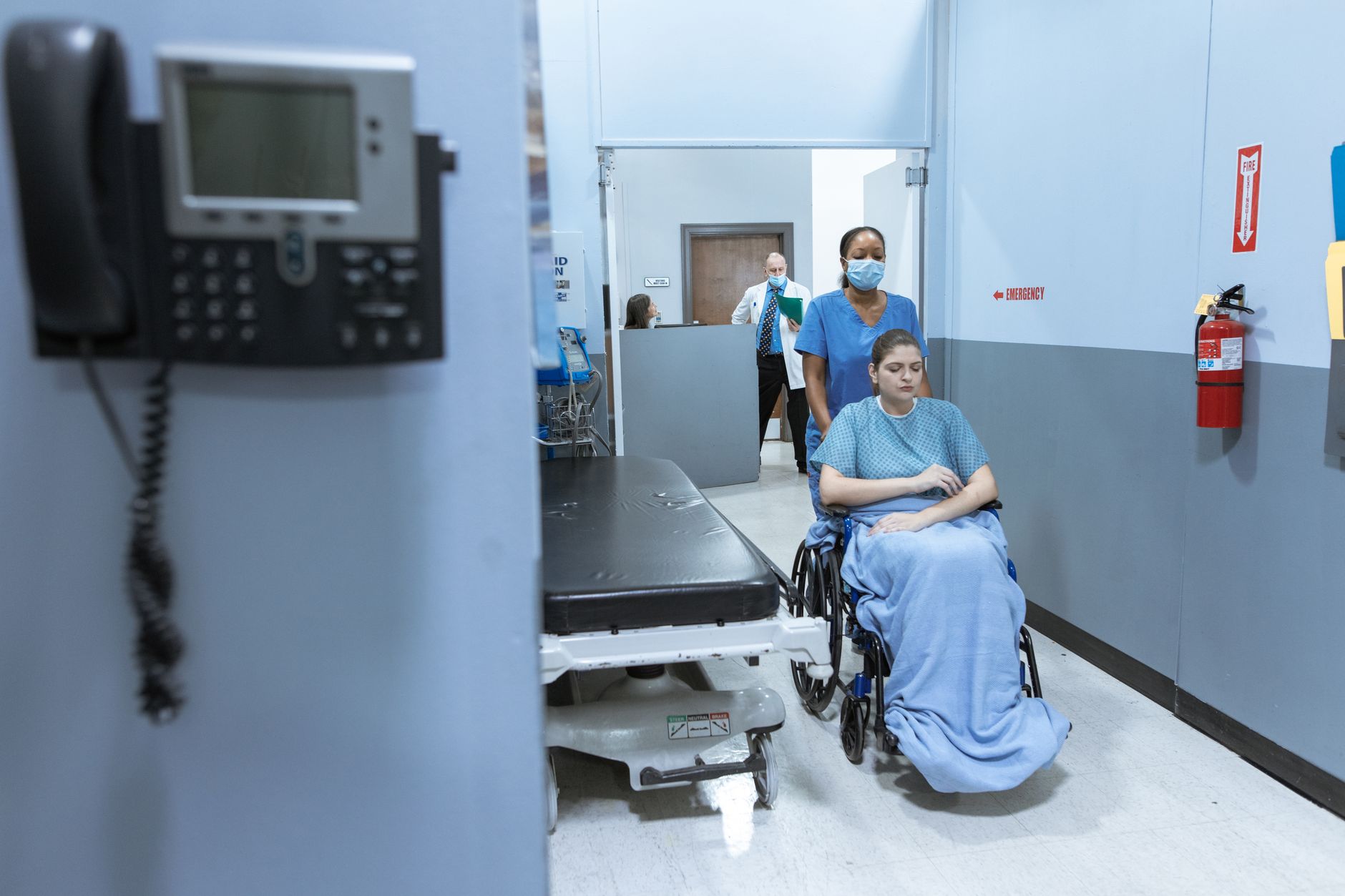
A hospital delivery robot earns its place in the corridor, not on the spec sheet. Its route depends on an elevator that answers, a badge reader that lets it through, and a nurse at the far end who knows the drawer is waiting. When those pieces line up, the robot takes over a walk that staff would otherwise make by hand, again and again through the day.
The clearest recent example is BayCare. According to Relay Robotics, as reported by Robotics Tomorrow on June 3, 2026, BayCare added two Relay robots, named Stork and Miles, at Winter Haven Hospital and Winter Haven Women's Hospital. The reliability figures in that coverage come from the vendor and have not been independently verified.
This article follows one robot through a typical hour, then sets out what has to be true before the first route runs and where things still go wrong. The hour is an illustrative composite, built from how these deployments are described publicly, not a log from a specific robot.
What does a typical hour look like on the floor?
Picture the first call of the hour. A specimen tray is ready at the urgent care clinic, and the lab sits on the second floor of the Women's hospital. The robot accepts the request, plans its route and heads for the elevator. Nothing about that first minute looks dramatic, yet most of what decides the hour happens before the wheels turn.
The route runs through hallways full of carts, wheelchairs and visitors, so the robot slows and waits as traffic demands. Between runs it returns to a charging point and waits for the next call. The rhythm is less a sprint than a series of short, careful legs.
How does the robot call and ride an elevator?
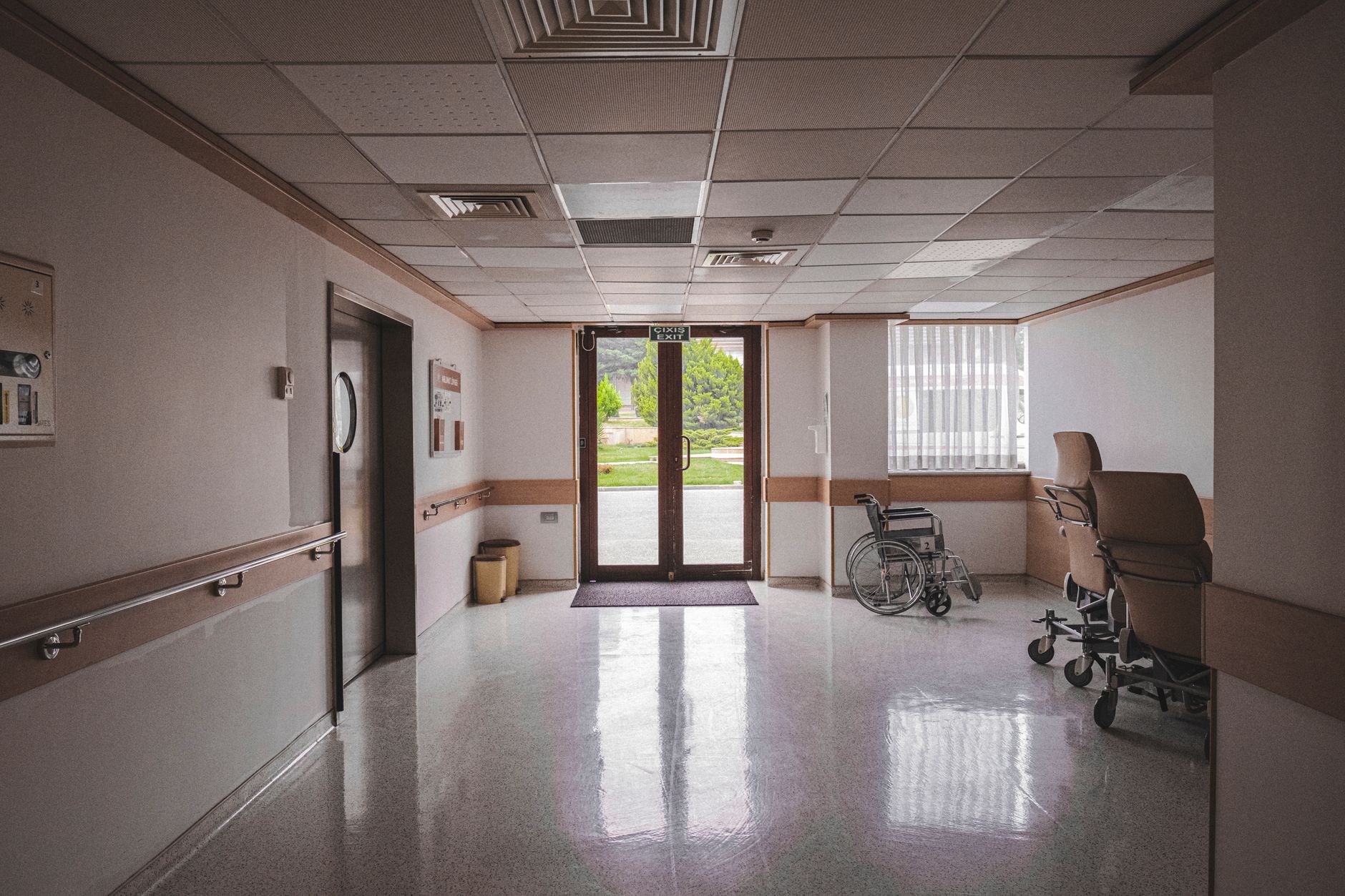
Relay says its robots interact with elevators without human intervention, a claim the vendor makes for its own system. Upstate University Hospital shows what that takes in practice. According to ElevatorWorld, staff mapped the whole facility for navigation and upgraded elevators so the robot server and the elevator server could communicate.
Inside Indiana Business reported that IU Health's pilot had robots taking elevators without assistance on pre-mapped routes. The lesson is that elevator access is a building project, not a setting you switch on. Mapping, elevator communication and the hospital's control systems have to agree before a route is trusted with a specimen.
How does the robot get through a badge-access door?
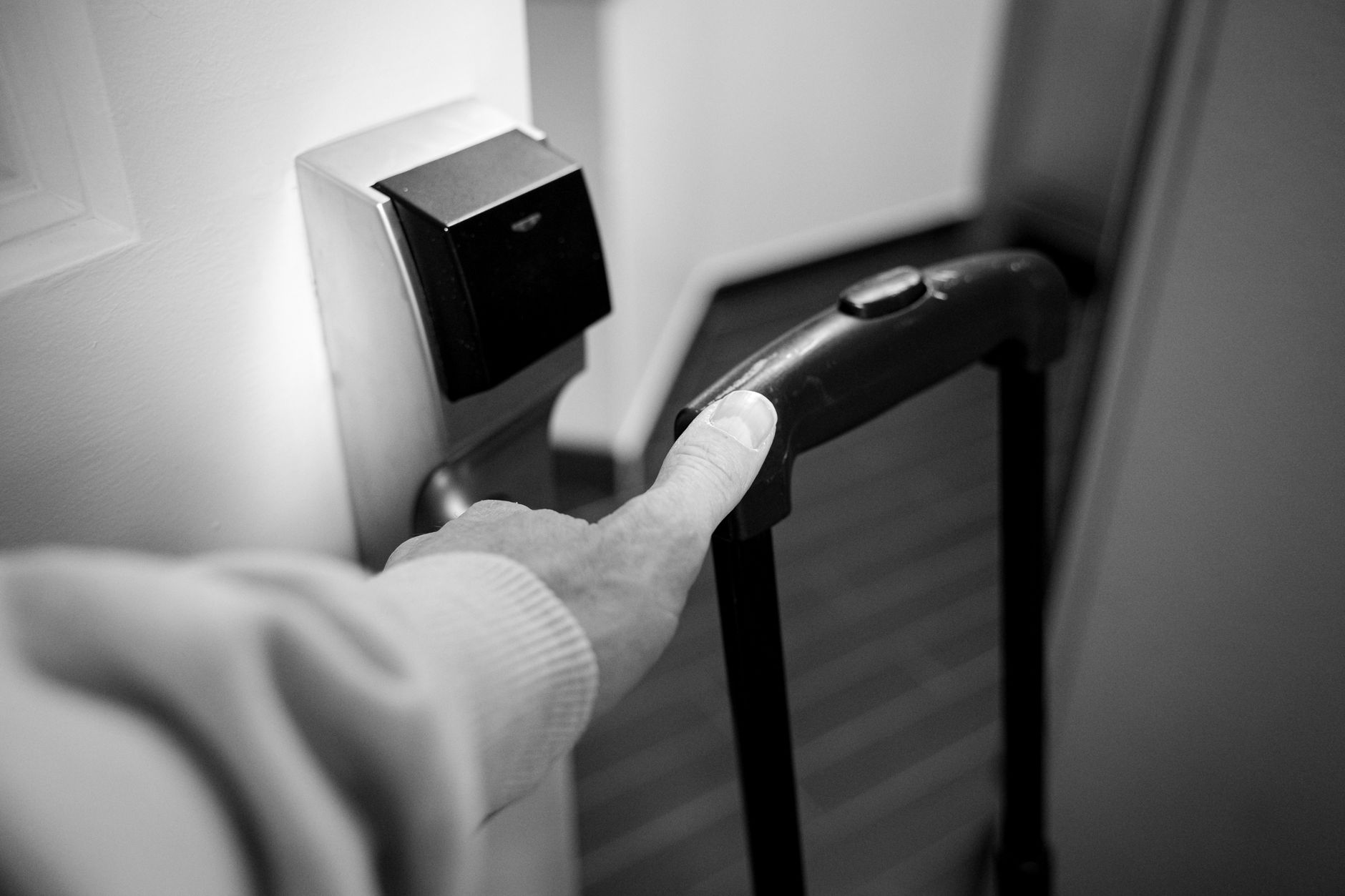
Secure doors are where many corridors stall. According to Unite.ai, most modern access control systems support robot integration through the OSDP protocol, so the door controller is the first thing to check. A robot that cannot pass a badge reader is not on a route at all, however good its map looks.
Relay also says its robots work with secure, badge-access doors without human intervention, again a vendor claim. Ask the hospital's security and facilities teams which doors need credentialed access, which can be opened by signal, and which must stay staffed. Those answers shape the route before any robot moves.
Where does the handoff happen, and who notices?
Relay describes authorized personnel retrieving items from secure, lockable compartments at the destination. The robot's job ends at the drawer, and the hospital's job begins. Someone has to know the tray is coming, open the right compartment and close the loop, or the run is not finished.
This is where a delivery program proves itself on the floor. Nobody on a unit will praise a robot for arriving on time, but they will notice a tray that never shows up or a robot idling in a corridor with no one to receive it. Briefglance reports that the stated goal across these pilots is to free nurses from transport tasks for bedside time.

What does the Winter Haven expansion actually cover?
Stork runs specimen transport from the urgent care clinic to the second-floor lab at the Women's hospital, around the clock. Miles covers wings without pneumatic tube systems and carries pharmacy orders and supplies. Splitting the work this way lets a hospital assign one robot to a fixed, time-sensitive path and another to a wider, less predictable job.
BayCare has also announced a separate drone delivery program with Zipline, with launch planned for late 2027. That is a different system and should not be read as part of the Winter Haven robot story. Keeping the two apart makes each easier to judge on its own evidence.
What must be true before the first route runs?
Four things should be settled before a route goes live: a facility map the robot can navigate, elevator communication both systems can use, door access that accepts the robot's credential, and a network that holds in the corridors the robot travels. Each one is a checkpoint that can fail quietly if nobody tests it end to end.
Service Robot Co. is an OEM-neutral integrator, so the first question is which robot fits the building, not which manufacturer a vendor prefers. Our team surveys the site, selects the robot across manufacturers, and handles integration, training and service through a nationwide US engineer network. Robots reach customers through a lease, with one fixed lease payment quoted after a site assessment on a 3-year lease.
What still goes wrong on a busy shift?
Most failures are not dramatic. They are waits, and waits add up across a shift. The points below cover the failures that matter most on a hospital floor.
The useful habit is to settle the escalation path before the first failure. Know who on the floor is alerted, who calls the vendor for remote triage, and when a technician is dispatched on site. A robot that stops in a corridor should never leave staff guessing.
- An elevator that never answers, so the robot holds in the lobby while the specimen ages.
- A badge reader that rejects the robot after a credential or door setting changes.
- A hallway crowd that forces the robot to stop and back off, lengthening every leg.
- A compartment left unclaimed, so the tray sits and the clock keeps running.
- A unit pulled for charging or repair mid-shift, leaving a gap in its route.
How should you read the reliability claims?
Relay reports delivery reliability over 99 percent, a figure the vendor states and that has not been independently verified. Treat it as a starting claim, and ask for trip logs covering full shifts on comparable floors rather than a single good day.
Volume figures from the same company also need care. A Relay announcement projects monthly deliveries, while a Relay case study cites a per-day count, and the two do not match. This article leaves both out rather than pick one, and a buyer should ask the vendor to reconcile them in writing.
Frequently asked questions
Want a robot working for you?
Tell us the job and the site. We will recommend the robot, quote the lease, and keep it serviced.
Sources
- Robotics Tomorrow, June 3, 2026, report on BayCare's Relay robot expansion
- Relay Robotics, BayCare expansion announcement
- Relay Robotics, BayCare Health System case study
- Briefglance, robots in hospital hallways and nursing time
- ElevatorWorld, Upstate University Hospital robot elevator integration
- Inside Indiana Business, IU Health robot pilot
- Unite.ai, access control and robot integration
- BayCare newsroom, Zipline drone delivery announcement