Key takeaways
- A compact floor robot fits the gaps between detail jobs, not the detailing work on the car.
- Smooth sealed floors and drains a wheel can cross decide whether the robot route works at all.
- Most performance claims for bay equipment in this niche are vendor-reported, so test on your floor first.
- Hand crews still win on heavy solvent spills, cluttered bays and the detailing itself.
What a floor robot can and cannot do in a detail bay
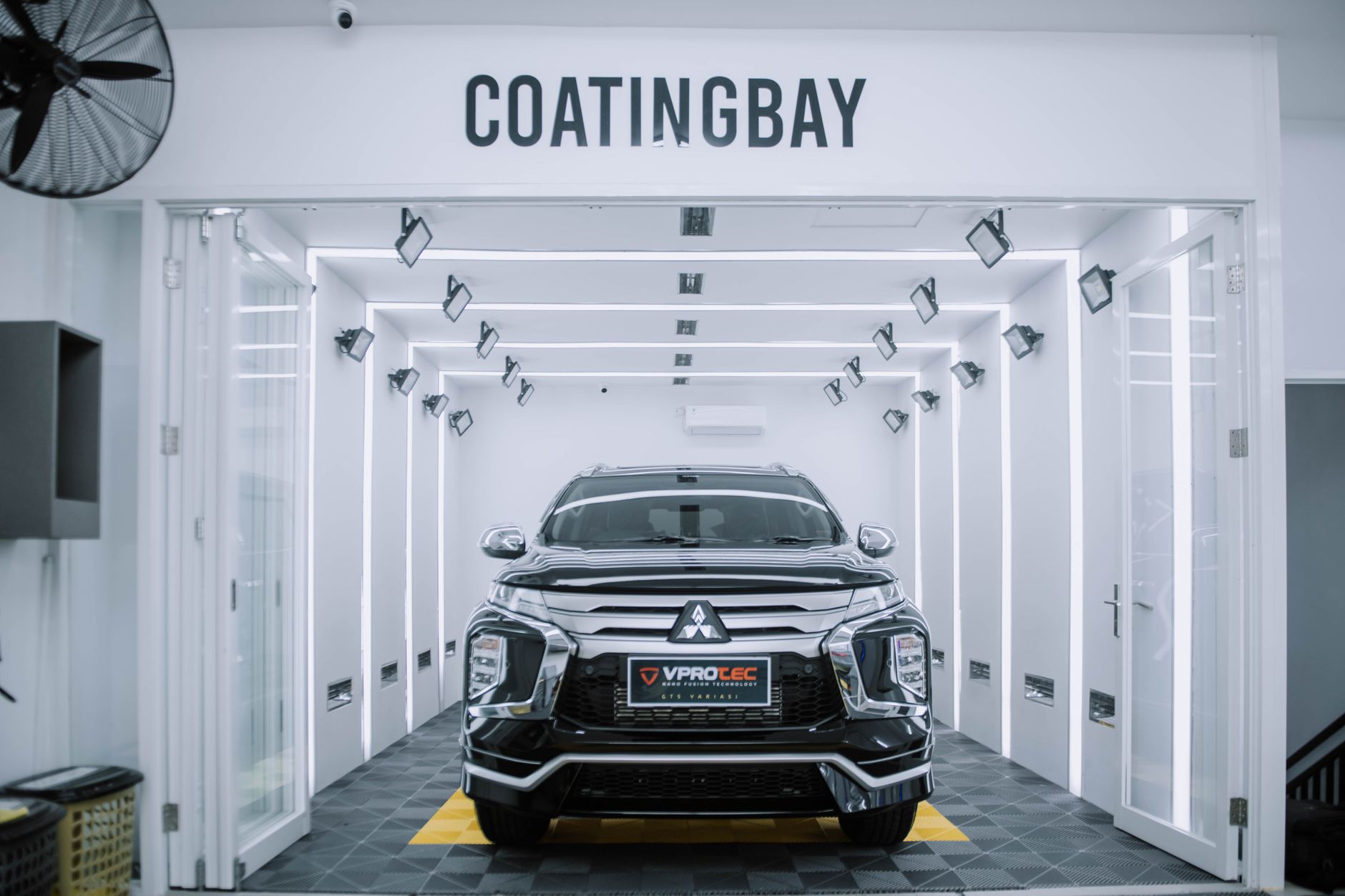
A compact floor robot can take over the repetitive floor passes between detail jobs. It sweeps grit, scrubs or mops wet residue and vacuums fine dust while the bay sits between cars. It does not detail the vehicle, and it does not replace the person who checks paint, glass and trim.
A bay suits a floor robot when three things line up: a smooth, sealed floor a wheel can roll across, drains the robot can cross without stalling, and a machine whose water and chemical limits match what the bay really produces. When those line up, the robot works the gaps. When they do not, a hand crew still makes more sense, and the sections below show where that line falls.
What gets cleared between jobs, and in what order?
Detail work leaves a predictable mess: road grit carried in on tires, wash water running toward low spots, polish and dressing overspray, and fine dust that settles while a car sits under lights. A floor robot handles the dry and wet parts in sequence, sweeping first, then scrubbing or mopping the damp residue, with vacuuming for the dust a broom leaves behind.
A Robot Industries case study describes a Romanian auto service company that deployed a Pudu CC1 autonomous floor cleaner. The machine sweeps, scrubs, mops and vacuums, and the company assigned it zones including a mechanical bay and a painting booth. The case study reports that cleaning time dropped and staff could focus on repair work, but those results are self-reported by the vendor and not independently verified.
A repair shop is not a detail bay, so read that case as evidence of what the machine can be set to do, not of detail-bay results. As of November 2026, we found no independent detail-bay data to set against it.
Which floor types suit a compact robot?
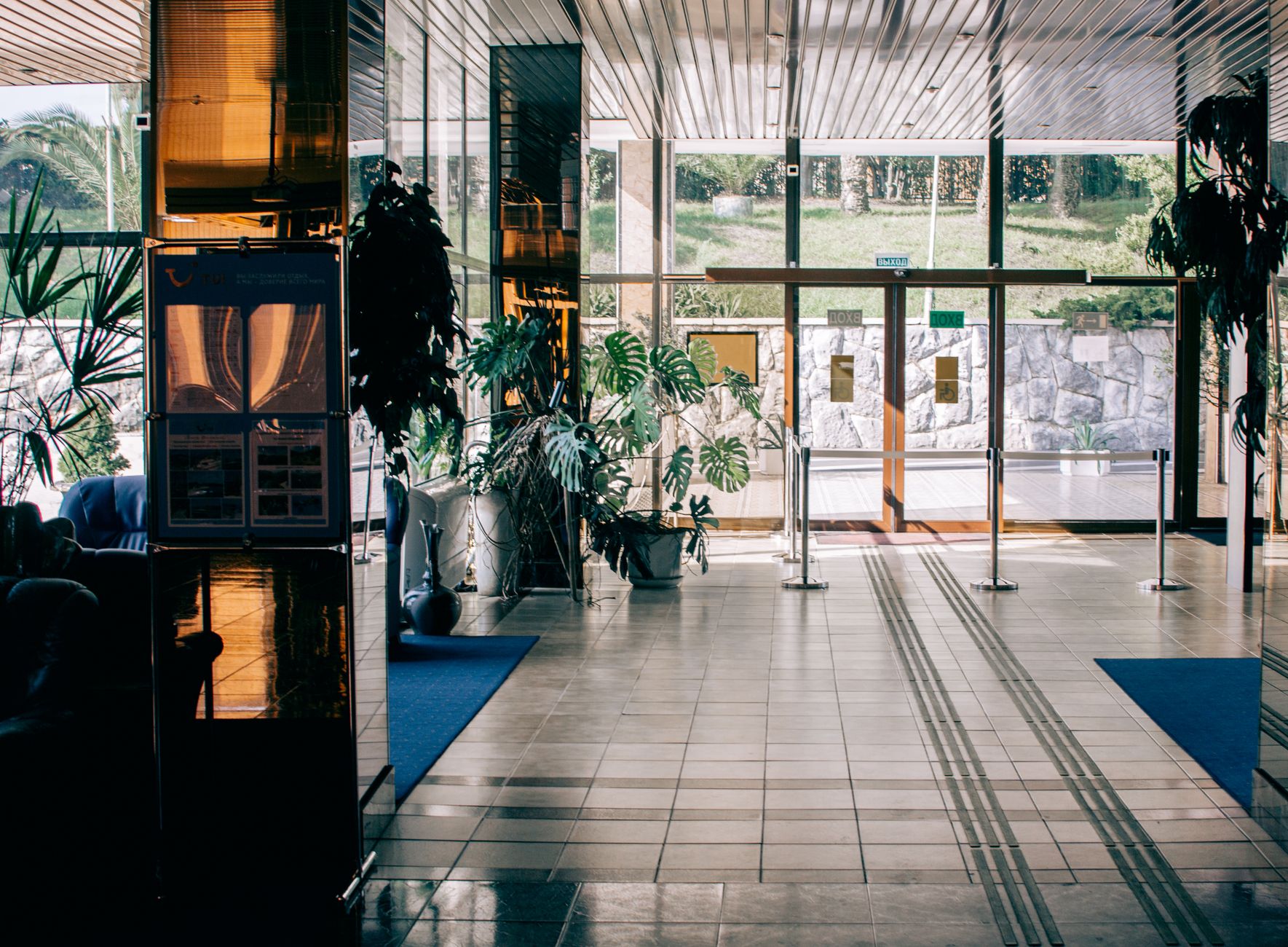
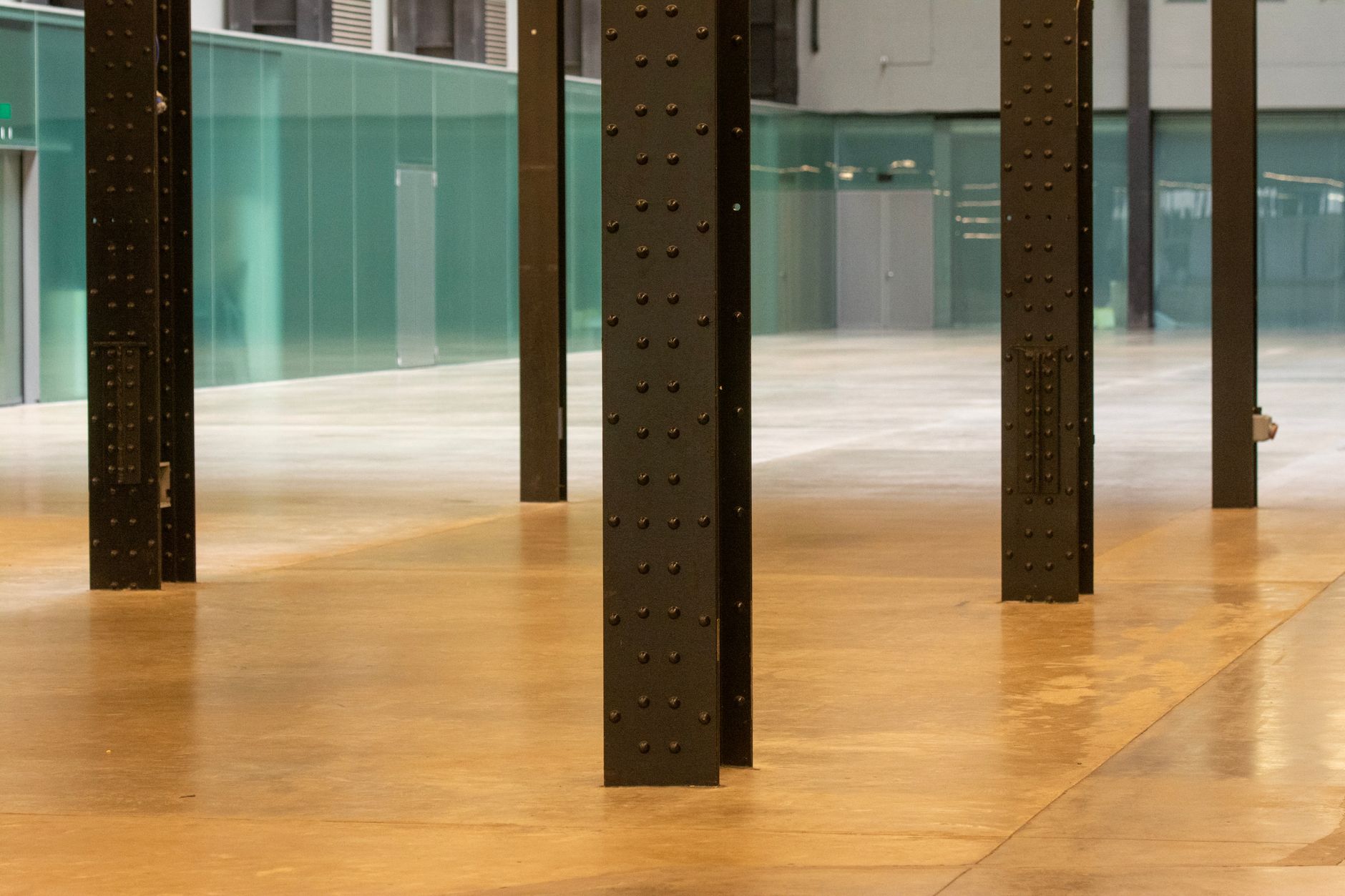
Smooth, sealed concrete and epoxy coatings are the easiest surfaces for a compact robot. Its wheels keep consistent grip, and the sweeping and scrubbing heads meet the floor evenly. Polished concrete suits a robot too, though a glossy finish can show every streak, so plan a damp-only pass for it.
Rougher surfaces are harder. Broken or heavily textured concrete, expansion joints with raised lips, bay-door thresholds and curled rubber mats can trap wheels or hold debris in the seams. Heavy oil stains often need a separate degreasing pass first, because a scrubber can smear a thick film instead of lifting it.
Walk the route at floor level before committing and note every lip a wheel must climb. The climb limit sits on the manufacturer's spec sheet, and that figure should be checked against your floor, not taken from a brochure.
Where should drains sit for the robot's route?
This is general practice rather than a published standard. None of the public sources we checked set drain placement for detail bays. The working principle is that a robot should cross every drain without stalling, and its route should never lead through standing water it cannot leave.
Flush floor drains and narrow slotted grates are usually easier for a compact robot than wide grates or raised covers. Where possible, plan the route to cross drains at an angle rather than rolling straight into a grate edge. Keep the charging dock on the dry side of the bay, away from where wash water runs, so the robot is not sitting in spray between cycles.
How does bay shape change the route?
Bay shape can matter more than floor type. An older US patent describes why traditional drive-through washers do not fit closed or dead-end bays. The patent does not address floor robots, but its point is a useful reminder that a bay's geometry decides what equipment can enter and turn.
Measure turning space, lift clearances, door swing and any dead-end corners before choosing a robot. A robot that cannot turn cleanly will skip the far corner, which is often where water pools. Walk the route with the crew and mark every spot the machine must back out of.
When should the robot run between jobs?
The robot works the gap between one car leaving and the next one rolling in, so scheduling is most of the job. Run it only after the bay is clear of vehicles and tools are stowed, with no person in the route. Set the bay to a no-go state while a car is being serviced, so the robot never enters an occupied space.
Keep each run short enough to finish before the next job starts, and make the robot's pause behavior part of the crew's routine. Nobody should walk a wet floor the robot has not yet passed, and nobody should step over a cable or hose the robot has stopped beside.
When does a hand crew still make more sense?
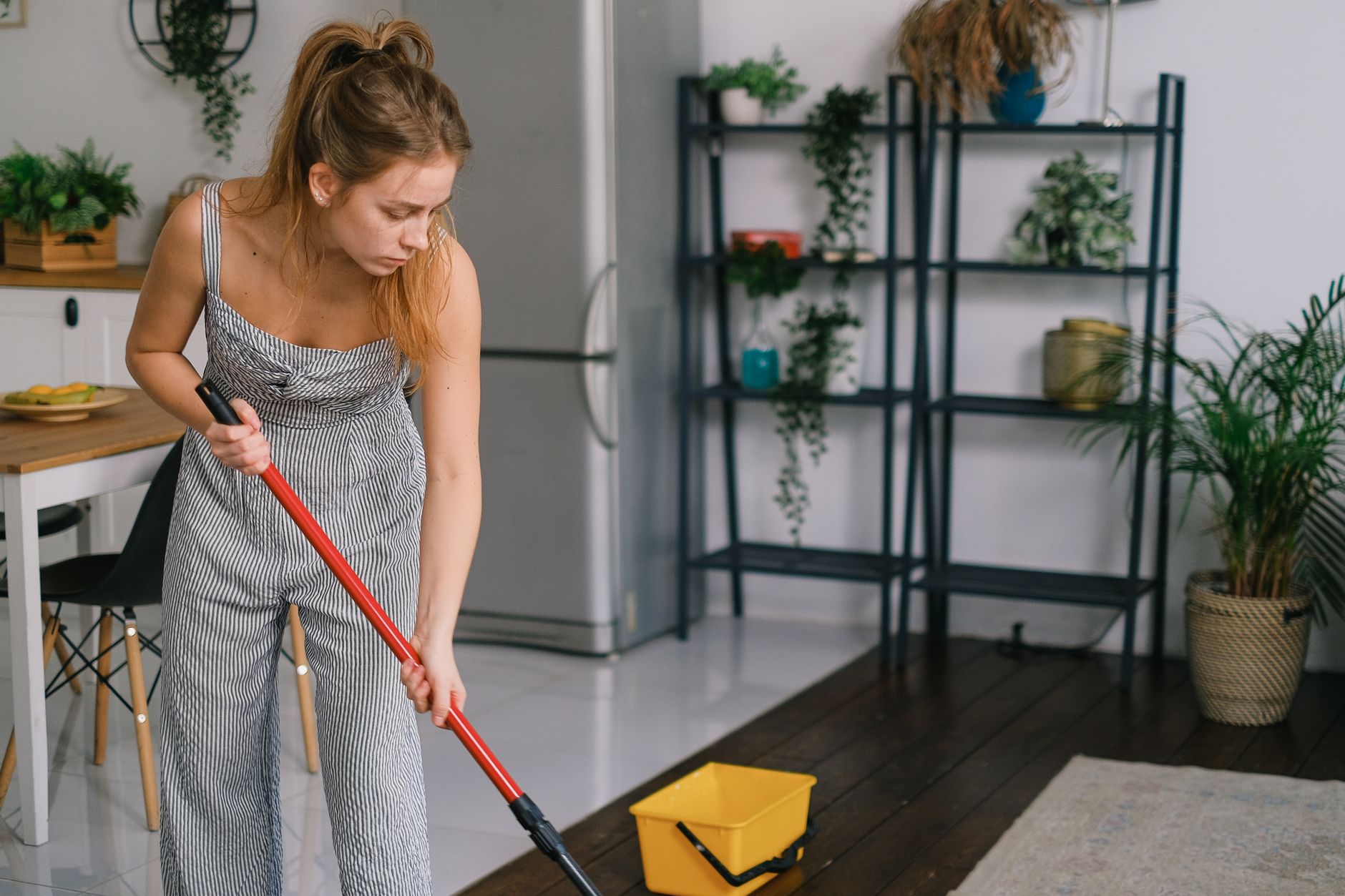
A hand crew still makes more sense in several common cases.
- Heavy solvent, oil or degreaser spills that need a person to choose the cleanup method
- Cluttered bays where tools, hoses or chemical containers sit on the route
- Broken concrete, deep seams or bay-door lips a wheel cannot climb
- Bays too small for the robot to turn in without contact
- The detailing itself, including paint correction, glass and interior work that needs hands on the vehicle
What do the industry figures actually show?
Professional cleaning is a sizeable part of the service robot market, and the numbers are useful context, though not evidence for detail bays. According to trade press reporting on IFR World Robotics data, sales of professional cleaning robots rose 34% to more than 25,000 units in 2024, making it the third-largest service robot segment, with most units deployed for floor cleaning.
An IFR press release dated September 30, 2026 says global sales of professional service robots rose 24% in 2025 to almost 250,000 units. The IFR states that its service-robot data comes from a sample and is not projected to the whole industry, and it warns against comparing figures across different World Robotics reports.
We found no 2025 cleaning-specific breakdown, so do not stretch the 2024 cleaning figure into a 2025 claim. Neither number tells you what a single detail bay will earn.
Which vendor claims need a test first?
Some marketing in this niche is thin. A Dingtong Industrial listing on an Automechanika exhibitor page describes an intelligent car wash robot that sprays, scrubs and dries vehicles, but it gives no performance data. That is a vehicle wash system, not a floor robot, and the listing does not say how it performs.
DHALAAL says its autonomous wash carts leave no foam, water or dirt on the floor. We could not independently verify that claim. Ask any vendor for spec sheets, stated water and chemical limits, and a pilot on your floor before you accept a statement of performance.
How a lease fits a detail bay test
Service Robot Co. starts with a site assessment, then quotes one fixed lease payment for a three-year lease. We finance, deploy, integrate, train and service every unit through a nationwide US engineer network. We pick the robot across manufacturers, so the machine in a detail bay is matched to its floor and layout rather than to one brand.
For a detail shop unsure about its floor, a single leased unit in one bay is a practical way to test the route before any wider decision. The site assessment is where the floor type, drain layout and bay geometry from the sections above get checked against a real machine.
Frequently asked questions
Want a robot working for you?
Tell us the job and the site. We will recommend the robot, quote the lease, and keep it serviced.
Sources
- Robot Industries case study: Romanian auto service company deploying a Pudu CC1 floor cleaner
- Automechanika exhibitor listing for Dingtong Industrial (intelligent car wash robot)
- VC4A listing for DHALAAL mobile wash carts
- US patent 4035862 (USPTO), drive-through washers and closed or dead-end bays
- The Cleanzine: service robots and IFR World Robotics cleaning robot sales (2024)
- IFR press release on professional service robots, September 30, 2026 (German)