Key takeaways
- Entry mats decide how much grit reaches the tile, so map the mat zone before you set the robot route.
- Keep the mat zone and the wet tile strip on separate routes with their own speed and sensor settings.
- Vendor hospital results are encouraging, but we found no independent payback study in this review.
- Set quiet hours by testing sound from the nearest waiting chair, not from a brochure figure.
- A three year lease quote follows a site assessment, so the entrance plan comes first.
What overnight floor care at a visitor entrance involves
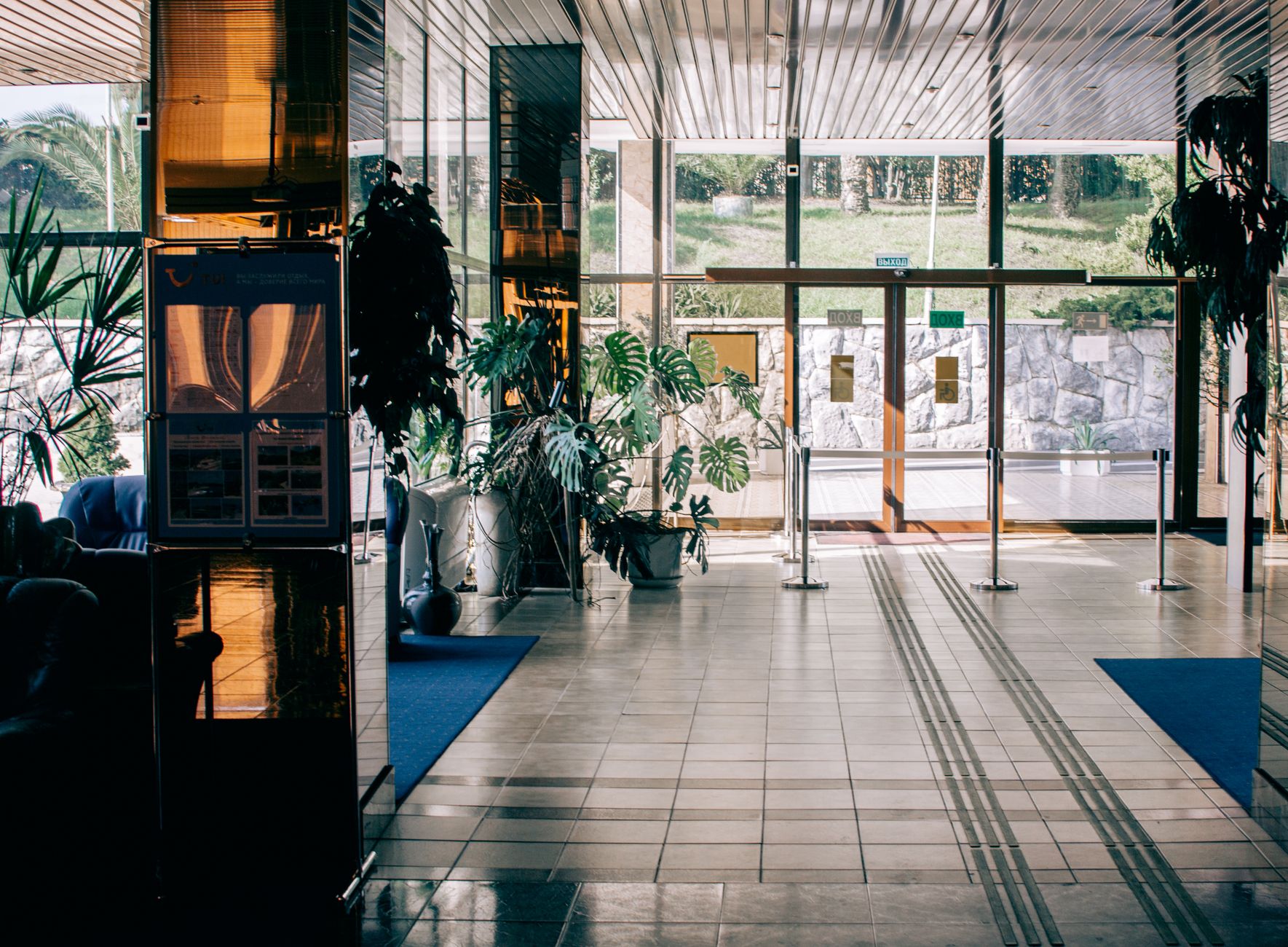
A hospital visitor entrance after dark is a mat problem before it is a floor problem. Rain, road grit and wet shoes arrive in a steady stream, and most of that soil lands on the entry lanes and the tile just past them. A floor robot can take the open lobby, but the entry matting decides how much work the machine inherits.
The American Institute of Architects, as cited in trade coverage, says five feet of matting captures about 33 percent of debris walked in, ten feet about 52 percent, and 20 to 25 feet can capture up to 100 percent of soil on shoe bottoms. The Carpet and Rug Institute, as reported in the same coverage, puts 12 to 15 linear feet of matting at removing 85 to 90 percent of dirt and moisture tracked in.
Why the mats and the tile share one job
ISSA, as reported in trade coverage, estimates that about 80 percent of facility soil, dust and contaminants enter on the shoes of visitors and occupants. At a visitor entrance, the first steps inside the door carry much of that load, so the mats do the heaviest work in the building.
Wet tile adds a second problem. Water that gets past the mats spreads across the tile as the lobby fills, and a scrubber pass that starts too early will only move the film around. Give the mat zone and the wet strip their own routes instead of one long pass.
How to map the entrance into zones
Map the entrance before the lobby. The robot needs an up to date floor plan that shows the mats, each threshold, and every line where one surface changes to another. Name each zone for what the robot should do there, not only where it sits.
- Vestibule mat line: a hold or slow zone while mats are shaken out or relaid, then a dedicated pass once they are down.
- Threshold transitions: slow speed and sensor checks where tile meets metal, mat or carpet.
- Wet tile strip: the run between the mats and the open lobby, with its own wet pass and drying note.
- Open lobby: the main pass, where the robot can work at normal route speed.
- Information desk and seating edge: a slow zone around staffed furniture and foot traffic.
- Lift lobbies and corridors toward patient areas: a hard stop line that belongs to a separate map, not the visitor route.
Which surfaces suit a floor robot
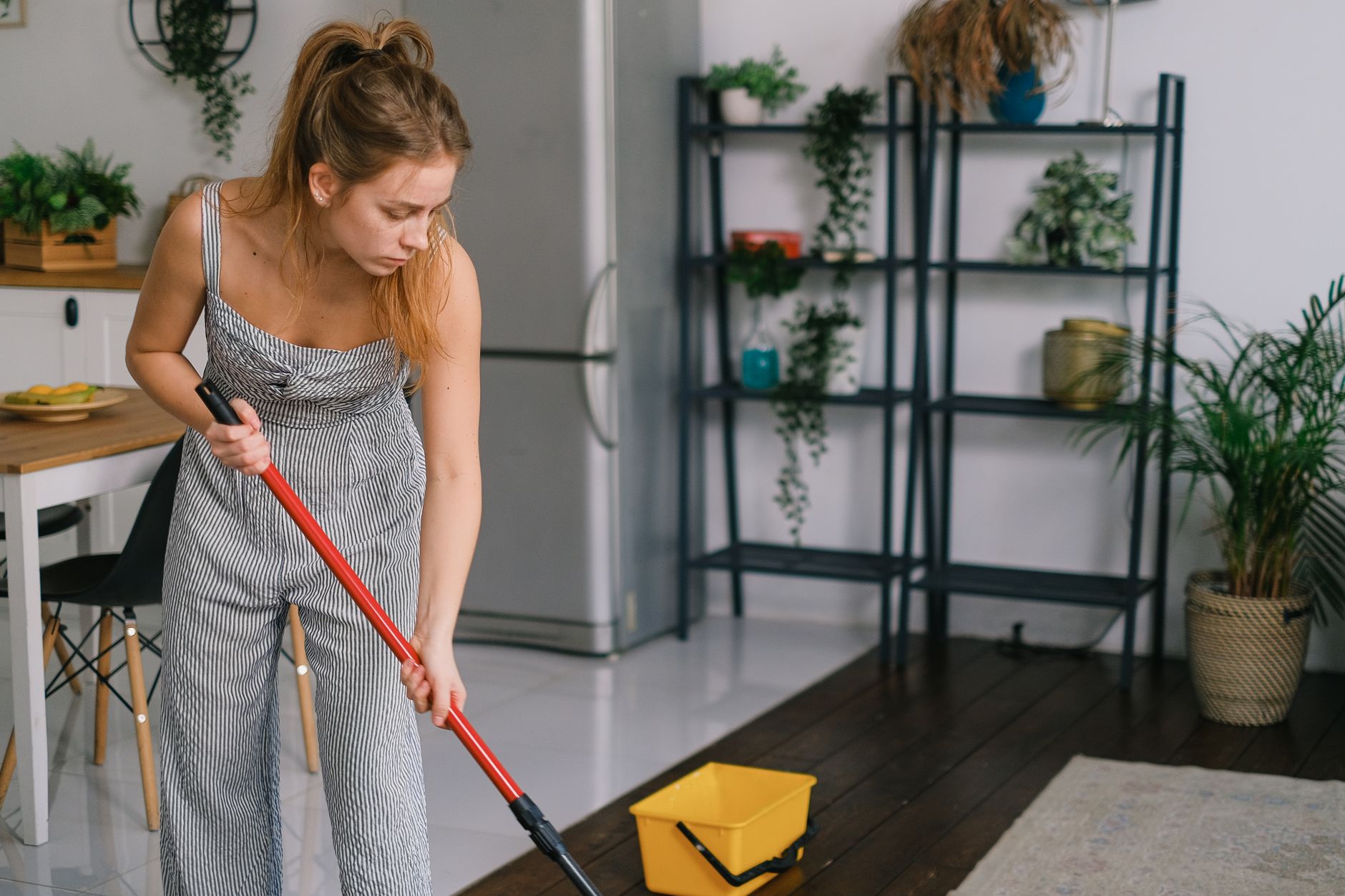
Hard, sealed, level surfaces suit a floor robot best. Sealed terrazzo, sealed vinyl composition tile and sound concrete give the machine a predictable surface for its brushes, squeegee and sensors. Confirm the sealer and grout lines with the site team before the first run.
Carpet, loose or curled mats, and raised lips or heavy grout ridges call for a different plan. A loose mat can fold under the deck, and a raised edge can stop the robot or push it off its line. Lay mats flat and pin the edges, or mark the mat zone as a hold area while it is out of service.
This article does not set a wet tile slip standard. Check the wet tile route against your own slip program and the surface maker's guidance before you assign it to a robot.
How quiet hours fit a public lobby at night
Quiet hours at a visitor entrance are about the people nearby: patients resting in rooms close by, family in waiting chairs, and staff who need to hear the desk phone. Set the window by the rounds and the mapped zones, not by a brochure figure.
OrionStar says its CleaniBot S55 Pro meets an industry benchmark under 65 dB for quiet overnight operation, and it describes the unit for corridors, lobbies and open public areas rather than patient rooms. As of November 2026, that is the vendor's own claim, and we found no independent data behind it. Test the sound from the nearest waiting chair during a real pass.
Overnight is also when this work tends to get pushed aside. Upstate IMT's 2026 pilot puts an Avidbots Kas scrubber on overnight shifts, where scrubbing is often the task postponed when EVS staff handle urgent needs. No results have been published yet, so treat that pilot as a plan, not a finding.
What hospitals have reported so far
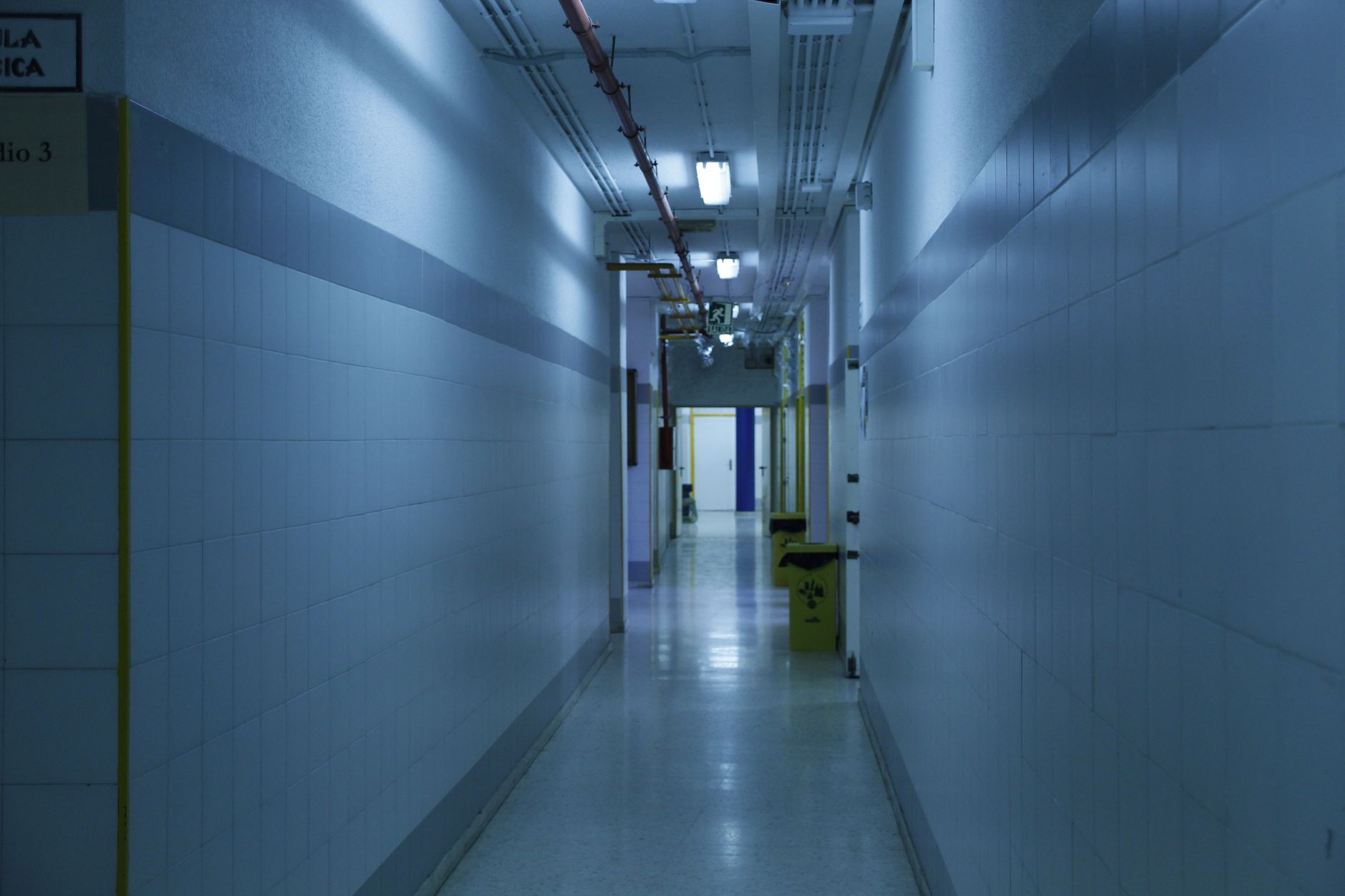
The public record is mostly vendor case studies. According to a 2023 SoftBank Robotics case study, one of the five largest US hospital networks runs two S50 Pro scrubbers from 8:30pm to 2am, covering about 50,000 square feet autonomously. The vendor reports that the floor care team fell from three people to two, nightly labor from 16 hours to five, and time to a finished clean from eight hours to five.
Frederick Health in Maryland replaced an aging manual scrubber fleet during renovations with the Tennant T7AMR. Tennant's 2023 case study reports about 20,000 square feet covered daily, mostly autonomously, with the freed time going to disinfection, restrooms and breaks.
In Scotland, NHS Fife's Victoria Hospital reported in 2018, after nine months with the Diversey Taski Intellibot, that the robot cleans assigned areas on a map made beforehand while a night team member stays nearby. The hospital said staff are no longer tied to pushing a conventional scrubber.
Read all three as what each site and vendor said. We found no independent peer reviewed evaluation or payback study in this search, so none of these figures is a general rule for your entrance.
Where a leased floor robot fits the overnight plan
Service Robot Co. is a full service commercial robot integrator for US businesses, and we are vendor neutral. We match the robot to the floor across manufacturers, then arrange commercial robot leasing, deployment and integration, training and service through a nationwide US engineer network. The Avidbots Kas, Tennant T7AMR and SoftBank S50 Pro are all candidates for a job like this, and the choice comes from your mats, tile and zones.
We lease robots on a three year lease with one fixed payment, quoted after a site assessment. For a visitor entrance, that assessment walks the mat line, the tile strip, the quiet window and the escalation path, so the lease quote matches the entrance you actually have.
Start with one entrance and one overnight window. Go live support covers the first weeks, while mat zones and quiet hours still need tuning, and remote triage and dispatch on site are there when a unit stalls overnight.
How large is the service robot category
IFR's World Robotics 2026 service robot summary ranks professional cleaning third among professional service robot applications by 2025 unit sales. IFR cautions against combining figures across different World Robotics reports, so compare years with care.
We did not find an IFR unit count for professional cleaning robots in the 2026 material, so this article does not state one. The ranking is enough to show that floor care is one of the larger service robot uses.
Frequently asked questions
Want a robot working for you?
Tell us the job and the site. We will recommend the robot, quote the lease, and keep it serviced.
Sources
- Upstate IMT news on overnight scrubbing pilot, 2026
- SoftBank Robotics S50 Pro healthcare case study, 2023
- Cleaning Magazine, NHS Fife overnight cleaning robot
- Tennant case study, Frederick Health T7AMR
- CleanLink, mat length and walked-in debris
- CleanLink, Stopping Dirt at the Door
- IFR World Robotics 2026 service robots executive summary
- OrionStar CleaniBot S55 Pro product page