Key takeaways
- Map drains, wet runs and animal rooms before any robot takes a first pass.
- Clear toys, bedding and debris by hand so the drains stay open.
- Run dry corridors first, wet runs second and drain-side zones last.
- Keep animals secured until a run is empty and the route is clear.
- Time passes against your booking records, not a guessed peak hour.
The short answer for overnight kennel floors
An overnight floor plan for a pet boarding kennel rests on three decisions: what the robot must never meet, which surfaces get wet, and when the building is quiet enough to run. Settle those and the routine becomes routine. Skip them and a robot ends up in an occupied run or stalled at a drain choked with chewed bedding.
Start with a site map that records drains, traps, animal rooms and thresholds. Then set the order of work: dry corridors and lobbies first, wet runs once the animals are secured and the run is empty, and drain-side zones last so residue flushes through. Schedule each pass against your arrival and checkout records, because peak timing differs from one facility to the next.
Treat this as a planning frame, not a protocol. Your veterinary team and local rules set the final limits.
What should the site map record?
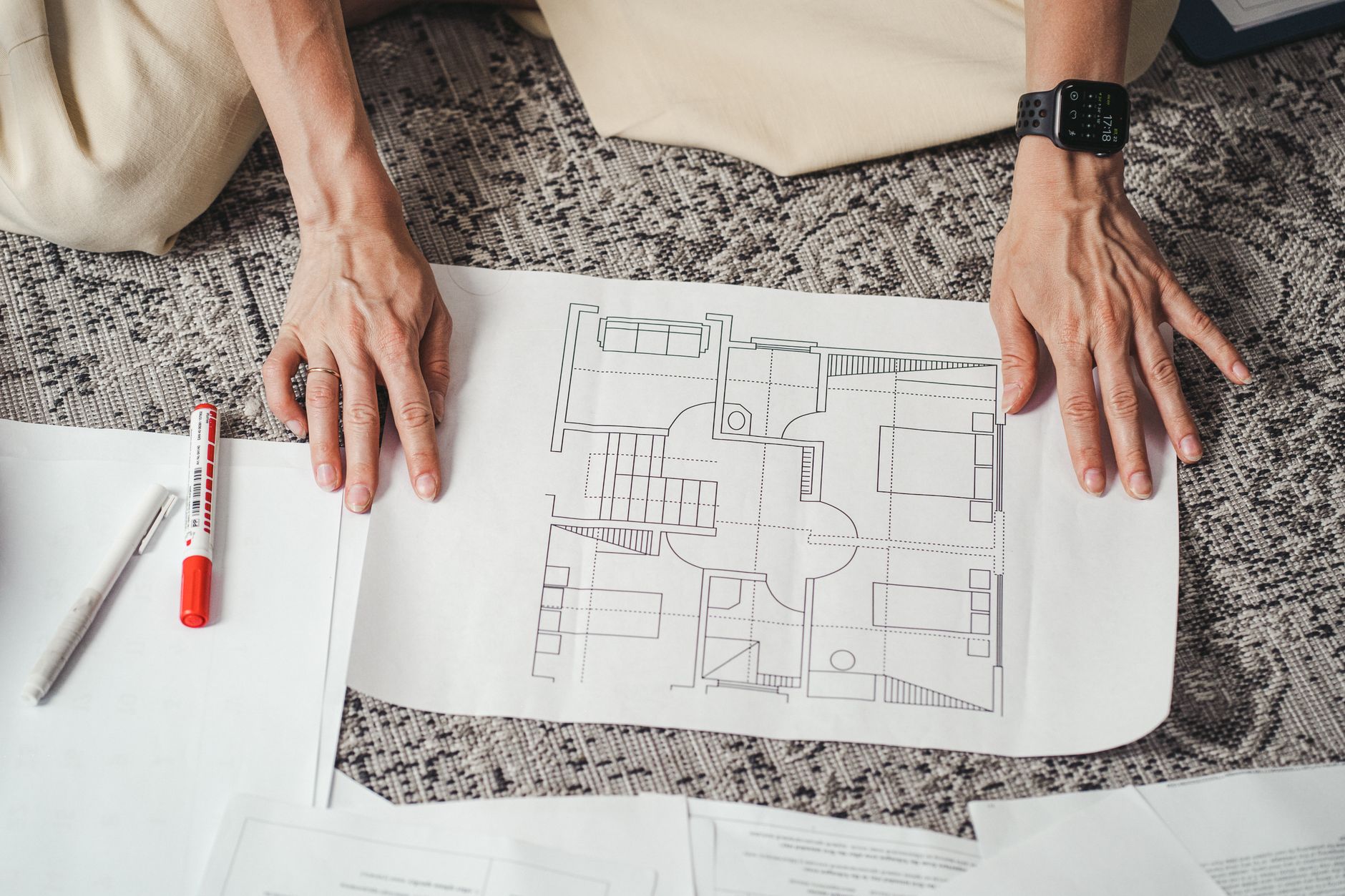
The map carries the safety of the whole plan. Walk the building before any robot runs, and mark where water goes as well as where people walk.
Mark where a robot must stop, not only where it may go. A threshold lip, a loose mat or a gap under a gate can halt a unit, and an unmapped gate is an unmapped risk.
- Every floor drain, its trap condition and whether it sits in a wet run or a corridor
- Floor slope toward each drain, and low spots where water pools after rinsing
- Animal room doorways, thresholds and gates a robot could physically reach
- Exercise yards, bathing areas and sealed versus open floor surfaces
- Charging dock location and the route from it to the first zone
Which zones get cleaned first?
Begin with dry, low traffic areas such as lobbies, office corridors and storage passages. These routes carry no standing water and no animals, so a robot can run them without a hold, and they give the team a clean baseline before wet work starts.
Wet runs come next, and only after animals are secured elsewhere. In larger kennels with drains, one disinfectant vendor's protocol says excess liquid can be rinsed or squeegeed into the drain. That is a claim reported by the vendor, so test it against your drain layout before adopting it.
Drain-side zones go last, so debris swept out of the runs flushes through rather than getting tracked onto dry floors.
How do drains and odor fit into the plan?
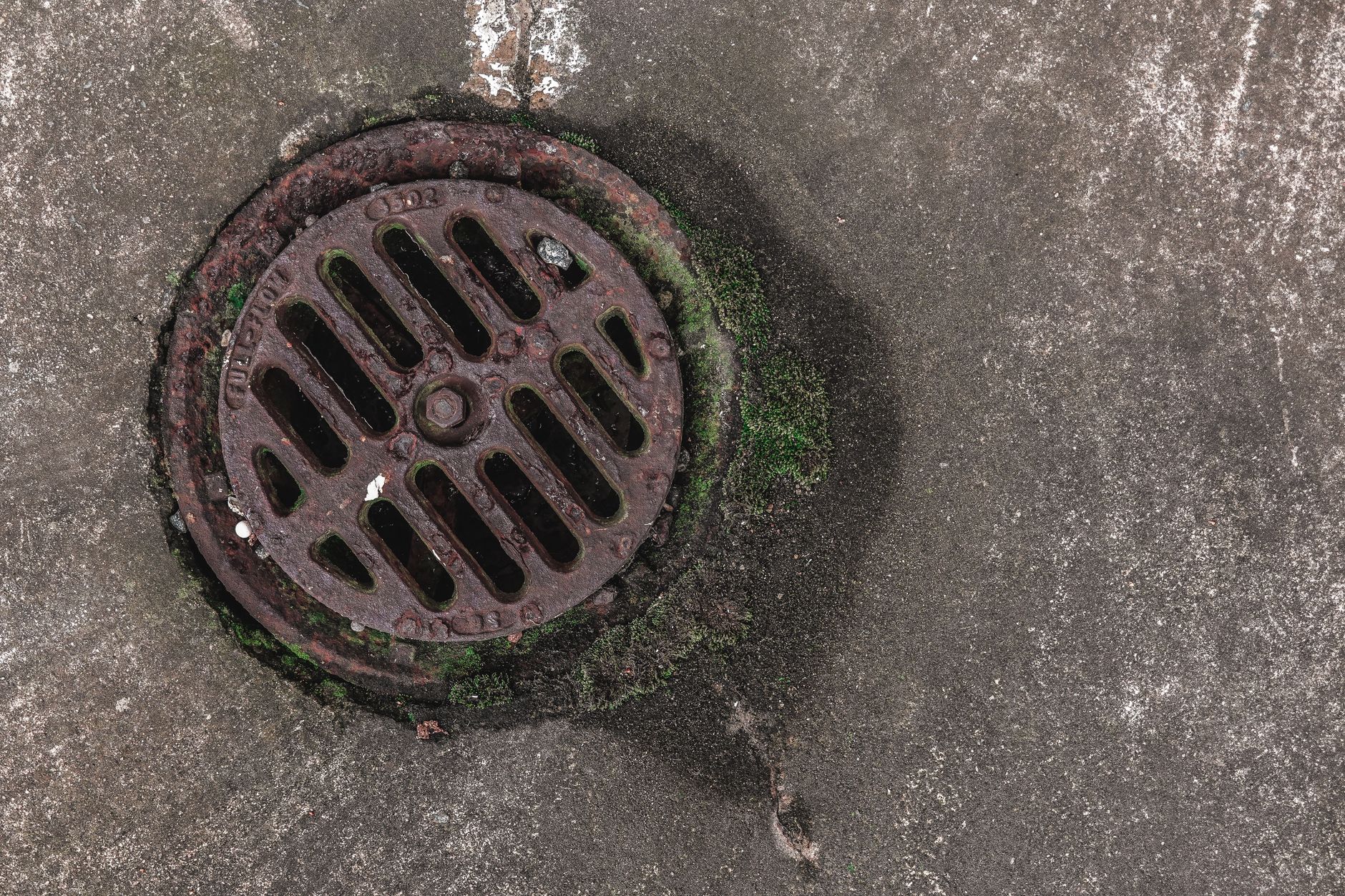
Drains are where overnight plans fail quietly. A kennel cleaning guide advises discarding chewed toy parts, bedding and other debris that could clog drains. That step belongs before a robot's first pass, not after the first stall.
Drain design carries a legal angle too. An archived 2007 text of the federal animal welfare standard, 9 CFR 3.2, says closed drainage systems must have traps and prevent backflow of gases and sewage onto the floor. The text is archived, so check the current federal rule before quoting it.
Odor is harder to plan. This research pass did not verify any odor product or timing, so log where smells build up, such as under mats or near drains, and let your team choose the chemistry.
How do you keep animals out of the robot's path?
Animal safety comes before any cleaning schedule. Keep animals in rooms or runs the route never enters, and never start a wet pass in a zone that is occupied.
Treat every open gate as a no go. Check latches and gate positions at the start of each night, and set the robot to stop rather than push past an obstacle. A stopped robot can be reset at dawn. An animal caught in its path cannot.
How often should kennel floors get a robot pass?
Frequency depends on how full the kennel runs and what the floors take. One boarding hygiene guide suggests a thorough deep clean and disinfection each week, with spot cleaning between. Another suggests a deep clean once a week to once a month, depending on how busy the kennel is.
Both are blog level advice, not a standard, so use them as a starting point. Let occupancy and drain records set the cadence. A night pass can handle the spot cleaning layer while the deep clean stays with your staff or a scheduled service visit.
How should passes fit around arrival peaks?
No verified source in this research gives typical kennel arrival peaks, so avoid copying a generic timetable. Pull your booking data, count drop offs by hour over several recent weeks, and mark the windows when the lobby is busiest.
Then place passes in the quiet stretch after the last overnight arrival and before the first morning intake, leaving time for wet runs to dry before animals return. If arrivals cluster on certain days, move heavy wet work to lighter days and keep dry passes for the busy ones.
What does industry data say about cleaning robots?
Cleaning is a large share of professional service robot work, though it is not a kennel forecast. According to IFR's World Robotics data, professional cleaning robots ranked third by volume in 2024, with sales up 34 percent to more than 25,000 units, mainly for floor cleaning.
An aggregator summary of the 2026 World Robotics report says professional service robot shipments rose 24 percent in 2025 to almost 250,000 units, with cleaning third behind transport and hospitality. That summary did not give a 2025 cleaning unit total, so do not invent one. IFR says its service robot data is sample based, not projected to the whole industry, and it discourages combining figures from separate World Robotics reports.
Where Service Robot Co. fits
Service Robot Co. is a full service commercial robot integrator for US businesses, and we stay OEM neutral. We match the floor to the right machine rather than to one catalog. A site assessment maps drains, zones and animal access points, and we then quote one fixed lease for a three year lease term.
Deployment, integration, training and service run through our nationwide US engineer network, so one partner handles the full lifecycle of the robot.
Frequently asked questions
Want a robot working for you?
Tell us the job and the site. We will recommend the robot, quote the lease, and keep it serviced.