Key takeaways
- Robots lose most of their time waiting for shared cars, not during the ride itself.
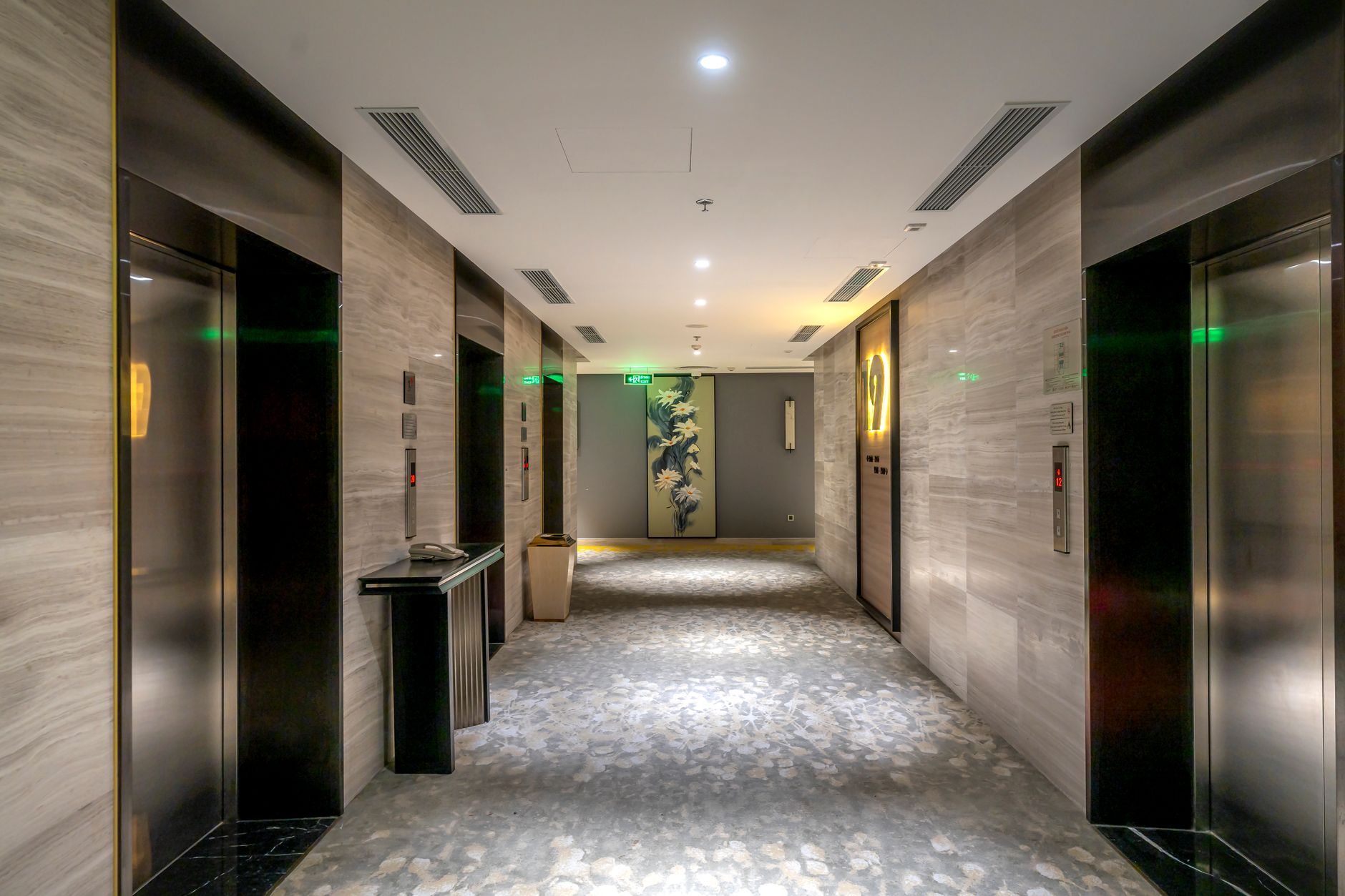
- Check-in and checkout peaks compete with luggage, bell staff and guest traffic for the same elevators.
- Stage robots off the lobby path and time elevator calls to the moment the item is ready.
- Public field data on robot elevator waits is thin, so measure your own tower before committing.
- Pilot one wing with logged call-to-board times across at least one check-in window and one checkout window.
Where do delivery robots lose time in a hotel elevator lobby?
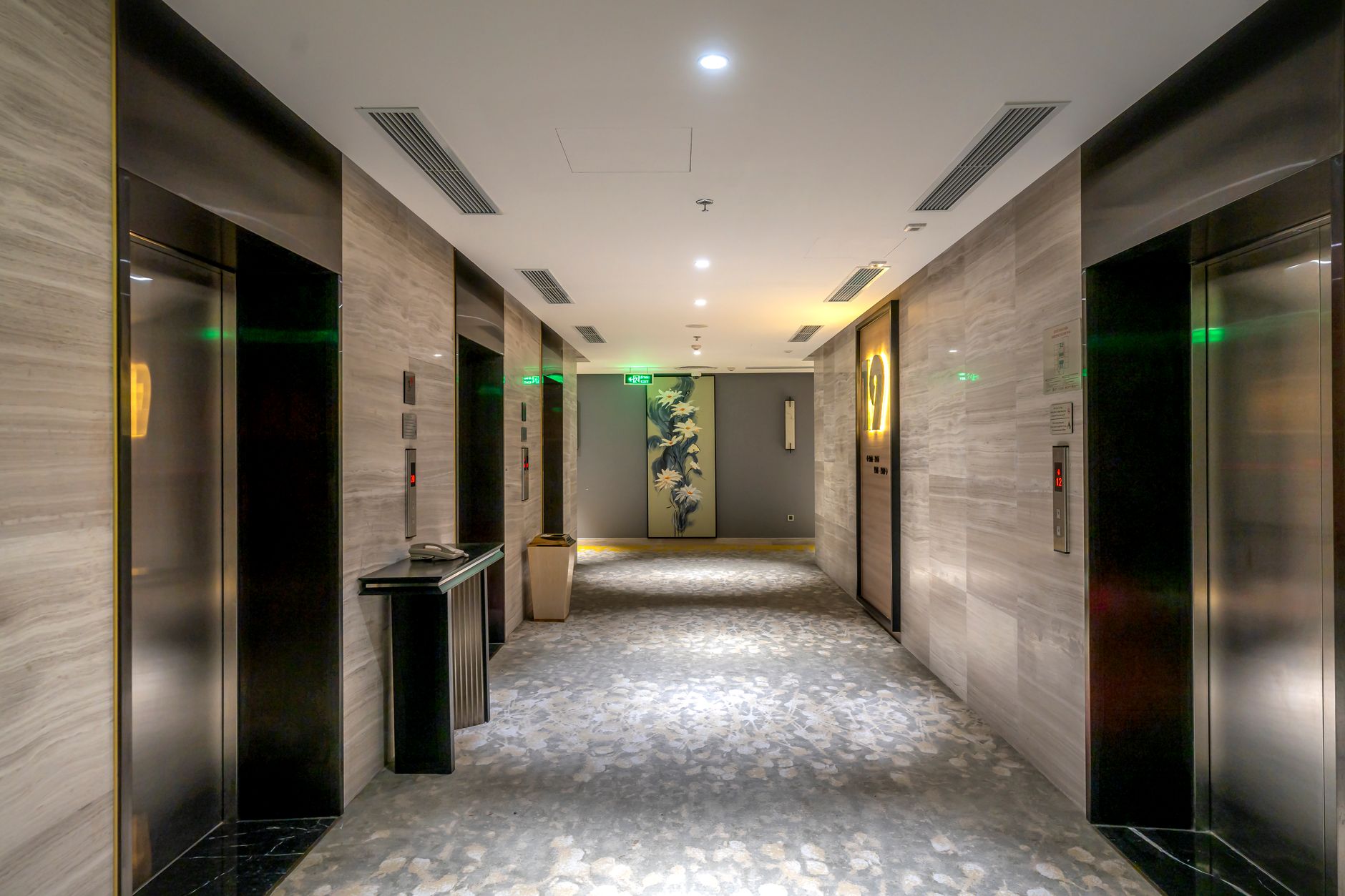
Most of the lost time sits in the lobby, not in the corridor. A room service robot can cross a hallway briskly, but at the elevator bank it shares the same cars as guests, bellhops and housekeeping carts, and it joins a queue it does not control.
At check-in and checkout peaks, three stalls repeat. The robot waits for a car to arrive, waits while doors cycle on a crowded cab, and waits for a boarding gap when people step in front of it. Each stall is short. Stacked together, they turn a quick run into a late tray.
Public measurements are thin. A 2025 routing model uses average elevator wait per floor as a stand-in for robot wait, and an RA-L delivery robot paper frames elevator use as contention between robots and people, arguing that perceived wait matters alongside actual wait. We found no published field study that times robot waits in a hotel lobby, so the fixes below rest on the mechanics of the space and on what a pilot should measure.
What makes check-in and checkout peaks harder than the rest of the day?
Check-in packs arrivals into a few hours. Guests roll bags toward the cars while the front desk sends amenity and room service runs up the same shafts. Checkout reverses the flow. Cars return to the lobby loaded with departing guests and luggage, and bell staff move carts at the same moment.
The result is that a robot call may be answered by a car that is already full, or the robot may be skipped while a cart holds the doorway. A property that looks fine on a daily average can still have one bad hour that guests remember. Peak timing matters more than averages.
The 2025 MDPI routing work reports that the number of robots and elevator operation times significantly affect delivery efficiency. That suggests the same fleet can behave very differently when the cars are busy and when they are quiet.
How do robots call and board an elevator?
The integration method sets the baseline wait. As of November 2026, trade coverage we reviewed described Relay Robotics, formerly Savioke, using an earlier generation in December 2021 that pressed elevator buttons with a mechanical actuator instead of controlling the elevator electronically, because each hotel's elevator came from a separate manufacturer. Its Relay2, launched in June 2023, moved to cloud-based elevator integration and was described as having about double the payload of its predecessor. Both are company-reported claims.
Relay says its elevator technology works with elevators from OTIS, Schindler, TK, Mitsubishi, KONE and others. Treat that as a vendor statement. Confirm with your elevator contractor which controller, which cars and which floors your building can support. A multi floor delivery robot route depends on that answer more than on the robot's own speed.
Frontiers in Robotics and AI reported a November 2025 study of a robot-elevator communication system tested in a hotel across two experiments with 31 participants. It measured passenger impressions, not robot wait times. It tells you how guests may react to a robot sharing a cab, not how long your robot will sit.
How should a route run through a crowded lobby?
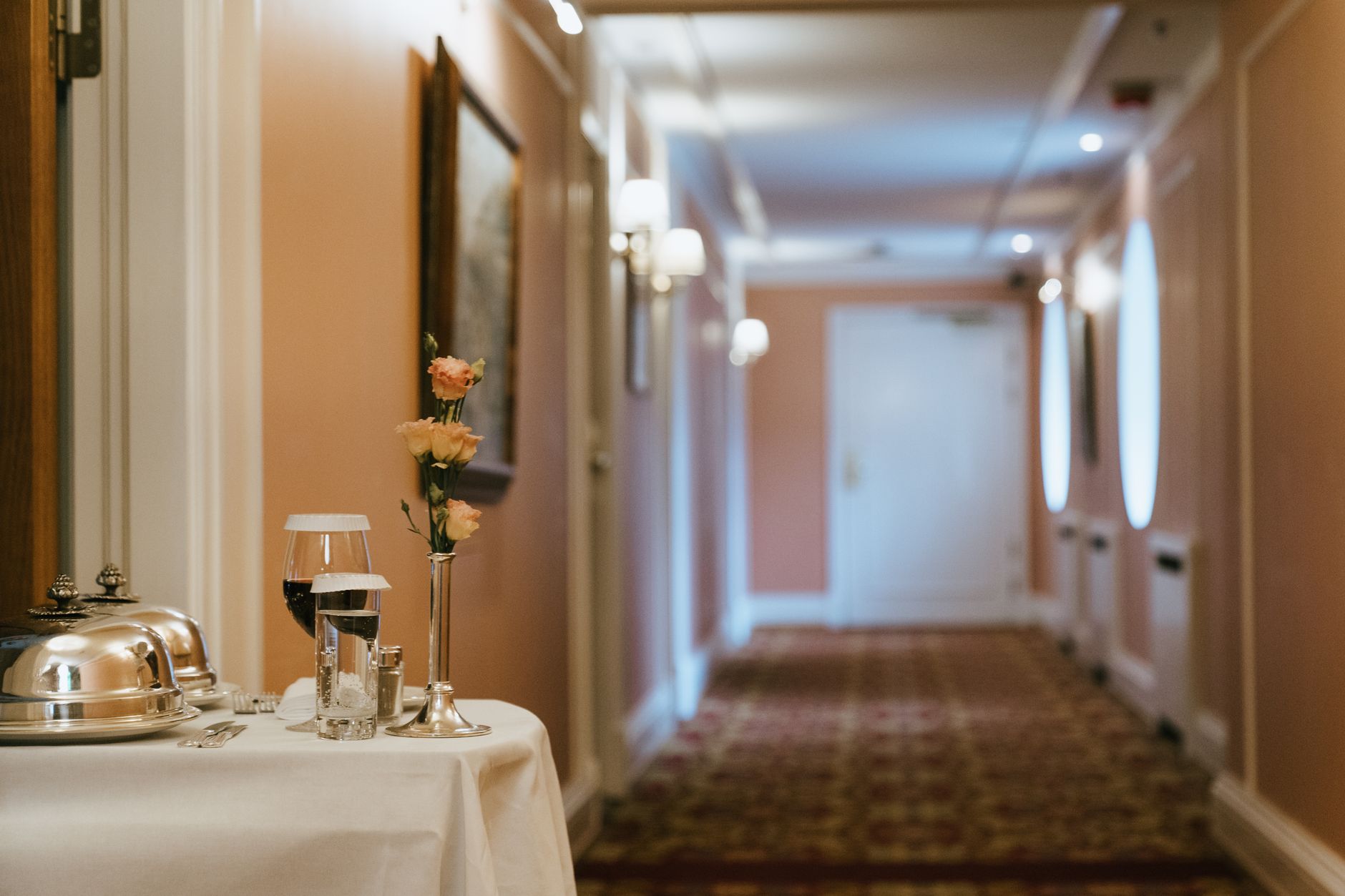
Route the robot along a lane guests do not use. Map the lobby floor and mark the bell desk, the luggage stack, the coffee station and the revolving door as no-go zones during peak windows. A predictable lane is easier for guests to read and easier for the robot to hold.
Use a side corridor or service route where the building has one. Keep the robot on one side of the corridor, and avoid any path that crosses a cart being pushed toward the same car. Sightlines and door swing near the elevator bank often matter more than total distance.
Plan two routes for each floor. The primary route runs through the lobby, and a fallback runs through the service corridor when the lobby is full. Test both during a checkout window, because a route that works on a quiet morning can stall at checkout.
When should a robot call the elevator?
Calling at order time is the common mistake. An order can sit in the kitchen for minutes, and a robot that calls on receipt may hold a car for a tray that is not ready. Call when the item is loaded and the robot is at its staging point, so the car arrives close to the moment it is needed.
Batch where the work allows. Two amenity deliveries to the same floor in one trip mean fewer car calls. The MDPI model treats elevator operation times as a driver of delivery efficiency, so test batching against a single-robot baseline before adding units. An amenity delivery robot run can usually wait for a quieter car in a way a room service tray cannot.
Move non-urgent runs such as extra towels, ice and minibar restocks out of the check-in and checkout windows. Keep room service at its priority at peak. Write these rules down so staff know what the robot does when a car is full, and so the front desk can explain a delay honestly.
What should a pilot measure before the whole property commits?
Pilot one tower, one wing or one elevator bank first, and cover at least one check-in window and one checkout window. Averages over a full day hide the peak you are testing, so log each run by hour and by floor.
For each run, record the following.
- Seconds from robot call to car arrival
- Seconds from car arrival to boarding
- Failed boarding attempts, with the cause noted
- Staff interventions per peak hour
- Guest comments that name shared cars or waits
What should a pilot measure before the whole property commits?
Set a go or no-go rule before the pilot starts. If failed boardings cluster in one hour, the first fix is usually another staging point or a different call time, not a larger fleet. That is a useful result, and it tells you what to change before a second unit arrives.
Service Robot Co. runs this kind of pilot under a lease quoted after a site assessment. We assess the site, map the elevator and staging points, and quote one fixed robot lease payment after that assessment. We deploy, integrate, train staff and service the unit through our nationwide US engineer network, so a property can start with one leased unit on a 3-year lease and widen only when the logs support it.
What do the available studies not settle?
The evidence gap is the main caveat. No published field study we found times how long hotel delivery robots wait for elevators. Models and simulations point to elevator operation as a major driver, but they cannot replace logs from your own building.
Vendor figures need the same care. Relay's integration claims come from company announcements carried by trade press. They describe intent and capability, not independent measurements of waiting time, so read them as the starting point for questions to your elevator contractor.
Your lobby is the test that counts. The elevator controls, the guest mix and the check-in clock belong to one building, and a pilot is the most direct way to learn how they behave together.
Frequently asked questions
Want a robot working for you?
Tell us the job and the site. We will recommend the robot, quote the lease, and keep it serviced.
Sources
- MDPI multi-robot routing model (2025)
- Frontiers in Robotics and AI hotel robot-elevator study (Nov 2025), via DOAJ
- RA-L delivery robot elevator contention paper
- Hospitality Net: Relay2 launch coverage
- Automated Warehouse: Relay2 payload and elevator integration
- Automated Warehouse: Relay+ next-generation service robot (Dec 2021)
- Elevator World: Relay upgraded elevator-integrated delivery robot in Manhattan