Key takeaways
- Consumer and service sources agree a heavy duty shop vac is the usual pick for glass fragments.
- Sharp glass threatens vacuum motors and bags, so lift large pieces out by hand first.
- We found no independent test of a sweeping robot on auto glass debris or adhesive residue.
- Sika does not recommend installing over contamination that cannot be fully removed, so the pinchweld check comes first.
- Choose tools by what reaches the floor in each bay, timed on your records.
Which tool belongs in an auto glass bay?
For most auto glass bays, a heavy duty wet and dry shop vac with a crevice tool is the dependable pick for glass fragments and pinchweld debris. A sweeping robot does not have a verified record on this job. We found no independent test of a sweeping robot on auto glass fragments or adhesive residue, and no shop bay standard names one tool.
The vacuum handles the glass and the bond surface. A floor robot may earn a place only in zones that stay dry and free of fragments. What reaches the floor matters more than bay size, and the pinchweld condition decides how strict the cleaning has to be.
Why glass fragments make vacuuming harder
Glass that reaches a vacuum can do real damage. One consumer guide says a shard hits the fan at high speed and can damage the motor. Another says shards can puncture vacuum bags, causing leaks and lost suction, and a blog from a robot vacuum maker makes the same point. These are consumer and vendor blogs, not lab tests, so treat them as warnings rather than measured failure figures.
Fragments also hide. Small pieces lodge in seat tracks, seams and door gaps, where a tool that misses them leaves a hazard for the next job. Bang Auto Glass, a service provider, recommends floor mats or drop cloths to catch grit and fragments, with vacuuming before and after removal.
How should a shop vac handle glass?
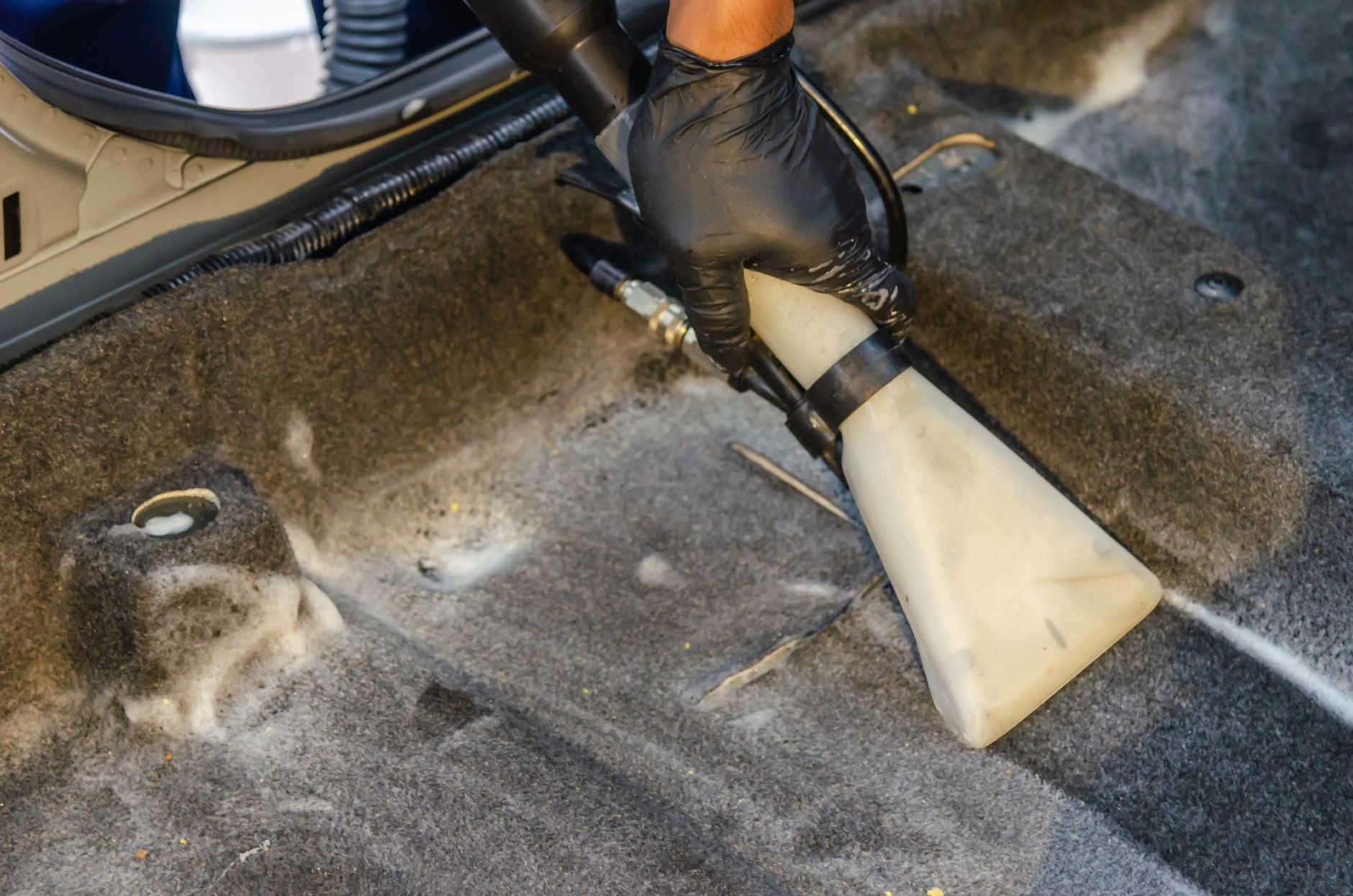
Consumer sources agree that a heavy duty shop vac is the usual pick over a household vacuum, citing a wide, tough hose and a sturdy canister. The working rules are simple, and they keep the machine and the bay safer.
- Sweep or hand pick large pieces first, then vacuum the fine remnants.
- Use wet pickup only when glass is mixed with liquid.
- Empty the canister into a cardboard box, not straight into a trash bag.
- Inspect the hose afterward for fragments lodged inside.
Where does a sweeping robot fit?
One consumer guide advises against robot vacuums on glass, even when someone supervises them, because a robot cannot tell a harmless crumb from a sharp shard. That guide offers no test data, so it is an opinion from a consumer source rather than evidence from a shop floor.
The fair reading is narrow. A floor robot may suit a clear lane in a bay that stays dry, such as a waiting area or a dust only zone, and only after a human pass has removed the glass. We would not place one in the removal zone on the strength of these notes. If a shop does test a unit, the floor log of every fragment found after each run is the only evidence that answers the question.
Why pinchweld cleanliness decides the tool
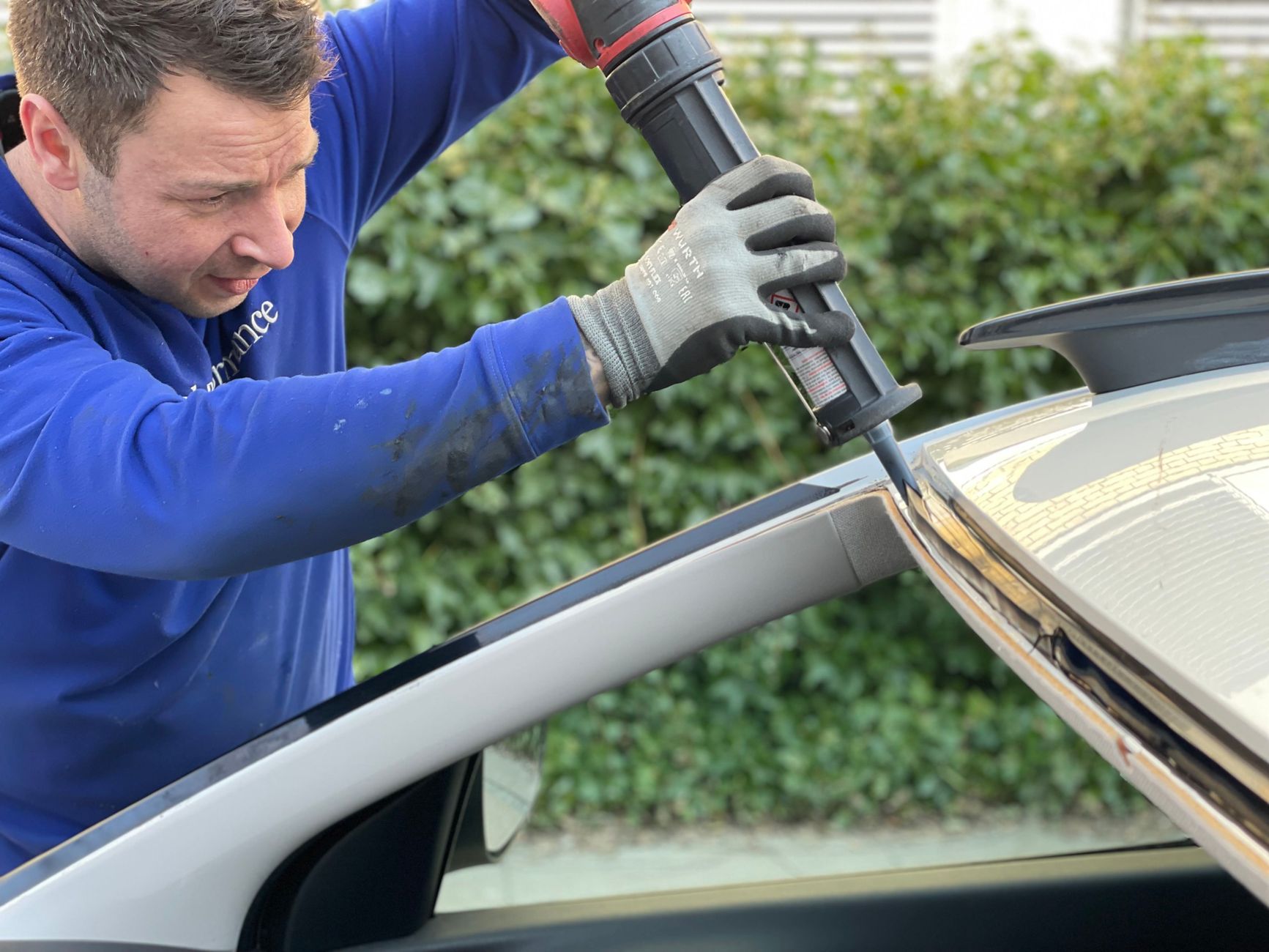
The tool choice has a bonding consequence. Sika's installation guidance has technicians clear debris from the pinchweld with a vacuum or brush, then wipe with a lint free cloth and cleaner. It also says that if visible contamination cannot be fully removed, Sika does not recommend installing the part. That is manufacturer guidance, which we have not independently verified.
Sika's primerless poster adds a measurable check: remaining urethane must be under 1 mm before fresh adhesive goes on. A tool that leaves grit in the seams works against that check, so the vacuum and wipe step matter more to the bond than floor coverage.
A test for bay size and debris frequency
Our research turned up no verified figures for bay sizes, debris volume or cleaning frequency. So the test below runs on your records, not on a published threshold. Ask three questions for each bay.
- Does glass or adhesive reach the floor during removal or trimming? If yes, the vacuum stays in that bay for every job.
- Is the floor dry and clear of fragments when a robot would run? If not, the robot waits until the vacuum pass is logged complete.
- How many minutes does the hand vacuum pass take per bay, timed over ordinary working days? Use that log, not an estimate, to judge if a robot would take any of the work.
Where Service Robot Co. fits in a glass bay
Service Robot Co. is an OEM neutral integrator, so we assess a bay before naming a tool. We work through the three questions on site, map the clear lanes, and only then recommend a robot for the bay, if one fits.
If a robot earns its place, it is leased on a three year lease, with one fixed lease quote made after a site assessment. Every unit is serviced under RoboCare, backed by regional service engineers in every state we service. If the robot does not earn its place, the shop vac stays, and we say so.
Frequently asked questions
Want a robot working for you?
Tell us the job and the site. We will recommend the robot, quote the lease, and keep it serviced.
Sources
- Sika installation guideline for auto glass replacement
- Sika primerless auto glass replacement poster
- Bang Auto Glass: broken car glass cleanup
- EngineerFix: can a shop vac pick up glass safely
- HouseDigest: two vacuums never use broken glass
- Dreame blog: can you vacuum glass (robot vacuum maker, promotional)