Key takeaways
- A robot mower fits large open turf, while another crew member fits edges, obstacles and changing client needs.
- Supervision ratios are vendor claims until your own alert logs confirm them.
- Aspire's 2026 survey names labor as a central constraint for landscape contractors.
- Measure minutes, stops, supervision and off-shift hours on your route before comparing options.
- Service Robot Co. leases robots through financing, with one fixed payment quoted after a free site assessment.
Which option fits a mowing route better?
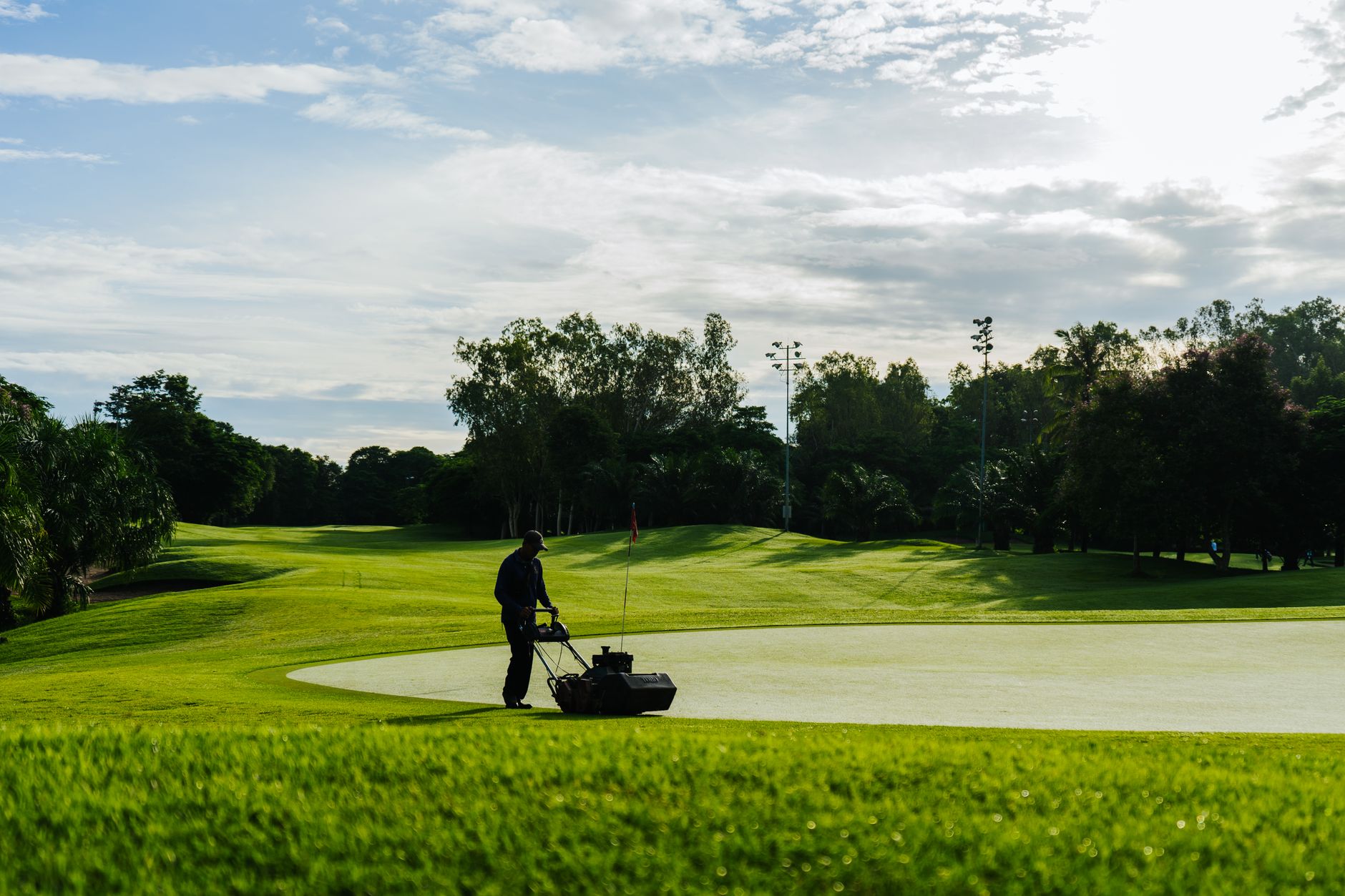
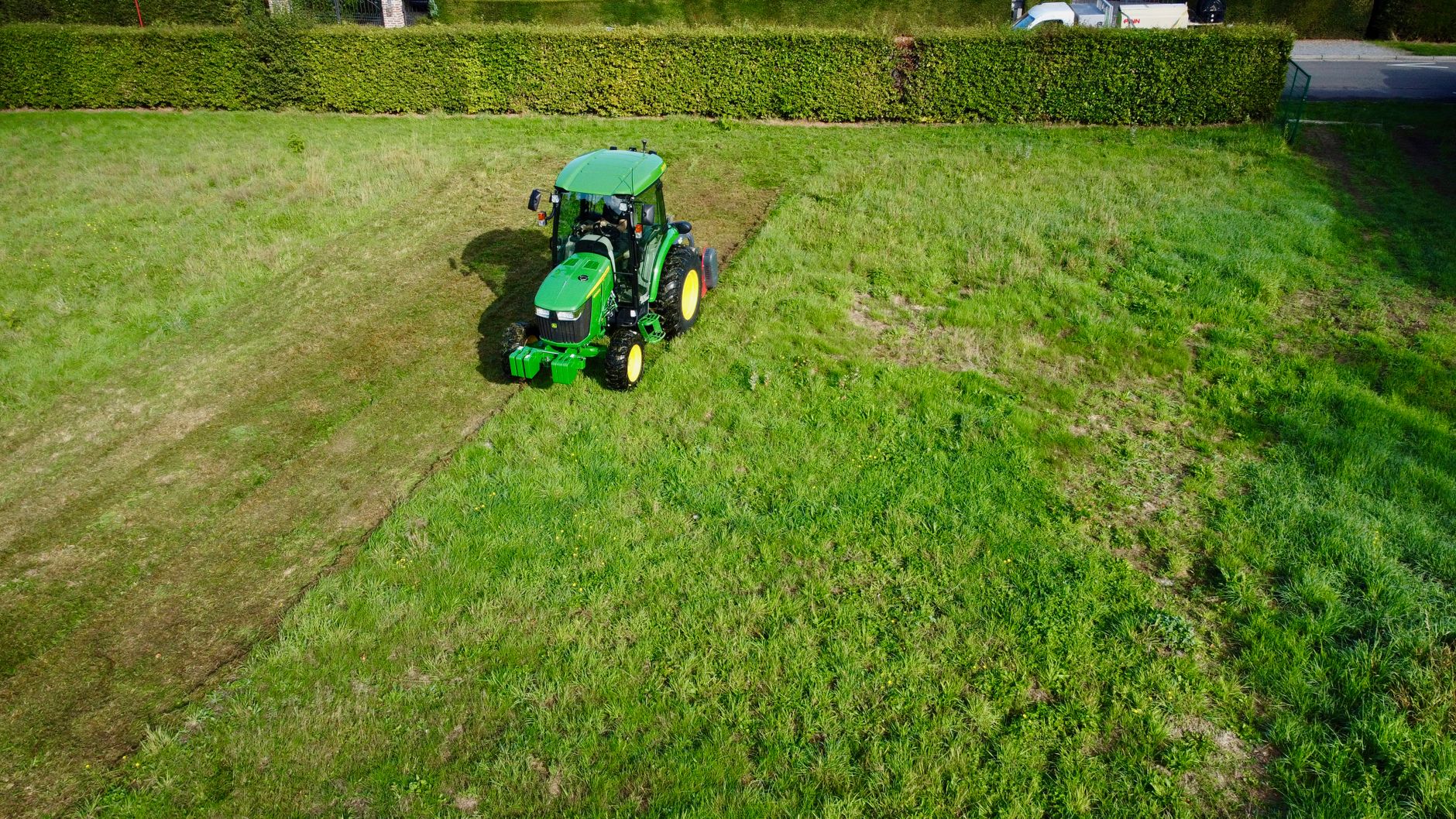
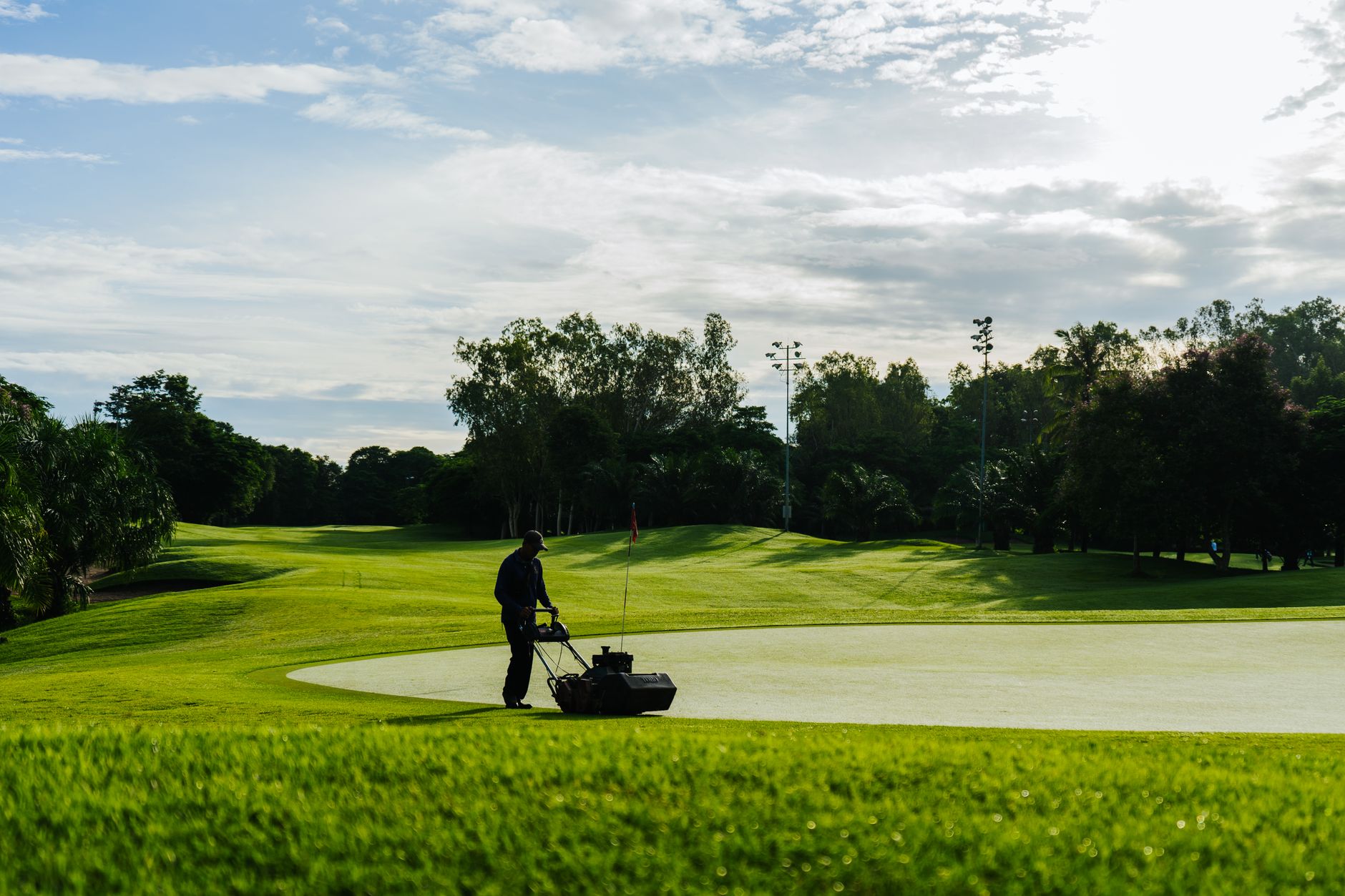
A robotic mower fits open, repetitive turf best. Its job is to push across a large, uninterrupted field on a schedule. Another crew member fits routes full of edges, beds, obstacles and client requests that shift from week to week.
Most routes are a mix, so the useful question is where your crew hours actually go. This comparison takes four route factors in turn: supervision, daytime hours, crew time on detail work, and what a lease involves. None of them is a headline claim. Each one changes with the site and can be checked against your own timecards.
What a robot mower changes on the route
A robot mower takes over the field passes. It does not take over boundary setup, site checks, or the walk that catches a sprinkler head or a drain grate that has moved. A crew still builds the map, reviews runs and deals with the parts of the site a robot should not enter.
Run windows are set by the contractor, not by a shift, so mowing can happen while the crew works elsewhere. A supervisor still has to confirm the site is ready before each run. Specs vary widely: Husqvarna's listing for the Automower 550EPOS gives a capacity of 10,000 square meters and requires an EPOS reference station, and Kress describes up to 8 hours of continuous battery operation for its Voyager. Those are manufacturer claims, and the datasheet for the exact model governs.
What does one more crew member change?
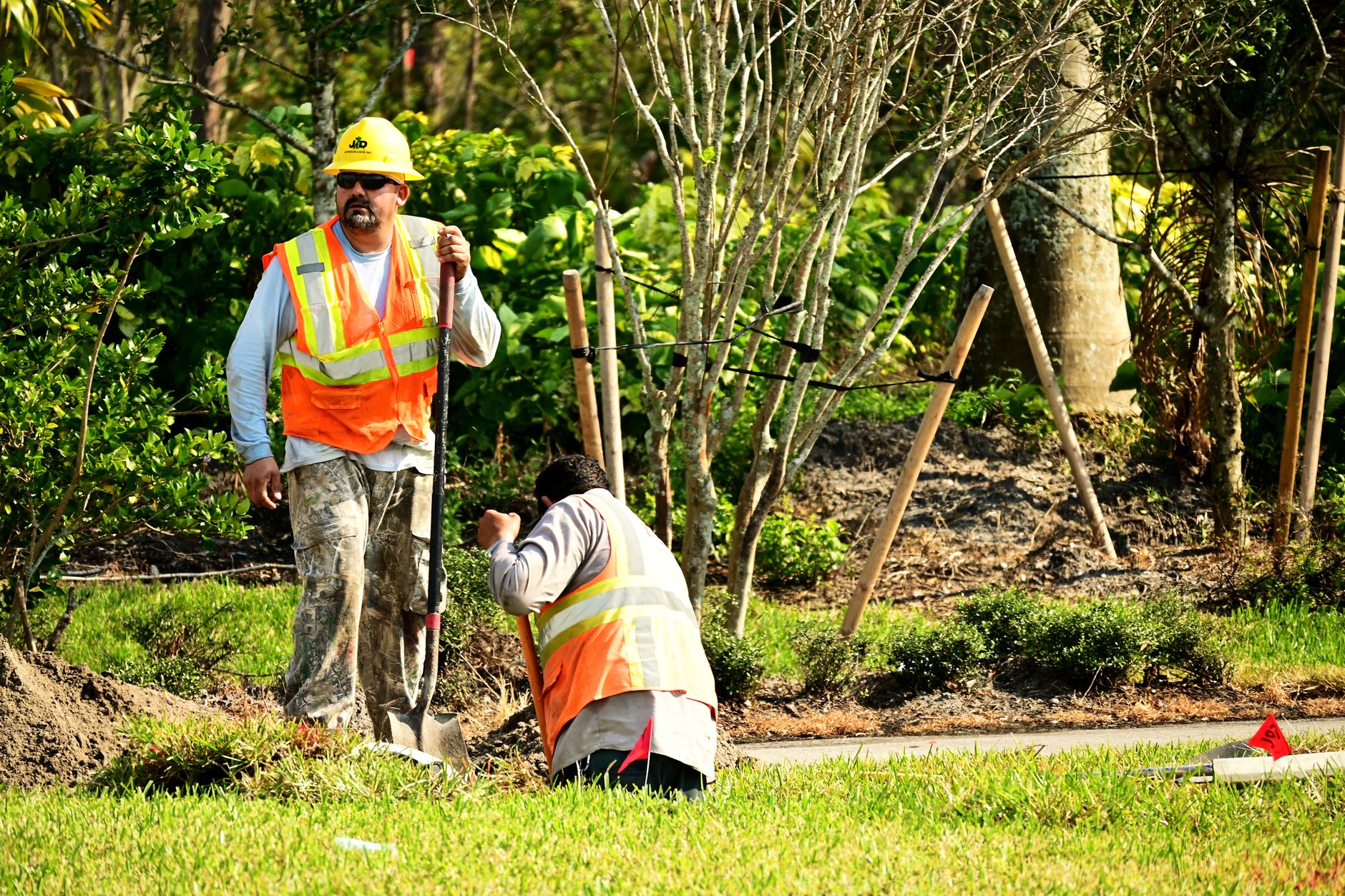
A person adds what a machine cannot: judgment on the spot. A crew member can hand edge a curb, clear clippings from a walk, meet a client at the gate, and cover for an absent colleague. The gain is flexibility, not speed on open turf.
Hiring is the constraint. Aspire's 2026 Commercial Landscape Industry Report, based on a survey of more than 1,000 commercial landscape owners and executives, names labor as a central limit. Aspire's Eli Zevin says the challenge is finding quality talent, not only filling headcount, and many contractors are raising wages to compete.
The same report says 42% of respondents expected a stronger 2026 than 2025, and 59% of contractors earn most revenue from recurring maintenance. For firms built on maintenance contracts, a missing crew member shows up quickly in the route.
How many machines can one person supervise?
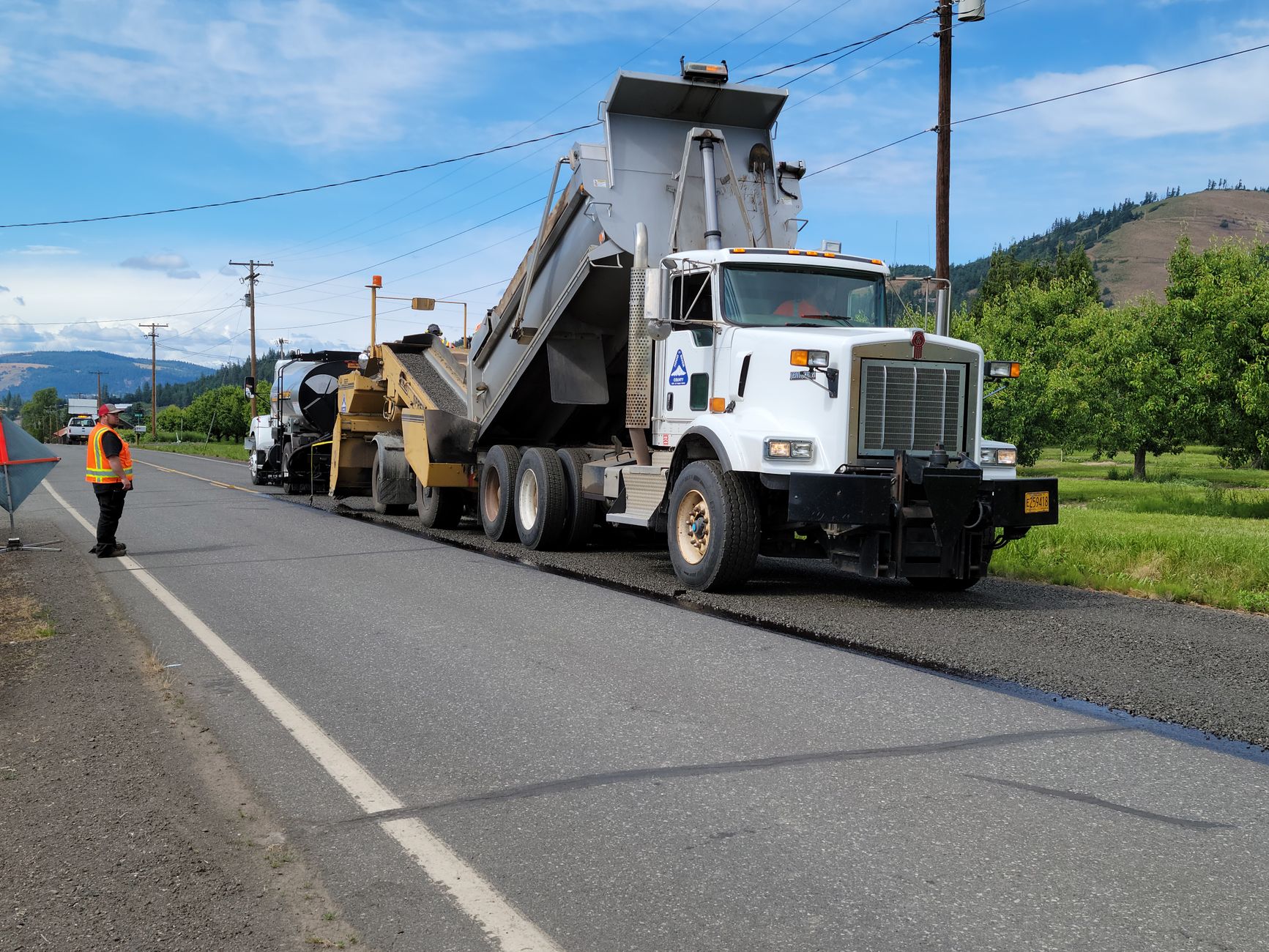
Supervision is where the options diverge most. Kress says its Voyager can turn one two person crew into two one person crews, using a perimeter taught map. Husqvarna describes Fleet Services, a cloud system for monitoring multiple Automower 550 units, which it says is available at no extra fee.
Those are vendor claims. No independent study of commercial supervision ratios from 2026 was found in this review, and any ratio depends on boundary quality, slope and how often a unit stops for an obstacle. Ask each vendor for expected alert volume on a site like yours, then log your own alerts for two weeks before trusting a number.
Daytime hours and crew time on detail work
On large open areas, a robot can absorb field passes that would otherwise fill a crew member's morning. The freed minutes go to edging, trimming, clippings cleanup and the client details that get noticed on an inspection walk. That shift matters most on accounts where detail work drives renewals.
Daytime hours cut both ways. A unit can mow outside the crew's shift, which helps a route that runs long, but a site with heavy foot traffic or quiet hours may restrict run windows. Those limits come from the property, so write them into the route test before a robot is booked.
A route test to run before you choose
Measure the route you already run before comparing any quote. A crew lead can fill this out during one week of normal work.
If open turf is most of the minutes and stops are rare, a robot mower has a strong case. If detail work and interruptions dominate, another crew member likely returns more. Many routes land between those poles, and a mixed setup can be tested on one account before it reaches the rest of the book.
- Minutes per visit on open turf, kept apart from edging and detail work
- Stops per visit for boundaries or obstacles, with the cause noted
- Supervisor minutes per visit and how often a crew member is pulled off the route
- Visits lost to weather, access problems or client rules
- Route hours that fall outside today's crew shift
What a lease involves, and how the quote is built
Service Robot Co. is a full service commercial robot integrator for US businesses. We are OEM neutral, so we select robots across manufacturers, then lease them through financing, handle deployment and integration, train your team, and service each unit under RoboCare™, our service program. Our offer is a lease only, on a three year term, with one fixed robot lease payment quoted after a free site assessment.
The site assessment checks slopes, boundaries, access and sky view for satellite guidance, then compares what the site needs with the crew hours you already spend. The lease quote is built from that route, not from a catalog price, and the fixed payment is stated before any commitment. Compare robot lease options on the same route test so the numbers line up.
Read every savings claim against your own test, including ours. As of November 2026, Yarbo's blog reports an average 22% reduction in maintenance costs after switching to robotic mowing, citing a 2025 market report and noting that results vary. It also cites a payback of 18 to 24 months for golf and sports deployments, without a stated method. Treat those as leads to verify, not as results for your route.
Frequently asked questions
Want a robot working for you?
Tell us the job and the site. We will recommend the robot, quote the lease, and keep it serviced.