Key takeaways
- A mixed fleet works only when zones, handoff lines and logs are written down before the first pass.
- Wichita Country Club's 2026 rollout is club reported, with no published hour by hour comparison yet.
- Vendor claims that one operator can supervise several units need checking against your own logs.
- Log acreage and every mowing mode separately so robot hours are not mistaken for free labor.
- Build a crew hour baseline from your own season, since current public benchmarks are thin.
What the Wichita Country Club rollout actually shows
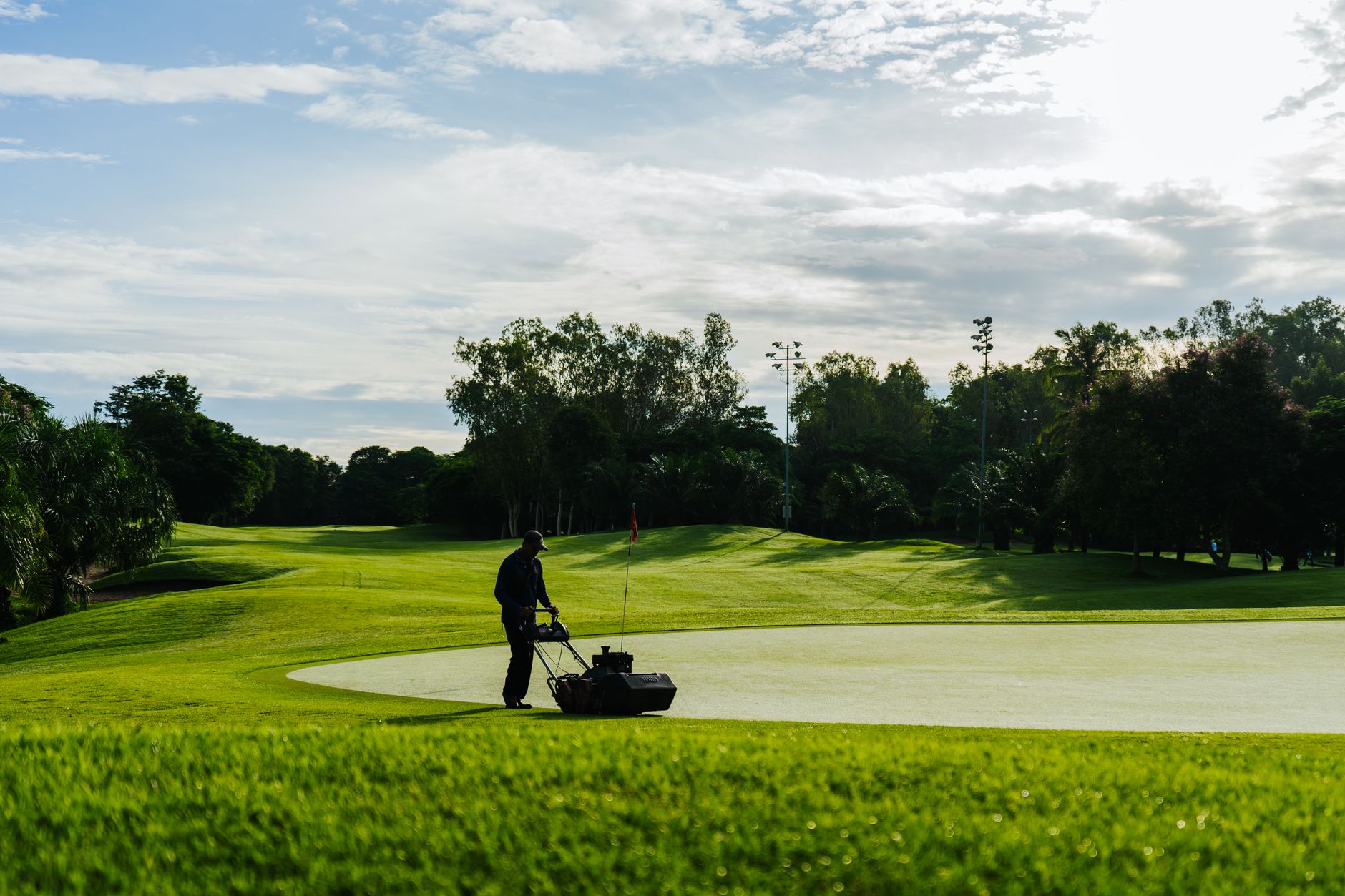
Wichita Country Club in Kansas is the clearest 2026 example of this approach. Golf Course Industry has reported that the club recently received two Greensmaster eTriFlex 3360 units with GeoLink Mow, and that superintendent Curtis Schriever frames the change as easing workload rather than cutting staff. The club has about 25 maintenance employees and mows fairways three or four days a week.
Treat that account with care. The coverage is promotional and reflects the club's own description, so no published hour by hour comparison exists yet. Schriever's plan to manage the autonomous mowers much as he would manage crew members is the part worth copying, because it gives the robots schedules, checks and accountability.
How a hybrid mower behaves on the course
Toro's GeoLink Autonomous Fairway Mower Series can run manually or autonomously. Toro's product page, checked in November 2026, says one operator can supervise one or more units while doing other course work. That is a manufacturer claim, but it frames the staffing question directly. Golf Course Industry's look at the Toro mower describes a Kawasaki engine, with steering, traction and lift and lower all electric.
Because the same machine can move between modes, a handoff does not mean switching platforms, though you still need a rule for who takes over and when. Star Tribune's reporting on Toro's electric and autonomous direction notes that humans still operate mowers on the rough. A hybrid fleet rarely means a robot everywhere.
What other clubs ran in 2026
The Belfry in the UK ran 16 Husqvarna CEORA units on its Brabazon Course during rain affected play, according to Golf Business News. Husqvarna's own 2026 press material describes CEORA robotic mowers running as overnight maintenance, with fairway mowing managed as an overnight tournament support operation.
Royal Porthcawl reportedly used CEORA units to cut all 18 fairways during the AIG Women's Open, and Royal Lytham and St Annes then selected Husqvarna autonomous mowing, per a Golf Business News summary. Kohanaiki in Hawaii became the first in the state to deploy the FireFly Automatix autonomous electric mower, per First Call Golf, dated May 27, 2026. Its maker says autonomy frees labor for other work, but no hour figures were given. These are vendor and press accounts, so they show deployment choices, not verified savings.
Dividing fairways into zones before the first pass
Sort holes by what a robot can run cleanly and what still needs a person, then write the rule for each zone down before the first pass. Zone rules should name the trigger that moves a hole from one owner to the other, not just a general preference.
- Tournament priority holes stay with the crew until the event week has passed.
- Wet or shaded fairways keep a manual operator on call through the first several runs.
- Holes with complex perimeter features get mapped and tested before any autonomous pass.
- Every zone gets a named lead, whether that is a robot schedule or a crew route.
Handling transitions between robot and crew zones
Most friction shows up at the boundaries. Set fixed handoff points, such as a cart path or a bunker edge, where a robot stops and a person takes over, and mark them on the map so both sides work from the same line. Overlap schedules slightly so a manual pass does not leave a strip uncut or cut the same edge twice.
Cut height and mowing direction need agreement too. If the robot runs a different pattern from the crew, stripes will show at the seam. Walk the seam after the first week and adjust the handoff line before the pattern turns into a complaint.
Logging hours so the comparison holds up
A fair comparison needs a common unit of work. Record acreage cut, not just machine hours, and log each mode separately: autonomous run time, supervised time, manual operating time, transit between holes, charging, setup and repair downtime. Without those fields, quiet robot hours look like free labor, and crew transit looks like waste.
Hold the schedule, cut height and week count constant across the setups you model. Compare only periods when the fleet ran the same holes, and note weather days rather than averaging a wet spring against a dry summer.
Is there a current benchmark for crew hours?
Not a strong one. A 2017 Carnegie Mellon student project claimed superintendents and crews spend 65% of their time mowing. That figure is dated and project level, not a current industry number, so it can frame the question but cannot answer it.
No verified current crew hour data for these clubs turned up in this review. Build your own baseline from a full season of logs before you request any lease quote, because your acreage, labor and weather will set the answer, not a published average.
Choosing between hybrid, fully manual and fully autonomous
A fully manual program keeps the most flexibility and the least mapping work, but every hour depends on hiring and seat coverage. A fully autonomous program removes much of that dependence, but it needs complete mapping, reliable supervision and a plan for tasks the robots do not yet take. A hybrid fleet sits between them, keeping crew coverage for detail work while the robots carry the repeat passes.
The right split depends on how many people you can field, which holes are hard to map, and how much of your schedule is locked to events. Test one or two holes first, log a full season, and widen the zones only when the numbers hold.
Where Service Robot Co. fits in a mixed fleet
Service Robot Co. is OEM neutral. We pick the right robots across manufacturers, then lease them through financing on a three year lease, with one fixed lease quote after a site assessment. We deploy and integrate each unit, train the crew, and service every robot under our RoboCare service plan, backed by regional service engineers in every state we service.
For a club weighing a mixed fleet, that means one partner can match mower models to your zones, then handle the lease, deployment and service through one team.
Frequently asked questions
Want a robot working for you?
Tell us the job and the site. We will recommend the robot, quote the lease, and keep it serviced.
Sources
- Toro GeoLink Autonomous Fairway Mower Series product page
- Golf Course Industry: A look into Toro's Autonomous Fairway Mower
- Star Tribune: Toro autonomous golf courses electric hybrid lawn mowers
- Husqvarna press room: automated robotic technology at The Belfry
- Golf Business News: autonomous mowers help The Belfry during rain-affected Husqvarna British Masters
- First Call Golf: Kohanaiki becomes first in Hawaii to deploy FireFly Automatix autonomous electric mower
- Golf Business News: Royal Lytham and St Annes deploys Husqvarna autonomous mowers
- Carnegie Mellon MRSD project: 2017 Team A system summary