Key takeaways
- A northern season and a Sun Belt season differ in length, but the bigger gap is when the hours fall.
- Shoulder months leave northern crews idle in one stretch and stretched in another, so schedules must follow local dates.
- Year round warm climates keep mower hours running, which strengthens the case for autonomous passes on routine turf.
- Plan machine use from your own growth and dormancy dates, then start with one leased unit before expanding.
The short answer: season length sets the robot case
A northern crew works a short window with a hard edge. A Sun Belt crew gets more weeks, but the sharper difference is timing: when the hours arrive, how long they hold, and how much of the year is left without mowing work. For a robot mower, that timing decides whether the machine becomes a steady member of the crew or a unit parked for long stretches.
In short, a northern contractor has to justify a robot mower inside the peak weeks alone. A Sun Belt contractor can spread the same machine across most of the calendar, handing routine turf to the unit while people take the edging, trimming and client work that still needs hands. Both cases are real, and both depend on local dates, not a national calendar.
How crew hours move across a northern year
A residential season comparison puts northern mowing at roughly 16 to 18 weeks, from late May to early September, and southern mowing at 20 to 22 weeks, from April to November. That source is indicative only, since it is a residential mirror rather than commercial data, but the shape is familiar to northern crews: a steep spring ramp, a long summer peak and a fall that tapers quickly.
A Midwest robot mower guide places robot mowing at roughly April to November, with indoor storage from December to March. For a northern operator, that storage window is when the machine stops earning and the crew's labor is often pulled toward other tasks. The deployment date should match the first growing day, not the first day of the calendar year, so the early lease months are not spent waiting for turf to green.
What a year round Sun Belt crew carries
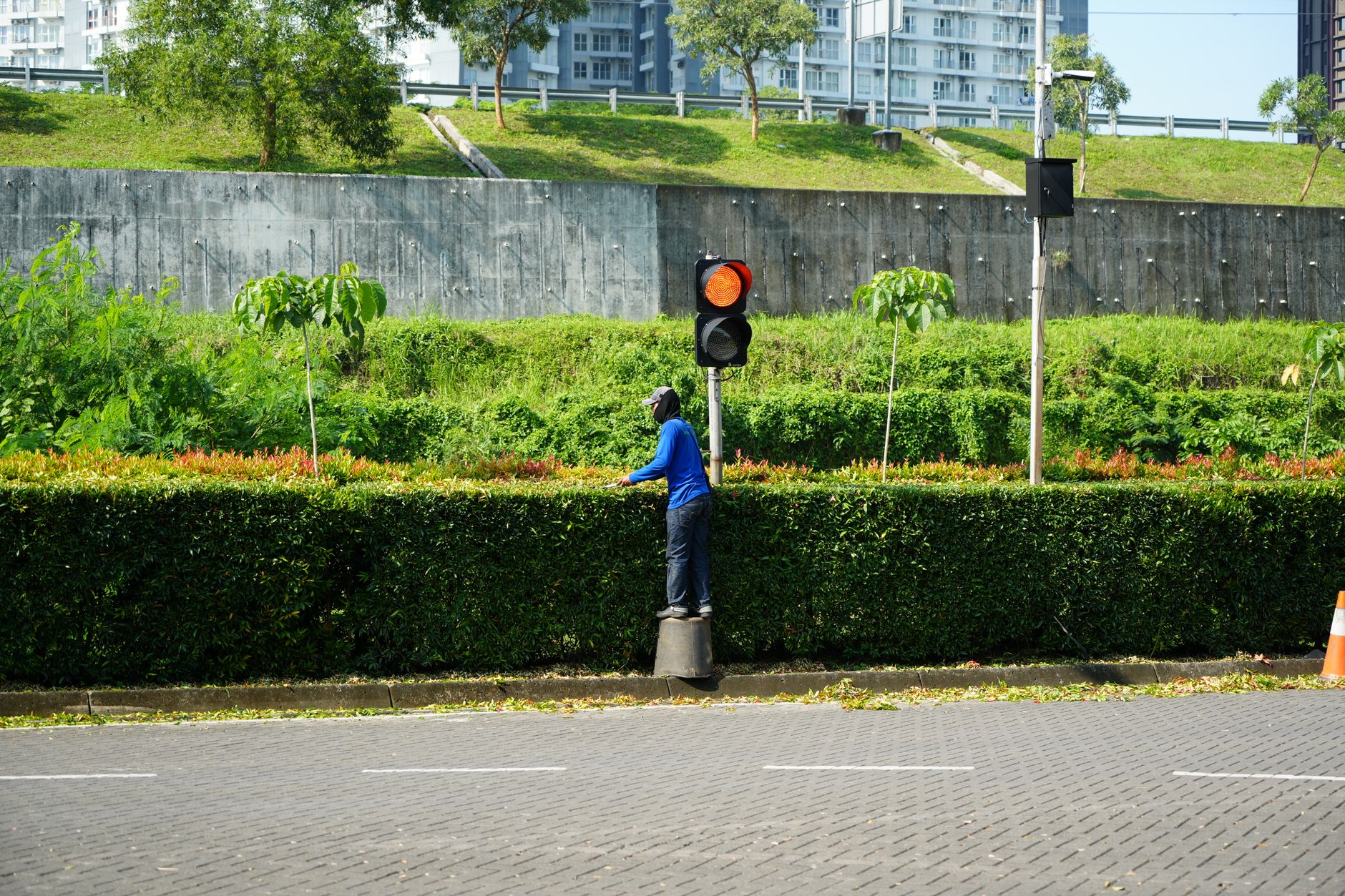
Where mowing runs most of the year, a crew never gets a clean reset. Equipment logs grow steadily and heat pushes the hardest hours into early morning. Aspire's 2026 Commercial Landscape Industry Report, drawn from more than 1,000 commercial landscape leaders, carries the headline that busy is not the same as profitable. More mowing weeks do not repair a thin margin by themselves.
Volume also hides problems in plain sight. A crew that mows nearly all year can look healthy on the calendar while edging, trimming and client touchpoints get squeezed into the same hours. In a warm market, a robot mower earns its place by taking the repetitive passes, so people spend their hours on the detail work clients actually see.
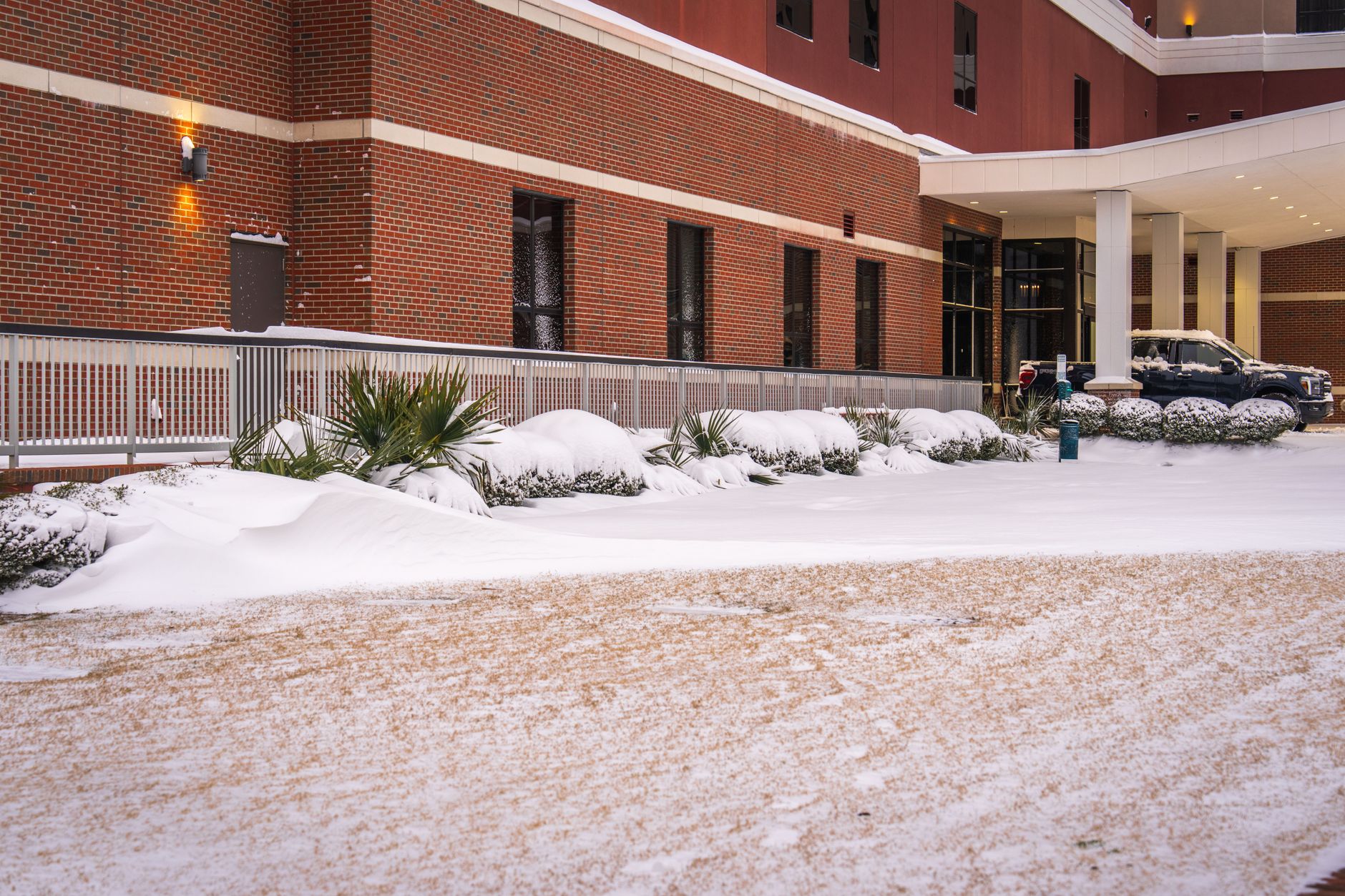
Where shoulder seasons leave crews idle or stretched
Shoulder seasons are where the two climates diverge most sharply. The same crew can be idle one week and overloaded the next, and the pattern varies by region.
Labor pressure makes these gaps costly. According to a USGA Green Section Record article citing the 2024 GCSAA Maintenance Budget Survey, average golf course labor expenditures rose 17 percent from 2022 to 2024. A December 2025 Golfdom report quoted an Idaho superintendent who said labor issues existed but were not hurting much, a reminder that pressure is uneven across courses and climates.
- Northern spring: the opening ramp compresses weeks of work into a few days, so the crew is stretched before the first real peak.
- Northern fall: growth slows and mowing hours fall off, which invites labor cuts that are hard to reverse when spring returns.
- Sun Belt cool months: mowing continues, but holidays, vacations and seasonal staffing gaps can land in the same weeks.
- Any climate: a machine not assigned to shoulder work sits idle just as a person does, so scheduling matters as much as hardware.
How the robot mower case shifts between the two climates
A northern operator needs the machine to pay back within a short run of active days. Every idle winter stretch adds weeks without productive mowing, so deployment timing and the first fixed lease quote matter more than headline mowing hours. A robot mower in the north has to earn its keep in fewer active weeks, which makes turf selection tighter.
A Sun Belt operator spreads the same machine across more active days. Utilization rises, but so do wear, charging demand and the chance that the unit is needed on the same turf the crew also mows. The machine has to be planned for the hours it will actually run, not for an idealized season.
Planning machine use by climate instead of a generic calendar
Start with local growth, not state averages. Track when each property greens up and goes dormant across two seasons, since a warm spring can move the start by weeks. Then check local rules. Municipal ordinances can restrict mowing hours or seasons, and no specific US commercial figure surfaced in our research, so confirm the rules with the city or county directly.
Then size the first deployment. Service Robot Co. is OEM neutral: we choose mowers by turf, slope and access rather than by one catalog, then lease the units through financing, deploy them, connect them to site systems, train crew leads and service each one under RoboCare, our service plan, backed by regional service engineers in each state we service. We begin with a site assessment, and the three year lease is quoted as one fixed figure afterward.
Start with one leased unit on the turf that shows the clearest hour savings, then expand once the crew logs confirm the shoulder weeks are filled. A phased deployment that avoids interrupting routine crew work keeps the first season honest and gives the next climate specific plan real data to work from.

Frequently asked questions
Want a robot working for you?
Tell us the job and the site. We will recommend the robot, quote the lease, and keep it serviced.
Sources
- Aspire 2026 Commercial Landscape Industry Report (Turf Magazine)
- Aspire 2026 report: busy is not the same as profitable (Barchart)
- Residential mowing season comparison (indicative only)
- Midwest robot mower guide
- USGA Green Section Record: how golf courses are adjusting to a challenging labor market
- Golfdom State of the Industry Report 2025