Key takeaways
- Automatic handoffs remove a person at the transfer point but demand engineered docks and clear exception paths.
- Manual cart exchange stays cheaper to start when SKUs and loads change faster than your maps can.
- Powered conveyors favor steady totes; lifts and docking fit pallet or cart mates with tighter envelopes.
- Throughput gains show up only after queue time at the handoff is measured, not after steady-state seconds alone.
When does automatic handoff beat manual cart exchange?
Automatic AMR handoffs win when the same load shape crosses the same point hundreds of times per shift and a person standing there is pure queue time. Powered rollers, lift tables, and docking mates move totes or carts without a manual swap, so the robot leaves as soon as sensors confirm weight and position. Manual cart exchange keeps a human in the loop: the AMR arrives, the operator unloads or swaps carts, and the robot waits.
According to the International Federation of Robotics, about 102,900 professional service robots sold in 2024 were built for transportation and logistics, up 14 percent from the prior year, with roughly 81,800 units aimed at mobile intralogistics. That scale reflects sites that already measured handoff delay and chose automation at the transfer, not only on the travel leg.
If your loads vary in height, weight, or packaging every hour, automatic hardware often sits idle while people handle exceptions anyway. The decision is not robot versus human. It is whether the transfer point is stable enough to engineer once and run all week.
What do powered conveyor handoffs change on the line?
Conveyor-based handoffs shine when totes or bins have flat bases and predictable footprints. The AMR presents against a powered edge, rollers take the load, and the robot backs away without a latch step. Queueing drops because the robot does not wait for an operator to align a cart pin.
Labor savings concentrate at high-volume pick modules and kitting cells where the same SKU loop runs all day. Exception recovery is the tradeoff: a crushed corner, a trailing zip tie, or a mislabeled tote can jam the transfer. Your workflow needs a bypass lane where a person can pull the load without stopping the whole fleet.
Workstation design must include approach lighting, guide rails, and a defined stop point so the AMR repeats the same pose. Throughput rises only when the conveyor keeps moving; a five second gap at the handoff still caps how many trips the fleet completes per hour.
How do lift and docking transfers compare?
Lift handoffs raise or lower a platform so cart heights match without manual shimming. Docking mates use mechanical alignment and often interlocks so the AMR cannot drive away until the load locks. Both approaches fit pallet sections or cart trains that must stay level for sensors on the robot top module.
Safety gains come from removing fingers between moving carts, provided interlocks and light curtains are commissioned with your safety team. Project cost runs higher than manual exchange because each dock is fabricated, powered, and tied into fleet software for handshake signals.
Exception paths need a manual mode: operators must unload a partial pallet or re-seat a cart without defeating guards. Sites that skip that step discover automatic handoffs are fast until the first odd load, then everything queues behind one stuck transfer.
Where does manual cart exchange still win?
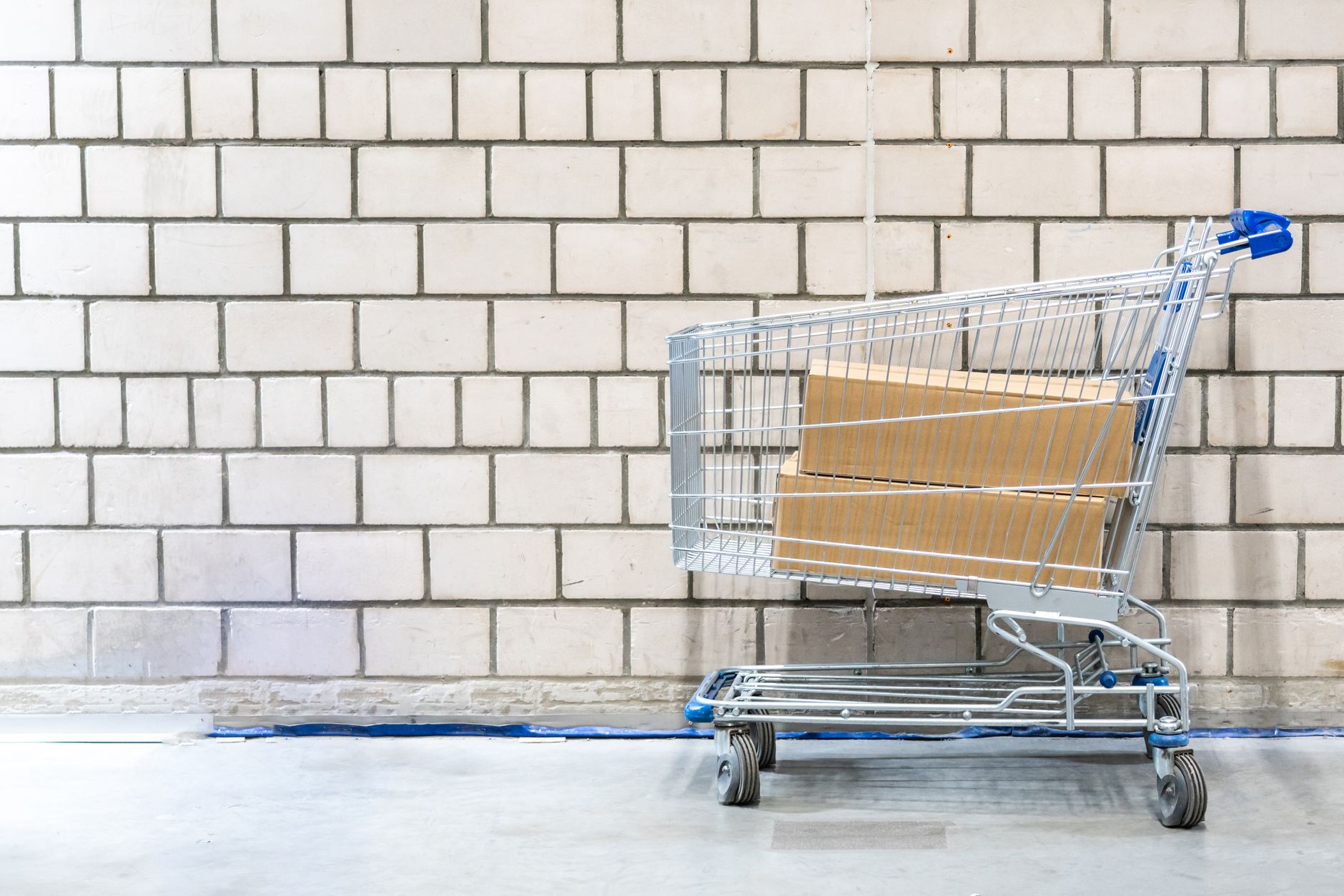
Manual exchange stays the default in high-mix areas where the AMR carries different cart types across the same shift. Operators swap carts, clip on new totes, or adjust dunnage faster than engineering can add another dock profile.
Capital cost stays lower because you are not buying powered edges at every station. Training focuses on safe approach, brake checks, and clear floor marking rather than PLC logic. Queueing can still improve if you standardize on two cart sizes and keep one person dedicated at peak, but you have not eliminated the wait entirely.
Throughput per robot may look lower on paper yet total project cost fits pilots and seasonal peaks. Many warehouses start manual, log exception types for ninety days, then automate only the lanes with stable loads.
How do handoff choices affect safety and exception recovery?
Automatic transfers reduce repetitive bending and pinch points when interlocks work. They add new risks if robots depart before loads are secure or if maintenance bypasses stay latched open. Risk assessments must cover both automatic and manual modes on the same lane.
Exception recovery defines real uptime. A conveyor jam needs a visible abort, a safe stop, and a logged event in fleet software so dispatch knows which AMR is holding. Manual lanes need the same logging even without PLCs, or supervisors cannot see why cycle time spiked.
Queueing behind exceptions is often worse with automation because every robot expects the dock to clear. Plan a parallel manual bay so one bad tote does not freeze the whole loop.
What happens to workstation design and queueing?
Workstations shrink when the robot delivers directly into fixed equipment. They grow when you add dock hardware, charger pockets, and pedestrian bypass aisles. Blind corners near handoffs need mirrors or overhead indicators so foot traffic does not enter the handshake zone.
Queueing math is simple: cycle time equals travel plus wait at pickup plus wait at drop-off. Automatic handoffs attack the drop-off wait. If pickup still needs a person to build kits, the queue moves upstream instead of disappearing.
Layout drawings should show AMR approach paths, emergency pull cords, and where night cleaning robots cross the same aisle. Conflicts between scrubbers and docks are a common surprise on first go-live.
How should buyers weigh throughput against project cost?
Automatic hardware pays back when measured wait at the transfer exceeds the amortized dock cost within your planning horizon. Use time studies on manual exchange first: note variance, not just average seconds.
Integration cost includes software handshakes, test loads, and safety sign-off, not only steel and rollers. Phased deployment lets one automatic lane run beside manual lanes so you compare throughput with the same fleet size.
Robot-as-a-service models spread dock capital across monthly payments, which IFR data show growing in logistics fleets, though direct sales still dominate. Match financing to how long the load profile will stay stable.
How can Service Robot Co. help you choose?
Service Robot Co. is a vendor-neutral integrator for US warehouses and plants. We time your current cart exchange, sketch automatic alternatives, and quote deployment, financing, and nationwide service as one program.
A pilot can run manual exchange on most lanes while one powered handoff proves throughput on your heaviest SKU. Convert to purchase or extend rental once exception logs show the load is ready for automation.
Automatic AMR handoffs and manual cart exchange both belong in the same facility at different points. The useful question is which transfer earned engineering this quarter, not which label wins globally.