Key takeaways
- Robot rounds can flag open doors, blocked approaches, obscured signage, and visible damage between formal inspections.
- Robot imagery becomes useful evidence only when every observation carries a door ID, timestamp, viewpoint, and review status.
- NFPA inspection and testing duties still belong to people with the knowledge required for the adopted code and door type.
- A disciplined pilot should test detection limits, escalation speed, route safety, and evidence retention before fleet expansion.
What can a robot actually do between inspections?
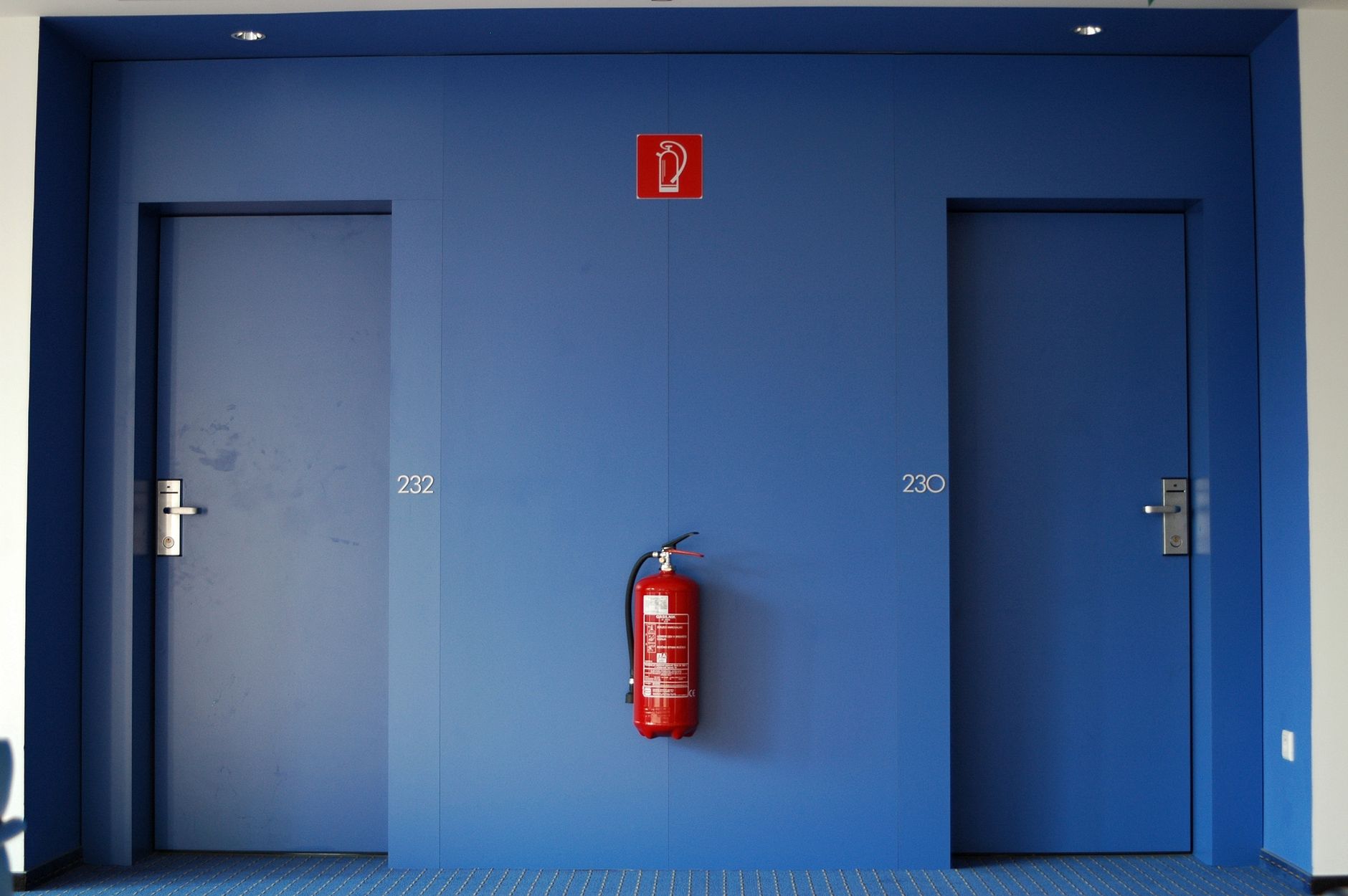
A mobile robot can run repeatable fire-door routes and document observable conditions between formal human inspections. Its cameras can capture a door standing open, a wedge at the leaf, carts or stored material in the approach, hidden exit signage, and fresh visible damage. The robot then sends exceptions to facilities staff for review and prompt correction.
That is condition monitoring, not a code inspection. A robot should not certify an assembly, judge an unobservable component, or sign an inspection record. It supplies dated evidence that helps a qualified inspector and the facility team see what changed after the last formal inspection.
This distinction matters because fire doors are active life-safety assemblies, not ordinary architectural finishes. One delivery cart can defeat a clear egress path for an afternoon. One improvised hold-open can keep a rated door from performing as intended. A scheduled robot route reduces the time such conditions can remain unnoticed.
Which conditions belong in the robot's field of view?
The best targets are conspicuous, consequential, and visible from a safe travel lane. Start with a door inventory and a baseline image approved by facilities and the qualified fire-door inspector. Each later run compares the same opening from consistent viewpoints, while human reviewers decide what the image means.
NFPA's checklist for swinging fire doors includes visible labels, holes or breaks, missing or broken parts, glazing integrity, alignment, damage, field modifications, and signage. A robot can gather useful imagery for several of those points, but camera evidence alone may not prove compliance.
- Door position: fully closed, partly open, or held open by an object not present in the approved baseline.
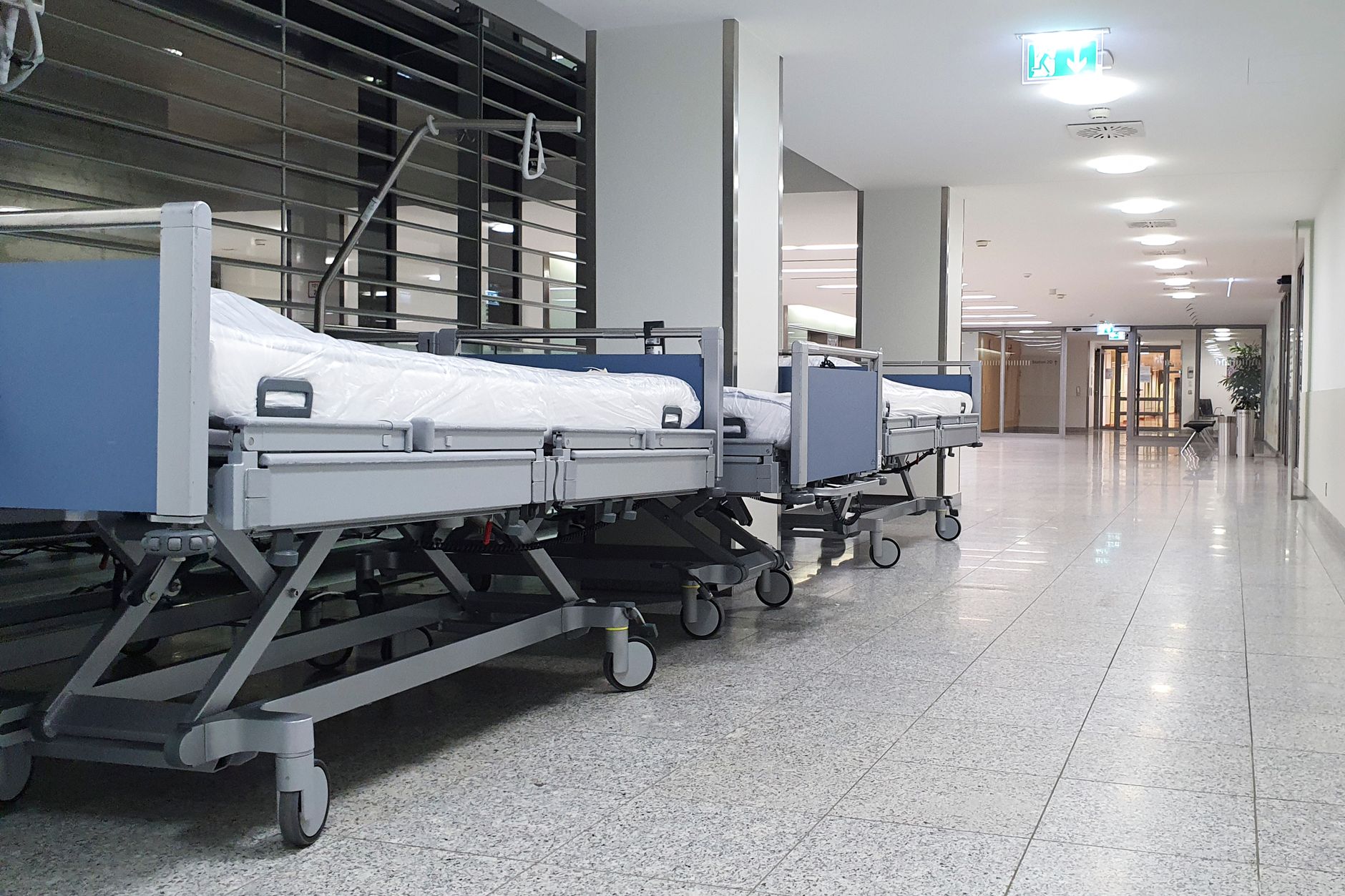
- Approach condition: carts, pallets, waste, furniture, or temporary work narrowing the path or blocking access.
- Signage condition: exit signs hidden from the route viewpoint, fire-door notices missing from the expected location, or new signs attached to the leaf.
- Visible damage: dents, holes, cracked glazing, loose-looking trim, displaced plates, or an obvious frame strike.
- Scene change: construction barriers, floor mats, cables, decorations, or stored goods introduced since the prior accepted run.
How should the route be designed?
Site assessment mapping starts with the life-safety drawings and the verified door schedule, not with a robot wandering the building. Give every opening a stable asset ID, map the required camera stops, and define a preferred view of the leaf, frame, hardware area, signage, and nearby travel path. Paired doors and recessed openings may need more than one stop.
Cadence should match risk and operating rhythm. An after-close run sees wedges, overnight storage, and doors left ajar. A daytime run is better at catching carts and temporary obstructions created by normal work. High-change areas such as loading corridors, kitchens, event spaces, and construction interfaces may justify more frequent passes than quiet office floors.
Route safety still governs. The robot must not park in an exit route, crowd a door swing, obstruct a corridor, or attempt to push through a fire door merely to collect an image. Dock placement, charging, loss-of-localization behavior, and manual recovery procedures all belong in the route review.
What makes robot evidence defensible and useful?
A folder full of pictures is weak evidence. Each observation should carry the door ID, building and floor, timestamp, route and run ID, camera viewpoint, detection confidence, and the original image or short clip. Preserve the unannotated source alongside any marked-up copy so reviewers can distinguish captured fact from software interpretation.
Use a simple status chain: detected, human-reviewed, work order opened, corrected, and verified. Critical findings such as a blocked required exit or a wedged fire door need immediate notification to designated staff. Lower-confidence damage can enter a review queue without creating alarm fatigue.
Retention rules should be set with the authority having jurisdiction, counsel, insurer, and record owners. Robot observations are maintenance records or supporting evidence, not substitutes for the signed inspection and testing documentation required by the applicable code. Access controls also matter because route imagery may capture employees, patients, visitors, badges, or sensitive interiors.
Where does code draw the human line?
OSHA defines an exit route as a continuous and unobstructed path to safety. Its guidance also says openings into an exit must be protected by a self-closing fire door that remains closed or automatically closes during an emergency. Those requirements explain why door position and obstruction are valuable robot targets.
Formal fire-door work goes much further. NFPA's checklist calls for an operational test that confirms the door closes from the full-open position, latching hardware secures it, and auxiliary hardware does not interfere. It also addresses automatic-closing and power-operated doors, paired-leaf sequencing, clearances, labels, glazing, and hardware.
Those tasks require direct interaction, measurements, knowledge of the assembly, and judgment against the code edition adopted by the local authority. A robot camera cannot infer that a latch engaged, a closer has the correct behavior, a label belongs to the assembly, or a gap meets its permitted dimension. It also must not initiate alarm-linked release tests unless the qualified testing plan expressly provides for that work.
CMS offers a clear sector example. Its guidance requires fire-door assemblies in health care occupancies to be inspected and tested annually under the 2010 edition of NFPA 80, while non-rated corridor and smoke-barrier doors described in the memo are to be routinely inspected through facility maintenance. A robot can strengthen that routine surveillance, but it does not satisfy the annual qualified inspection and testing duty.
How should alerts reach the people responsible?

The handoff should be operational, not theatrical. A high-priority alert needs the precise door, a current image, the detected condition, and a named response owner. The employee receiving it should know the safe interim action, the escalation contact, and when the opening must be rechecked.
Set response tiers with the fire-safety manager and qualified inspector. An object blocking an exit path may call for immediate on-site action. Suspected damage, a missing notice, or an uncertain image may require inspection before the door is disturbed. The system should never tell untrained staff to adjust a closer, repair rated glazing, drill hardware, or modify the assembly.
Close the loop with a second image or human verification. If the same finding returns, elevate it rather than generating another duplicate ticket. Repeated wedges near one doorway may expose a workflow problem, such as an unsuitable material route, that facilities and operations need to correct.
How do you prevent false confidence?
Vision systems miss things. Glare can hide glazing damage, a cart can block the camera, a dark vestibule can erase detail, and a partly latched door may look closed from several feet away. Establish a minimum image-quality threshold and classify obstructed views as incomplete, not passed.
Run periodic blind audits in which a person checks a sample of doors without relying on robot results. Compare true findings, missed findings, false alerts, and unreviewable captures by condition type. The purpose is not to manufacture a single accuracy percentage. It is to learn where the route, lighting, viewpoint, or detection rule fails.
Treat software labels as prompts for review. Terms such as compliant and certified should not appear in robot output unless a qualified person has made and documented that determination. Better labels are possible obstruction, door appears open, visible damage suspected, and image incomplete.
Change control is essential. Construction, repainting, new signage, furniture moves, and camera updates can invalidate a baseline. Reapprove affected door views after material site changes, and keep a human route for openings the robot cannot reach or image reliably.
What should a commercial pilot prove?
A commercial robot demo should use a representative route, not a polished hallway chosen for convenience. Include single and paired doors, busy approaches, changing light, reflective surfaces, elevator transitions if required, and at least one location where the robot cannot get an adequate view. A robot pilot program earns confidence by exposing limits.
Score the pilot on route completion, usable evidence per scheduled opening, review time, alert delivery, correction closure, and interference with normal traffic. Test safe recovery after a blocked path, lost network connection, low battery, or moved object. Also verify that remote triage and on-site dispatch responsibilities are unambiguous.
Service Robot Co. can act as the vendor neutral robot integrator for this work. We assess the site, select equipment across manufacturers, arrange purchase or lease and monthly payment programs, then handle robot deployment and integration, staff training, and robot maintenance service plan coverage through a nationwide US engineer network. One partner and one number keeps the inspection robot lease lifecycle accountable without confusing robot evidence with a qualified inspector's authority.