Key takeaways
- A floor robot can cover the open training floor and dry corridors of a boxing gym, not the whole building.
- The ring apron, bag stand bases and wet locker corners stay with a crew until each route has been tested.
- Dark mats can interfere with optical cliff sensing, so test heavy bag zones under supervision first.
- Map each zone, name the person responsible for it, and time robot runs to the gap after the heaviest class.
- According to World Robotics 2025 coverage, professional cleaning robot sales rose 34% to more than 25,000 units in 2024, most of them for floor cleaning.
Can a floor robot clean a boxing gym?
A floor robot can clean much of a boxing gym, but not all of it. The dividing line runs along surface type and height, not along the size of the gym. The open training floor and dry corridors are the strongest candidates. The ring apron, the bases of heavy bag stands and wet locker room corners still need a person with a squeegee and a bucket.
That matters for owners who assume robots only suit large fitness chains. A single independent gym can use a floor robot for part of its floor once the space is split into zones and each zone is matched to a machine or a crew. The work that makes it succeed happens before the robot runs: mapping, testing the edges, and deciding who cleans what in the gap between classes.
What floors does a boxing gym actually have?
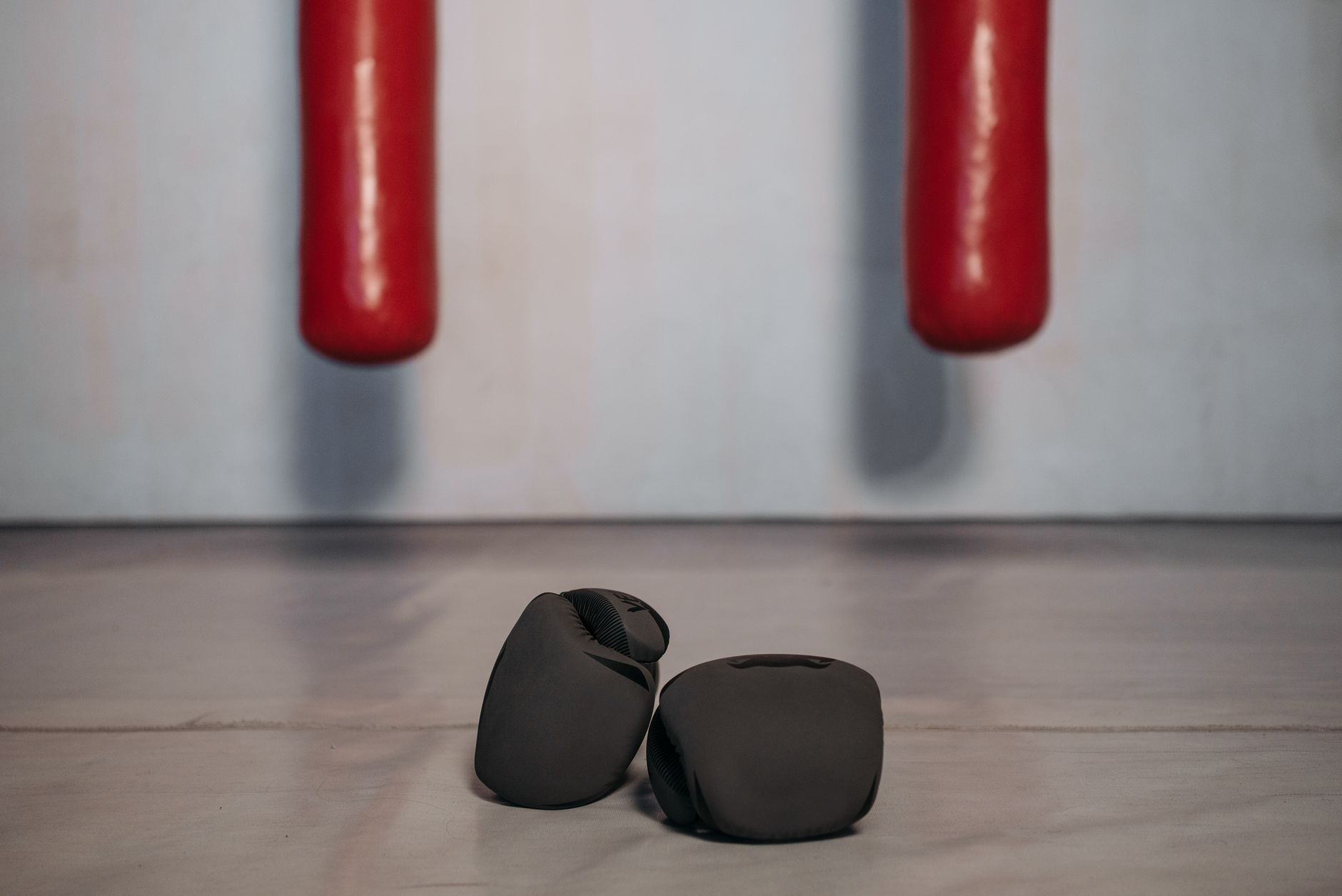
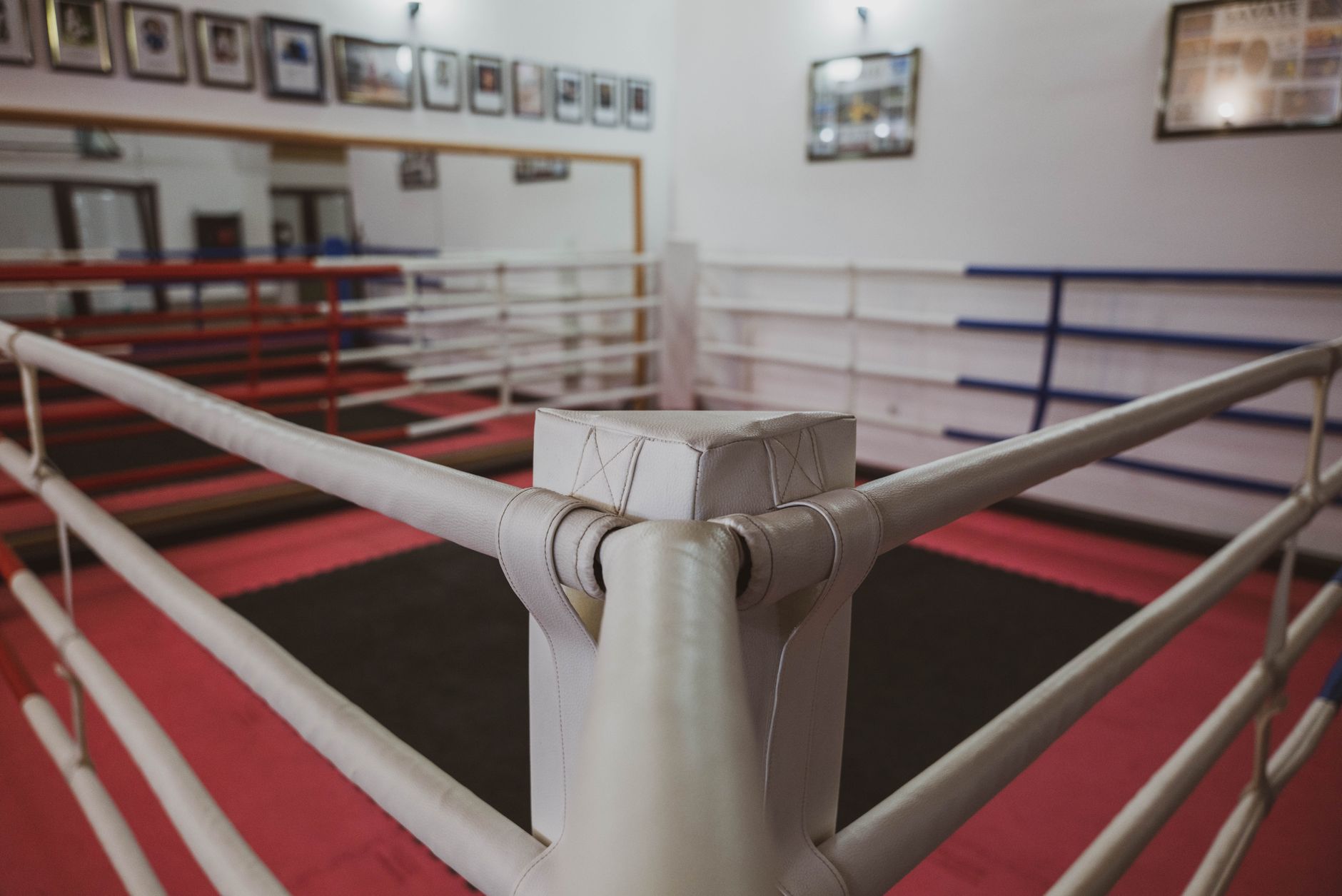
A boxing gym rarely has one floor. The ring apron is a raised platform with a drop to the training floor, and its edges collect tape residue, sweat and grit that spread onto the floor around it. Heavy bag zones usually sit on mats, and the stands and their bases are fixed obstacles the robot must route around.
Locker room tile is a different problem entirely. It is hard, often wet and grouted, with drains and corners where water and fine grit settle. Each surface asks for different tools, and mixing them without a map is how a gym ends up with a floor that looks clean from the door and dirty in the corners.
Where do floor robots struggle on these surfaces?

Floor robots watch for drops with cliff sensors. One cleaning robot patent describes a sensor with a movable element that stays retracted on flat floor and extends when the floor height changes, with detection tied to wheel drop. That helps at a ring apron edge, but the patent gives no millimeter threshold, so the apron height has to be tested on the actual unit.
Dark surfaces add a second risk. The same patent family notes that dark or black carpeting absorbs light and can interfere with optical cliff sensing. Many heavy bag areas use dark mats, so those zones should get a supervised test before any unattended route. A guide from InvenSense describes cliff detection on robotic vacuums that uses two time of flight sensors and covers floor type detection, but it gives no threshold figures either, so it is background reading, not a specification.
Which zones can a robot cover, and which need hands?
The open training floor suits a robot well once bag stands and ring posts are mapped as obstacles. Dry corridors and dry locker run tile do too. Keep the robot off the ring apron edge until the drop has been tested, and keep it out of shower corners and drain areas until the maker confirms wet operation for that specific unit.
Some jobs stay manual in any case. Tape residue on the apron top, wrap lint caught around bag stand feet, and the grout lines at shower thresholds all need a cloth or a brush. A robot is not the right tool for them. The robot handles the broad, repeated passes so the crew can spend its time on the edges.
How do you build a zone plan between classes?
Draw the floor as zones, give each zone a named person, and time each cycle to a specific gap. Robot runs go where the path is clear and the surface is dry, and hand work stays on the surfaces a machine should not touch. Test each route during one class gap before adding the next zone.
Schedule the robot after the class that leaves the most grit on the open floor, not at a fixed clock time. Log what the robot skipped each day. Those skipped spots are the first items to review when the zone map changes.
- Open training floor: robot cycle after each class, with bag stands and ring posts mapped as obstacles to avoid
- Heavy bag zone: robot on dry mat sections only, with the crew wiping stand bases and tape residue
- Ring apron: crew wipes the top and edges by hand, and the robot stays off the drop until its test passes
- Locker run tile: robot on dry corridor tile after the last class, with the crew handling drains, corners and showers
- Entry and front desk: crew cleaning every day, with the robot added only after the mat edge is cleared
Is the robot market large enough to matter for a gym?
According to the World Robotics 2025 report, as summarized by IFR coverage on roboticstomorrow.com, professional cleaning robots were the third-largest professional service robot segment in 2024. Sales rose 34% to more than 25,000 units, and most of those units were deployed for floor cleaning.
That data describes the overall market, not boxing gyms, and it does not tell an owner whether a particular room fits. What it does show is that floor cleaning is a mainstream robot job, which makes a small site a reasonable place to test the idea with one mapped zone.
How would a site assessment work for a boxing gym?
Service Robot Co. starts with a site assessment that maps each zone, marks the drops and dark surfaces, and tests the route on the actual floor. We lease robots on a lease that runs three years, with one fixed lease payment quoted after that assessment. Our nationwide engineer network handles deployment, integration, training and service, and we pick the machine that fits the floor rather than a single catalog.
For a gym, the test usually matters more than the machine. A map that shows where the ring apron drops, where the mats go dark and where the drains sit tells the owner what to hand to a robot and what to keep for the crew.
Frequently asked questions
Want a robot working for you?
Tell us the job and the site. We will recommend the robot, quote the lease, and keep it serviced.
Sources
- Service Robots See Global Growth Boom, IFR reports (roboticstomorrow.com, 7 Oct 2025)
- US11771290B2, Sensors for an autonomous cleaning robot (patents.google.com)
- US8688270B2, Device for influencing navigation of an autonomous vehicle (patents.google.com)
- InvenSense floor type and cliff detection guide (invensense.tdk.com)