Key takeaways
- Hardware quotes rarely include the full risk assessment, test evidence, and sign-off package your insurer and EHS team will ask for.
- Mobile fleets, cobot cells, and public-facing robots each carry different validation depth and documentation.
- Third-party review and re-validation after layout changes are recurring costs, not one-time surprises.
- Training and written safe-work procedures are part of the safety deliverable, not an optional add-on.
- A realistic implementation budget lists validation work beside integration, not buried inside it.
What does safety validation add beyond the robot price?
The purchase quote usually covers the machine, basic software, and a commissioning visit. Safety validation is the parallel track that proves the installed system meets acceptable risk for your building, your tasks, and the people who share the floor. That work includes hazard identification, chosen safeguards, test records, training, and a named sign-off before you run at production tempo.
According to the ANSI blog summary of ANSI/A3 R15.08-3-2026, end users are expected to conduct a risk assessment, implement the risk reduction measures it identifies, and keep documentation current when the robot, application, or operating environment changes. Those duties are not satisfied by a vendor datasheet alone.
Budget for validation as its own workstream with hours, reviewers, and calendar time. Treating it as a free appendix inside integration is how projects slip and how legal exposure grows after the first near miss.
How do mobile robot fleets differ from fixed cobot cells?
Industrial mobile robots share aisles with lift trucks, pedestrians, and doors that were never designed for autonomous traffic. The R15.08 series splits responsibilities across the manufacturer, integrator, and user, with Part 2 addressing system integration and Part 3 addressing safe use in your current operating environment. Validation for AMRs therefore spends heavily on route testing, speed zones, intersection behavior, and management of change when you move a rack or add a new pick module.
Collaborative robot cells stay inside a guarded or monitored footprint, but validation still walks task by task: load and unload, tool change, clearing a jam, and maintenance with power applied. ANSI/RIA R15.06 and the task-based methodology in RIA TR R15.306 expect hazards to be tied to real tasks, not generic bullet lists.
Mobile work buys travel and coexistence evidence. Cobot work buys reach, pinch, and impact evidence at the station. Your budget should reflect which failure modes your insurer and safety committee will actually ask about.
What changes when robots meet the public?
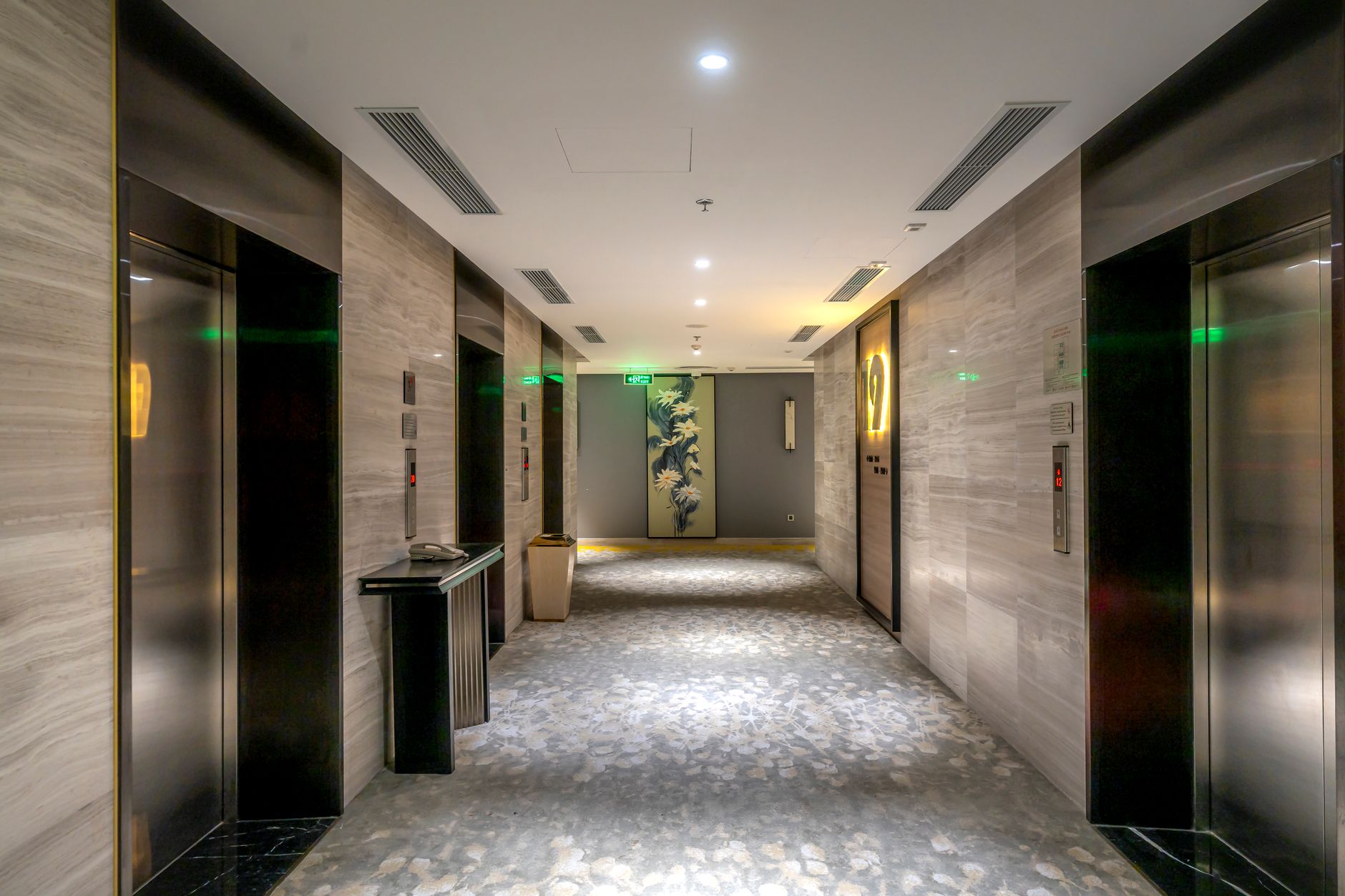
Hotels, hospitals, retail corridors, and campuses add audiences who did not attend your pre-shift briefing. Signage, audible cues, escort rules, and after-hours lockouts become part of the safety story, not marketing extras. Validation here includes observing guest reactions, stroller and cart traffic, and elevator handoffs under real peak load.
Public deployments also attract facilities, IT, and infection-control reviewers who want written procedures. You are budgeting for more witness testing, more photo and video evidence, and more rounds of comment than you would in a fenced warehouse lane.
If a jurisdiction asks for permits or fire-life-safety coordination, add calendar time for those meetings in the validation plan even when the robot itself is ready to run.
Which engineering tasks belong in the validation budget?
Start with scoping: system boundaries, intended tasks, foreseeable misuse, and who is exposed. Mobile risk assessment guides from industry associations stress overlaps with contractors, tours, and adjacent manual processes, not only the nominal pick path.
Next comes safeguard design and performance checks: stopping distance on your actual floor coating, clearance to racks, light curtains, area scanners, and any manual reset steps. Cobot projects add force and speed verification for each taught path.
Finally, integrate validation with network and building systems. Loss of Wi-Fi, door failures, and fire alarms should have defined robot behavior before sign-off. Those tests are engineering hours, not a five-minute demo.
What testing should you pay for before go-live?
Factory acceptance proves the configured system in a controlled setting. Site acceptance proves it on your slab, with your pallets, your clutter, and your night lighting. Split the budget so travel and retest time after a failed SAT is visible, not hidden inside warranty support.
Scripted fault injection belongs in the plan: blocked sensors, removed tags, dropped loads, and emergency stops triggered while the robot is moving. Mobile fleets need repeated runs at blind corners and dock plates; cobot cells need runs with gloved hands and slightly misaligned parts.
Record pass-fail criteria up front. Sign-off against a vague "it seemed fine" invite arguments when production pressure hits.

What documentation will EHS and insurers request?
Expect a risk assessment report, a list of risk reduction measures, updated layouts with zones marked, and maintenance instructions that name who may enter the robot workspace. Mobile standards emphasize information for use flowing from manufacturer to integrator to user; your binder should show that chain for your exact serial numbers.
Keep version numbers on maps and procedures. When seasonal layouts change, the documentation stack needs a matching revision, not a sticky note on the supervisor desk.
Service Robot Co. packages deployment evidence for customers who want one partner for select, finance, deploy, train, and service, so validation artifacts live beside commissioning checklists instead of scattered in email.
How much should you budget for training and sign-off?
Operators, maintenance, and managers need different modules. Operators need start, stop, pause, and handoff rules. Maintenance needs lockout paths and when to call the integrator. Managers need change control: who approves a map edit or a new aisle crossing.
Sign-off should name roles, not a generic "the customer." Facilities, EHS, and operations each touch different parts of the robot story. Budget meeting time for their comments and for rework when a reviewer asks for an extra guard or a slower speed limit.
Training is recurring. New hires and agency staff arrive after go-live; validation budget should include refreshers and short competency checks, especially on public routes.
When do third-party reviews pay for themselves?
Independent reviewers help when you lack in-house machine safety depth, when corporate policy demands external eyes, or when a single incident would halt the whole program. They read your risk assessment, witness key tests, and may ask for additional measures before they stamp approval.
Third-party scope varies. Some reviews are document-only; others include on-site witnessing and follow-up after changes. Quote the scope in writing so you are not comparing a desk audit to a full site walk.
Re-validation after a serious layout change or a new attachment on a mobile top module is a new budget line, not a courtesy call. Plan for it in year one and in renewal conversations.
How should buyers build a single implementation budget?
List robot hardware and software, integration labor, network and building prep, validation engineering, testing days, documentation, training, third-party review, and contingency for retest. Compare quotes on that full stack when evaluating robot rental monthly programs versus purchase, because omitted validation work shows up later as change orders.
Phased pilots help if validation is scoped to one zone first, but do not skip sign-off on the pilot zone because production is months away. The habits and documents you build in phase one become the template for scale.
A vendor-neutral integrator can align mobile, cleaning, delivery, and cobot projects on common procedures, which cuts duplicate training and review costs when you add units later.