Key takeaways
- Separate hardware from landed cost: freight, duties, rigging, and insurance sit outside many list prices.
- Site readiness often adds a double-digit share of budget before the first route runs.
- Integration and ERP ties frequently exceed the robot line item on the quote.
- Commissioning travel and night-window labor belong in the same spreadsheet as the unit price.
- Ask for an itemized install scope before you sign, not after the truck arrives.
What the advertised robot price usually leaves out
Budgeting robot freight, rigging, and installation starts with a simple rule: the number on the brochure is not the number on your capital request. Delivery charges, liftgate service, import duties, rigging, electrical work, floor repairs, and commissioning travel routinely sit outside the hardware line.
Buyers who model only unit cost learn on install week that a scrubber needs a flat floor patch, an AMR needs three new access points, and a patrol robot needs a weather-rated dock where none exists. The robot still works. The project timeline does not.
Industry pricing guides for warehouse automation note that a modest autonomous mobile robot pilot often lands in the low hundreds of thousands of dollars once bot count and integration are included, while larger deployments can pass seven figures before software ties to your warehouse system. Your install budget should assume that scale, even when you start with one building wing.
Freight, insurance, and who unloads the truck
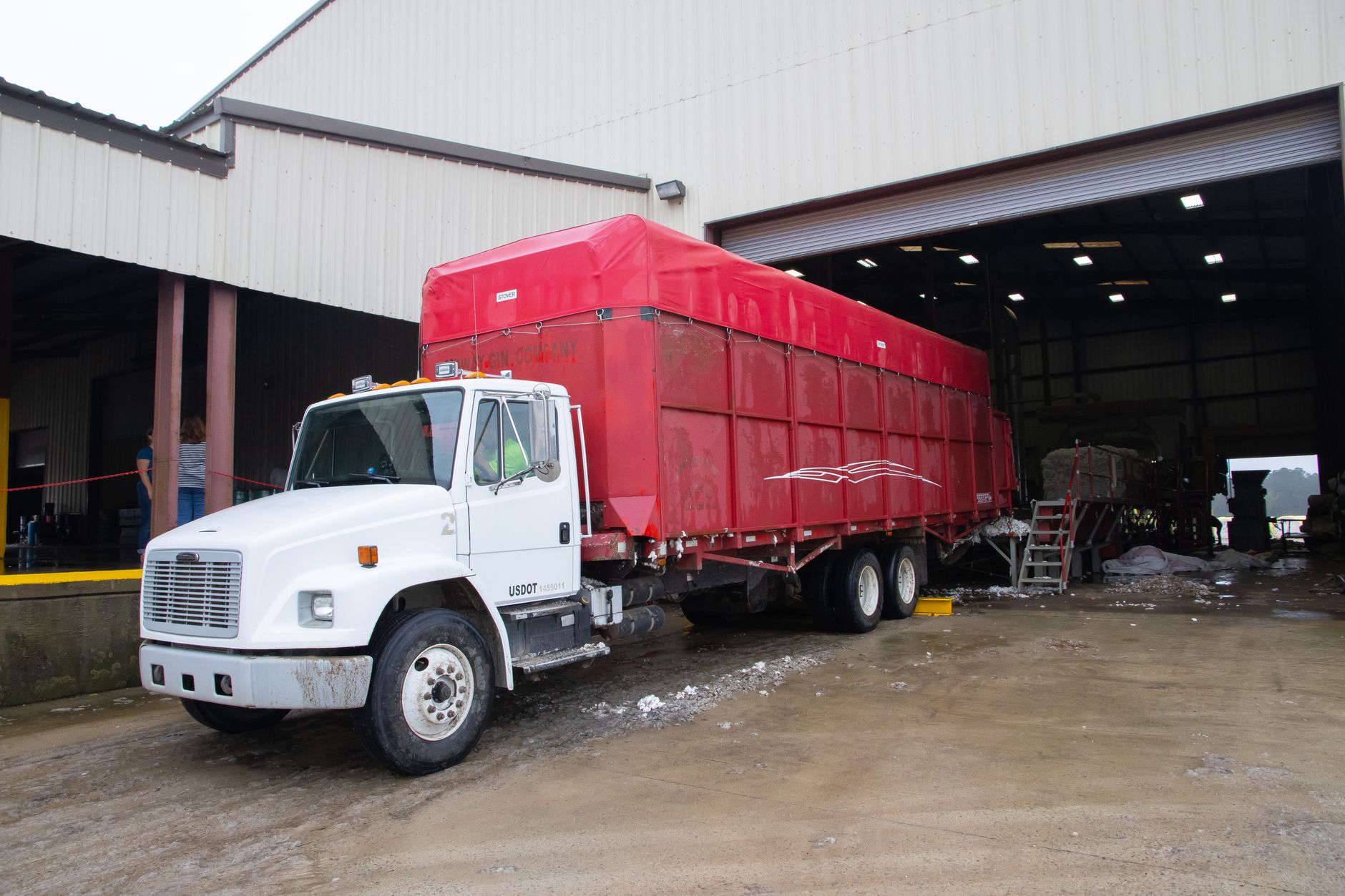
Freight is more than a line haul. Ask whether the quote is door to dock or door to floor. Heavy autonomous units may need a forklift, rigging, or a crane slot booked days ahead. Liftgate delivery is not automatic on commercial lanes.
Insurance matters when a six-figure machine crosses state lines. Confirm whether cargo coverage rides with the carrier, the integrator, or your policy while the unit is in transit. Gaps show up when a tilted crate scuffs a sensor dome.
Import projects add duties, customs brokerage, and battery paperwork. Delivered-duty-paid quotes may still exclude onsite unloading as special handling. Get unloading in writing, including who signs for damage on the tailgate.
Rigging, placement, and the path from truck to charge dock
Rigging is where physics meets your schedule. Plan the route from truck bay to charge location before the driver calls from the yard. Measure door widths, ramp grades, and elevator limits if the robot must ride a service lift.
Placement is not aesthetic. Charging docks need clearance for approach, cable reach, and maintenance kneeling room. Patrol robots need sight lines and shelter from sprinklers. Scrubbers need water fill and drain paths that janitorial already uses.
If your integrator offers turnkey robot deployment, insist on a walk-through with maintenance and security present. Service Robot Co. maps that path during a free site assessment so rigging day is boring, which is the goal.
Electrical, network, and floor work
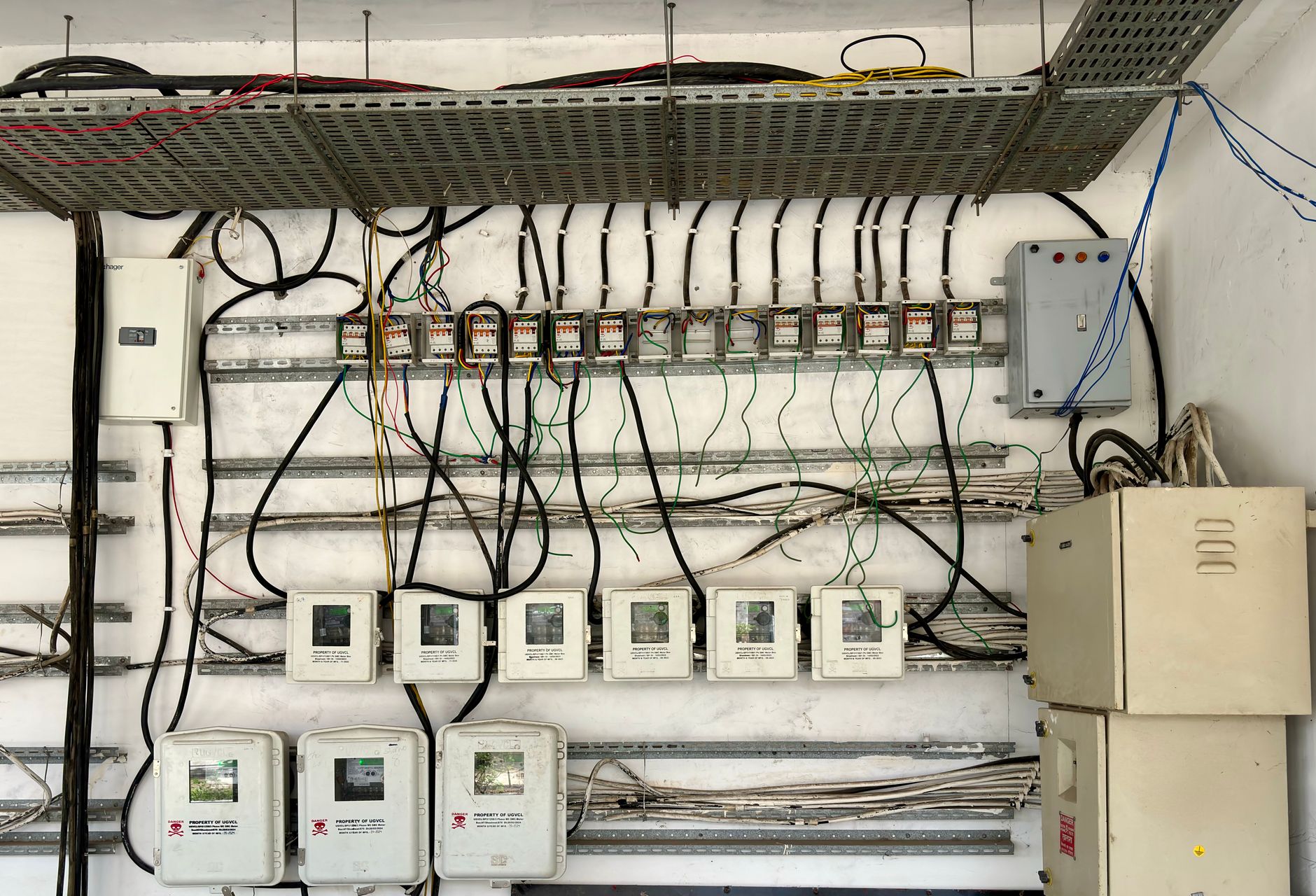
Power drops for chargers are predictable line items. Guides for mobile robot installs often budget thousands per drop when trenching or panel upgrades are required. Count every dock, not just the first pilot unit.
Wi-Fi or private LTE surveys belong in the same bucket. Autonomous fleets that lose handoffs at a steel rack row do not care that the access point was cheap. Industrial-grade coverage is a deployment cost, not an IT science project.
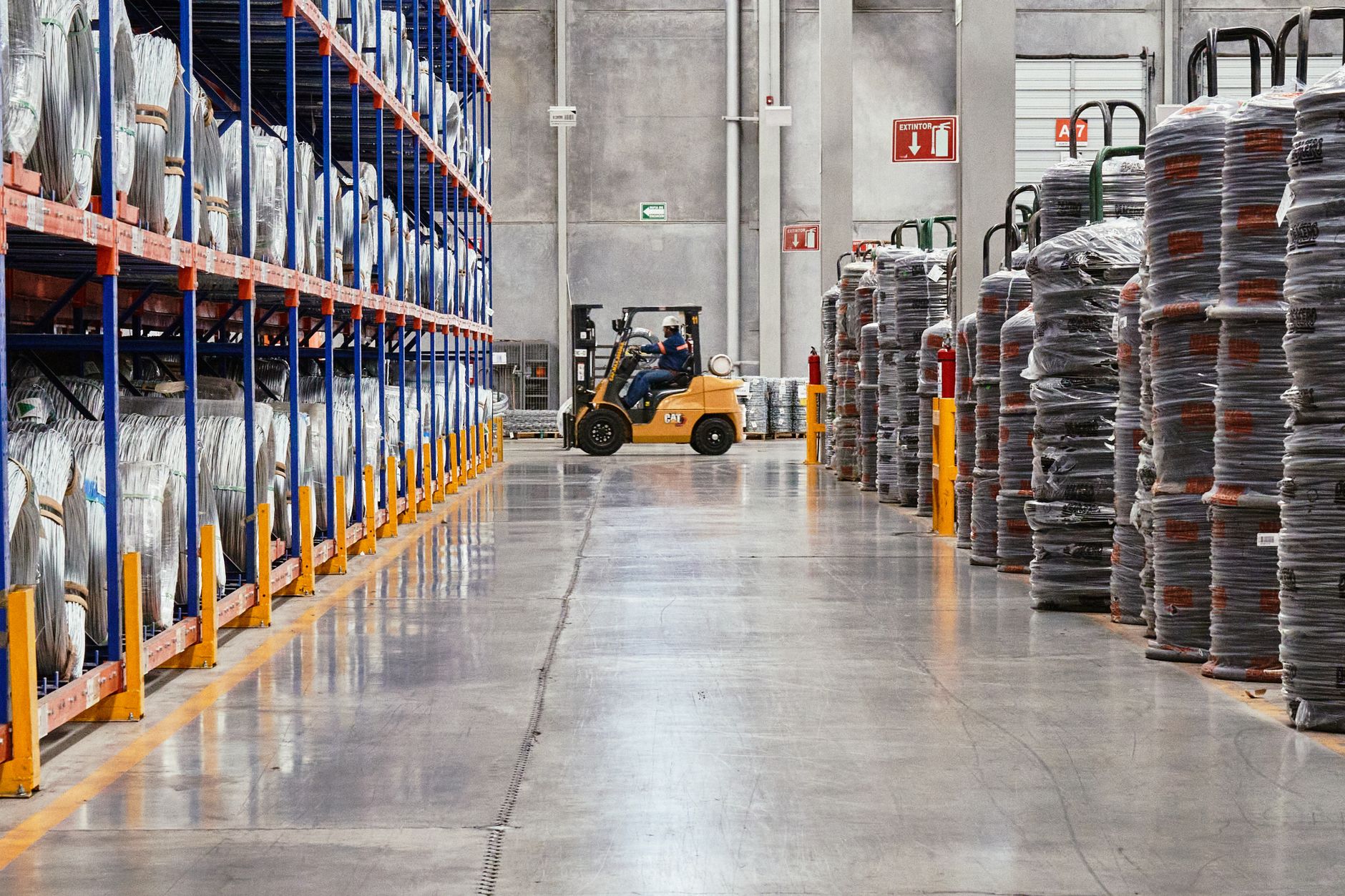
Floor flatness shows up on scrubbers and AMRs alike. Grinding, sealing, or localized repours are common when an old dairy slab meets a new navigation stack. Trade articles on install budgeting cite site preparation as a frequent ten to thirty percent adder when surveys find problems early.
Commissioning, travel, and night windows
Commissioning is skilled labor on your clock. Vendor teams bill travel, per diem, and after-hours windows when you cannot pause production. A grocery client may only free aisles after close; a plant may only accept AMR mapping between shifts.
Plan two phases in the budget: technical commissioning and operational handoff. The first loads maps and safety fields. The second trains night leads and writes exception playbooks. Skipping the second phase saves money once and spends it all month on false alarms.
Installation and commissioning fees often run as a percentage of hardware and software in vendor models. Treat eight to fifteen percent as a planning placeholder until you have a fixed quote, then replace the placeholder with real numbers.
Integration lines that dwarf freight
Connecting robots to warehouse, manufacturing, or door systems is where budgets surprise even experienced operators. Market summaries frequently describe integration as adding fifty to one hundred fifty percent on top of hardware for custom tooling, safety validation, and enterprise interfaces.
Warehouse automation pricing guides often list fifty thousand to two hundred thousand dollars for ERP or warehouse management ties alone on mid-size projects. That is not fraud. It is the cost of making a robot honor your inventory truth.
If you finance through robot leasing for business or month to month service robot rental, ask whether integration is capitalized separately. Mixed contracts hide install labor inside recurring fees. Clarity helps your controller and your project lead.
Site restoration and the punch list
Install week leaves scars: floor epoxy patches, temporary cord covers, repainted lines, and removed pallet stacks. Budget restoration so the building looks intentional when auditors or customers tour, not like a job site.
Punch lists should include signage, taped zones, and photos of final dock placement. Those artifacts speed insurance reviews and internal safety sign-off.
Keep a contingency line for spare parts delivered with the first truck: extra batteries, bumpers, and consumables. Freight for a forgotten brush head should not delay go-live.
A practical budgeting worksheet
Build a one-page table with columns for low, expected, and high estimates. Rows: freight and insurance, import fees if any, rigging and unload, electrical and network, floor and door work, integration, commissioning and travel, training, restoration, contingency.
Tie each row to a named owner before PO issue. Facilities owns power. IT owns wireless. Operations owns route timing. Procurement owns insurance certificates. When ownership is fuzzy, dollars leak.
Vendor-neutral integrators help because one partner can quote the full landed path across brands. Service Robot Co. bundles select, finance, deploy, and nationwide service so your spreadsheet matches one statement of work, not six vendor guesses.
- Freight to floor, not just to dock
- Rigging crew and equipment reserved
- Per-charger electrical scope
- Wireless survey and access point count
- Integration interfaces listed by name
- Commissioning nights and travel days
- Ten percent contingency for surprises