

Key takeaways
- Buffer fairway edges whenever bunker faces are open.
- Sand on turf edges triggers sensor stops and blade wear.
- Hand crews own faces while robots stay on open centers.
- Re-enable zones after sod firms and stakes are gone.
- Service Robot Co. maps bunker buffers during deployment.
Why do bunker repairs change fairway robot routes?
Autonomous fairway mowers cut close to bunker lips on geofenced loops. When crews rebuild faces, stake sod, or stockpile sand, that edge is no longer a clean curve. Robots can drag sand onto collars, scalp fresh sod, or stop repeatedly on scattered grains.
Repair weeks often run hole by hole while play continues. Without buffers, night robots undo daytime hand work before sunrise.
Add bunker repair dates to the robot calendar when the shaper books the project, not after the first complaint from the pro shop.
How wide should bunker buffers be on the map?
Draw buffers from the lip stringline outward onto fairway turf, not just over the sand. Fresh work needs room for stakes, irrigation hand-watering, and foot traffic.
Tight dogleg bunkers need wider buffers at the inside corner where robots turn. That is where wheel slip throws sand onto grass.
Export buffer layers for weekend reliefs. Member play still expects robots off sensitive edges.

What should hand crews own during face work?
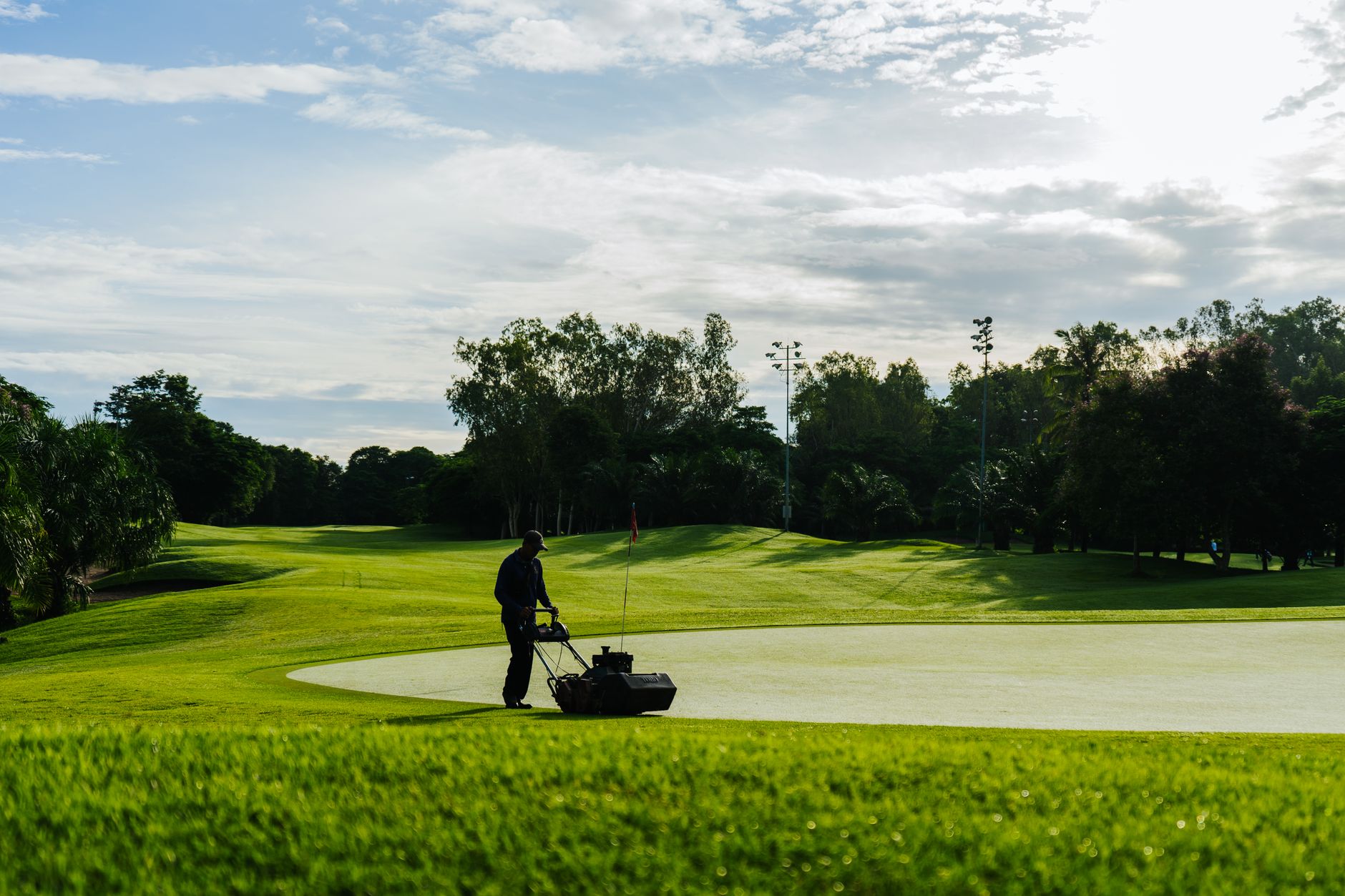
Faces, lips, and flashings stay manual while robots groom fairway centers away from the buffer.
Crews may need extra time on collars robots cannot touch until sod knits.
Photograph lip lines at dusk so night operators match the same edge reliefs saw at lunch.
- Stake and water new sod nightly
- Keep sand off collar turf
- Radio when a hole is ready for robots
- Log buffer release by hole
How do sand spills affect robot sensors and decks?
Loose sand on turf reads as debris under the deck and can trigger obstacle stops. Grains stick to wet tires and spread across the next panel.
Blow or sweep collar sand back before re-enabling tight loops. Two minutes there saves a midnight fault on the next hole.
Inspect blades after repair weeks. Sand dulls edges faster than grass alone.
When can robots return to buffered edges?
Wait until stakes are out, sod has rooted enough to tolerate light wheel load, and sand is off the collar strip.
Walk the lip line in soft shoes. If sod shifts underfoot, hold another day.
Re-enable edge passes slowly for the first two nights before returning to summer speed.
How should the pro shop set member expectations?
A short note that bunker work may leave fairway edges slightly taller prevents surprise at the turn. Robots are paused near sand, not the whole course.
Starters can say maintenance is rebuilding bunkers and robots are holding off lips until sod sets.
After release, confirm normal grooming returned on showcase holes.
What if rain hits during bunker repair?
Wet sand is heavy to move and sticks to everything. Extend buffers if wash piles sand back onto collars.
Do not run robots through muddy lips to catch up. Hand touch-up beats dragged sod.
Compare robot holds to any drainage work happening the same week.
How does an integrator map bunker buffers upfront?
Service Robot Co. is OEM-neutral on autonomous fairway mowers. We finance buy or lease options, map fairways with bunker buffer layers, train your watch lead, and service units under RoboCare with regional engineers in every state we cover.
Import typical repair windows during deployment so default buffers exist before the first summer shaper visit. After the season, review pause logs to widen corners that still fault.
Bring bunker maps to spring planning with the superintendent and shaper.


