Key takeaways
- A campus robot program is only as durable as the vendor's commitment to higher education, not the demo ride on day one.
- June to August 2026 showed how fast replacement risk becomes operational risk when a provider exits and campuses lose delivery with little runway.
- Bowling Green State University's July 23, 2026 launch announcement for 30 new robots shows demand did not disappear. It shifted toward vendors with capacity, payments fit, and campus-specific operations.
- Universities should buy for continuity: contract protections, spare capacity, meal-plan integration, service coverage, and a credible path to scale or replace units quickly.
What should campuses learn from this shakeout right now?
The main lesson is blunt. Campus delivery robots are not a novelty problem anymore. They are a continuity problem. When one major manufacturer pulled back from U.S. higher education in mid-2026, universities were left weighing service gaps, replacement timelines, and student expectations all at once.
That does not mean campus delivery robots are failing as a category. It means the market is sorting itself. According to Oregon State University, its campus service was set to end on June 11, 2026 after the provider said it was exiting U.S. university campuses for other markets. By July 30, Miami University said the same pullback involved more than 1,200 robots being redeployed and more than 60 campuses affected nationwide. Then on July 23, Bowling Green State University announced a new 30-robot fleet for the 2026-27 school year.
So the signal is not that campuses should abandon delivery robotics. The signal is that universities and campus-adjacent operators need tougher standards for durability, replacement risk, and vendor fit before they commit. This is where a vendor neutral robot integrator matters far more than a flashy pilot.
What exactly happened between June and August 2026?
The timeline matters because it shows how quickly campus operations can swing from routine to exposed. Oregon State University told customers that its robot app and service would end on Thursday, June 11, 2026 after the manufacturer said it was leaving U.S. university campuses. That is the kind of abrupt date that turns a convenience feature into an operations scramble.
The picture sharpened as other campuses updated their communities. Miami University said on July 30, 2026 that the manufacturer was winding down its U.S. university campus operations and redeploying more than 1,200 autonomous delivery robots to grocery retail and hot food delivery in cities across the United States and Europe. Miami also said there was no established timeline for new providers to serve the more than 60 campuses affected nationwide.
Then the replacement side of the market became visible. Worcester Polytechnic Institute said on August 5, 2026 that it was already working with another vendor and expected a relaunch in summer 2027. Bowling Green State University moved faster, announcing on July 23, 2026 that a new partner would bring 30 delivery robots to campus beginning in the 2026-27 academic year, with service scheduled to be online August 17.
Why is Bowling Green's announcement more important than it first looks?
Because it shows that campus demand held up even after a high-profile exit. Bowling Green is not testing a single showcase unit. It announced 30 robots at launch, the same fleet size it used when it first rolled out campus delivery in March 2020. That indicates the university still sees enough volume and student demand to support a full fleet, not a symbolic restart.
The details are even more useful. According to Bowling Green State University, the new fleet is about double the capacity of the prior on-campus robots. The university also said the machines are active more than 98 percent of the time and can hold six extra-large 16.5-inch pizzas and five 1.5-liter bottles at once. Those are not marketing flourishes. They are operating metrics that tell you how the campus evaluated replacement fit.
Notice what the university emphasized: payment integration, larger payload, safer navigation, and better day-to-day experience. That is how serious operators buy. They start with order architecture, throughput, uptime, and risk. The logo on the shell comes later.
How should universities judge vendor durability now?
Durability starts with market commitment. A provider that treats higher education as a side pocket can vanish the moment grocery, urban delivery, or another vertical looks more attractive. Campuses should ask what share of the vendor's fleet, roadmap, and service organization is actually tied to university operations. If that answer is vague, the risk is real.
The second test is service depth. A campus does not need only robots. It needs charging routines, field repairs, remote triage, spare-unit logic, and support during move-in week, bad weather, finals, and late-night peaks. This is why robot deployment and integration should be judged as an operating system, not a hardware drop.
The third test is contract resilience. If a manufacturer changes strategy, what happens next week, not next quarter? Operators should ask about notice periods, data portability, transition assistance, emergency robot replacement, and whether a backup robot program exists. Market shakeouts reward campuses that planned for exit before they planned for expansion.
- Ask how many higher-ed sites the provider actively supports today and how many technicians support them in the United States.
- Ask what happens to maps, routing data, integrations, and user accounts if the program ends or changes hands.
- Ask how many spare units are staged, how loaner units are handled, and what on-site response actually means in practice.
- Ask for a written process for semester peaks, winter weather, curb cuts, accessibility routes, and night operations.
Where does replacement risk show up first on a campus?
It usually appears in three places before finance teams fully model it. First is the ordering stack. If meal plans, campus debit, or merchant apps are tied tightly to one provider, swapping fleets becomes an app, payments, and training project all at once. Bowling Green's July 2026 announcement made payment flexibility a headline item for a reason.
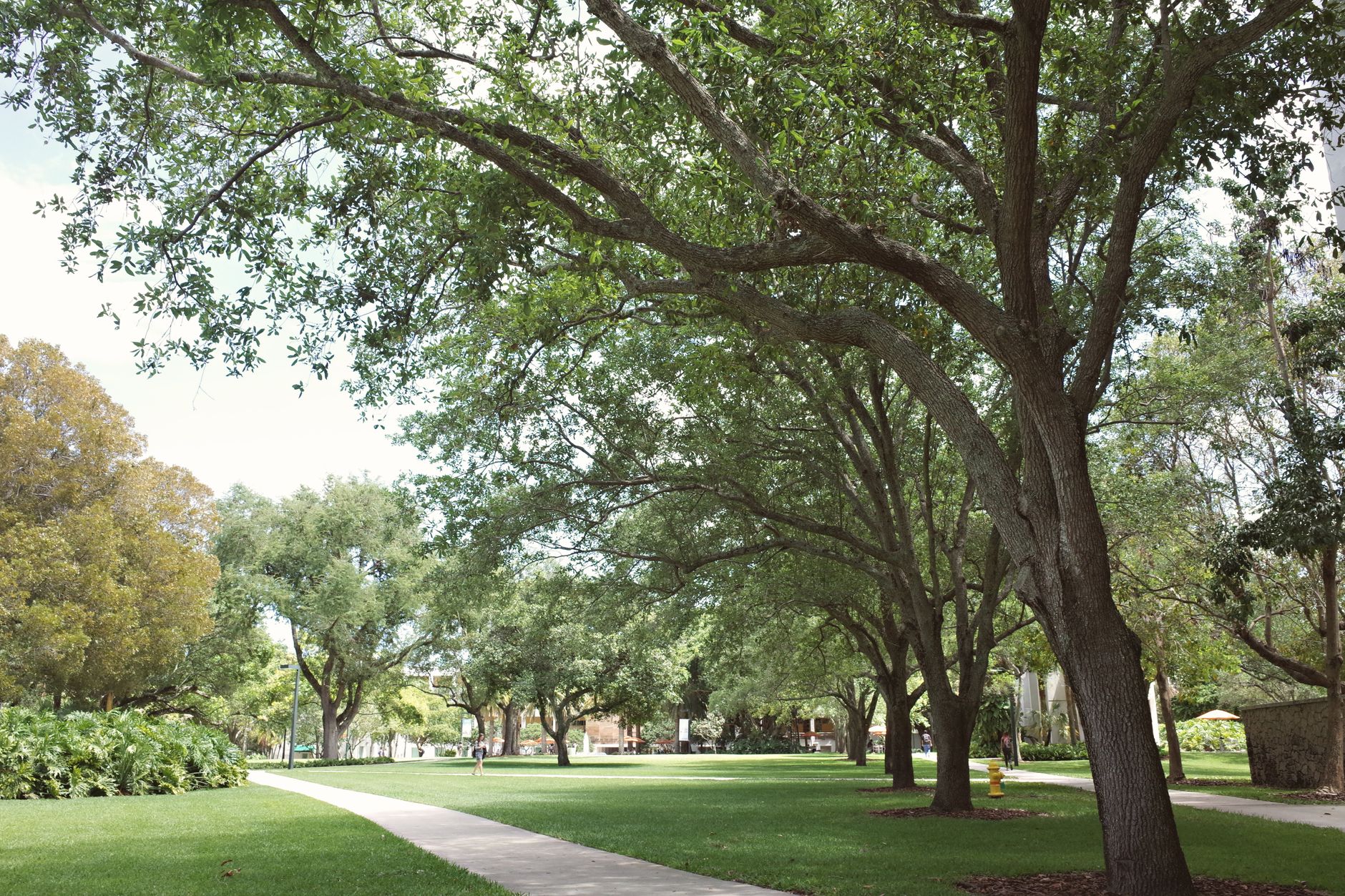
Second is service geography. A robot that works on a neat central quad may struggle with grade changes, residence hall edges, mixed pavement, construction detours, or winter conditions. A replacement fleet may need remapping, revised drop points, and new rules for where robots can safely idle or cross.
Third is stakeholder trust. Students tolerate a launch hiccup. They do not forgive a semester-long stop after they built the service into daily life. Miami University described the delivery robots as a valued part of the student experience, which means any interruption becomes visible well beyond dining operations.
What does good campus vendor fit actually look like?
Good fit is more operational than technical. The right campus program matches order density, dining hours, meal-plan rules, accessibility expectations, weather, terrain, staffing, and service footprint. A fleet that excels in a compact, sunny campus core may be the wrong fit for a spread-out campus with snow, stairs, loading conflicts, and late-night surges.
This is also where campuses should separate buying a robot from buying a service robot rental or robot as a service program. Many operators care less about owning units than about monthly payment programs, maintenance included terms, and a credible service plan. If your campus-adjacent operator wants no upfront capital or prefers robot leasing for business, those financing choices should follow the operating model, not dictate it.
Service Robot Co. fits here because we are OEM-neutral and lifecycle-focused. For universities, dining partners, and campus-adjacent operators, that means we can assess the site, pick the right robots across manufacturers, handle robot financing, robot deployment and integration, train staff, and service every unit through a nationwide U.S. engineer network. One partner one number matters more when the market is unsettled.
Should campuses buy direct, or use a neutral integrator?
In a stable one-vendor market, direct buying can look simpler. In a shakeout, it often proves brittle. The campus is then relying on the same party for hardware, software, field service, replacement planning, and strategic continuity. If that party changes direction, the campus inherits the shock.
A neutral integrator changes the structure of the risk. Instead of tying operations to a single manufacturer's business mood, the campus can design for multi-year continuity across lease rental or sale options, service robot rental structures, and phased fleet changes. That is especially useful for institutions that want try before you buy pilots, robot rental monthly budgeting, or no long term contract flexibility while they learn demand patterns.
This article is not an argument that every campus should move tomorrow. It is an argument that the operator should control the program, not the other way around. In 2026, that distinction got very expensive in time, trust, and operational friction for campuses caught flat-footed.
A practical checklist for the next campus robot RFP
The next round of campus procurement should look tougher and more detailed than the last one. A robot fleet is now part dining infrastructure, part software stack, part field-service commitment. Treat it that way.
The best RFPs will force vendors and integrators to show not just what the robots can do, but how the program survives a hard semester, a staffing gap, a map rebuild, or a corporate pivot. That is how campuses turn a market shakeout into a better buying standard.
- Require exact uptime definitions, not vague availability language. Ask how uptime is measured and reported.
- Require a replacement timeline for failed units, plus written spare unit coverage and escalation paths.
- Require proof of meal-plan and campus payment integration before go-live, not after pilot approval.
- Require a map refresh plan for construction, snow routes, and ADA-sensitive paths.
- Require a transition clause covering data export, support continuity, and handoff if the vendor exits higher education.
- Require named field-service coverage in the United States, including remote triage and on-site dispatch.
Frequently asked questions
Sources
Service Robot Co. is not affiliated with, sponsored by, or endorsed by the companies mentioned in this article.