Key takeaways
- Delivery robots can work for repeatable meal, snack, and hydration runs inside skilled nursing facilities, but they are a transport tool, not a care substitute.
- Federal nursing home rules require at least three meals daily, limited overnight meal gaps, hydration support, resident choice, and appropriate eating assistance, so robot workflows have to protect those obligations.
- The best fit is back-of-house and unit-level movement, especially closed-tray or cart runs from kitchen to nurse station or dining room staging, not bedside feeding.
- Food safety, infection control, corridor etiquette, and dignity matter more here than headline automation claims.
- A full-service, vendor neutral robot integrator matters because skilled nursing sites need mapping, staff training, service coverage, and clear fallback procedures when care cannot wait.
So, can a robot actually help in a skilled nursing kitchen?
Yes, in a narrow band of work. A delivery robot can be practical inside a skilled nursing facility when the assignment is repetitive internal transport: moving plated meals to a unit staging point, taking evening snacks to a nourishment room, or running hydration supplies on a set route. That is very different from replacing aides, dietary staff, or bedside care.
The reason is regulatory and human at the same time. Skilled nursing facilities are not just foodservice sites. They are care environments where mealtime timing, hydration, special diets, resident choice, and dignity are part of the operating standard. A robot fits only if it reduces walking without interrupting those obligations.
In other words, the right question is not can a food running robot move a tray. It is whether that transport can happen without delaying care, confusing staff, blocking mobility devices, or turning a resident-facing moment into a clumsy handoff. In the right building, with the right route, the answer can be yes.
What makes this setting harder than ordinary hospitality delivery?
Skilled nursing has a tighter care cadence than a typical restaurant delivery robot rental use case. According to the federal nursing home food and nutrition rule at 42 CFR 483.60, each resident must receive at least three meals daily, the gap between evening meal and breakfast is generally capped at 14 hours unless a bedtime snack and resident agreement allow up to 16 hours, and facilities must provide suitable alternative meals and snacks for residents who eat outside scheduled service times.
That same rule also requires drinks, including water and other liquids consistent with resident needs and preferences, sufficient to maintain hydration. It requires food that accommodates allergies, intolerances, and preferences, and special eating equipment and appropriate assistance when residents need help consuming meals and snacks.
This is why skilled nursing kitchens are a distinct niche. The transport task may look simple, but the service context is not. A missed snack run can carry clinical consequences. A wrong-floor delivery can disrupt medication timing or therapy schedules. A noisy hallway pass during a transfer can be more than an annoyance.
Where do delivery robots fit best inside the building?
The cleanest fit is unit-to-unit transport that ends at a staffed handoff point. Think kitchen to rehab wing staging, kitchen to memory care nourishment room, or kitchen to nurse station for closed snack and hydration stock. In those workflows, the robot handles the long walk and a human still owns resident-facing service.
That matters because the federal rule also preserves resident choice around when they eat. CMS guidance has long emphasized dignity and schedule choice, including eating times, as part of nursing home quality of life. A robot works best when it expands staff capacity to honor those choices rather than forcing residents into the robot's schedule.
A practical deployment usually keeps the machine away from the last three steps of service. It should not be the party deciding who gets what tray, who needs cueing, who requires thickened liquids, or who is unsafe to approach during a transfer. The robot is a corridor runner. Care staff remain the decision-makers.
This is also where terms like meal tray transport, hospital delivery robot rental, office delivery robot rental, and food service robot rental can mislead buyers. The same machine category can serve many sectors, but skilled nursing demands a more conservative operating envelope than a hotel or office tower.
What operating rules make or break the use case?

First, food safety has to survive the trip. FDA says hot foods should be stored and held at 135 degrees Fahrenheit or above, and cold foods at 41 degrees Fahrenheit or below. That means the robot is only one part of the chain. The payload enclosure, staging time, route length, and staff discipline around loading and unloading matter more than the fact that the base is autonomous.
Second, infection control and cleanability cannot be an afterthought. CDC notes that nursing home and long-term care residents face higher infection risk. In practice, that means exterior surfaces, bins, and touchpoints must be easy to sanitize, and the workflow should avoid unnecessary cross-traffic between soiled utility areas and food runs.
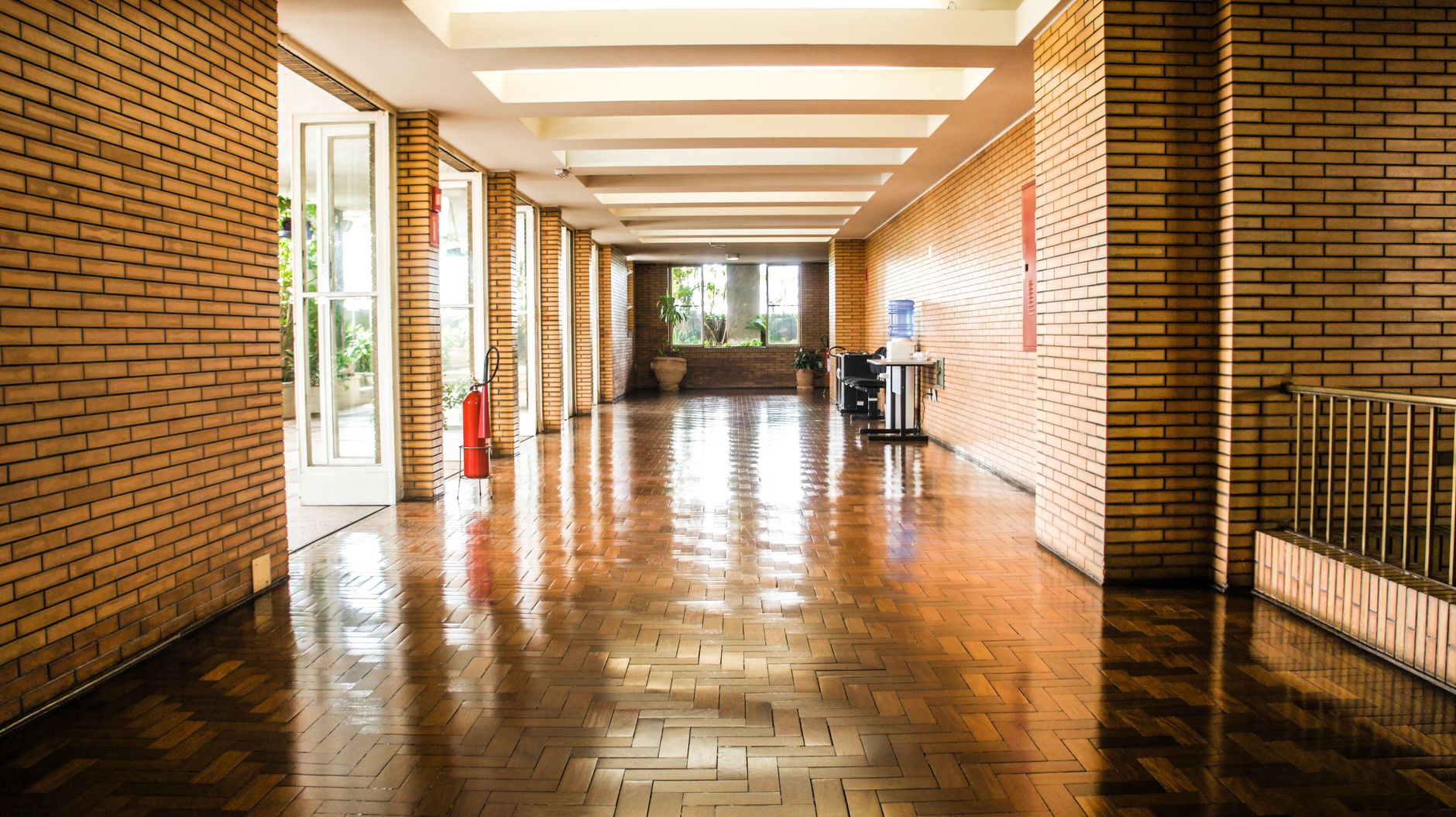
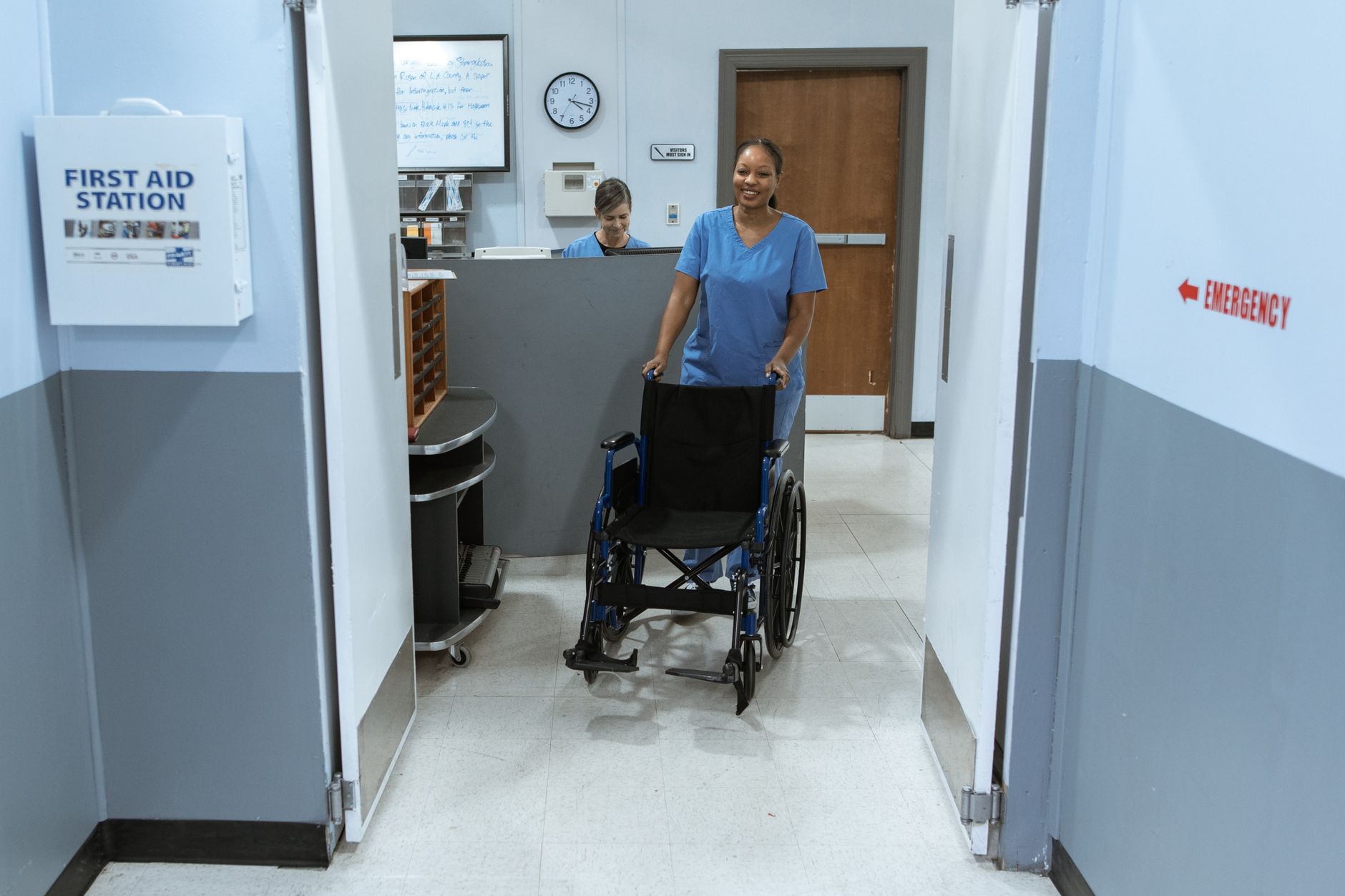
Third, the robot has to behave like a polite piece of equipment, not a novelty. Skilled nursing corridors carry wheelchairs, walkers, lifts, med carts, visitors, and staff responding to call lights. A usable deployment sets low travel speeds, conservative yielding rules, predictable parking positions, and clearly defined no-go windows around peak transfers or med pass.
Can robots help staffing without compromising dignity?
Potentially, yes, but only by removing low-value walking. They are not a substitute for feeding assistance, cueing, observation, or the judgment required in a nursing unit. The staffing gain comes from taking repetitive transport off the shoulders of dietary aides, CNAs, or support staff so they can spend more time in actual care.
That tradeoff matters in a sector where physical strain is real. The Bureau of Labor Statistics reports a 2024 total recordable injury and illness rate of 5.5 cases per 100 full-time workers in nursing and residential care facilities, with 2.4 cases involving days away from work. Reducing unnecessary mileage and push-pull work will not solve every injury source, but it is a sensible target.
Hydration is another reason the niche deserves serious attention. A 2023 systematic review indexed by PubMed estimated low-intake dehydration prevalence at 34 percent for long-term care residents in the included studies. That does not mean a robot fixes dehydration. It does mean snack and beverage availability are operationally important, and reliable hydration runs can support a care team's intent.
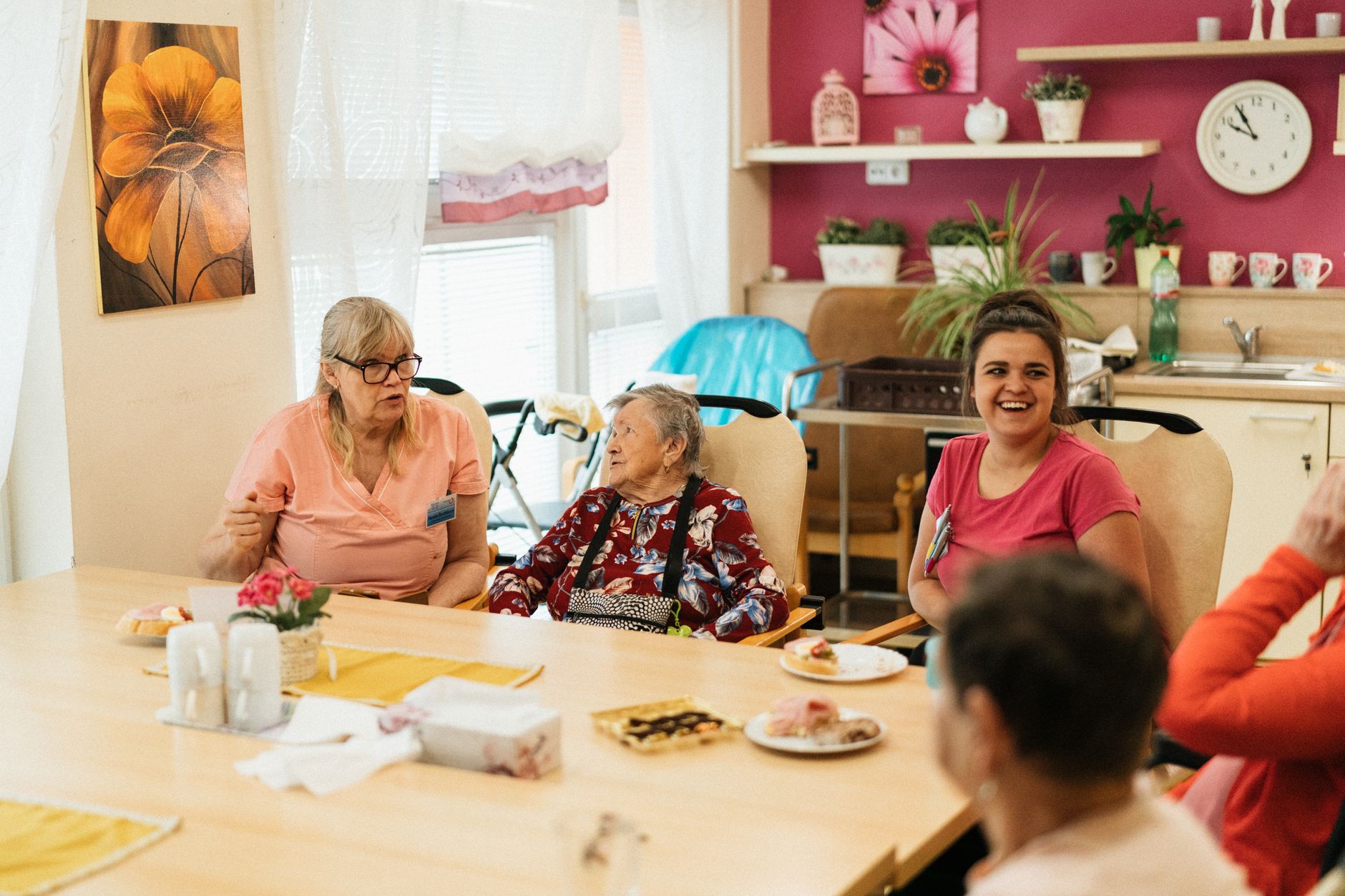
Resident dignity sets the boundary. The robot should make it easier for staff to respond to preferences, not create a parade of impersonal hallway drops. If the site cannot preserve quiet, courtesy, and human handoff where it matters, it should not automate this workflow.
What building conditions usually decide success or failure?
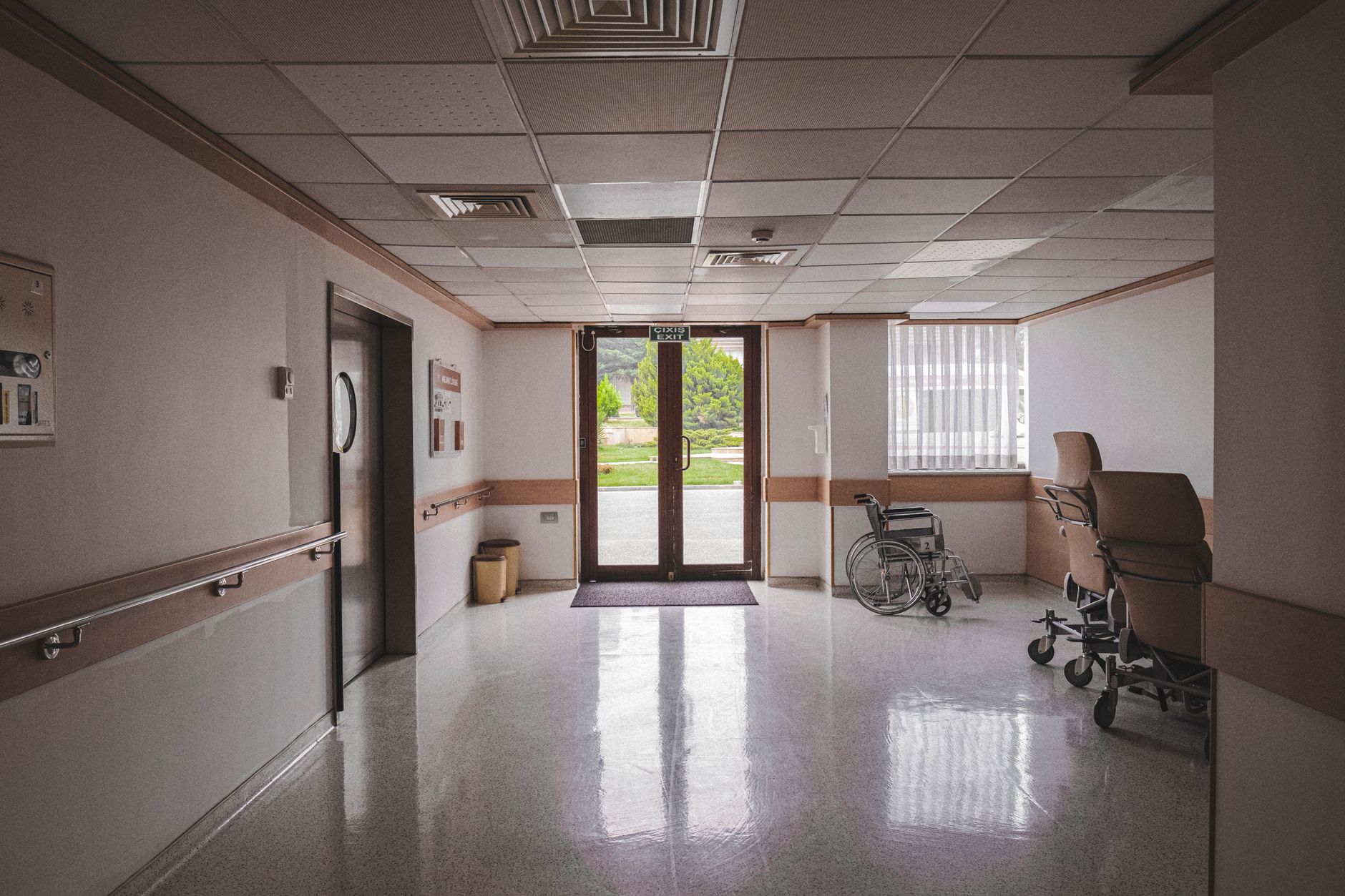
The winners are buildings with repeatable routes, decent Wi-Fi or other dependable connectivity where needed, clean door and threshold conditions, predictable elevator access if multiple floors are involved, and enough alcove space to stage without blocking egress. Tight pinch points, frequent construction clutter, and unit layouts that force constant re-routing tend to erase the benefit.
The kitchen side matters too. A robot does best when outbound work is already standardized: closed trays labeled consistently, hydration stock pre-kitted, and unit handoff points chosen in advance. If the kitchen still relies on constant verbal improvisation, an autonomous mobile robot rental style deployment will inherit that disorder.
This is one reason many operators prefer a pilot before a larger commitment. A short trial can answer the questions that brochures cannot. How long is a real snack loop at 7:00 p.m.? How often does the route intersect lift transfers? Which unit actually benefits, and which one just looks good on paper?
How should a skilled nursing operator evaluate the business case?
Start with minutes, not hype. Count the round trips from kitchen to units across breakfast, lunch, dinner, PM snack, and hydration replenishment. Measure who walks them now, how long they take, and what care or prep work gets deferred while that person is in the corridor. In this niche, the business case usually rests on labor reallocation and service consistency, not theatrical labor replacement.
Then stress-test the exceptions. What happens when a tray must be rerouted because a resident is off unit? What happens when a floor is being waxed, a fire door is closed, or a resident emergency blocks the corridor? A serious buyer should want fallback procedures before discussing robot as a service, service robot rental, or robot leasing for business.
This is where Service Robot Co. has a sensible place in the conversation. A skilled nursing operator usually does not need one vendor selling one machine. It needs a full-service, vendor neutral robot integrator that can assess the route, choose a robot that fits the floor and payload, handle robot deployment and integration, train staff, and back the fleet with remote triage, on-site dispatch, and maintenance included through one partner and one number.
For some operators, that may mean a lease rental or sale decision. For others, monthly payment programs or a commercial robot rental structure makes more sense while they validate the workflow. The point is not financing theater. The point is matching the operating risk to the deployment model.
What does a sensible first deployment look like?
Begin with one closed-loop assignment on one shift. Evening snack and hydration runs are often better starting points than full meal service because they are simpler, lighter, and easier to standardize. Once the route proves dependable, the site can add meal tray transport to one unit with a staffed handoff.
Keep the success criteria concrete. On-time arrivals. No blocked corridors. Stable food temperatures at handoff. No added burden on nurses. No resident complaints about noise or awkward encounters. If those marks are not met, the site should tune the workflow or stop the pilot.
The strongest programs keep the machine slightly out of the spotlight. Staff know exactly when it will appear, exactly where it parks, exactly how exceptions are handled, and exactly who to call if it faults. In skilled nursing, that quiet reliability is the real standard. Not novelty, and not a flashy demo.
Used this way, a delivery robot can be practical in a skilled nursing kitchen. Not as a replacement for care, and not as a roaming gimmick, but as a disciplined internal runner that gives people back time for the work residents actually feel.
Frequently asked questions
Sources
- 42 CFR 483.60 Food and nutrition services
- CMS Nursing Homes overview
- CMS guidance on nursing home quality of life
- BLS nursing and residential care facilities injury data
- CDC long-term care infection prevention
- FDA retail food temperature guidance
- FDA Food Code overview
- PubMed dehydration prevalence review in nursing homes