Key takeaways
- AMRs fit repetitive rack shuttles between ballroom docks, dish pits, and staging kitchens when routes are mapped for peak turnover windows.
- Clean and dirty racks need separate carts, zones, and handoff rules so automation never crosses a sanitation line.
- Wet floors, fire doors, and elevator thresholds are the usual blockers, not rack weight alone.
- A vendor-neutral integrator can pilot AMR rental monthly on one ballroom loop before you scale across a convention campus.
Can AMRs move dish racks during a compressed banquet turnover?
Yes, on the right lanes. Convention kitchens live and die on rack circulation. Soiled racks stack up outside a ballroom while clean racks wait at the pass. Runners make the same trip dozens of times between the dish pit, the staging kitchen, and the service corridor. That is repetitive, heavy, and easy to delay when every minute counts before the next general session.
An autonomous mobile robot with a tug or cart interface can take the middle mile on a fixed loop while stewards stay at the handoff points. The robot is not plating food and not washing dishes. It moves standardized rack carts along a mapped route during the narrow window after one event clears and the next setup begins.
Success starts with admitting what is fixed. Rack dimensions, cart type, door widths, and your clean versus dirty separation rules must be written down before anyone talks about autonomous mobile robot rental. If those basics are fuzzy, automation will amplify the chaos instead of removing walks.
Where do rack loops actually save time?
The wins show up on long indoor runs. Think ballroom service corridor to central dishwashing, or from a satellite prep kitchen back to the main soiled dock. A human runner might spend more time in transit than at the rack stack. The AMR holds a steady cadence while people handle elevator loading, sorting, and quality checks.
Peak compression matters. A single turnover afternoon might require hundreds of rack moves in two hours. Spreading those trips across two AMRs on opposite loops can keep the dish pit from starving while stewards reset tables. The robot does not replace the steward captain at the ballroom door. It keeps carts arriving so that captain is not also walking a quarter mile each trip.
Night programs differ. Some venues run rack returns after midnight when freight elevators are shared with exhibitor move-in. Scheduling AMR runs in software beats asking a tired runner to repeat the same path when foot traffic is unpredictable.
- Strong fit: ballroom dock to dish pit on a wide, mapped corridor
- Strong fit: staging kitchen to soiled dock when carts are standardized
- Weak fit: tight exhibitor hall aisles during concurrent move-in
- Weak fit: routes that mix clean and dirty without physical separation
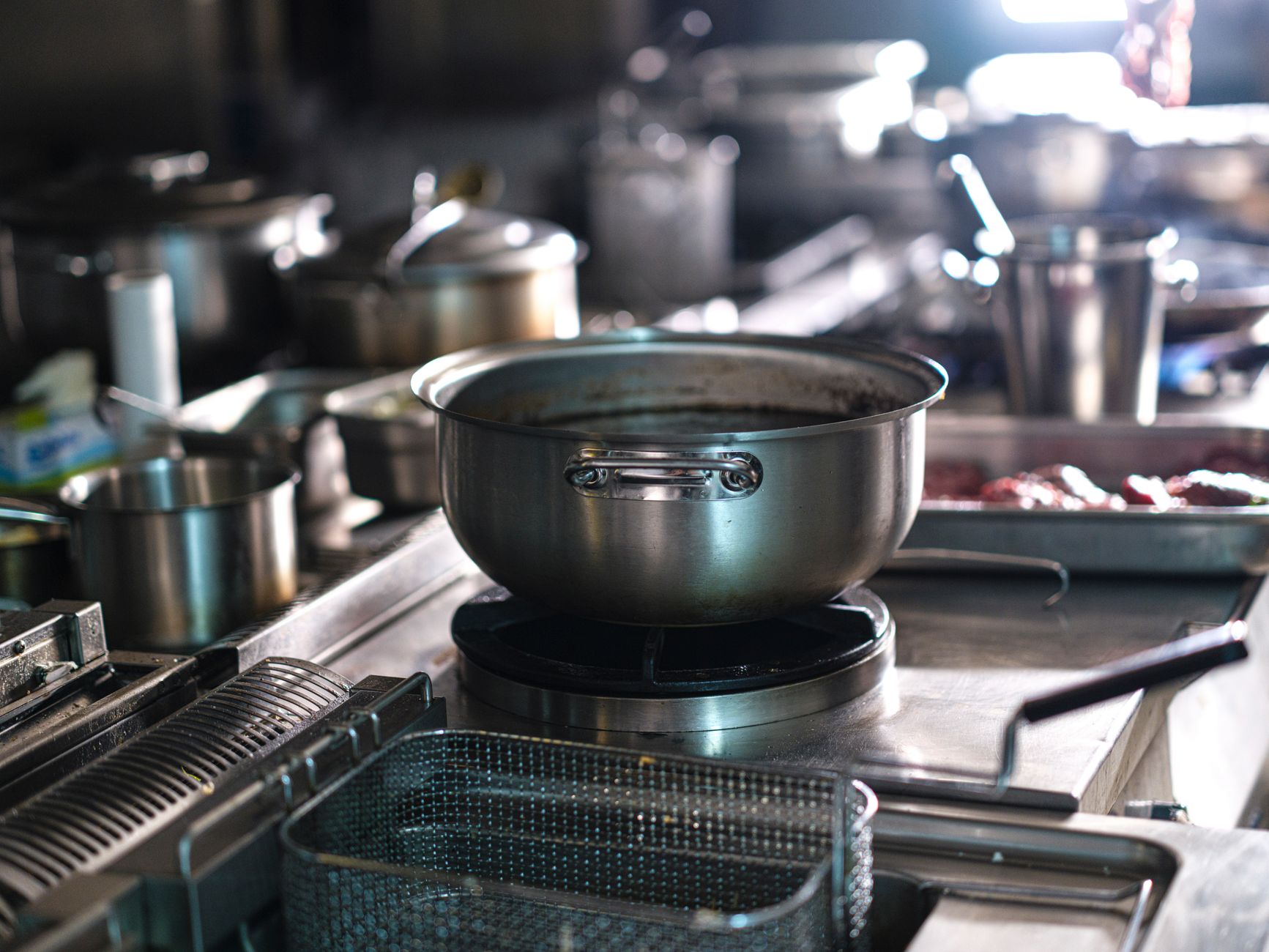
How do you keep clean and dirty flows separated?
Food code logic applies even when robots move the racks. Soiled ware travels one way. Clean ware travels another. Never share a cart bed without a documented wash step. Paint floors, signage, and cart tags so every handoff is obvious at 11 p.m.
Run two AMR programs if needed. One tug pulls only soiled racks from ballroom collection points to the dish pit. A different cart or a different shift moves clean racks from the wash line to holding outside the ballroom. Software zones should hard-stop a robot that drifts toward the wrong dock.
Handoff stations are small but critical. A steward clips the rack, confirms the cart tag, and releases the robot. Another steward receives at the dish pit with a floor drain nearby. Document who breaks a chain if a rack tips. The robot vendor sells navigation. Your banquet captain owns sanitation discipline.
What changes when floors are wet and traffic is heavy?
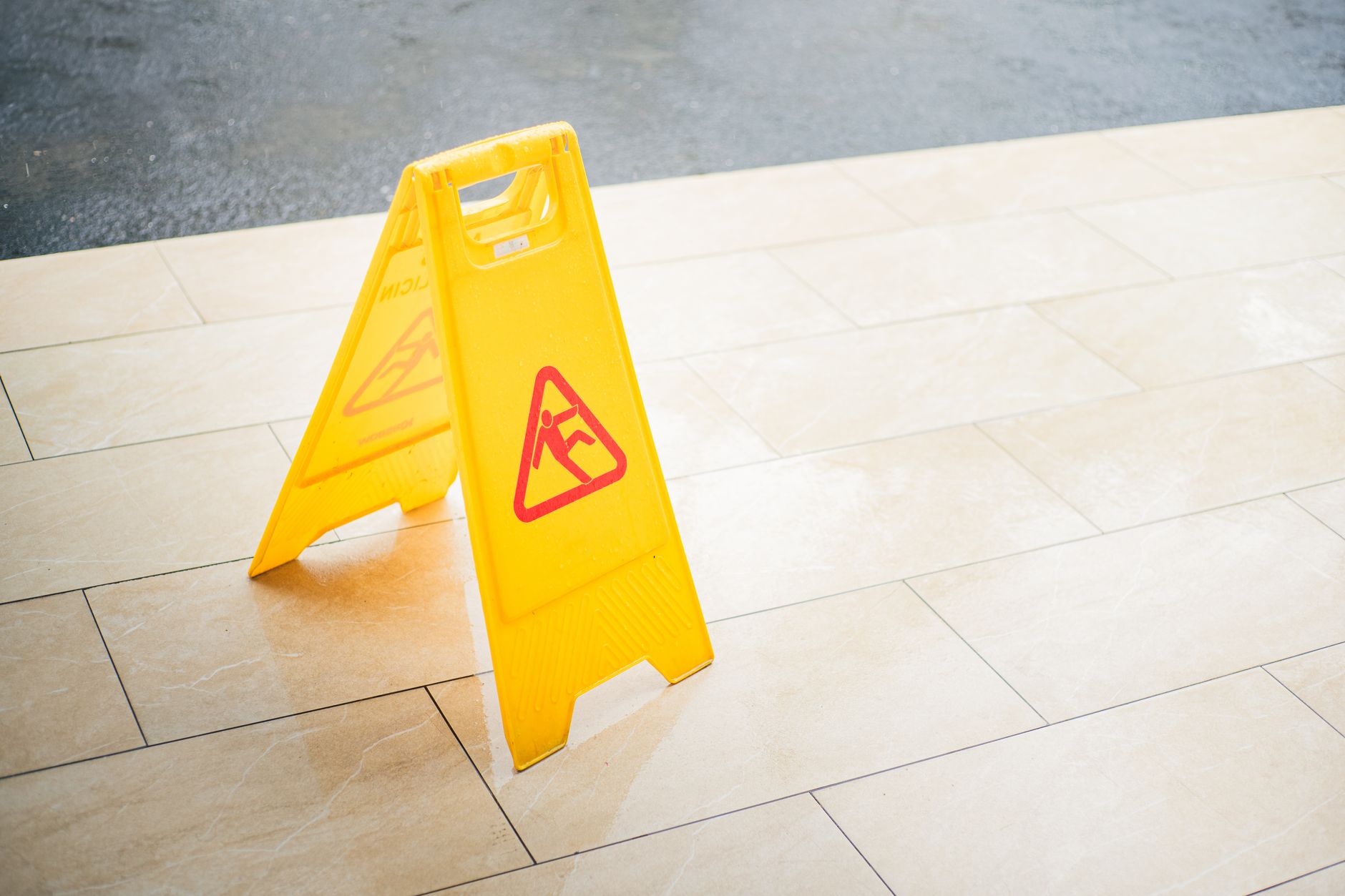
Dish pits stay wet. Service corridors get mopped between sessions. According to OSHA guidance on walking-working surfaces, employers must keep floors clean and dry where possible and address spills promptly. AMR routes should avoid fresh mopping zones or use timed no-go windows tied to your housekeeping radio channel.
Traction matters more than top speed. Test stopping distance on sealed concrete with water film and with the weight of a loaded rack cart. Slow zones near the dish pit are normal. A robot that cannot stop on a wet patch should not run that segment until mats, drainage, or route changes fix the hazard.
Human traffic peaks when sessions end. AMRs need audible cues, corner blinkers, and trained staff who know not to step in front of a loaded tug while herding guests toward the escalators. Schedule robot departures in the five-minute lull after egress, not in the middle of the crowd.
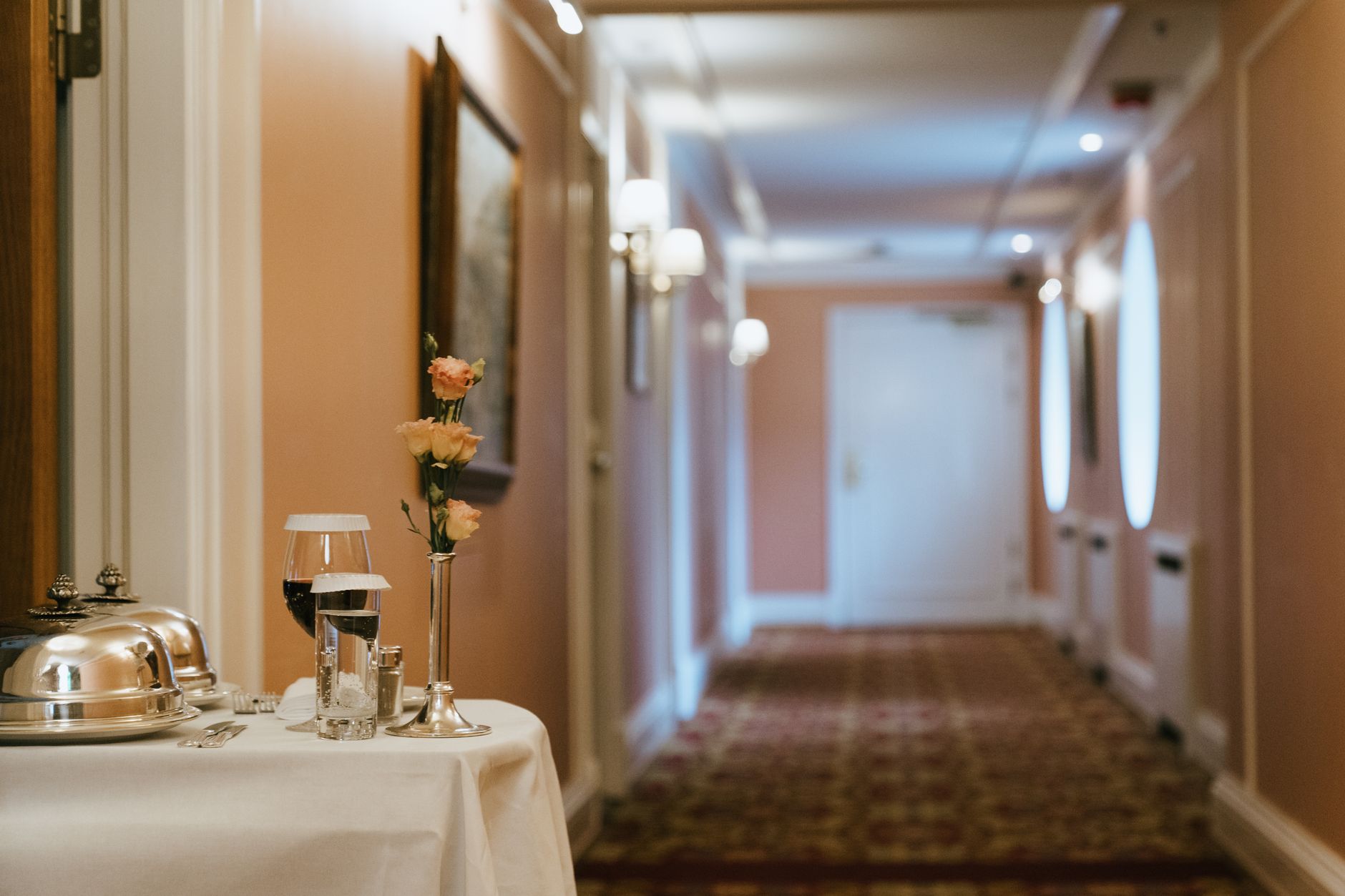
How do fire doors and elevators fit the plan?
Fire-rated doors are not automatic for robots. Hold-open devices, automatic operators, and local fire marshal rules vary by venue. Map each door, note which are manual, and assign a human door tender where the code requires it. Never strap a door open without approval.
Elevators need a written protocol. Some venues require a freight elevator with a dedicated attendant. Others allow AMRs only when a steward rides along. Test door protection sensors and floor leveling at every stop you plan to use. A rack cart that binds on a threshold stops the whole turnover line.
Charging docks belong off the main corridor. Convention centers already fight for back-of-house space. Put AMR docks near the dish pit or staging kitchen so robots deadhead empty without crossing guest paths.
Does the labor math support AMR rental monthly?
Compare walks to wages you can cite. According to the Bureau of Labor Statistics Occupational Outlook Handbook, the median hourly wage for janitors and building cleaners was $17.27 in May 2024, and employers face heavy replacement churn with about 351,300 openings projected each year on average from 2024 to 2034. Steward and runner roles often sit in the same labor market pressure.
An AMR does not delete those jobs. It removes miles from the job. If three runners each walk forty minutes per turnover and you host twenty turnovers a month, the hours add up. Robot rental monthly or a short pilot on one ballroom loop lets you measure saved trips without buying a fleet on day one.
Pair the pilot with exception logs. Count how often a human still had to rescue a cart at a door or elevator. Those minutes are the real cost of a bad map.
How should a convention kitchen pilot a rack AMR?
Pick one ballroom and one dish pit for four busy weekends. Map soiled-out and clean-in as separate programs. Run a tabletop with stewards, housekeeping, security, and the fire safety officer before the first live event.
Measure racks moved per hour, robot idle time at choke points, and any near misses on wet floors. Compare against your manual baseline from the last similar show. If the robot only saves trips when the building is empty, schedule it for late-night rack consolidation instead of end-of-session rushes.
Success is boring logistics. Clean racks arrive before the captain yells for them. Soiled racks do not block the service elevator. Inspectors see written separation rules that mention robots alongside people.
Where does Service Robot Co. fit?
Service Robot Co. stays vendor neutral. We match tug or cart AMRs to your rack cart fleet, then handle financing, deployment, training, and nationwide service through US engineers. That matters when you want AMR rental on one loop before you standardize carts across a whole convention campus.
We map with your banquet and engineering teams, not instead of them. Fire doors, elevator rules, and clean-dirty zoning are part of go live support. If the workable route is only a midnight soiled run, we will say so and help you phase a second robot when freight elevators free up.
One partner and one number keeps software updates, spare batteries, and loaner units aligned with your event calendar. External posts stay internal drafts until your team approves publication.