Key takeaways
- Autonomous mobile robots can reposition folded manual wheelchairs on fixed back-of-house routes when payload, cart locks, and passenger-free corridors are defined in advance.
- DOT's December 2024 wheelchair assistance rule raises training and dignity standards; robots should support attendants, not replace hands-on passenger help at the gate.
- BTS reported a 1.26 percent mishandled wheelchair and scooter rate for full-year 2024, so custody logging for every cart move matters as much as travel time.
- Dispatch must yield to peak passenger flows: AMRs belong on time windows, geofenced lanes, and elevator reservations that never compete with boarding queues.
- Vendor-neutral integrators can pilot one amr rental route with maintenance included before you scale a multi-concourse fleet.
Can AMRs reposition folded wheelchairs without blocking passengers?
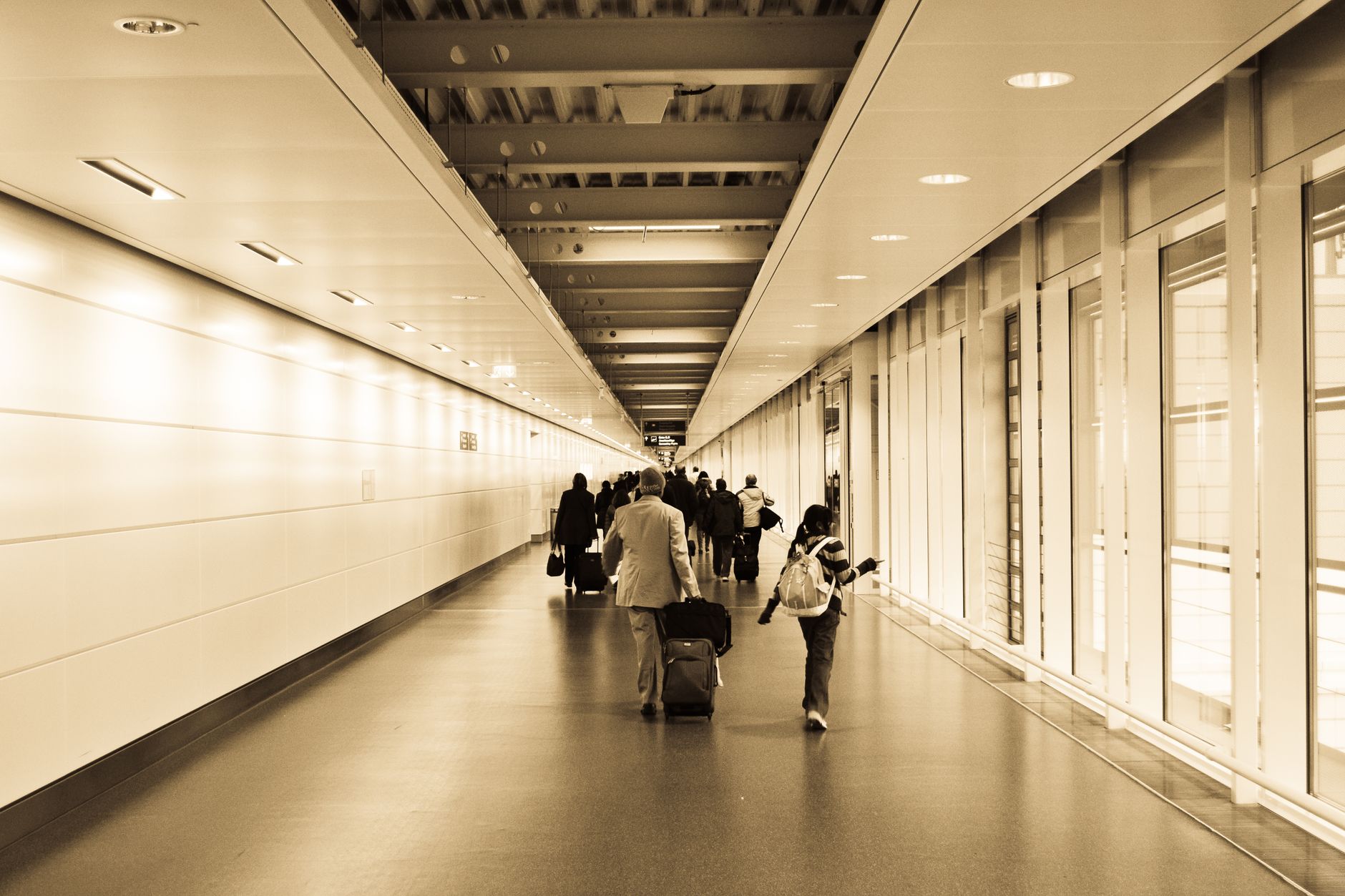
Yes, but only on routes you engineer for empty corridors, not for mixed gate queues. An autonomous mobile robot can tow or carry a folded manual wheelchair between a storage closet, a gate hold room, and an arrivals service desk when the path stays behind the ticket counter line or inside a service corridor. The moment the machine enters a moving sidewalk lane, a TSA overflow line, or a narrow jet bridge, it becomes a trip hazard and a reputational risk.
Think of repositioning as inventory logistics, not as passenger escort. The folded chair is equipment staging for the next traveler who needs assistance. Attendants still meet the passenger, assist with transfer, and push or accompany the occupied chair through the public concourse. AMRs shrink the long walk to fetch another folded unit from a distant cage.
Airports that trial this pattern usually start overnight or in a single concourse with low gate churn. They measure cycle time from storage release to gate delivery, then compare against attendant steps saved during a bank of arrivals. If the robot cannot complete the loop without a human shadow during peak, the dispatch rules are not tight enough yet.
Why is wheelchair logistics under more scrutiny in 2025 and 2026?
U.S. Department of Transportation officials finalized an Air Carrier Access Act rule in December 2024 aimed at safer, more dignified wheelchair assistance, with core provisions effective January 16, 2025 and hands-on training requirements for airline and contractor staff due by June 17, 2026, according to DOT's consumer announcement. That timeline pushes airports and ground handlers to document how equipment moves, not only how people move.
Damage rates keep the pressure high. The Bureau of Transportation Statistics Air Travel Consumer Report for December 2024, in its expanded wheelchair and scooter table, cites a 1.26 percent mishandled rate for full-year 2024 across reporting carriers, with 925 mishandled wheelchairs and scooters out of 76,630 enplaned in that month alone. Every unattended cart move is another chance for a bent footrest, a lost cushion, or a custody dispute at the gate.
None of that data says robots fix mishandling. It does say chain of custody and gentle handling protocols belong in the same conversation as autonomous cart moves. If an AMR route cuts attendant fatigue, you still need photos, tags, or scan events that prove which chair arrived at which gate intact.
What payloads and cart designs work on an AMR tug?
Folded manual wheelchairs vary widely in weight and folded depth. A typical airport manual chair might land near 35 to 45 pounds before accessories, but bariatric frames and power-assist add-ons break that average fast. Specify rated payload and usable payload separately: the tug rating includes the cart, brackets, and tie-down hardware, not just the chair.
Use a dedicated airport wheelchair cart with a low center of gravity, perimeter bumpers, and positive locking for folded frames. Side-load shelves beat top-load baskets because attendants can slide a chair in without lifting above the shoulder. Anti-roll pins or straps should be reachable without climbing over the AMR deck.
Keep power chairs off standard reposition AMRs unless you have a engineered cradle and airline approval for disconnected batteries. Most reposition pilots focus on manual folding chairs staged for gate delivery. Mixed fleets need two cart types or a manual-only AMR lane to avoid attendants guessing which hitch to use under time pressure.
- Document maximum folded width and height for each chair model your airline stores.
- Require a quick-release strap standard so attendants do not improvise with gate check tags.
- Paint or RFID-tag carts separately from chairs so scanners log cart plus chair pairs.
How should dispatch logic prioritize people over robots?
Dispatch is a traffic light problem. Program AMR jobs only when concourse pedestrian density falls below a threshold you validate with camera or Wi-Fi analytics, or hard-code time windows between banks. During irregular operations, freeze robot jobs so every available attendant faces rebooking lines, not a stuck tug behind a spilled coffee.
Job sizing should be one chair per trip unless your cart is purpose-built for two folded units and your aisles are wide enough for passing groups. Multi-stop tours look efficient on paper and fail when the second stop is blocked by a catering truck.
Integrate with existing work order tools: gate agents request a chair, the system queues an AMR fetch from storage, and an attendant receives a mobile alert when the cart is within 50 feet of the hold room. If the robot misses a slot, escalate to a manual pull without deleting the job history. Those logs become your audit trail when DOT training rules ask how equipment handling is taught.
How do you maintain chain of custody on a robotic move?
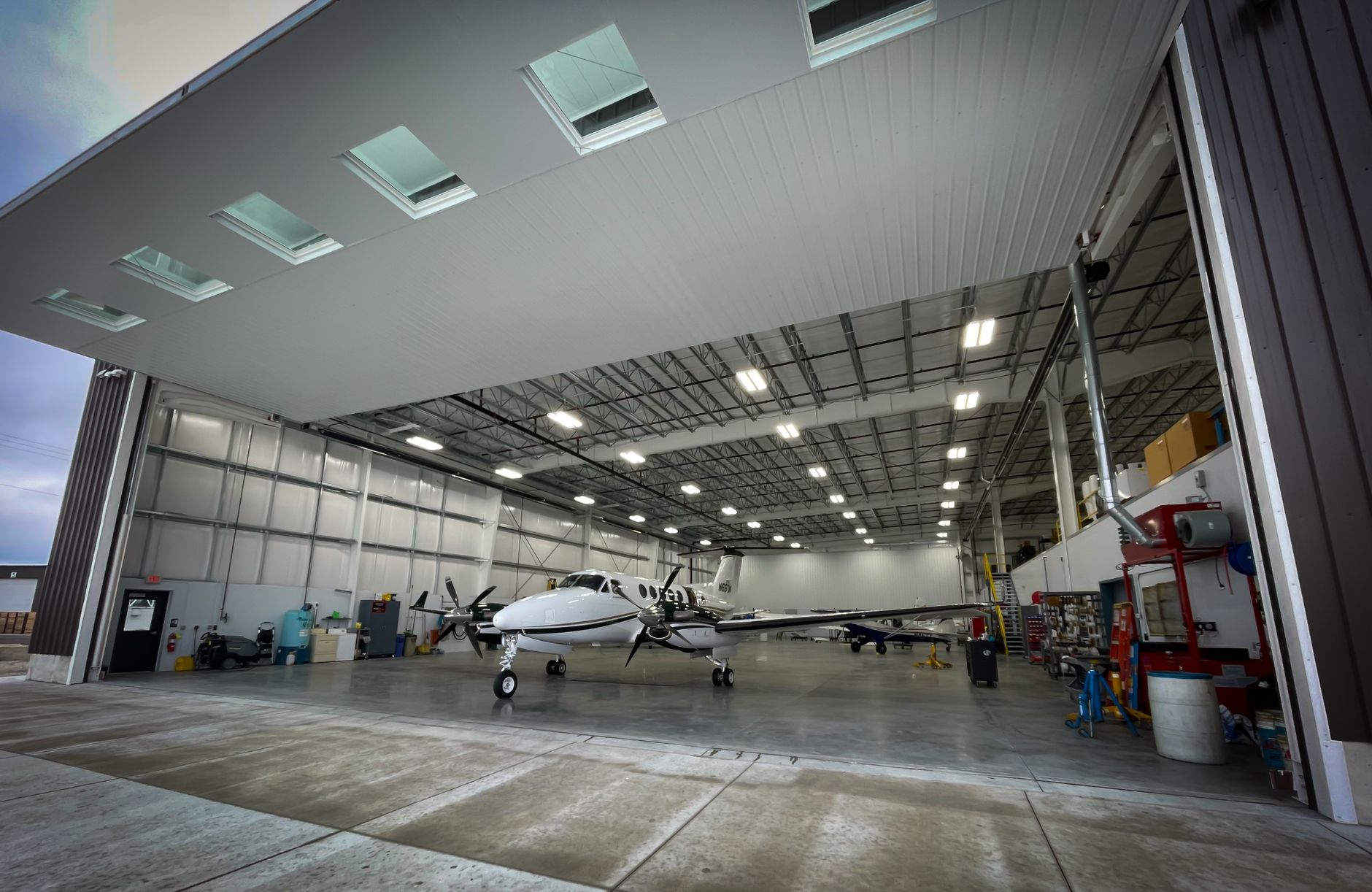
Custody starts at storage checkout. Scan the chair asset tag, scan the cart ID, and bind both to the AMR mission ID before the tug moves. At delivery, the gate attendant scans again to close the loop. If the scan fails, the robot holds at a staging mat rather than releasing the chair into a crowded gate area.
Photograph high-value accessories at checkout when your airline policy allows: cushions, custom backs, and leg rests are the items passengers report missing most often. A fixed camera on the storage dock beats a blurry phone photo in dim light.
When something arrives damaged, your log should show which segment moved the chair. That is where mishandling statistics meet operational reality. BTS publishes carrier-level tables so travelers can compare airlines; airports inherit the backlash when a chair shows up bent even if the airline owns the metric.
When are elevators safe for AMR wheelchair repositioning?
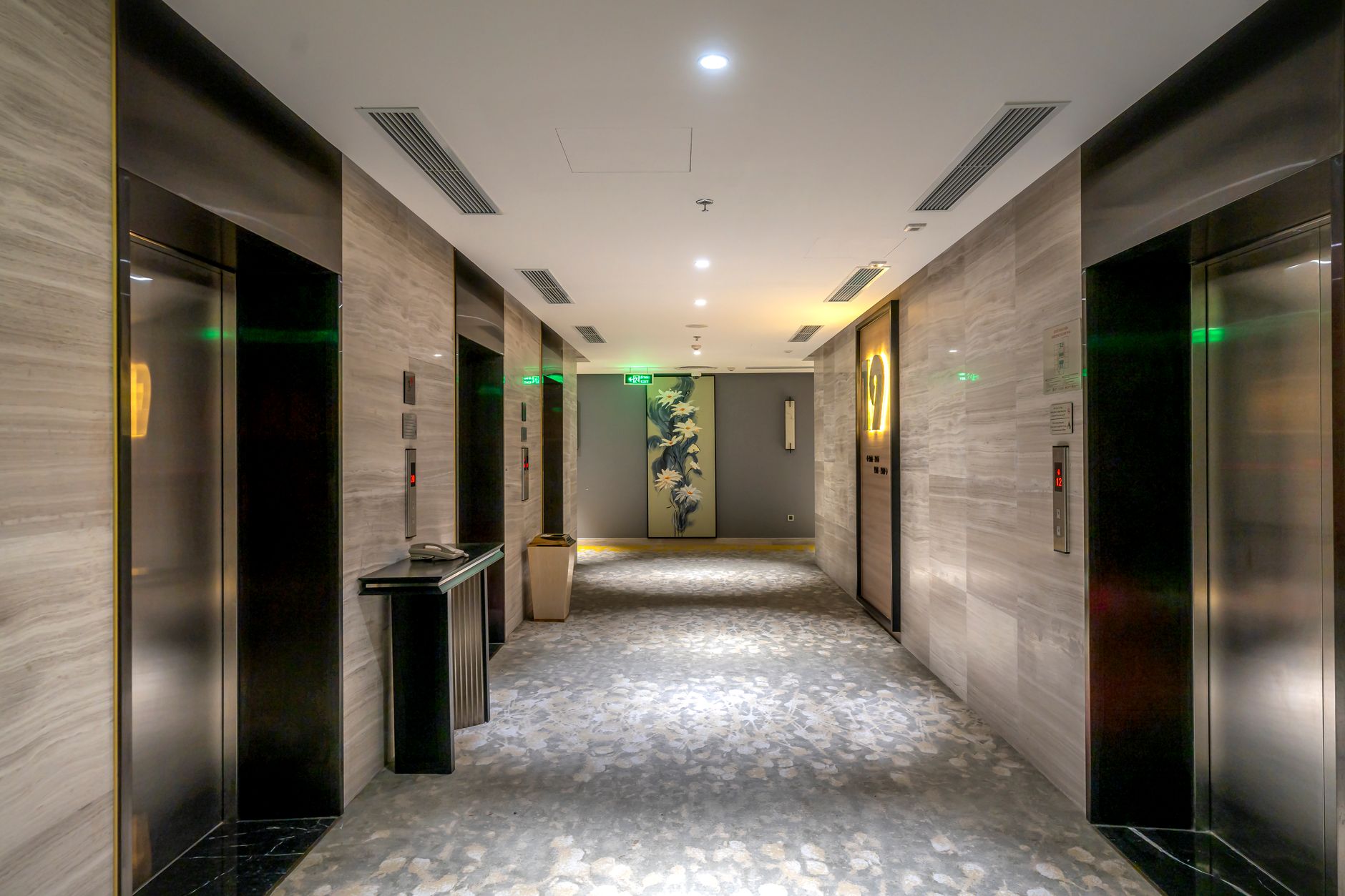
Elevators are the bottleneck. Passenger elevators during peak should stay human-priority. Service elevators, if your airport still has them accessible to ground equipment, can be reserved with a building management schedule or a simple keypad lockout tied to the robot fleet manager.
Train the robot to enter only after the cab is empty and the door dwell time is extended. Wheelchair carts are wider than meal trays; a half-open door will snag a footrest. Fire service modes and elevator modernization projects can wipe your integration overnight, so document which controller interfaces your integrator certified.
If vertical moves are rare, skip elevator automation in phase one. Let attendants ride with the cart on a dedicated freight lift while the AMR handles the long horizontal hall on the arrivals level. You still capture most of the walk reduction without betting on elevator APIs on day one.
Which tasks must stay with wheelchair attendants?
Passenger escort, transfer, and hands-on assistance stay human under DOT's strengthened ACAA expectations, including training timelines airlines must meet by mid-2026. Robots do not explain delays, do not brace a traveler during transfer, and do not decide when a passenger should switch to an aisle chair.
Occupied chair moves through public spaces should remain attendant-led at normal walking pace. AMRs excel on folded, unoccupied equipment. Security interactions, international arrivals paperwork, and unplanned gate changes need judgment a dispatch rule cannot encode.
Cleaning, minor repair, and cushion matching also stay with staff. A reposition robot should not be the same unit hauling soiled linen unless your infection control team signs off, which is a different use case entirely.
What does a sensible pilot look like before you scale AMR rental?
Pick one arrivals bank and one storage cage. Run four weeks with a shadow attendant allowed to stop the tug with a physical e-stop, not only an app pause. Measure mishandling near-misses, not just minutes saved.
Service Robot Co. approaches these pilots as vendor-neutral autonomous mobile robot rental programs with maintenance included and nationwide deployment support, so you can match cart modules to the floor you already have before you commit to a multi-concourse lease. Month to month robot rental keeps capital flexible while DOT training deadlines approach.
Promote the pilot only after custody scans hit 99 percent closure and peak-hour geofences hold without a single passenger complaint to the airport customer service desk. Then add a second concourse or extend hours into the midday bank.