Key takeaways
- One engineer can support 20 robots only when truck rolls are rare, failures are triaged remotely, and sites are standardized.
- The real constraint is not labor alone. It is geography, parts availability, and mean time to restore service.
- A cheap robot program gets expensive fast if spare units, training, and dispatch coverage were underbuilt.
- Remote diagnostics and strong preventive maintenance raise the support ratio by cutting avoidable site visits.
- Multi-site fleets usually need one partner managing finance, deployment, training, and service together, not separate vendors.
The short answer is yes, but only under specific conditions
One engineer can support 20 robots across a region. Sometimes more. Sometimes far fewer. The number is real only when the fleet is stable, the robots are doing repeatable work, remote triage catches many issues before dispatch, and each site has basic trained operators who can handle first-line recovery.
In practice, support ratio is an operations equation, not a marketing line. A fleet spread across a dense metro with shared parts, common workflows, and overnight cleaning no operator routines may let one engineer cover 20 units or more. A sparse multi-state footprint with mixed robot types, poor local training, and no spare unit coverage can push the ratio down into single digits.
That is why service headcount assumptions quietly decide the economics of a robot as a service program, a commercial robot rental rollout, or a lease rental or sale model. If the support plan is wrong, the robot may still work. The business case does not.
What actually sets the support ratio?
Four variables do most of the work. Geography sets windshield time. Fleet standardization sets how many failure modes the engineer must master. Local operator training determines how many simple recoveries become unnecessary dispatches. Remote diagnostics determines how many faults can be solved from a screen instead of a van.
Labor market math matters too. According to the U.S. Bureau of Labor Statistics, industrial machinery mechanics, machinery maintenance workers, and millwrights had a median annual wage of $63,510 in May 2024, and the occupation is projected to grow 13 percent from 2024 to 2034 with about 54,200 openings per year. That means service capacity is not an infinite input. Good field engineers are scarce, and fleets that need too many truck rolls will feel it first.
The floor-level labor backdrop is just as important. BLS says janitors and building cleaners accounted for about 2.45 million jobs in 2024, with roughly 351,300 openings projected each year through 2034. For operators considering a commercial cleaning robot rental or robot floor cleaner rental program, that turnover pressure is a reminder that service design has to assume frequent site-level staff change, not a perfectly stable crew.
Why does the field service model change the math so much?
The bluntest version of the model is one engineer, one van, one dispatch queue. That model looks adequate on a spreadsheet and then breaks in the field. Travel absorbs hours that do not fix anything. A single urgent visit can erase a full day of planned preventive work. Regional coverage looks wide until two sites fail on opposite ends of the territory.
A better model separates work into layers. Level one is local recovery by trained site staff. Level two is remote triage, log review, software checks, map resets, and guided troubleshooting. Level three is on-site dispatch for hardware faults, damaged consumables, sensors, or safety-related issues. When fleets operate this way, one engineer is protecting many more robots because the engineer is not personally touching every incident.
Travel cost is not theoretical. The IRS standard business mileage rate is 72.5 cents per mile for January 1 through June 30, 2026, and 76 cents per mile for July 1 through December 31, 2026. A region-wide support plan that depends on constant truck rolls is quietly burning margin before labor time, overtime, lodging, and service delay are even counted.
How much do remote diagnostics and preventive maintenance help?
More than most buyers model. Remote diagnostics do not just save a visit. They also improve dispatch quality. If an engineer knows the fault history, software state, battery condition, and sensor health before leaving, the odds of arriving with the right part and the right fix improve sharply.
According to IBM, predictive maintenance programs have been shown to decrease asset downtime by as much as 35 to 50 percent, and IBM also cites maintenance cost reductions of 25 to 30 percent in AI-driven predictive maintenance settings. Those figures are not robot-fleet guarantees, but they illustrate the direction of travel. Better telemetry and earlier warning reduce emergency work and raise the number of units one engineer can realistically support.
OSHA makes the same point from a safety and reliability angle. Its hazard prevention guidance calls for routine preventive maintenance of equipment, facilities, and controls to help prevent incidents due to equipment failure. In robot operations, that translates into a simple truth. A disciplined maintenance cadence protects uptime, and uptime protects the support ratio.

Why spares often matter more than adding another engineer
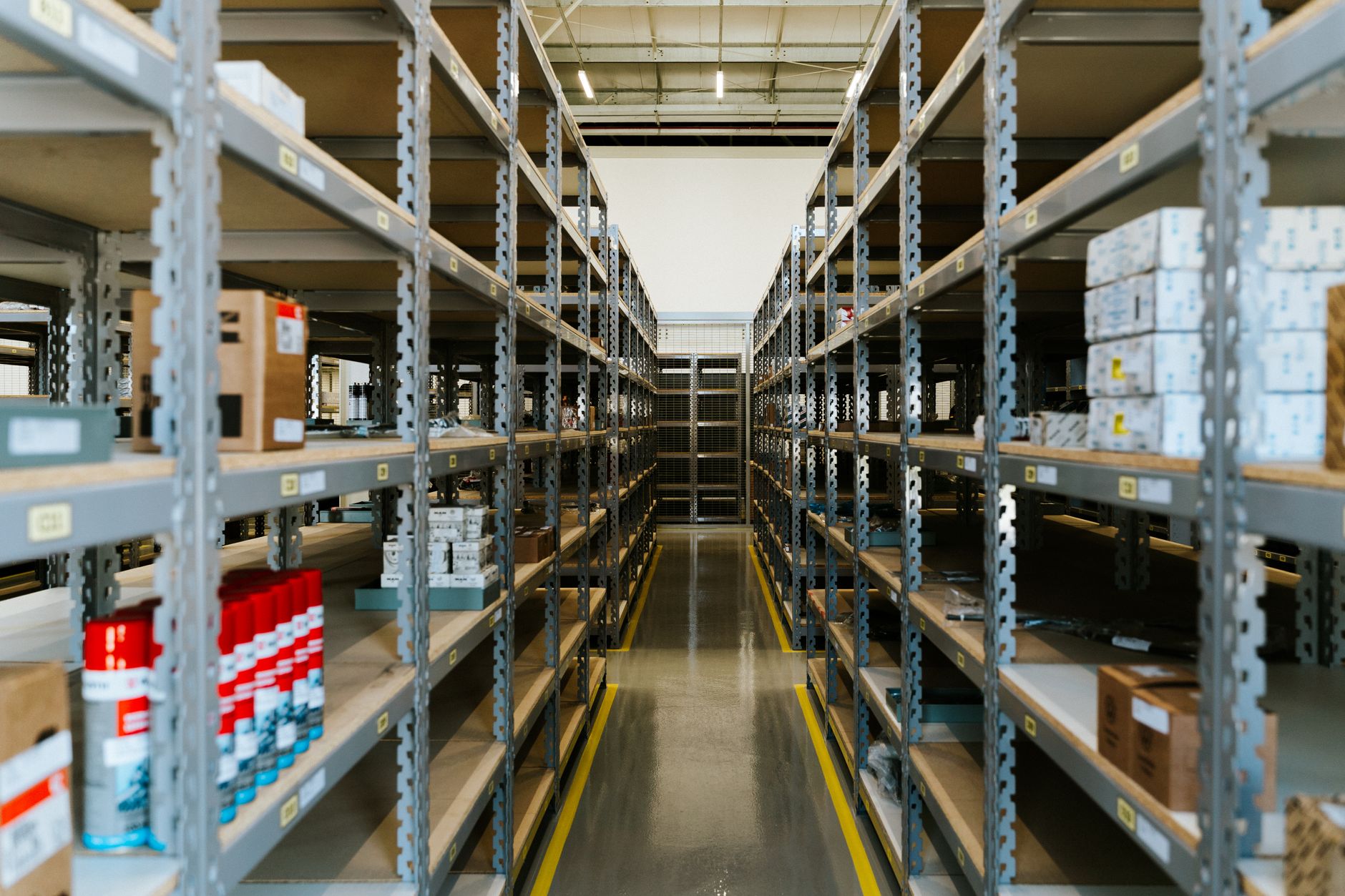
When operators try to improve support coverage, they often reach first for more headcount. Sometimes that is right. Often the faster move is a smarter spare strategy. If the fleet has no consumable buffer, no critical parts cache, and no backup robot program, every moderate fault becomes a service event with full economic consequences.
A regional fleet should think in layers of spares too. Site spares cover predictable wear items and operator-level replacements. City or hub stock covers common modules with short swap times. A loaner or emergency robot replacement pool covers major failures and protects service continuity for critical routes or overnight floor care windows.
This is where many robot leasing for business and monthly payment programs live or die. The monthly invoice may say maintenance included, but the operator should still ask what is actually stocked, where it sits, and how a failed unit is covered while repair happens. One spare unit can preserve the economics of ten locations. One missing spare can wreck a quarter.
How much training does the ratio depend on?
A great deal. The difference between a trained site champion and an untrained location is usually measured in preventable dispatches. Dock alignment, route restarts, obstruction handling, routine cleaning, battery habits, and escalation discipline sound minor until a fleet spans twenty buildings.
BLS notes that industrial machinery mechanics and machinery maintenance workers usually need at least a year of on-the-job training to reach competency. That is a useful reality check for robot programs. If the engineer role itself takes time to build, you cannot compensate by keeping every site user untrained. The fleet needs skill distributed outward, not concentrated entirely in the regional expert.
The best training programs are narrow and practical. They teach what the site must own daily, what remote triage can solve, and what truly needs on-site dispatch. For a service robot rental, warehouse robot rental, or floor scrubber monthly lease deployment, that boundary is one of the most valuable pieces of the whole rollout.
What changes when fleets are spread across many sites?
Scale makes small design flaws expensive. A single-site pilot can survive heroic support. A multi-site rollout cannot. Once fleets spread across a region, standard operating procedures, common parts, shared dashboards, and consistent escalation rules stop being nice extras and become economic infrastructure.
The market is moving that way. The International Federation of Robotics reported that professional service robot sales reached almost 200,000 units in 2024, up 9 percent, with transportation and logistics alone accounting for 102,900 units. IFR also reported that the robot as a service fleet grew 31 percent. More subscription-style fleets mean more operators will be judging programs on uptime and serviceability, not just the unit itself.
That is one reason an OEM-neutral, vendor neutral robot integrator model can matter. Service Robot Co. does not stop at placing a machine. The company can finance, deploy, integrate, train, and service every unit through a nationwide U.S. engineer network, which is exactly the structure multi-site operators need when the question shifts from can this robot run to can this fleet stay supported.
Where does Service Robot Co. fit in this economics picture?
For buyers comparing robot leasing vs buying, commercial robot rental, or a phased robot pilot program, the support ratio should be designed before the contract is signed. That means mapping territory density, uptime requirements, remote triage rules, spare unit coverage, and the local training burden before anyone promises a dispatch time or a no upfront capital deployment path.
Service Robot Co. is built around that full-lifecycle view. Because the company is OEM-neutral, it can choose the robot that fits the site instead of forcing the site to fit one vendor. Then it carries the program through deployment, integration, training, on-site dispatch, remote triage, and ongoing commercial robot repair service. For distributed fleets, one partner and one number is often the cleanest way to keep support overhead from sprawling.
That matters most in regional portfolios. A hospital group, retailer, hotel operator, or warehouse network does not just need a machine that works on demo day. It needs a service model that still works after the twelfth site, the third staffing change, and the first parts shortage.
What should an operator model before rollout?
Start with incidents per robot per month, then divide them into remote-fix, local-fix, and dispatch-required buckets. Add average miles per dispatch, average time on site, part swap rates, and the uptime penalty when a robot misses its work window. The answer will tell you more than any generic service ratio claim.
Then stress-test the model. What happens if two nearby sites fail the same week. What happens if a route change is needed at ten stores in one night. What happens if a charger fault takes a unit out before the spare arrives. Those are not edge cases. They are the real operating environment for large facility coverage, warehouse robot rental fleets, and multi-site floor scrubber for warehouses programs.
If the service plan survives that stress test, one engineer supporting 20 robots can be plausible. If it does not, the right response is not wishful thinking. It is redesigning the fleet support model before the economics are locked in.