Key takeaways
- Each layout change burns operator hours, integrator support, and lost cleaning or transport cycles.
- Holiday and event resets often happen four to eight times a year in retail and hospitality.
- Teach-and-repeat tools cut cost only when staff follow the same sequence every time.
- Contracts should cap included remaps and price extras before peak season starts.
- Pilot on one zone first so you know true hours per reset, not vendor demo time.
What are you actually paying for?
Seasonal robot remapping is the hidden operating bill behind every holiday aisle, patio furniture pop-up, and tournament concourse. The robot still runs the same hardware. The floor no longer matches the map. Someone must redraw zones, retest stops, and sign off before guests or shoppers return.
The visible invoice is often a single support ticket. The real cost stacks labor on your team, downtime while the unit sits idle, and repeat visits when a display wing was moved after the first map pass. Operators who treat remapping as free after go-live get surprised the first October reset.
According to the National Retail Federation, holiday retail sales in 2024 were projected to reach about 989 billion dollars across November and December. Stores that chase that volume move fixtures weekly. A scrubber or AMR that cannot keep pace becomes a scheduling problem, not a technology problem.
Where does labor show up first?
Internal labor is usually the largest line item. A store lead must walk the new layout with a tablet or teach pendant, drop no-go zones around temporary walls, and run validation passes at walking speed. Night crews already short on hours rarely finish that work before opening pressure hits.
Facilities teams get pulled in when displays cover vents, floor drains, or elevator thresholds the robot used as landmarks. Someone must move gondolas, not just redraw software. That coordination is meetings and email, which never appear on the robot invoice but still cost the site.
Training drift makes it worse. If only one person knows how to remap, vacation and turnover stall resets. Documented SOPs and cross-trained leads cut repeat integrator trips more than any feature checkbox on a brochure.

How much downtime should you expect?
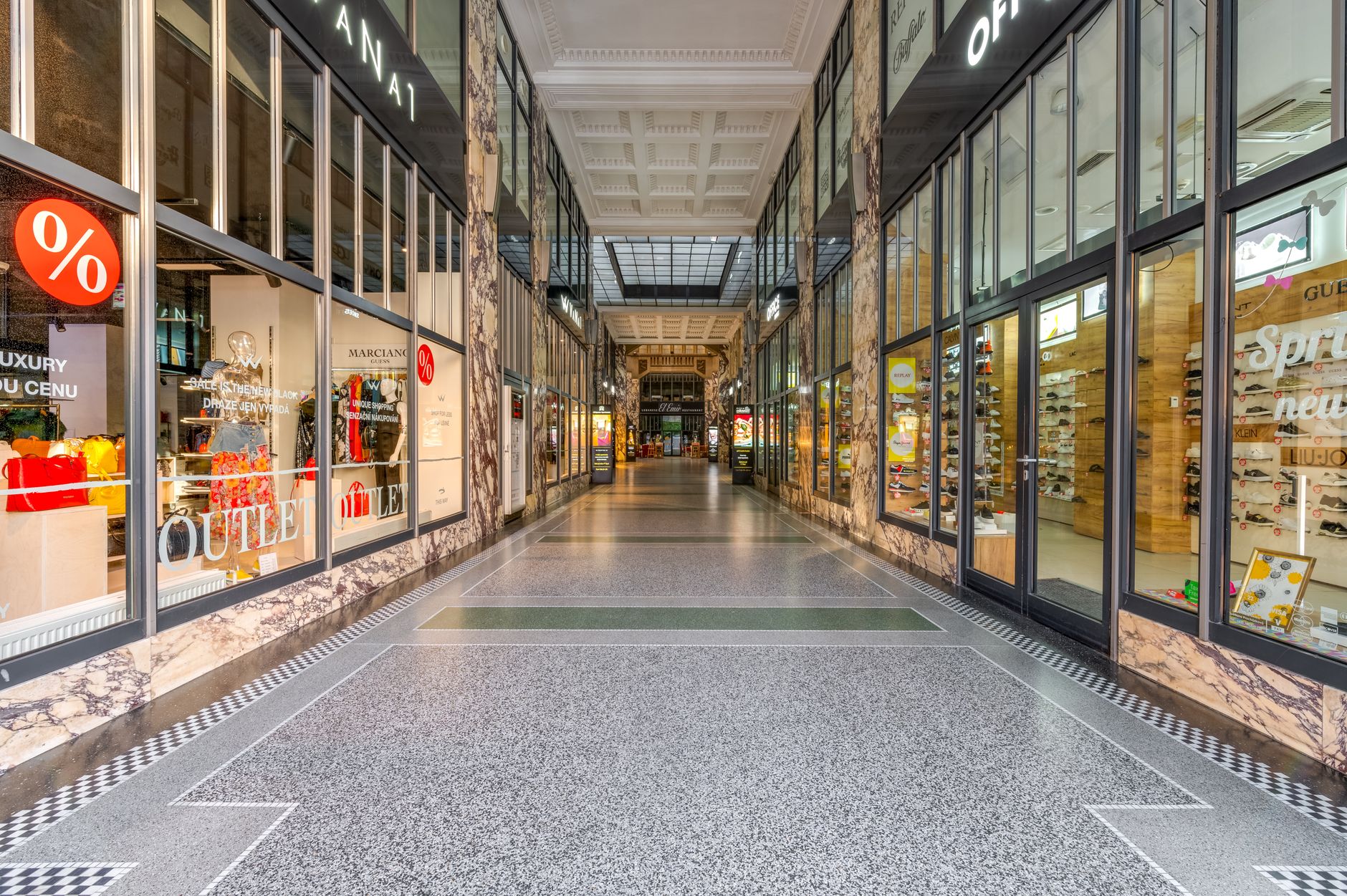
A conservative retail reset might park a cleaning robot for one full night while maps update and dry runs complete. Busy grocery stores may only tolerate a four-hour window, which forces partial maps and higher exception rates the next week.
AMR routes that cross receiving and sales floors face stricter timing. You cannot remap while forklifts and pallet jacks are active. Seasonal inventory pushes often overlap the only quiet window you had in spring.
Downtime cost is the tasks the robot did not finish: uncleaned square footage, unpulled totes, unmade patrol loops. Finance rarely captures it until guest complaints or audit scores move.
What does testing and safety sign-off add?
Remapping is not done when the map saves. You still need obstacle detection checks at kid height, glass entrances, and cliff edges near loading docks. Seasonal displays introduce fragile materials and protruding signs that lidar sees late.
Speed limits often drop after a major layout change until a supervisor watches a full cycle. That throttle cuts effective productivity even when the robot is technically online.
Sites with public traffic may require a second person as spotter during validation. That doubles labor for the test window and should be in the budget before Black Friday, not after.
When do support tickets pile up?
Integrator support hours spike when maps are edited without version control. A well-meaning night manager deletes a zone to get the robot moving, then forgets to restore it when displays come down. Remote triage can fix some flags, but on-site dispatch still happens on tight timelines.
Software subscriptions sometimes include a fixed number of remote map assists per year. Exceed that pool and remapping moves to time-and-materials rates during the busiest weeks vendors schedule first.
Service Robot Co. often bundles a defined number of seasonal remap assists into month to month robot lease pilots so operators know the cap before peak. Extra events beyond the cap are priced up front, which keeps tournament weeks and surprise pop-ups from becoming emergency spend.
Which tools change the math?
Feature-based mapping that recognizes walls and fixtures can shorten resets when the building shell stays stable and only merchandise moves. It fails when someone builds a full enclosed gift shop in the lobby.
QR or beacon guided AMRs trade flexible navigation for faster reorientation when aisles shift but the tag grid stays valid. Cleaning robots with teach-and-repeat paths help only when the crew runs the same sequence in the same order every night.
Fleet software that stores seasonal map versions lets you roll back to last year’s December layout instead of rebuilding from scratch. The savings are real when your holiday footprint repeats annually.
How should contracts budget remapping?
Ask vendors how many map updates per year are included, who performs them, and response time during November. Get the answer in writing, not in a demo script.
Separate capital maps from operational remaps. Initial deployment mapping is a project cost. Fourth of July patio furniture is operating expense and should sit in the same bucket as extra porter hours.
According to the International Federation of Robotics, global industrial robot installations reached about 542,000 units in 2024. Service robot fleets in stores and hotels follow the same lifecycle pressure: hardware scales faster than floor discipline, so remapping budgets belong in the annual plan, not the surprise line.
- Count how many major layout events your site runs per year.
- Time one full remap with internal staff, not integrator demo staff.
- List landmarks that disappear when displays arrive.
- Define who approves speed increases after validation.
What does a sane annual plan look like?
Build a calendar that ties robot remaps to visual merchandising dates, not only holidays. Include reverse resets when displays come down, or maps stay shrunk until spring.
Hold a thirty-minute pre-season huddle with facilities, retail ops, and whoever owns the robot. Agree on no-move zones around docks and fire lanes before anyone builds a snow globe village in the main aisle.
Track exceptions per thousand square feet after each reset. Rising counts mean the map or the SOP failed, not that staff need to walk faster.