Key takeaways
- Payback lives in sustained cases per hour at the pick face, not in a glossy demo cycle with perfect cartons.
- Mixed inbound SKU, torn cases, and condensation punish vision unless you budget re-teach time and human assist lanes.
- BLS puts wholesale trade hand labor near $39,780 median annually, so labor savings need shift coverage math, not hero assumptions.
- OSHA case-picking guidance favors cases under 35 pounds and better pallet height, which changes how much a cobot can legally own.
- A vendor-neutral integrator should tie the cell to your real WMS cadence, sanitation windows, and spare-unit plan before you sign.
When does a depalletizing cobot actually pay back?
For most regional food distributors, case depalletizing pays back only when the cobot cell sustains a downstream rate your pick module can absorb across an entire inbound wave, not during a cherry-picked pilot lane. The opening question is not whether a robot can lift a case. It is whether the cell keeps cases per hour stable when label orientation, carton damage, and partial layers vary shift to shift.
A practical payback model starts with loaded labor cost for the hand roles you would reassign, then subtracts the labor you still need for exceptions, sanitation, and layer resets. According to the U.S. Bureau of Labor Statistics, the median annual wage for hand laborers and material movers was $37,680 in May 2024, and wholesale trade workers in that group earned a median of $39,780. Those figures set the ceiling for savings unless you can redeploy people into higher-value tasks you already struggle to staff.
Finance the cell like production equipment. Lease or robot-as-a-service monthly structures can track seasonal produce spikes, but the ROI case still needs maintenance, vision updates, and integration hours in year one. Service Robot Co. models deployments that way as a full integrator, with one partner for select, finance, deploy, train, and nationwide service.
What belongs in the numerator of your payback model?
Start with measured cases per hour at the depalletizing station today, split by shift and by supplier quality tier. Capture how often a receiver stops to restack, cut away crushed corners, or rotate labels before the case reaches the conveyor. Those micro-stops are where cobot ROI is won or lost.
Add overtime and temp labor you buy to clear morning trailers before store cutoffs. If two receivers float between doors, your model should show what happens when one lane is robotic and the other is not, including the supervisor time spent balancing both.
Include injury and ergonomics risk even if you do not put a dollar figure on every strain. The Bureau of Labor Statistics reported 25,110 musculoskeletal disorder cases with days away from work among laborers and freight, stock, and material movers in 2018, one of the highest counts of any occupation. Transportation and warehousing posted a 77.1 MSD incidence rate per 10,000 full-time workers that year. Fewer heavy lifts at the pallet face can shrink that exposure even when headcount stays flat.
How should SKU variability change your assumptions?
Food distributors rarely see a single case footprint for a month. Mixed produce, dairy, dry grocery, and beverage suppliers ship different case sizes, slip sheets, and wrap patterns on the same dock. Vision systems that work on uniform retail packs may stumble on waxed produce boxes or sagging overwrap.
Model at least three SKU bands: stable retail cases, medium-variation seasonal packs, and high-chaos promotional displays. Assign expected success rates and human assist minutes per band instead of one global cases-per-hour number.
Plan remap and teach time when suppliers change case graphics or when you onboard a new private label. Seasonal robot remapping costs belong in the same spreadsheet as software seats and gripper wear. If you cannot name who owns remap requests internally, the cell will idle while arguments continue.
Where do damaged cartons break the economics?
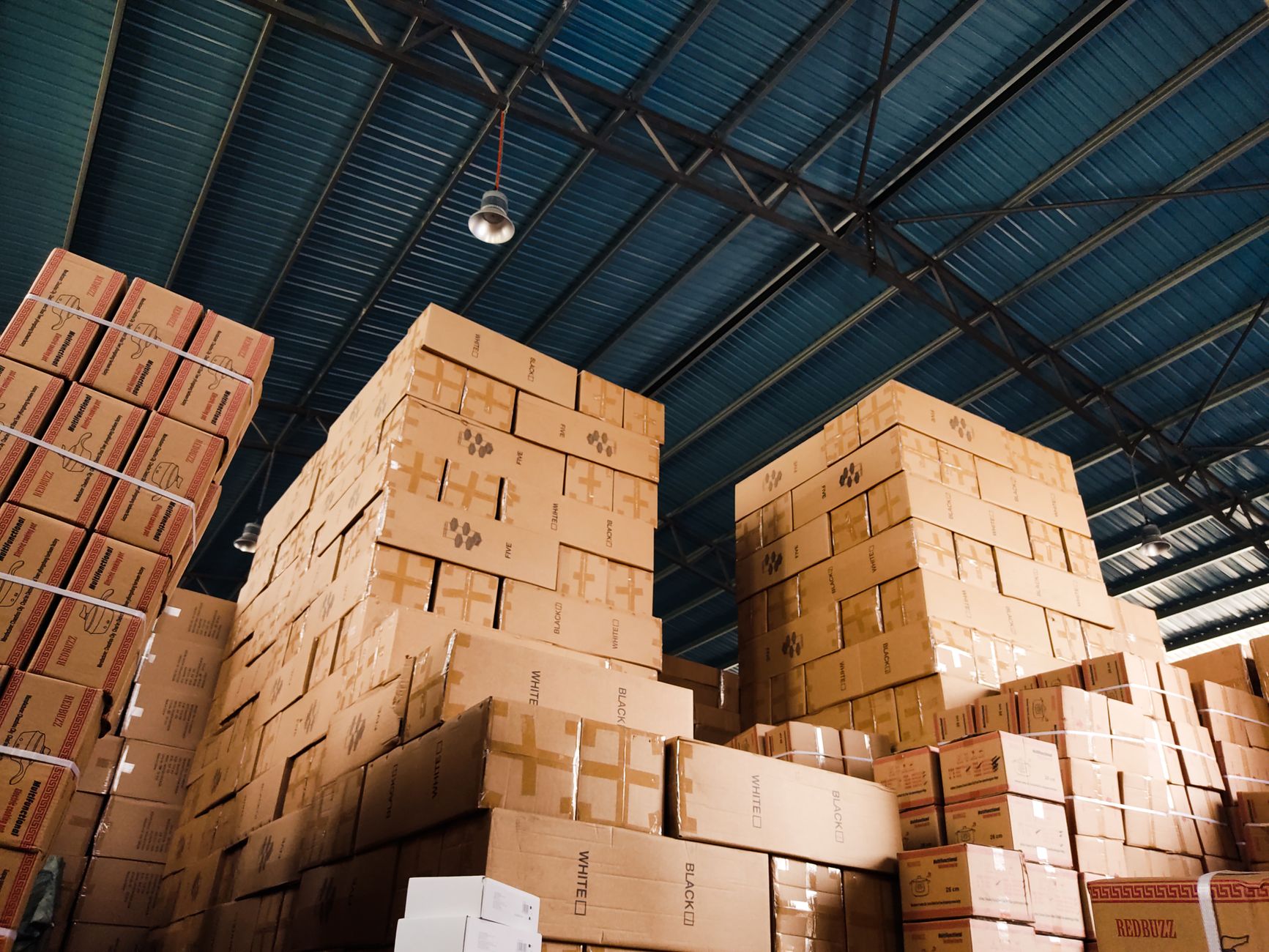
Crushed corners, wet cases from condensation, and partial layers are normal at food docks, not edge cases. A cobot that pauses for every torn flap forces a receiver back to the pallet, which destroys the rate assumption you sold to finance.
Your payback model needs a rejected-case path: scan, divert, and human rework without stopping the entire inbound line. Budget throughput loss when damage rates spike after long hauls or freezer-to-dock transitions.
Gripper choice matters as much as vision. Vacuum cups on damp beverage cases behave differently than finger grippers on rigid cracker cartons. Pilot both on your worst pallets, not your best.
- Track damage rate by supplier and lane before you automate
- Define maximum case weight per lane using OSHA case-picking guidance
- Keep a manual depalletizing bay for disaster pallets without shutting the cobot cell
What sanitation and food-safety rules constrain the cell?
Regional distributors serving retailers and foodservice accounts face sanitation windows, allergen segregation, and documentation expectations that a cobot must fit, not fight. Washdown schedules, chemical compatibility, and nightly wipe-downs add labor back into the model.
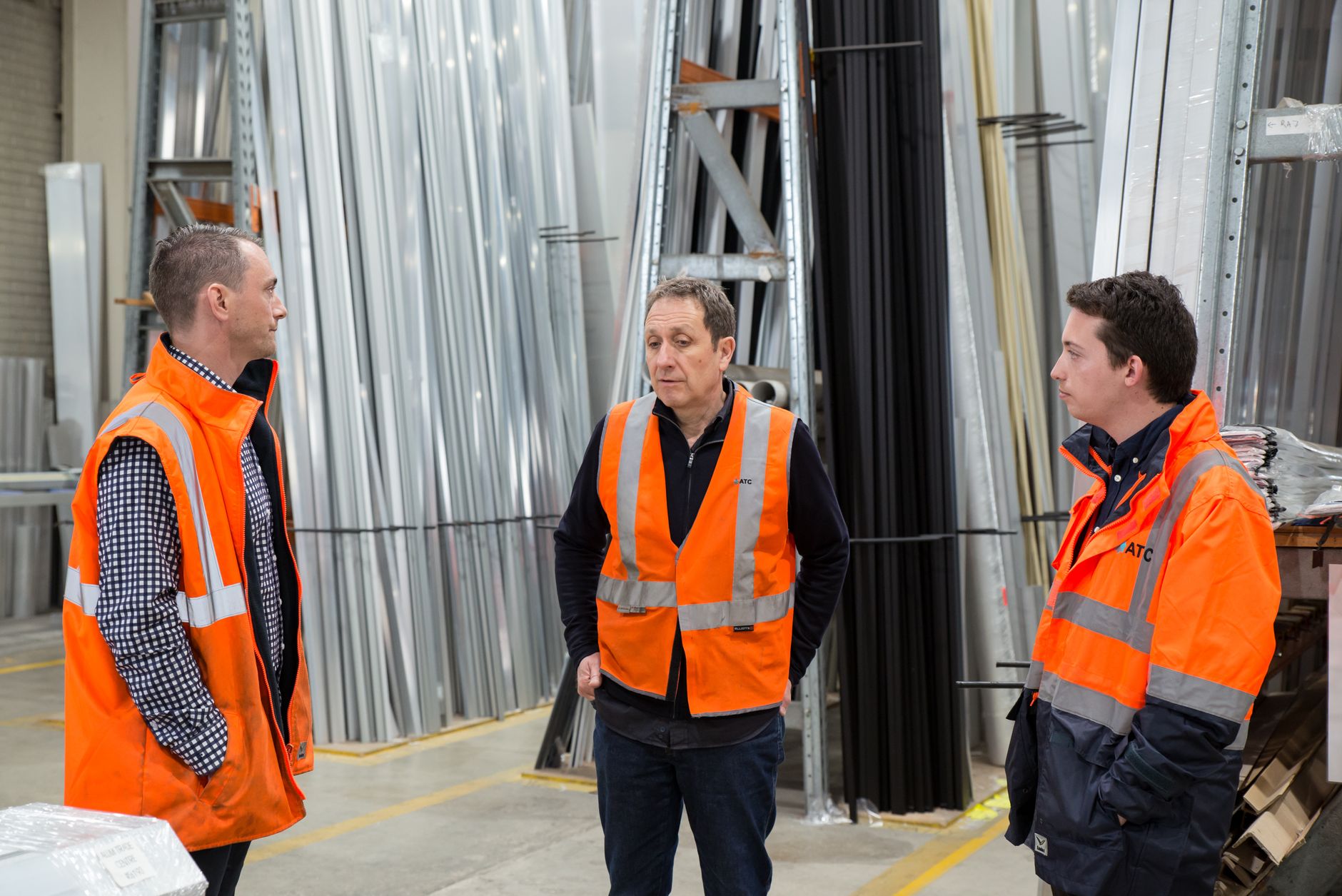
OSHA warehousing guidance for case picking notes cases can weigh from a few pounds to over 100 pounds and recommends reducing case weights to 35 pounds or less where possible, raising pallets for lifts between knee and mid-chest, and using mechanical stretch wrap instead of manual wrapping. Those rules shape how much of a mixed pallet a cobot should touch versus what stays manual.
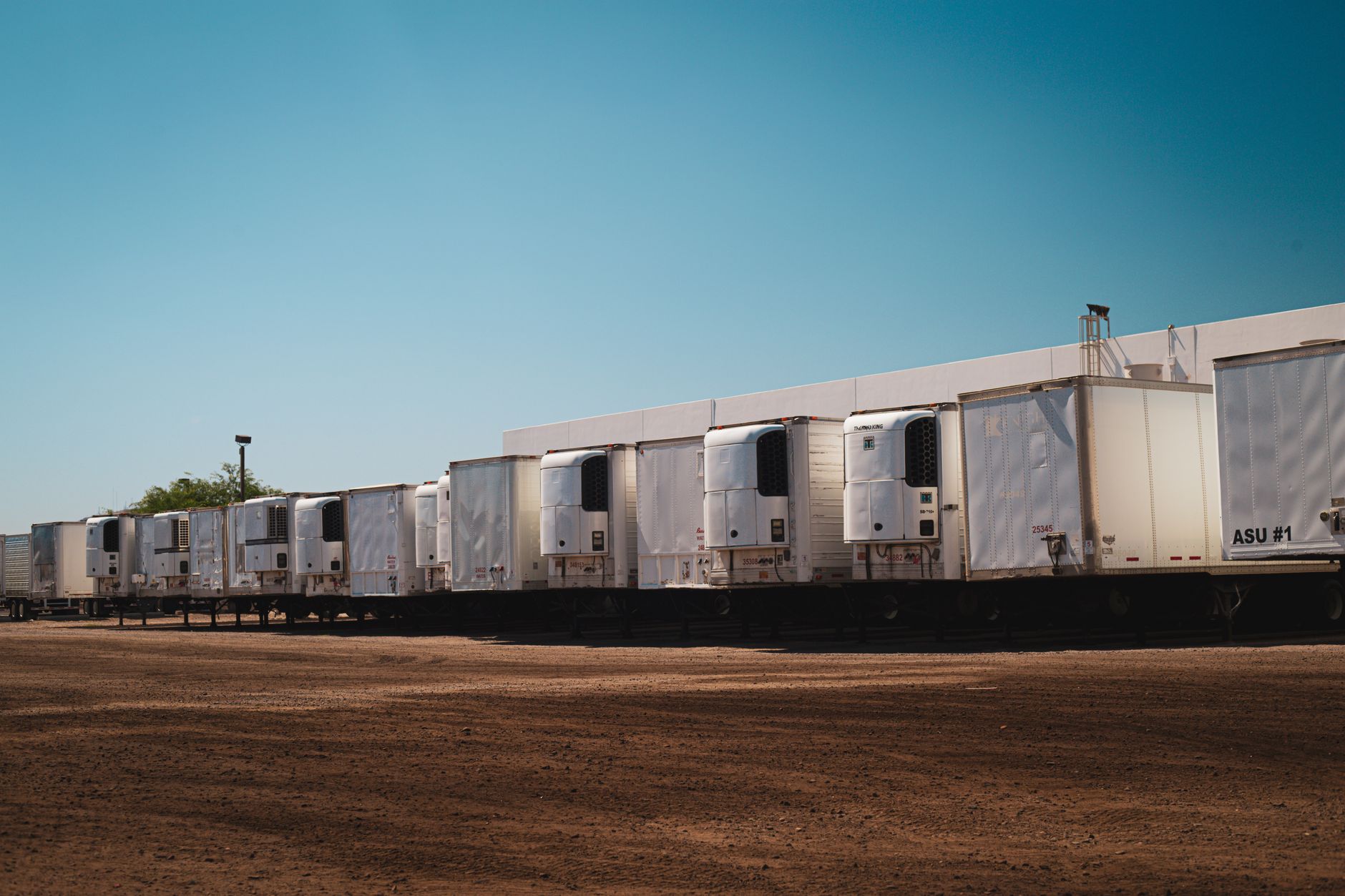
If the cell sits between a refrigerated trailer and a ambient pick module, condensation and floor water affect both traction and vision. Budget heated lens covers, drip trays, and defined stop-work rules when floors are unsafe.
How do labor availability and retention alter ROI?
Hand labor pools are large nationally yet tight locally on night shifts. BLS counted about 6,950,000 hand laborer and material mover jobs in 2024 with 258,400 openings projected from 2024 to 2034. A distributor in a small market may pay above median to keep receivers who know vendor pallet patterns.
Automation ROI often shows up as shipped cases on time, not as a pink slip. When you cannot hire a second shift, a cobot cell that holds steady throughput on stable SKUs may be the difference between accepting or refusing a new retail account.
Training time matters. Receivers who understand vendor quirks become robot coaches. Budget two to four weeks of paired runs before you measure payback on live freight.
What downstream rate must the cell sustain?
Depalletizing is only the throat of the building. If pick modules, ASRS injects, or cross-dock sortation cannot absorb cases, you automate a bottleneck that backs up into the yard.
Map cases per hour from pallet face to pick confirmation. Include conveyor gaps, label scans, and weigh checks. The cobot should be sized to the slowest downstream step you refuse to upgrade in the same capital year.
Run the model at peak inbound, not average Tuesday volume. Food distributors live on promotional weeks and holiday builds. A cell that clears pallets quickly in March may choke in November unless you stage overflow lanes.
How should you phase pilot, lease, and scale?
Pilot one door with the messiest supplier mix you tolerate today. Record exceptions per hundred cases, not just cycle time on perfect pallets. Convert pilot data into lease or purchase only when exception rates have owners and playbooks.
Month to month robot lease options help seasonal produce distributors scale up for summer and down in winter without parking owned assets. Pair leases with a backup robot program or loaner clause so a single fault does not idle the dock.
Service Robot Co. stays vendor neutral so the gripper, vision kit, and cobot base match your pallets rather than a catalog photo. Nationwide service coverage matters because food distributors run nights and weekends when integrator phone trees often go dark.
What does a one-page payback summary look like?
Rows: shifts covered, cases per hour manual vs cobot-assisted, exception minutes, labor rate from BLS medians adjusted for your market, lease or capital payment, integration and training, maintenance and vision updates, and downtime reserve.
Columns: base case, pessimistic damage week, and promotional peak. If only the base case pays back, you are not ready.
Decision rule: proceed when pessimistic case still clears your hurdle within the contract window you can service, and when downstream systems have been stress-tested on the same SKUs.