Key takeaways
- One dock is enough when the robot has long idle windows and short daily travel.
- Add a dock when queue logs show repeated waits or robots deadheading across the building to charge.
- Multi-robot sites need redundancy when a single charger outage would idle the whole fleet.
- Opportunity charging only works if stops are long enough and electrical capacity is real.
- Track minutes lost to charging, not only kilowatt-hours, when you build the business case.
When is one charging dock still enough?
A second robot charging dock pays off when the cost of waiting, traveling, or losing coverage exceeds the install price. If you run one autonomous scrubber on a night-only schedule with a long midday idle window, a single home dock at the janitor closet is usually fine. The unit finishes its route, returns once, and sits full before the next shift.
Single-dock math breaks when utilization climbs. That happens with two or more mobile units, twenty-four hour scrubbing, or delivery loops that cannot pause for a twenty minute charge without missing a handoff window. At that point the question is not whether batteries last all day. It is whether any charger is free when the robot needs it.
How do you measure travel and queue time?
Pull four weeks of fleet logs before you buy hardware. Mark every charge event with three numbers: minutes spent driving to the dock, minutes waiting because another robot occupied it, and minutes off task while plugged in. Those three lines tell you if the problem is distance, congestion, or slow charging.
Research on autonomous mobile robot fleets published through the National Science Foundation highlights that limited charging stations create queuing that turns into task downtime when coordinators do not plan access. Your spreadsheet should show the same pattern: spikes at shift change, after lunch rush, or when two scrubbers finish oversized routes at the same hour.
If deadhead travel alone eats more than ten percent of a shift, a strategically placed second dock often costs less than enlarging batteries on every unit. Place the candidate dock where routes naturally pause, such as a receiving office, linen cage, or guard desk, not only where power was easy to pull during the pilot.
What does queue congestion look like on a live floor?
Congestion is subtle at first. Supervisors see robots circling near the charger instead of picking up the next job. Night leads start holding units in hallways so a scrubber can finish its water dump before the dock frees up. Those habits mean you are already paying for a second dock in labor minutes.
Facilities with enough total charger capacity on paper still stall when arrivals bunch up. Industry guides on opportunity charging note that fleet management must weigh state of charge, workload, and charger availability together. Without that coordination, three robots can queue on one port even when a spare charger sits unused on another wing because nobody mapped the traffic pattern.
Run a one-week experiment: log every instance where a robot waited more than two minutes with state of charge below your critical threshold. If that happens more than once per robot per shift, model a second dock before you add a third mobile unit.
How much failure exposure does a single dock create?
A lone dock is a single point of failure. A tripped breaker, a flooded closet, or a bent contact pin can idle every robot that depends on that room. Multi-robot leases amplify the pain because you still owe monthly payments while carts sit manual.
Redundant docks do not need to be identical. A primary high-power dock at the maintenance shop plus a secondary opportunity pad near the production line can keep one unit running while technicians repair the main station. The goal is continuity, not symmetry.
Document which routes must stay live during an outage. Hospitals may accept paused meal delivery for an hour but not an idle scrubber during a Joint Commission walkthrough. Security patrol robots may need a hot spare battery swap path if docks fail during a holiday weekend.
What installation costs hide in the quote?
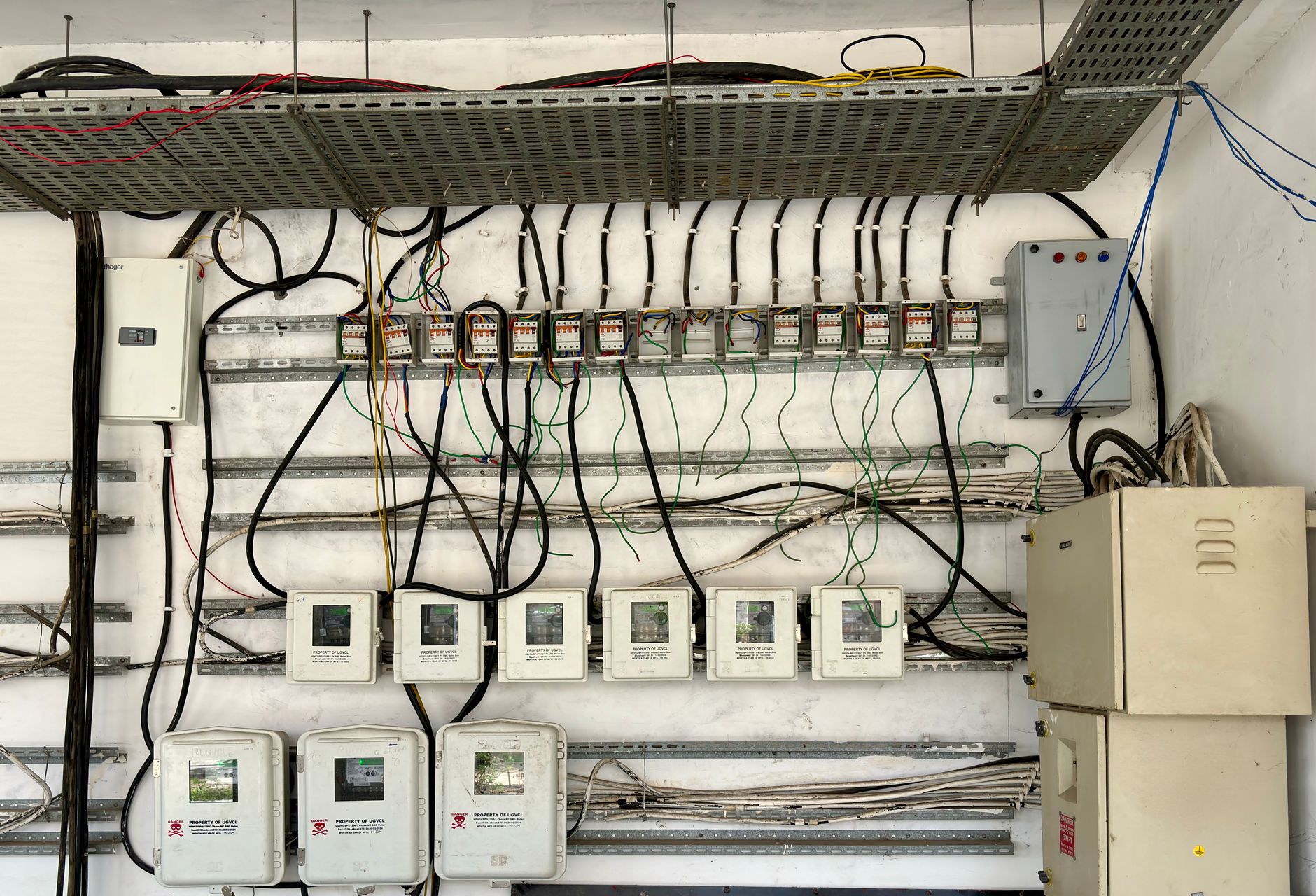
Second docks bill more than the pedestal price. Budget conduit runs, network drops, floor cuts for wireless pads, and permit photos for fire marshals who worry about cable paths in egress corridors. Elevator lobbies and freezer-adjacent docks add heat and condensation reviews.
Electrical capacity matters as much as floor space. Two fast chargers on the same panel as an aging HVAC lift can nuisance-trip breakers and look like robot faults. Have an electrician measure sustained load during peak charge, not only nameplate amps on the spec sheet.
Software configuration is the other half. Each dock needs a clear ID, priority rules, and geofence so robots do not fight for the same approach lane. Skipping that step turns a capital purchase into an expensive parking block.
When does opportunity charging replace a second dock?
Opportunity charging tops up batteries during natural pauses instead of sending robots on long homeward trips. A 2025 automotive kit-cart deployment in Mexico documented three to four minute handover stops that also feed power through an embedded floor system, avoiding separate charging zones.
That model works when stops are predictable and long enough for a meaningful amp transfer. It fails when pickers wave robots through in ninety seconds or when docks share space with pedestrian crossings. Match the tactic to the pause, not the brochure.
Academic work on electric autonomous mobility fleets also shows diminishing returns after a certain number of charging points: extra stations help until routing absorbs the gain. Measure your site before you assume more metal in the floor solves every range issue.
How should multi-robot sites assign docks?
With two robots and one dock, assign priority by task tier: stat courier beats bulk trash, overnight scrubbing beats optional polish. Write those tiers down before go-live so night staff are not negotiating in chat apps.
With two robots and two docks, split by zone or by robot class. Cleaning robots home to the north dock while AMRs use the south dock closest to the warehouse aisle. Shared docks are possible but require strict scheduling to avoid the queue spikes you were trying to remove.
Three or more robots usually need both redundant docks and coordinated opportunity windows. At that scale, robot rental monthly programs should include a spare charger module in the service plan so a failed contact does not idle the entire lease.
What should a decision memo include?
Summarize peak concurrent robots, longest deadhead minutes, queue counts, and one outage scenario cost. Add photos of the proposed dock locations with clearance dimensions for maintenance staff.
List assumptions you will revisit in ninety days: battery health, detergent consumption, and whether a remodel will move the receiving door. Charging strategy should survive a furniture reset without another capital ask.
How can an integrator de-risk the second dock?
Service Robot Co. maps travel during the free site assessment, models queue risk before you sign a month to month robot lease, and installs docks with the same nationwide service number that handles remote triage on the robots themselves.
We stay vendor neutral, so dock placement follows your floor plan rather than a single OEM footprint. If logs show the second dock underused after a quarter, we reassign it or resize the fleet instead of letting idle hardware collect dust.