
Key takeaways
- Yes, multi-function robots can clean both carpets and hard floors, but often with performance tradeoffs compared to specialized units.
- Hybrid robots are best suited for smaller facilities with light debris, like offices or retail spaces with mixed flooring.
- Large facilities with heavy traffic or specific debris types often achieve better results with a fleet of specialized vacuum and scrubber robots.
- The choice between a hybrid and specialized strategy depends on your facility's size, floor types, soil level, and operational goals.
- Partnering with a vendor-neutral integrator ensures you get the right robot for your specific floors, not just what one manufacturer offers.
The Short Answer: Yes, But With Important Tradeoffs
Yes, a single commercial cleaning robot can be equipped to handle both carpeted surfaces and hard floors. These hybrid, or all-in-one, machines combine functions like vacuuming, sweeping, and scrubbing into one autonomous platform. The appeal is obvious: one machine to purchase, manage, and maintain for a whole facility.
These multi-function robots are engineered to be versatile. They can automatically adjust suction for carpets or deploy scrubbing brushes and squeegees for hard surfaces like tile or polished concrete. For many smaller facilities with mixed flooring and light to moderate foot traffic, this approach can be a practical starting point for automation.
However, this convenience comes with significant tradeoffs. In the world of commercial cleaning, specialization often leads to superior performance. A machine trying to do everything may not do any single task as well as a dedicated unit. The decision between a single hybrid robot and a fleet of specialized machines is a strategic one, with major implications for cleaning quality and operational efficiency.
What Are Multi-Function Cleaning Robots?
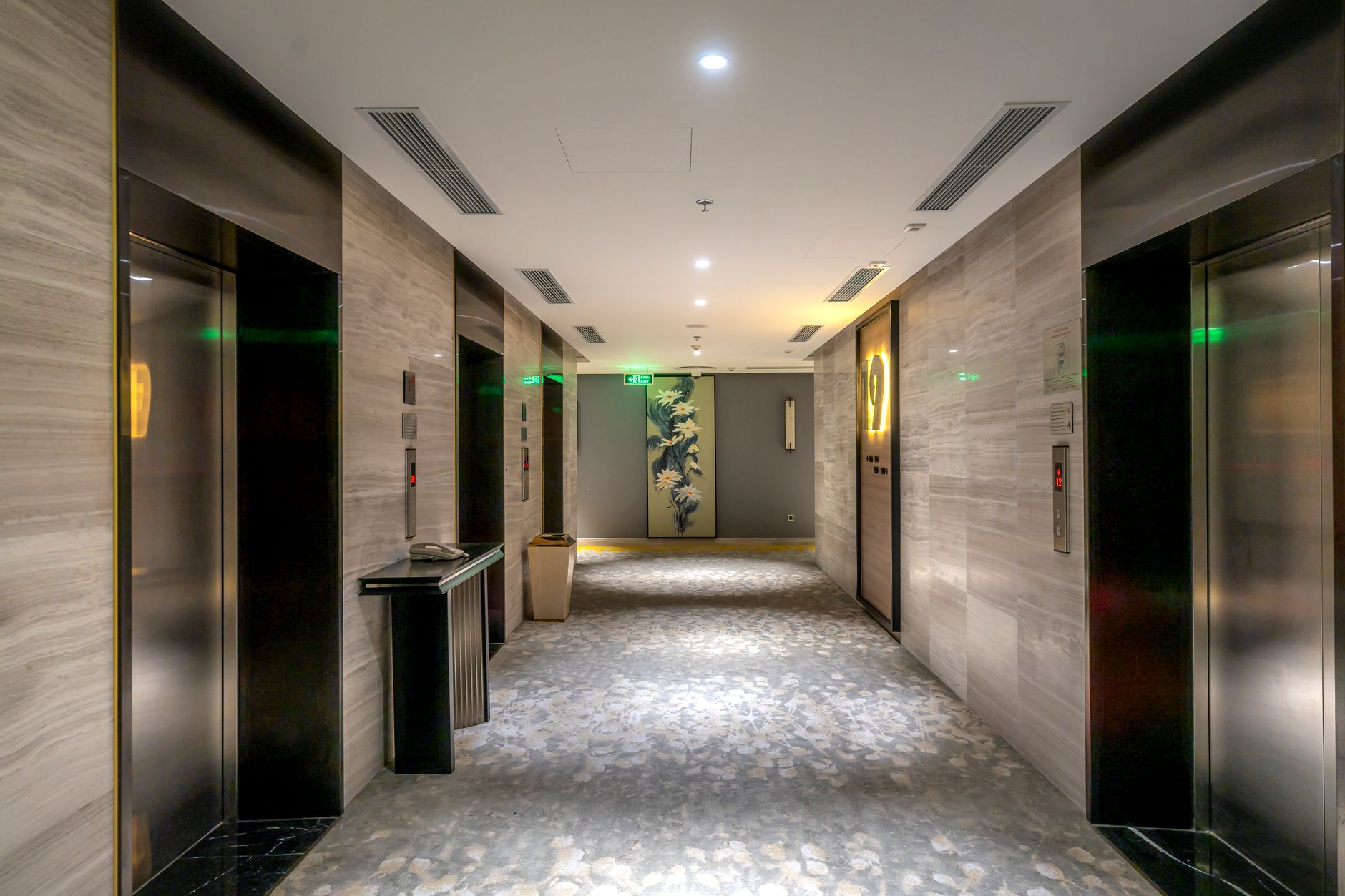
Multi-function cleaning robots are designed to be the jack-of-all-trades for floor care. They integrate multiple cleaning systems into a single chassis. A typical all-in-one unit might include a vacuum motor, a roller brush for agitation, a water tank for scrubbing, and a squeegee for drying.
The core technology relies on advanced sensors and software. Using LiDAR and 3D vision systems, the robot maps the environment and can often identify the floor type it is on. This allows it to switch modes automatically, for instance, lifting the scrubbing deck when it moves from a vinyl composite tile hallway onto a carpeted lobby.
The primary advantage is process simplicity. For a hotel, small office, or retail store, deploying one robot that can handle the entire floor plan overnight without manual intervention is an attractive proposition. It reduces the need to purchase and manage separate autonomous vacuum and scrubber units.
How Do Hybrid Robots Perform on Different Surfaces?
On carpet, a hybrid robot’s performance depends entirely on its vacuum system. The best models use a roller brush to agitate carpet fibers and a strong motor to provide suction. For low-pile commercial carpets in areas with light debris, their performance can be quite good for daily maintenance.
On hard floors, these robots switch to scrubbing mode. They release cleaning solution, scrub the floor with brushes or pads, and then collect the dirty water with a rear-mounted squeegee. This is effective for light daily cleaning of spills and scuffs. Some advanced models can sweep up small debris just before they scrub.
The compromise is built into the design. To accommodate both functions, the internal components are necessarily smaller. Water tanks are more limited, and dustbin hoppers have less capacity than their specialized counterparts. This can limit their effectiveness and runtime in larger or dirtier environments.
The Case for a Specialized Robot Fleet
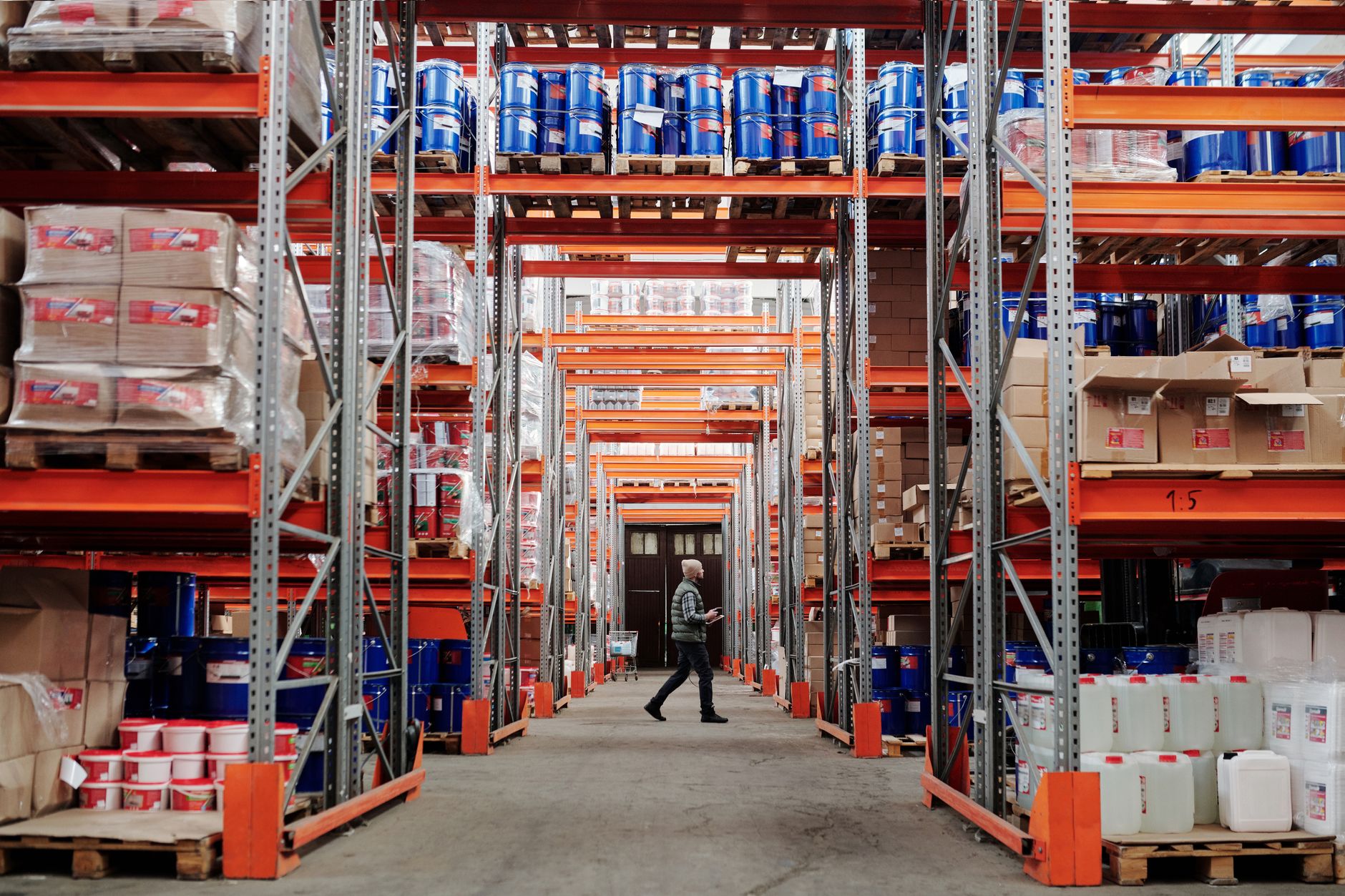
For large facilities, high-traffic venues, or industrial settings, a specialized fleet is almost always the more effective strategy. Specialization allows the hardware to be optimized for a single, specific task, leading to deeper cleaning and greater durability. There is no compromise in design.
An autonomous commercial vacuum is built for one thing: maximum suction and debris removal from soft surfaces. Its entire design, from airflow pathways to filtration systems, is focused on pulling dust and dirt from carpet fibers. It has a large capacity for dry debris and is often more agile for navigating furnished spaces.
Likewise, an industrial floor scrubbing robot is a heavy-duty machine engineered for one purpose: to aggressively clean hard floors. It features large water tanks, powerful brush motors, and significant down-pressure to remove stubborn grime. It can cover vast areas like warehouse floors or airport terminals far more efficiently than a smaller hybrid unit.
Which Environments Suit Each Approach?
Choosing the right strategy means matching the robot to the reality of your floors. The division is often based on facility size and the type of soil.
A hybrid, all-in-one robot is often a good fit for:
A specialized fleet of dedicated robots typically provides better results in:
The core issue is that heavy debris and deep cleaning require different physics. A hybrid machine may struggle with the mud and salt common in seasonal climates, while a dedicated scrubber is built for exactly that. Similarly, a dedicated vacuum will outperform a hybrid on plush carpets every time.
- Offices or corporate campuses under 20,000 square feet.
- Retail stores with a mix of hard aisles and carpeted sections.
- Healthcare clinics or smaller hospitals.
- Facilities where convenience outweighs the need for maximum deep-cleaning power.
What is the Total Cost of Ownership?
The initial purchase price for a single hybrid robot may seem lower than buying two specialized machines. However, Total Cost of Ownership (TCO) tells a more complete story. TCO includes not just the initial acquisition but also consumables, maintenance, and potential downtime over the robot's life.
For a specialized fleet, while the initial capital outlay is higher, the machines are often more robust. Because they are designed for specific, heavy-duty tasks, their components may last longer under stress, potentially leading to lower long-term repair costs. Annual service plans typically range from 10% to 15% of a robot's purchase price.
Conversely, a hybrid robot doing double duty may experience more wear on its multi-purpose systems. A single point of failure, such as a problem with the scrubbing system, could render the entire machine's vacuuming function useless while it awaits repair. A specialized fleet provides redundancy; if the scrubber needs service, the vacuum can still run its routes.
Why a Vendor-Neutral Integrator Is Essential
The debate between hybrid and specialized robots highlights a critical point: there is no single 'best' robot. The right choice is the one that best fits your specific facility, floor types, and operational needs. This is where partnering with an OEM-neutral integrator like Service Robot Co. becomes a powerful advantage.
We are not tied to any single manufacturer. Our only goal is to find the perfect autonomous cleaning robot for your job, whether it's an all-in-one unit from one company or a specialized scrubber and vacuum from two different ones. We assess your facility, map your floors, and understand your cleaning challenges before recommending any hardware.
As a full-service commercial robot integrator, Service Robot Co. manages the entire automation lifecycle. From financing and deployment to training your staff and providing nationwide service through our network of US engineers, we are your one partner. This approach ensures you get a cohesive, effective cleaning solution, not just a collection of machines. We provide the turnkey robot deployment that makes automation work.
Deployment and Management Considerations
Regardless of your chosen strategy, successful deployment depends on more than just the hardware. Both hybrid and specialized robots require careful site mapping to create efficient cleaning routes. Modern robots use advanced navigation to operate safely around obstacles and people, but the initial setup is crucial for performance.
With a hybrid robot, you manage one cleaning schedule. With a fleet, you manage multiple. This may involve setting the autonomous vacuum robot rental to clean carpeted zones from 10 PM to 1 AM, and the autonomous floor scrubber rental to clean hard surfaces from 1 AM to 4 AM.
Effective fleet management software is key, especially when dealing with multiple specialized units. A centralized dashboard allows your team to monitor progress, receive alerts, and analyze cleaning data for all your machines in one place. This data-driven approach helps optimize routes and schedules over time, maximizing the return on your investment.