
Key takeaways
- Cart-path-only rules change how maintenance equipment reaches fairways, so robot transit paths need their own map layer.
- USGA guidance ties path restrictions to wet, heat-stressed, or recovering turf, the same conditions that delay ride-on fairway work.
- Rotating which holes stay path-only spreads wear, and fairway robots should follow the same rotation.
- GPS cart systems and movable exit posts show how superintendents already steer traffic away from weak strips.
- Vendor-neutral integrators can align robot chargers and corridors with pro shop messaging during CPO weeks.
Why do cart-path-only weeks matter for fairway robots?
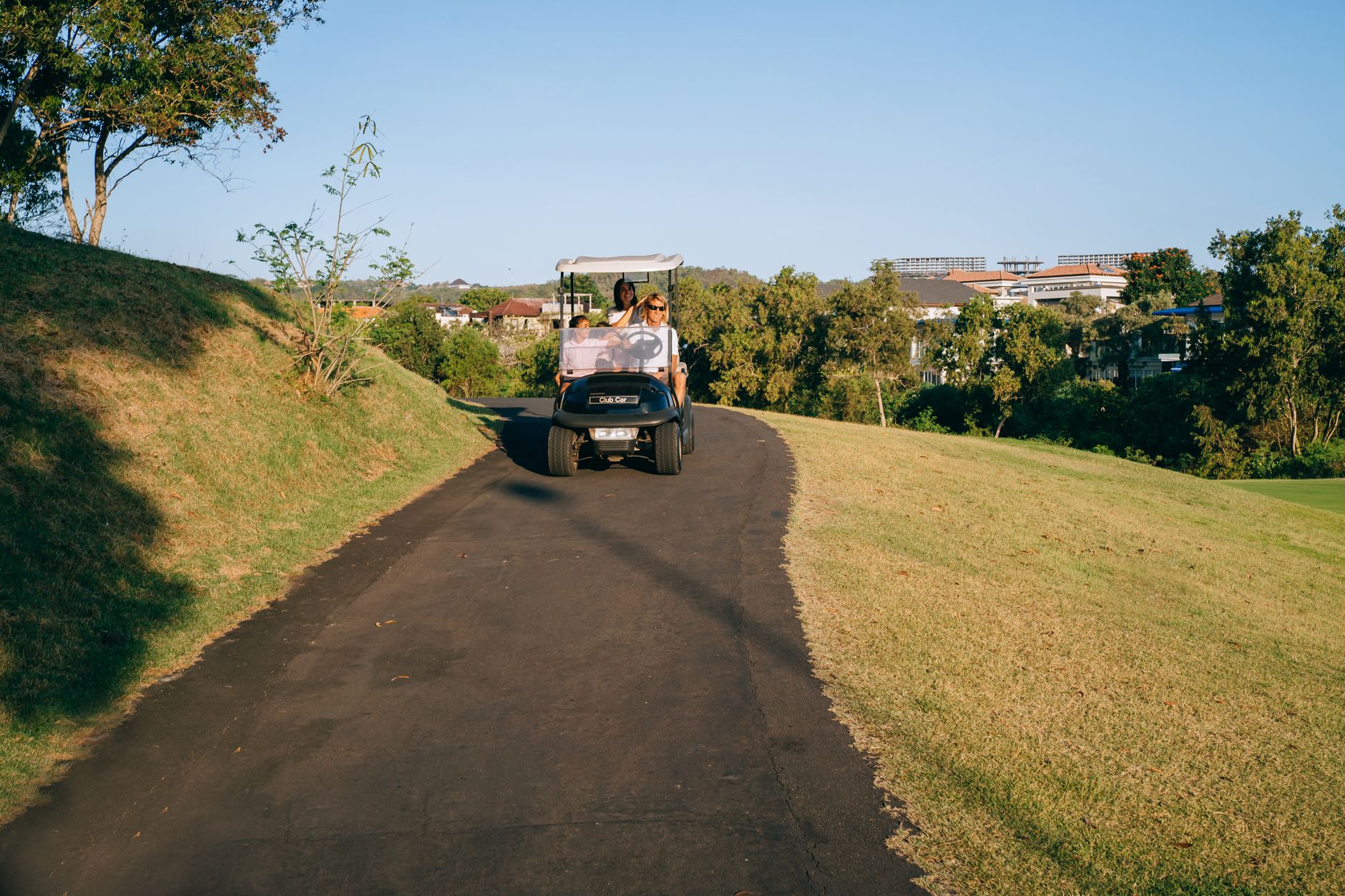
When the pro shop posts cart path only, fairways look open even though tires are banned from turf. Superintendents are protecting saturated, heat-stressed, or dormant grass from ruts and compaction. Autonomous fairway mowers still need to reach grass, which means their routes must respect the same traffic philosophy members see on signs.
A lawn mowing robot is not a member cart, but it is still wheeled equipment. If your policy keeps carts on paths through wet spring weeks or dormant winter fairways, map robot transit along paths and approved crossings instead of cutting diagonals members cannot use. Greens and tees stay on the crew. Fairways and agreed rough corridors are where mapped autonomy earns hours.
Golf Course Industry traffic articles describe courses that flip between daily path only and 90-degree rules, sometimes hole by hole. Fairway robot schedules should publish the same daily decision so maintenance technology does not undercut the policy golfers follow.
What does USGA guidance say about path restrictions?
A USGA turf traffic bulletin explains that facilities combine signs, stakes, and ropes to steer carts, and may restrict carts to paths during extreme moisture, heat, or drought to avoid widespread injury. Saturated soil plus narrow tires raises rutting risk that consumes labor to repair.
The same material notes concentrated traffic patterns thin turf even when grass looks healthy from the tee. Temporary path rules give stressed strips a break. Fairway robots should skip those recovering zones or run only after agronomy clears equipment, not when carts are still path bound for moisture reasons.
When restrictions lift depends on weather. Sun, wind, and lower humidity help dry surfaces faster than shaded holes that frost or drain slowly. Robot dispatch should follow the superintendent's call on each hole, not a fixed clock from last week.
Foot traffic may differ from cart damage on some surfaces, yet maintenance equipment still waits on frost and freeze rules your crew already honors.
How do superintendents steer carts today?
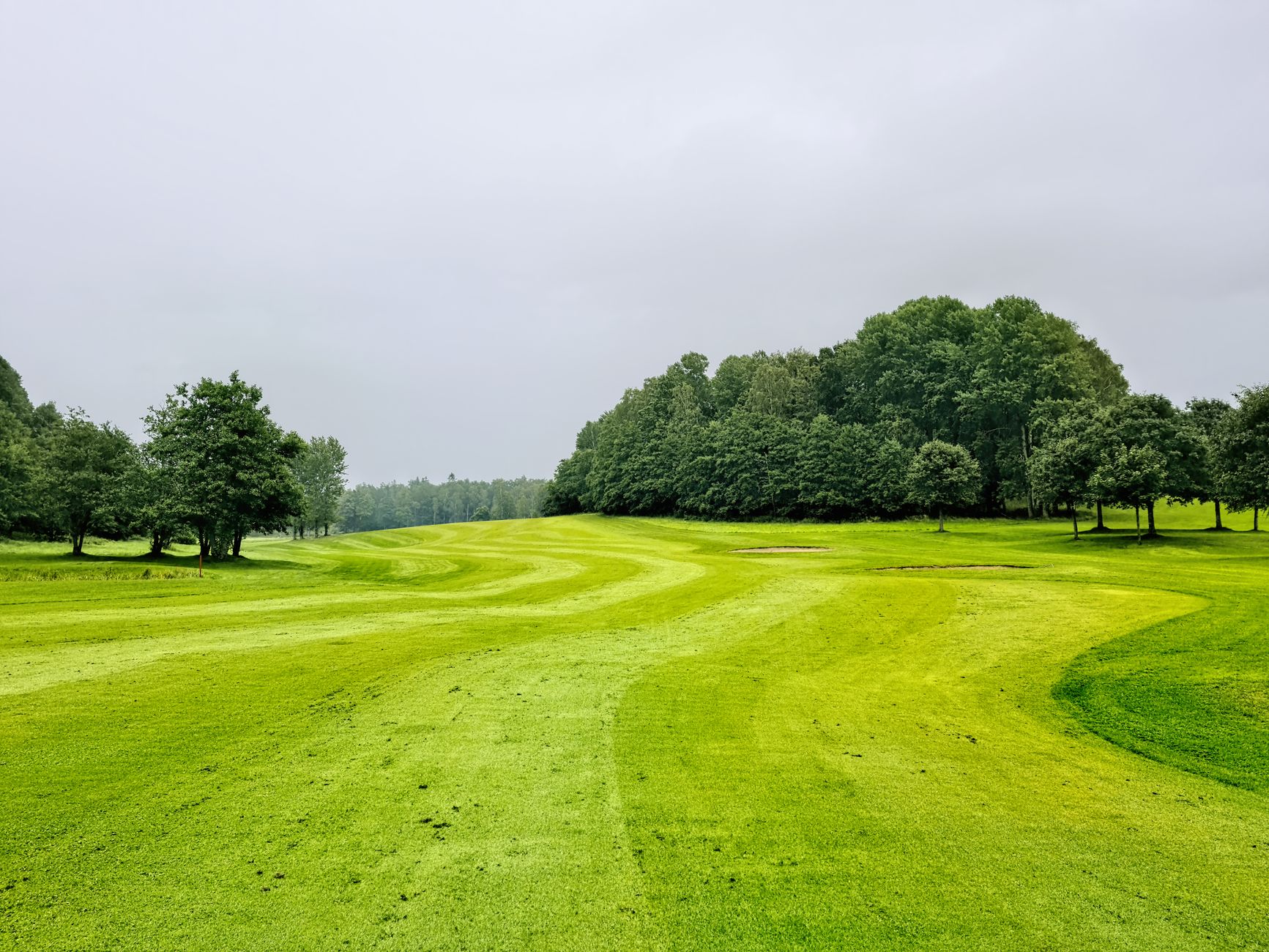
Hyde Park Golf and Country Club superintendent Pat O'Brien told Golf Course Industry that zoysiagrass fairways in Cincinnati's transition zone often move to path only once dormancy begins in October, with damage showing up on spring warmups if carts ran on frozen turf.
Other courses use movable cart exit posts at fairway edges so staff can shift entry points when wear appears. GPS cart systems can lock zones and display reminders on path-only holes, tools Golf Course Industry featured as effective traffic managers.
USGA Green Section director Adam Moeller has urged rotating which holes stay path only so no nine bears the full burden. Fairway robot loops can mirror that rotation, mowing polygons on open holes while charging or patrolling rough on restricted ones.
Shady Canyon director of agronomy John Nachreiner told Golf Course Industry his team added cart stakes and rotated path-only holes after traffic doubled, then paired aerification with two-week path programs. Borrow that rhythm for robot blackouts after cultural practices.
Where should robot transit paths sit during CPO?
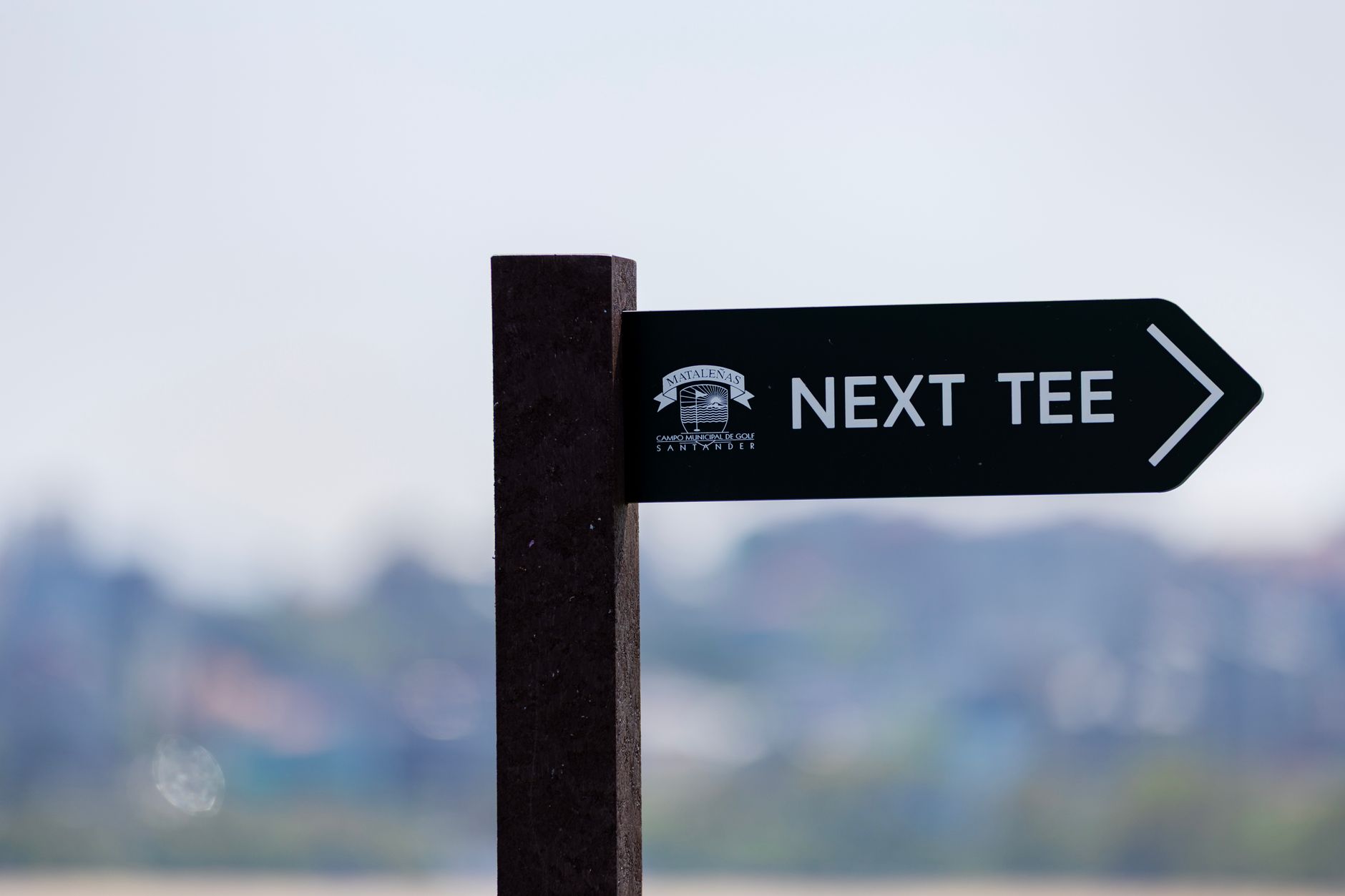
Draw a separate layer for path travel, fairway entry points, and no-go buffers around wet rough or rope lines. Chargers belong on pavement near maintenance barns, not on fairway exits golfers watch.
Program slower speeds on path segments where sand and leaves make steering tight. Pause autonomous runs when aerification or chemical applications require the same equipment blackout you give carts.
National Alliance for Accessible Golf notes courses may keep everyone on paths when weather would damage turf or create safety issues on slopes. Communicate those days clearly in the shop and on tee sheets so members do not assume robots imply fairways are open to all traffic.
How should members hear about robot moves?
Path-only weeks already frustrate players who want direct routes to their ball. Add robot transit to the same frost and cart emails: which holes machines may cross, which stay path only for turf, and that greens work remains manual.
Golf Course Industry writers describe daily pro shop questions about whether 90-degree rules apply. Give staff a one-line script tied to the superintendent's morning call so robot sightings on paths do not read as policy violations.
Post aborted-pass reasons when wet fairways force shutdowns. Transparency builds trust faster than unexplained strip patterns after a rainy week.
What changes through the season?
Spring thaw often brings path only until drainage firms. Schedule fairway robot height targets to match first-cut rules for your grass type before chasing summer strip frequency.
Summer traffic articles warn that misapplied 90-degree habits concentrate wear by August. Tighten robot polygons when cart exits show thinning, even if policy still allows limited off-path access.
Fall dormancy programs on warm-season fairways may keep carts on paths for months. Reduce weekly autonomous passes to match growth, and shift units to rough that still needs coverage when fairways sleep.
Where does integration help?
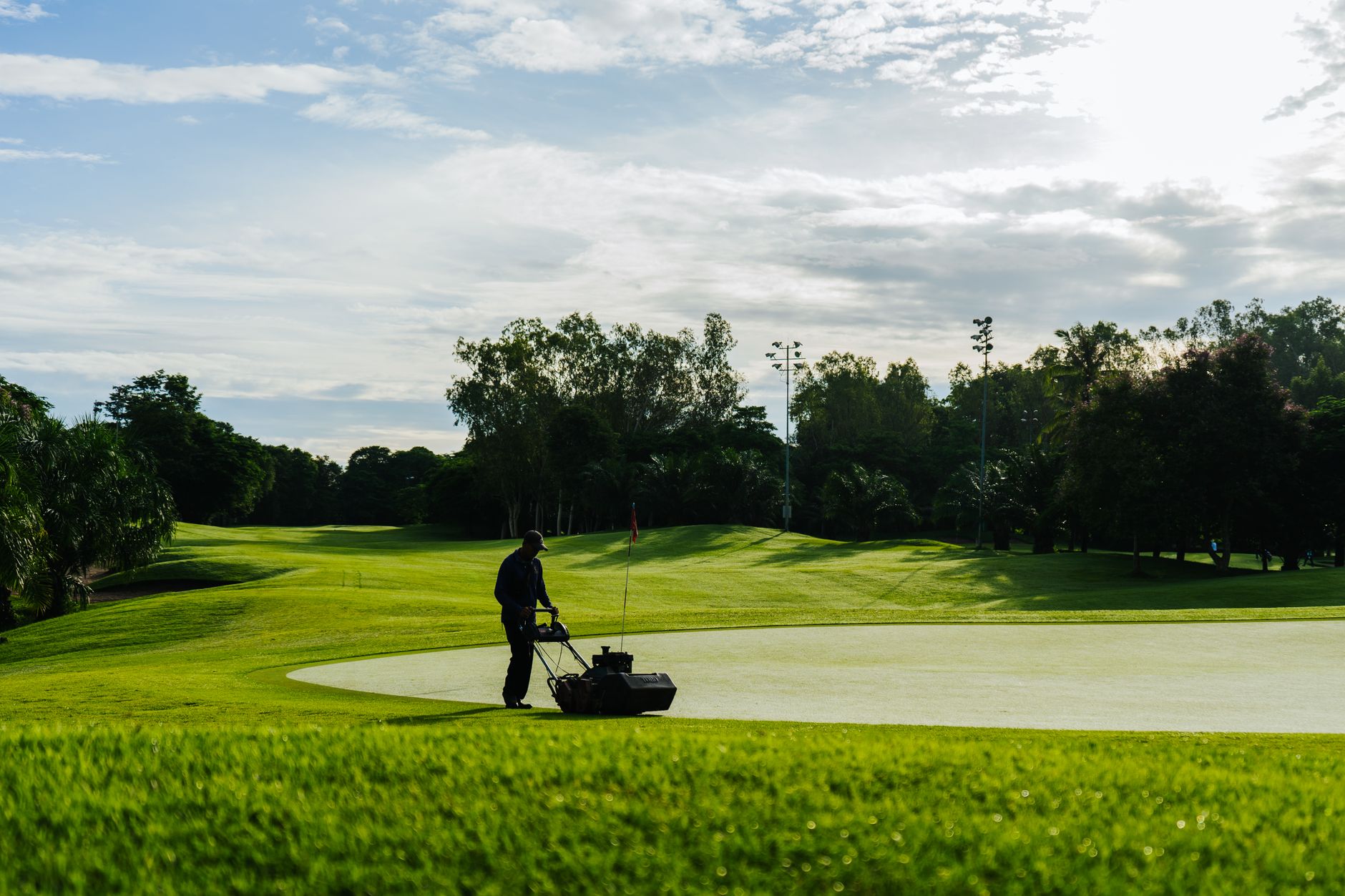
Cart-path-only planning touches agronomy, pro shop messaging, and mapping software at once. Service Robot Co. stays vendor neutral, selects fairway-capable autonomous mowers, and bundles buy or lease financing with deployment and RoboCare service.
Request a free site assessment that documents path corridors, charger placement, and seasonal rotation alongside your cart policy. Pilot one loop through a known CPO month before scaling fleet-wide.
Robots do not replace traffic judgment. They extend fairway hours once paths, moisture, and member rules align on when equipment may return to turf.


